
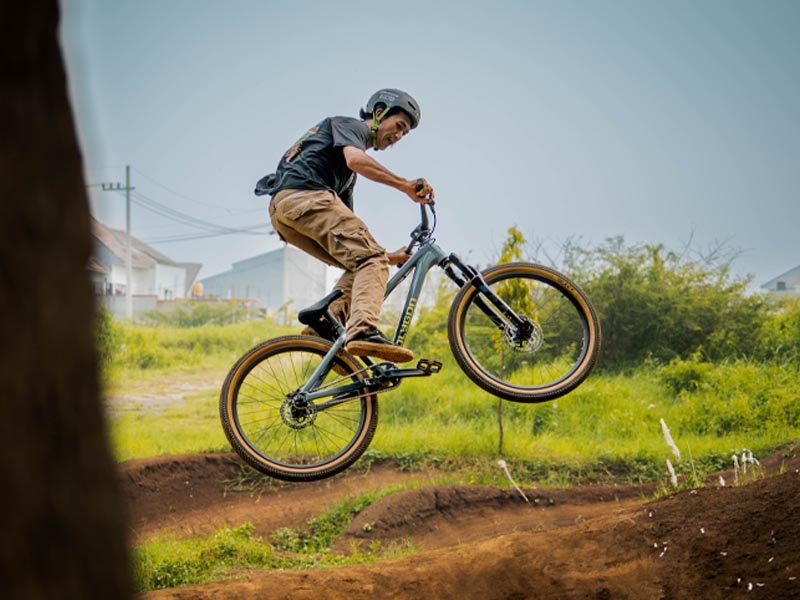
Are you ready to take your dirt jump biking skills to the next level? Learning how to jump on a dirt jump bike can be thrilling and a bit intimidating at the same time.
But imagine the rush of flying through the air with control and confidence. In this guide, you’ll discover simple steps and tips that make jumping easier and safer. Whether you’re a beginner or want to sharpen your technique, this article will help you land every jump like a pro.
Keep reading, and get ready to feel the thrill of your first perfect dirt jump!
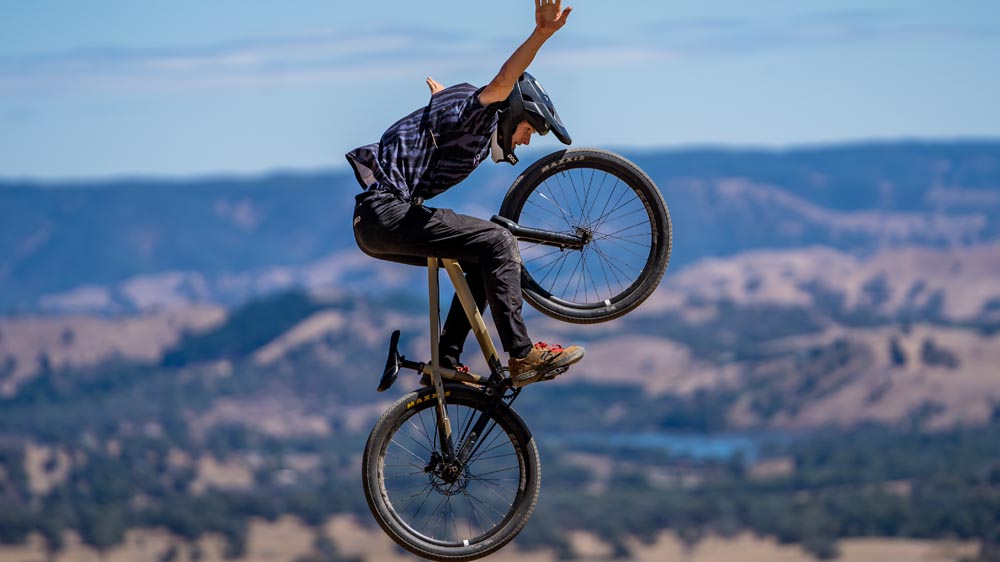
Credit: www.polygonbikes.com
Choosing The Right Dirt Jump Bike
Picking the right dirt jump bike is key to having fun and staying safe. A good bike fits your size and riding style well.
The right bike helps you learn jumps easier and ride with more control. Look for a bike that feels right for you.
Key Features To Look For
A dirt jump bike should be strong and light. It needs a sturdy frame to handle landings and tricks.
Good suspension and strong brakes are important. The bike should also have wide tires for better grip.
- Frame made of aluminum or steel for strength
- Front suspension with around 80-100mm travel
- Hydraulic disc brakes for quick stopping
- Wide, knobby tires for dirt traction
- Single gear or simple drivetrain for easy maintenance
Adjusting Bike Fit And Setup
Your bike should feel comfortable and balanced. Adjust the seat height so you can pedal easily but also jump well.
Handlebar height and position affect control. Set the handlebars so you can steer without strain.
- Lower the seat to move your center of gravity down
- Set the handlebars level with or slightly higher than the seat
- Check tire pressure for firm but smooth ride
- Make sure brakes work well and respond quickly

Credit: www.youtube.com
Essential Safety Gear
Riding a dirt jump bike is fun but can be risky without the right gear. Safety equipment protects your body during falls and crashes.
Wearing the correct gear helps reduce injuries and lets you ride with confidence on jumps and rough trails.
Helmet And Pads
A helmet is the most important gear. It protects your head from serious injuries. Choose a helmet made for dirt jumping or BMX riding.
- Always wear a full-face helmet for better face and chin protection.
- Use knee pads to guard your knees against scrapes and impacts.
- Elbow pads help prevent bruises and fractures during falls.
- Consider wearing padded gloves to protect your hands and improve grip.
Proper Clothing And Footwear
| Clothing Item | Purpose | Tips |
| Long-sleeve Shirt | Protects arms from scratches and sunburn | Choose breathable fabrics for comfort |
| Durable Pants | Shields legs from scrapes and impacts | Look for reinforced knees |
| Sturdy Shoes | Offers grip and foot protection | Wear shoes with flat soles and good ankle support |
| Socks | Prevents blisters and adds comfort | Use moisture-wicking materials |
Basic Riding Skills To Build
Jumping on a dirt jump bike needs good riding skills. These skills help you control the bike and stay safe.
Start with simple skills to get comfortable. Practice often to improve your balance and control.
Balancing And Body Position
Balance is key when riding a dirt jump bike. Keep your weight centered over the bike to stay steady.
Bend your knees and elbows slightly. This helps you absorb shocks and keep control during jumps.
- Keep your eyes looking ahead, not down
- Stand on the pedals with feet flat
- Lean forward slightly to stay balanced
- Relax your body to move with the bike
Controlled Braking And Speed
Control your speed to jump safely. Use brakes smoothly to avoid sudden stops.
Practice slowing down before jumps. This helps you land better and avoid crashes.
- Use both front and rear brakes gently
- Start with low speeds and increase gradually
- Brake before the jump, not during it
- Keep a steady speed on the approach
Approaching The Jump
Approaching a dirt jump requires focus and control. You must prepare your speed and body for a smooth takeoff.
Getting ready before the jump helps you land safely and enjoy the ride.
Choosing The Right Speed
Your speed decides how high and far you will jump. Too slow or too fast can cause problems.
- Start with a moderate speed to feel the jump.
- Increase speed gradually as you gain confidence.
- Keep a steady pace when approaching the ramp.
- Adjust speed based on the size and shape of the jump.
- Use your brakes carefully if you need to slow down.
Body Posture Before Takeoff
Your body position affects your balance and control on the jump.
| Body Part | Position | Reason |
|---|---|---|
| Arms | Slightly bent and relaxed | Absorb shocks and keep control |
| Back | Lean slightly forward | Maintain balance and prepare for lift-off |
| Knees | Flexed and ready to spring | Help absorb impact on landing |
| Head | Look ahead | Focus on landing spot |
| Feet | Firm on pedals, level | Keep bike stable |
Executing The Jump
Jumping on a dirt jump bike needs good control and timing. You must know how to lift off and use your body well.
Focus on how to time your jump and how to use your legs and arms for a smooth lift and landing.
Timing The Lift-off
Watch the ramp or jump closely. Start lifting off just before you reach the top.
Too early or too late can make your jump unstable. Good timing helps you fly smoothly and land safely.
- Approach the jump with steady speed
- Begin lifting off at the ramp’s peak
- Keep your eyes on where you want to land
- Aim to lift off when the bike is fully on the jump
Using Your Legs And Arms
Use your legs and arms to control the bike in the air. Push down with your legs to lift the bike.
Your arms help keep the handlebars steady and guide the bike’s direction during the jump.
- Bend your knees as you reach the jump
- Push up with your legs to lift off
- Hold the handlebars firmly with your arms
- Use your arms to balance and steer in the air
- Prepare your legs to absorb the landing
Landing Techniques
Landing safely on a dirt jump bike is key to riding well. Good landing skills protect you from injury.
Focus on how to absorb impact and keep your balance after landing. These techniques help you ride smoothly.
Absorbing Impact
Absorbing impact means using your body and bike to reduce shock. Bend your knees and elbows as you land.
- Keep your arms and legs loose, not stiff.
- Let your legs act like springs to soften the landing.
- Use your bike’s suspension to help absorb the hit.
- Lean slightly back to keep control and avoid going forward too fast.
Maintaining Balance On Landing
Balance keeps you upright after landing. Shift your weight evenly on the bike pedals.
| Body Position | Purpose |
| Head up | See the path ahead clearly |
| Centered over pedals | Keep balance steady |
| Arms slightly bent | Control the handlebar |
| Feet flat on pedals | Maintain grip and stability |
Learning Basic Tricks Quickly
Jumping on a dirt jump bike can be fun and exciting. Learning basic tricks helps you ride with style.
This guide will focus on simple tricks to try fast. These tricks improve your control and confidence.
Manuals And Bunny Hops
Manuals help you balance on the back wheel. Start by lifting your front wheel slightly while riding.
Bunny hops let you jump without a ramp. Pull up both wheels at the same time to clear obstacles.
- Keep your arms and legs flexible
- Shift your weight back for manuals
- Use your legs to lift the bike for bunny hops
- Practice on flat ground first
180 And 360 Spins
180 spins turn your bike halfway in the air. Look over your shoulder to guide the turn.
360 spins turn you all the way around. Start with small spins before trying a full circle.
- Start with a good speed
- Jump straight up and turn your head first
- Use your arms and shoulders to guide the spin
- Land with your pedals level
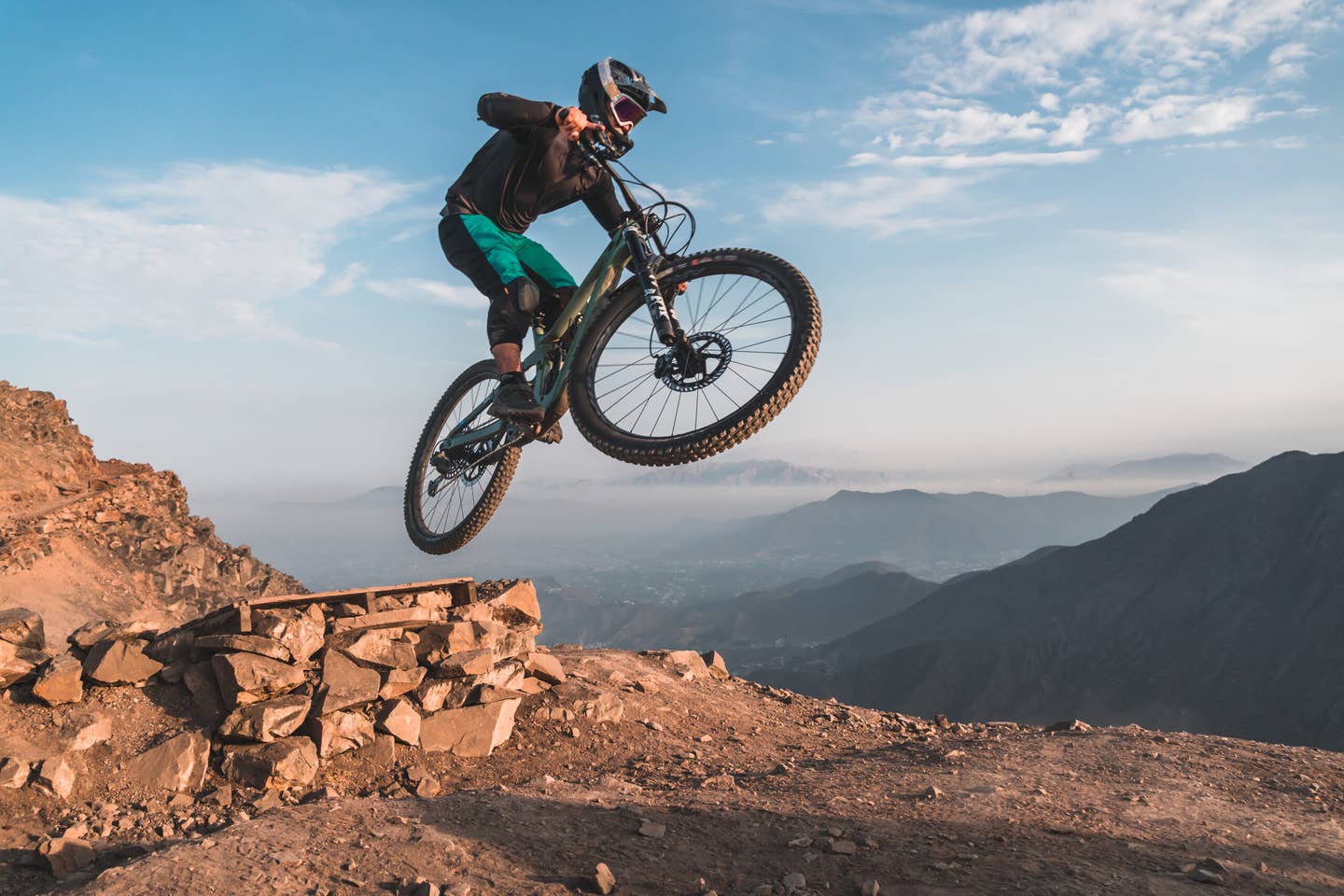
Credit: www.tetongravity.com
Common Mistakes To Avoid
Jumping on a dirt jump bike is exciting but needs care. Avoiding common mistakes helps you stay safe and improve.
Two big mistakes are going too fast and poor body positioning. Learn what to watch for to jump better.
Over-speeding
Riding too fast can make you lose control. It becomes hard to land safely and keep balance.
Speed should match your skill and the size of the jump. Going slower helps you see the landing spot clearly.
- Start with slow speeds to build confidence
- Adjust your speed for each jump size
- Practice controlled braking before jumping
Poor Body Positioning
Wrong body position makes it hard to control the bike in the air. You might fall or land badly.
Keep your knees bent and body low. Lean slightly forward to stay balanced and absorb the landing impact.
- Keep elbows out for better control
- Look ahead, not down at the front wheel
- Stay relaxed but ready to move with the bike
Training Tips For Faster Progress
Jumping on a dirt jump bike takes skill and practice. Training smart helps you improve faster. Focus on key areas to get better safely and quickly.
This guide covers two main tips: keeping a consistent practice routine and using video analysis. Both help you track progress and fix mistakes.
Consistent Practice Routines
Regular practice builds muscle memory and confidence. Set a schedule and stick to it to see steady improvements. Small daily sessions work better than rare long ones.
- Practice 3 to 5 times a week for 30 to 60 minutes
- Warm up with basic bike handling exercises
- Focus on one skill at a time, like balance or speed
- Use different tracks to challenge yourself
- Rest well to avoid injury and fatigue
Using Video Analysis
Video helps you see what you cannot feel. Recording your jumps lets you check your form and find errors. Watching slow motion clips shows small details.
How to Use Video Analysis
- Record your jump from different angles
- Watch the video right after practice
- Look for body position, bike angle, and landing
- Note mistakes and plan corrections
- Ask a friend or coach for feedback
Frequently Asked Questions
What Gear Is Essential For Dirt Jump Biking?
Wearing a helmet, gloves, and knee pads is crucial for safety. Sturdy shoes and protective eyewear also enhance your ride and prevent injuries.
How Do I Prepare My Bike For Dirt Jumps?
Ensure your bike has strong tires and reliable suspension. Check brakes and tighten all bolts. Proper maintenance improves control and safety.
What Is The Best Body Position For Jumping?
Keep your knees slightly bent and stand on the pedals. Lean forward slightly, with elbows out, to maintain balance during the jump.
How Do I Approach A Dirt Jump Ramp Safely?
Approach the ramp at a moderate speed. Keep your eyes focused on the jump’s lip and prepare to lift off smoothly.
Conclusion
Riding a dirt jump bike is thrilling and fun. Start slow and practice regularly. Focus on balance and control. Always wear safety gear. It keeps you safe. Pay attention to your surroundings. This helps prevent accidents. Learn from each jump.
Improvement comes with time. Enjoy the process, not just the result. Each jump is a step forward. Share your progress with friends. They can offer support and tips. Riding with others makes it more enjoyable. Remember, confidence grows with experience.
Have fun and stay safe on your dirt jump bike adventures!



