
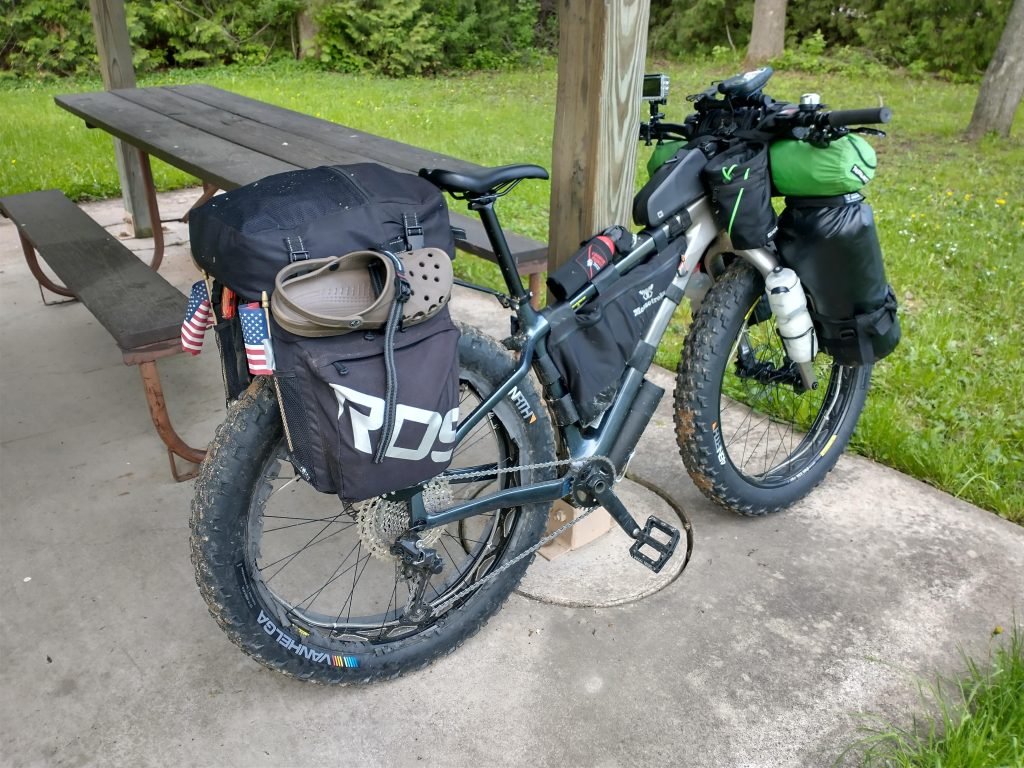
Choosing the right gear for your bike trips can make all the difference between a smooth ride and a frustrating one. When it comes to carrying your stuff, you’ve probably heard about panniers and bikepacking bags.
But which one is truly best for you? The answer depends on how you ride, where you go, and what you need to bring along. You’ll discover the key differences that matter most, helping you pick the perfect option for your next adventure.
Keep reading to find out how to make your bikepacking or touring experience easier, more comfortable, and downright enjoyable.

Credit: carradice.co.uk
Panniers Basics
Panniers are bags that attach to the sides of a bike rack. They help carry items while riding.
Panniers are good for long rides and heavy loads. They keep your weight balanced on the bike.
Types Of Panniers
There are many types of panniers for different needs. Some are made for touring, others for commuting.
Some common types include waterproof, expandable, and lightweight panniers.
- Touring panniers: large and strong for long trips
- Commuter panniers: smaller and easy to carry
- Waterproof panniers: protect your gear from rain
- Expandable panniers: adjust size to fit more items
Materials And Durability
Panniers use different materials to stay strong and last long. Common materials include nylon and polyester.
Waterproof fabrics keep your gear dry. Durable fabrics resist tears and wear from road use.
- Nylon: lightweight and strong
- Polyester: durable and water-resistant
- Vinyl or tarpaulin: fully waterproof
- Reinforced seams: prevent tearing
Mounting Systems
Mounting systems hold panniers securely on bike racks. They must be easy to attach and remove.
Some use hooks, clips, or straps. Good mounting keeps panniers stable during rides.
- Hook systems: clip onto rack rails
- Clip locks: lock panniers in place
- Straps: wrap around rack for extra security
- Quick-release: easy to remove and install
Bikepacking Bags Essentials
Choosing between panniers and bikepacking bags depends on your trip style. Bikepacking bags are great for off-road and light travel.
These bags fit closely to your bike. They help keep balance and make riding easier on rough paths.
Frame Bags And Seat Packs
Frame bags fit inside the bike’s main triangle. They hold heavy items like tools and food.
Seat packs attach under the seat. They store clothes, sleeping bags, or light gear.
Materials And Weight
Bikepacking bags use strong, light materials to protect your gear. They resist water and tears.
Common materials include ripstop nylon and polyester. These keep weight low and durability high.
- Ripstop nylon: lightweight and tear-resistant
- Polyester: durable and water-resistant
- TPU coating: adds waterproofing
Attachment Methods
Bikepacking bags attach with straps and buckles. They hold tight without extra racks.
Frame bags use Velcro straps around the tubes. Seat packs strap to the seat post and rails.
- Velcro straps: easy to adjust and remove
- Buckles: secure and strong
- Compression straps: reduce bag size when packed
Capacity And Storage
Choosing between panniers and bikepacking bags depends a lot on how much stuff you carry. Capacity and storage shape your trip experience. Both have their strengths and limits.
Look at how much gear you need and how you want to organize it. This helps pick the right bags for your bike journey.
Volume Comparison
Panniers usually offer more space than bikepacking bags. They hang on the sides of your bike rack, giving large volume. Bikepacking bags are more compact and fit on the frame or seat post.
- Panniers: 20 to 40 liters per side, total 40 to 80 liters
- Bikepacking bags: 5 to 20 liters each, combined around 30 to 40 liters
- Panniers can carry heavier loads
- Bikepacking bags keep the bike lighter and more balanced
Organizing Gear
Panniers have separate compartments or pockets. This helps keep your gear neat and easy to find. You can pack clothes, food, and tools in different bags.
Bikepacking bags usually have one main compartment. Some have small pockets, but space is limited. You need to pack carefully to avoid clutter.
- Panniers allow better separation of gear
- Bikepacking bags require efficient packing
- Use packing cubes or stuff sacks for bikepacking bags
- Panniers are better for bulky or odd-shaped items
Accessibility On The Road
Panniers are easy to access when your bike is parked. You can open them like drawers and reach your gear quickly. They are great for stopping often.
Bikepacking bags are harder to reach during rides. They are strapped tightly to the bike frame or seat. You may need to stop and unpack to get what you want.
- Panniers allow fast access during breaks
- Bikepacking bags require more effort to open
- Bikepacking bags keep gear safe from rain and dirt
- Panniers may need extra rain covers for protection
Terrain And Riding Style
Choosing between panniers and bikepacking bags depends on the terrain and your riding style. Each bag type suits different needs.
Your choice affects comfort, bike handling, and gear protection. Consider where and how you ride before picking a bag.
Commuting And Touring
Panniers work well for commuting and touring on paved roads. They carry more weight and keep items organized.
- Panniers offer easy access to gear without unpacking.
- They keep your load stable on smooth terrain.
- Bikepacking bags may feel bulky for daily use.
- Use panniers if you need to carry work clothes or groceries.
Off-road Adventures
Bikepacking bags fit better for off-road trails and rough terrain. They keep your bike balanced and agile.
| Feature | Panniers | Bikepacking Bags |
| Weight Distribution | Can unbalance on rough trails | Centered and stable |
| Durability | Good but prone to damage on rocks | Designed for rugged use |
| Bike Handling | Less nimble | Better control |
| Water Resistance | Depends on model | Usually high |
Long-distance Vs Short Trips
For long trips, panniers can carry more gear and food. For short rides, bikepacking bags offer lighter loads.
- Long trips: Panniers help carry camping gear and supplies.
- Short trips: Bikepacking bags keep weight low and bike fast.
- Choose based on how much gear you need.
- Consider your comfort and bike type.
Bike Compatibility
Choosing between panniers and bikepacking bags depends on your bike’s fit. Not all bags work well with every bike frame.
Check your bike’s design and mounts to decide which bag type suits you best.
Frame Design And Mounts
Bike frames differ in shape and size. Some have special mounts for panniers, others do not.
Panniers need racks and mounting points on the frame. Bikes without these mounts may not support panniers well.
- Touring and commuter bikes usually have mounts for pannier racks
- Mountain and gravel bikes may lack mounts or have fewer options
- Bikepacking bags attach with straps and don’t need mounts
Weight Distribution
Panniers hang on the sides of the bike, spreading weight low and wide. This helps balance the load.
Bikepacking bags pack weight closer to the frame. This keeps the bike’s center of gravity tight and stable.
- Panniers shift weight to the sides, which may affect balance
- Bikepacking bags keep weight centered and close to the bike
- Proper packing helps keep the bike stable on rough roads
Impact On Handling
Panniers can make the bike feel wider and heavier on turns. This changes how the bike handles.
Bikepacking bags keep the bike narrow and improve control on tight trails and rough paths.
- Panniers may cause swaying if not loaded evenly
- Bikepacking bags keep handling close to normal
- Choose bags based on how you want your bike to feel

Credit: www.treelinereview.com
Weather And Durability
Choosing between panniers and bikepacking bags depends a lot on weather and durability. Your gear must protect your stuff in rain, wind, and rough use.
Both types have strengths and weaknesses. Understanding water resistance and wear helps you pick the right option for your ride.
Water Resistance
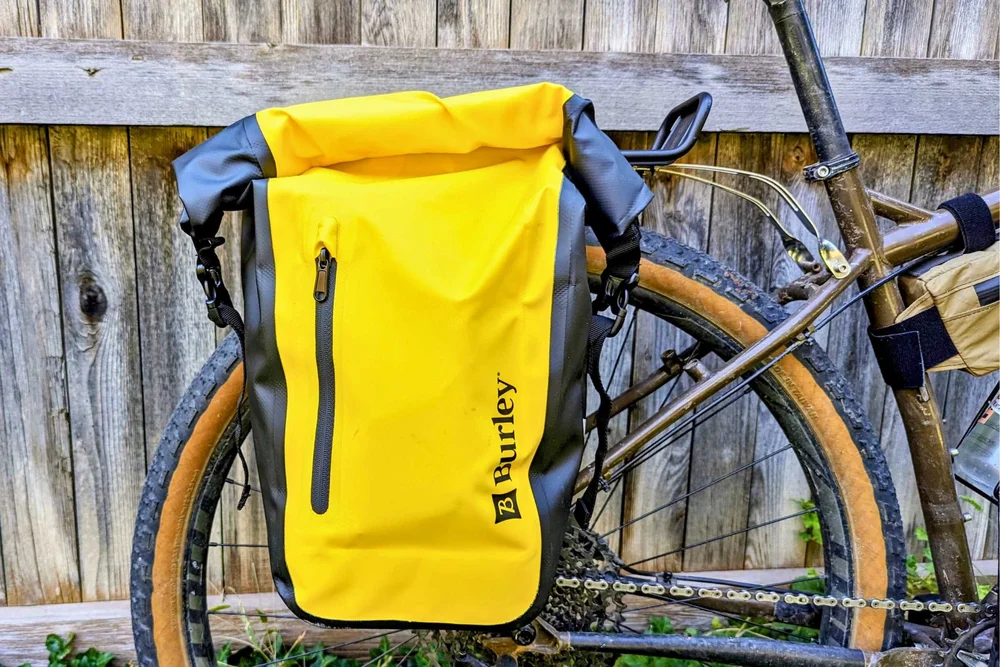
Panniers usually have hard shells or waterproof liners. They keep water out well in heavy rain. Bikepacking bags often use water-resistant fabric but may need extra covers in storms.
Check the sealing system on panniers. Roll-top closures on bikepacking bags help stop water but may not be fully waterproof in long rides through wet weather.
- Panniers: Strong water protection with rigid shells or liners
- Bikepacking bags: Lightweight water resistance, best with rain covers
- Look for sealed seams and waterproof zippers
Wear And Tear
Panniers resist scratches and bumps thanks to tough outer layers. They handle rough roads well. Bikepacking bags use flexible fabrics that may wear faster on sharp edges.
Bikepacking bags can tear if caught on branches or rocks. Panniers are less likely to rip but can crack under heavy impact.
- Panniers: Durable against impacts and rough surfaces
- Bikepacking bags: Flexible but prone to fabric wear and tears
- Inspect for holes or cracks after long trips
Maintenance Tips
Clean panniers with mild soap and water. Avoid harsh chemicals that harm waterproof layers. Dry them fully before storage to stop mold.
Check bikepacking bags for small holes or worn spots. Patch fabric tears quickly. Store bags in a dry place to keep materials strong.
- Wipe dirt off panniers after rides
- Use fabric patches for bikepacking bag repairs
- Keep all gear dry and aired out
Cost And Budget
Choosing between panniers and bikepacking bags depends a lot on your budget. Both options have different price points. Knowing the cost helps you pick the right gear.
Think about how much you want to spend before deciding. This way, you get bags that fit your needs and your wallet.
Price Ranges
Panniers usually cost more than bikepacking bags. They come in many styles and sizes, which affects the price. You can find basic panniers for less, but high-quality ones cost more.
Bikepacking bags often have lower starting prices. They use lighter materials and simpler designs. Still, some premium bags can be expensive too.
- Basic panniers: $50 – $100
- High-end panniers: $150 – $300+
- Basic bikepacking bags: $30 – $80
- Premium bikepacking bags: $100 – $200+
Value For Money
Panniers offer good value if you carry heavy loads often. They keep things organized and protect gear well. You pay more but get strong, durable bags.
Bikepacking bags suit riders who want light, compact gear. They cost less and save space. The value comes from convenience and weight savings.
- Panniers: Better for heavy, bulky items
- Bikepacking bags: Best for light, minimal packing
- Both types last long with proper care
Long-term Investment
Think about how often you will ride and carry gear. Panniers are a solid long-term choice for serious touring. They handle rough use and weight well.
Bikepacking bags work well for shorter trips or lighter loads. They may wear out faster if overloaded. Still, they fit well for many riders’ needs.
- Panniers last longer with heavy use
- Bikepacking bags need gentle care to last
- Choose based on your riding style and frequency
Credit: www.treelinereview.com
User Experience
Choosing between panniers and bikepacking bags affects your ride. The right choice improves comfort and ease on your trip.
Think about how you will use your bags. Your packing style and trip type matter a lot.
Comfort And Convenience
Panniers stay on the bike frame, which keeps your load stable. This helps balance and reduces strain on your back.
Bikepacking bags attach close to the bike frame. This keeps your ride smooth but may limit space.
- Panniers add weight to the sides, good for steady rides
- Bikepacking bags keep weight centered, better for rough trails
- Panniers may cause more drag in wind
- Bikepacking bags are often lighter and less bulky
Packing And Unpacking
Panniers open wide and are easy to pack like a suitcase. You can organize items neatly.
Bikepacking bags have smaller openings and use roll-tops. Packing needs more planning to fit items.
- Panniers allow quick access to your gear
- Bikepacking bags keep gear secure and dry
- Unpacking panniers takes less time
- Bikepacking bags fit more in tight spaces
Real-world Reviews
Many riders say panniers work best for long road trips. They like the easy packing and stable ride.
Bikepacking bags get praise for off-road trips. Users enjoy the light feel and frame fit.
- Riders find panniers better for city and touring rides
- Bikepacking bags suit mountain biking and rough terrain
- Some riders use both types for different trips
- Test both styles to see what fits your needs
Making The Right Choice
Choosing between panniers and bikepacking bags can be confusing. Both have their uses and fit different riding styles.
Knowing your needs helps you pick the best option for your bike trips and daily rides.
Assessing Your Needs
Think about how long your trips are and what gear you carry. Panniers work well for heavy loads and long rides.
Bikepacking bags suit rough paths and when you want a light setup. Your route and bike type matter.
- Distance of your rides
- Weight and type of gear
- Road or off-road paths
- Bike frame design
Trial And Error
Try both panniers and bikepacking bags on short trips first. This helps you feel which suits you best.
Pay attention to comfort, balance, and ease of use. Changing setups can show what fits your style.
- Test load and weight distribution
- Check how bags affect bike handling
- Notice how easy it is to pack and unpack
- Observe comfort during riding
Combining Both Options
You can mix panniers and bikepacking bags. Use panniers for heavy gear and bikepacking bags for essentials.
This setup balances weight and keeps your load stable. It works well for varied terrains and longer trips.
- Panniers carry cooking gear and clothes
- Bikepacking bags hold tools and snacks
- Mix helps keep bike balanced
- Offers flexibility on different roads
Frequently Asked Questions
What Are The Main Differences Between Panniers And Bikepacking Bags?
Panniers attach to bike racks and offer high capacity. Bikepacking bags strap directly to the frame and are compact. Panniers suit touring on paved roads. Bikepacking bags work well for rough trails and off-road adventures.
Which Is Better For Long-distance Bike Touring?
Panniers are generally better for long-distance touring due to their larger storage capacity. They distribute weight evenly and keep gear organized. Bikepacking bags are lighter but hold less, ideal for minimalist or off-road trips.
How Do Panniers And Bikepacking Bags Affect Bike Handling?
Panniers add weight low and to the sides, which can affect balance but improve stability. Bikepacking bags keep weight centered and close to the frame, enhancing maneuverability on technical terrain.
Are Bikepacking Bags Waterproof Compared To Panniers?
Many bikepacking bags are made from waterproof materials or include rain covers. Panniers often come with waterproof options or liners. Waterproofing depends on specific brands and models, so check product details before buying.
Conclusion
Choosing between panniers and bikepacking bags depends on your needs. Consider your trip type and gear quantity. Panniers offer more space for long journeys. They fit well on traditional racks. Bikepacking bags are lighter and better for off-road adventures. They attach directly to your bike frame.
Think about weather resistance too. Panniers typically provide better protection against rain. Bikepacking bags can be more versatile on rough terrain. Ultimately, personal preference and trip style guide your decision. Evaluate what suits your biking adventures best. Make your choice and enjoy your ride!



