
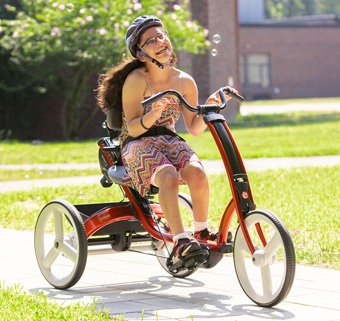
Are you looking for a fun and effective way to boost your strength? Adaptive trikes might be exactly what you need.
These specially designed three-wheeled bikes offer more than just a ride—they can transform how your muscles work and grow. Imagine building strength while enjoying the outdoors, all at your own pace. You’ll discover how adaptive trikes improve your strength, why they’re perfect for different fitness levels, and how they can fit into your daily routine.
Ready to find out how this simple tool can make a big difference in your health? Keep reading!
Benefits Of Adaptive Trikes
Adaptive trikes help people build strength safely. They provide a fun way to exercise different muscles. This type of exercise suits many fitness levels.
Riding adaptive trikes can improve balance and stability. They also offer low-impact workouts. This makes them a good choice for people with joint concerns.
Enhanced Muscle Engagement
Adaptive trikes work many muscle groups at once. The pedaling action strengthens the legs, hips, and core. Steering and balancing also use upper body muscles.
- Leg muscles get stronger from pedaling.
- Core muscles engage to keep posture steady.
- Arms and shoulders work while steering and braking.
Improved Balance And Stability
The three-wheel design helps riders stay balanced. This support allows users to focus on muscle control. Over time, balance skills improve with regular riding.
| Balance Benefit | How Adaptive Trikes Help |
| Safer riding | Three wheels provide stability |
| Confidence boost | Less fear of falling |
| Core strength | Muscles engage to maintain posture |
Low-impact Strength Training
Adaptive trikes offer gentle exercise that is easy on joints. This helps build muscle without causing pain. Riders can train longer and recover faster.
- Reduces stress on knees and hips.
- Allows steady, controlled movements.
- Suitable for people with arthritis or injury.

Credit: www.rifton.com
Key Features Boosting Power
Adaptive trikes help build strength through special designs. They make exercising easier and more effective.
These trikes have features that improve muscle power safely. Let’s explore how they do this.
Ergonomic Design
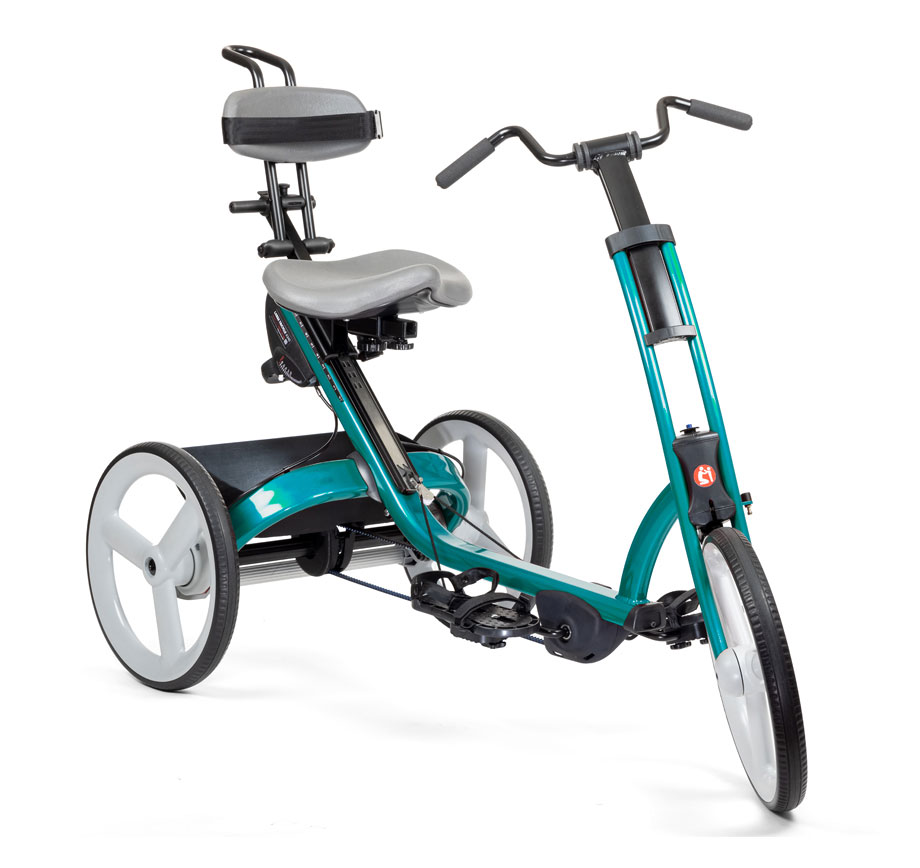
Adaptive trikes have shapes that fit the body well. This design reduces strain and helps users pedal smoothly.
Good posture during riding helps muscles work better. It also lowers the risk of injury or discomfort.
Adjustable Resistance Levels
These trikes let users change how hard it is to pedal. Higher resistance helps muscles get stronger over time.
- Start with low resistance for warm-up
- Increase resistance to challenge muscles
- Adjust resistance to match user ability
Customizable Seating
Seats on adaptive trikes can be moved or changed. This helps users find a comfortable and strong riding position.
Proper seat fit supports the back and legs. This support lets users pedal longer and build more power.
Muscle Groups Targeted
Adaptive trikes help improve strength by working on different muscle groups. They provide a full-body workout that targets legs, core, and upper body muscles. These muscles work together to help you move and stay balanced.
Using an adaptive trike regularly builds endurance and muscle power. It also supports better posture and coordination. Let’s look at the main muscle groups that benefit from adaptive trike exercise.
Leg Strength Enhancement
The legs do most of the work when riding an adaptive trike. Pedaling activates large muscles in the lower body. This helps increase muscle size and strength over time.
Strong legs improve your ability to walk, stand, and climb stairs. The main leg muscles targeted include:
- Quadriceps – front of the thighs
- Hamstrings – back of the thighs
- Calves – lower back of the legs
- Gluteal muscles – buttocks
Core Stabilization
The core muscles keep your body steady while riding. They help you maintain balance and control the trike’s movement. These muscles support your spine and pelvis.
Using an adaptive trike strengthens the core muscles, which include:
- Abdominal muscles – front of the torso
- Obliques – sides of the torso
- Lower back muscles – back of the torso
- Pelvic muscles – base of the spine
Upper Body Activation
Some adaptive trikes use hand pedals or require arm movement for steering. This activates the upper body muscles. It helps build strength and endurance in the arms and shoulders.
The upper body muscles worked include:
- Biceps – front of the upper arms
- Triceps – back of the upper arms
- Deltoids – shoulder muscles
- Forearm muscles – lower arms
Credit: www.rifton.com
Training Techniques With Adaptive Trikes
Adaptive trikes offer a unique way to build physical strength. They allow users to exercise different muscle groups safely and effectively. Training with these trikes can improve endurance, speed, and overall muscle power.
Using adaptive trikes regularly helps increase muscle tone and cardiovascular health. Training techniques vary depending on the goals of the rider. Below are key types of workouts that improve strength with adaptive trikes.
Interval Workouts
Interval workouts mix short bursts of high effort with rest or low effort. This trains muscles to work harder and recover faster. It also improves heart and lung strength.
Start with a warm-up, then pedal fast for 30 seconds. Follow with one to two minutes of slow pedaling. Repeat this cycle for 15 to 20 minutes. Interval training boosts power and stamina on adaptive trikes.
- Warm up for 5 minutes at easy pace
- Pedal fast for 30 seconds
- Recover with slow pedaling for 1-2 minutes
- Repeat 6 to 10 times
- Cool down for 5 minutes
Endurance Building
Endurance training focuses on longer rides at a steady pace. This helps build muscle endurance and heart health. It makes muscles resist fatigue during longer sessions.
Ride the adaptive trike at a moderate speed for 30 to 60 minutes. Keep a pace that feels challenging but sustainable. Over time, increase the ride length to improve stamina.
- Start with 20-30 minute steady rides
- Maintain a consistent, moderate pace
- Increase ride time gradually each week
- Focus on smooth, even pedaling
- Rest well after each session
Strength-focused Routines
Strength-focused routines use resistance and slower speeds. This targets muscle growth and power. Riders can add resistance settings or pedal uphill to increase effort.
Workouts include short, slow pedaling with high resistance. This builds muscle strength in the legs, core, and arms. Combining strength routines with recovery days helps muscles grow stronger.
- Use higher resistance or pedal uphill
- Pedal slowly for 1-3 minutes per set
- Rest for 1-2 minutes between sets
- Perform 4-6 sets per session
- Include rest days for muscle recovery
Adapting Workouts For Different Abilities
Adaptive trikes help people with different abilities exercise safely. They provide support and stability. This allows users to build strength at their own pace.
Designing workouts to match each person’s needs improves results. It also reduces risk of injury. Let’s explore ways to adjust exercises for all levels.
Beginner-friendly Approaches
Starting with simple exercises builds confidence. Adaptive trikes offer easy ways to move muscles without strain. Beginners can focus on smooth, controlled motions.
- Use lower resistance settings
- Keep sessions short, around 10-15 minutes
- Focus on proper posture and breathing
- Take breaks as needed
- Gradually increase time and effort
Progressive Resistance Training
Increasing resistance helps muscles grow stronger over time. Adaptive trikes can adjust pedal tension to add challenge. This method suits users ready for more effort.
| Resistance Level | Effort Required | Recommended Duration |
|---|---|---|
| Low | Light | 10-15 minutes |
| Medium | Moderate | 15-25 minutes |
| High | Challenging | 20-30 minutes |
Incorporating Therapy And Rehab
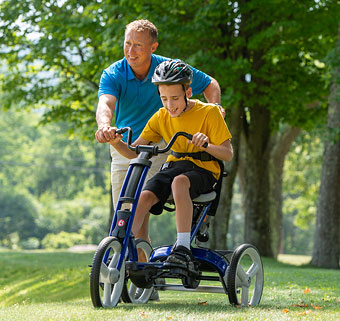
Adaptive trikes support therapy goals by aiding mobility and strength. Therapists can tailor sessions to each person’s recovery stage. This helps regain muscle function safely.
- Improves joint flexibility
- Enhances muscle coordination
- Supports cardiovascular health
- Reduces muscle stiffness
Credit: www.rifton.com
Tracking Progress And Results
Adaptive trikes help improve strength by allowing steady exercise tailored to your needs. Tracking progress keeps you motivated and shows how far you have come.
Regularly checking your results helps you adjust your routine for better strength gains. Let’s explore how to track progress effectively.
Using Performance Metrics
Performance metrics give clear data on your workouts. They can include speed, distance, and time spent exercising on your adaptive trike.
- Measure the distance you pedal each session
- Track the time spent riding
- Note your average speed
- Record how many repetitions or sets of exercises you complete
Setting Realistic Goals
Set goals that match your current ability and fitness level. Goals help guide your training and keep you focused on strength improvement.
| Goal Type | Example | Benefit |
| Short-Term | Ride 1 mile in 10 minutes | Builds confidence |
| Medium-Term | Increase session time to 30 minutes | Improves endurance |
| Long-Term | Strengthen leg muscles for better control | Enhances overall fitness |
Maintaining Consistency
Consistent effort is key to building strength with adaptive trikes. Keep a regular schedule and stick to it for best results.
Here are tips to stay consistent:
- Plan your rides on specific days
- Track each session in a journal or app
- Celebrate small improvements
- Rest when needed to avoid injury
Success Stories And Testimonials
Adaptive trikes help people build strength in many ways. Users share their stories about how these trikes changed their lives.
These stories show real progress and how adaptive trikes support strength improvement for different users.
Athletes’ Experiences
Athletes use adaptive trikes to train and improve muscle power. Many report better endurance and stronger legs after regular use.
They also say adaptive trikes help them stay active and reach fitness goals safely.
- Improved leg strength for cycling events
- Increased stamina during workouts
- Better balance and coordination
Rehabilitation Achievements
Many users find adaptive trikes helpful in rehab after injuries. Therapists use them to support muscle rebuilding and joint movement.
Patients say using trikes boosts their confidence and speeds up recovery.
- Regained leg strength after surgery
- Improved mobility for better daily life
- Increased motivation to continue therapy
Community Impact
Adaptive trikes bring people together in local groups. Users share tips and celebrate strength gains with each other.
Communities report stronger social bonds and more active lifestyles thanks to adaptive trike programs.
- Group rides that encourage regular exercise
- Support networks for new users
- Events that raise awareness about adaptive fitness
Frequently Asked Questions
How Do Adaptive Trikes Enhance Muscle Strength?
Adaptive trikes engage multiple muscle groups, including legs, core, and arms. This consistent use builds endurance and overall muscle strength effectively.
What Makes Adaptive Trikes Suitable For Strength Training?
Their design supports balance and stability, allowing users to focus on controlled, resistance-based movements that improve muscle power safely.
Can Adaptive Trikes Improve Upper Body Strength?
Yes, many adaptive trikes require arm steering and pedaling, which actively strengthen shoulders, arms, and upper back muscles during use.
How Often Should One Use Adaptive Trikes For Strength Gains?
Regular use, about 3-4 times a week, promotes consistent muscle development and enhances strength over time with proper rest.
Conclusion
Adaptive trikes offer incredible strength-building opportunities. They engage various muscle groups effectively. Users can improve balance and coordination, too. These trikes cater to different needs and abilities. Enjoyable rides make exercise fun and rewarding. Regular use boosts confidence and independence.
They encourage a healthier lifestyle, promoting physical activity. Accessible design ensures everyone benefits. Adaptive trikes truly enhance physical well-being. They are a great option for those seeking strength improvement.



