
Looking for the perfect bike for your child without breaking the bank? You want a bike that’s safe, fun, and fits your budget.
But with so many options out there, how do you choose the right one? This guide will help you find a budget kid’s bike that meets your needs and makes your child’s ride exciting and safe. Keep reading to discover simple tips that make buying a kid’s bike easy and stress-free.
Your child’s next adventure starts here!
Choosing The Right Bike Size
Picking the right bike size for your child is important for safety and fun. A bike that fits well helps your child learn to ride faster.
In this guide, we explain how to measure your child, read bike size charts, and use adjustable features for growth.
Measuring Your Child’s Height
Start by measuring your child’s height without shoes. Have your child stand straight against a wall. Use a flat object to mark the top of their head. Measure from the floor to the mark.
Height helps you find the right bike size, but also check your child’s inseam length. This is the distance from the crotch to the ground. It shows how well your child can reach the pedals and ground.
Understanding Bike Size Charts
| Child’s Height | Recommended Wheel Size |
| 3’0″ – 3’6″ (91 – 107 cm) | 12 inches |
| 3’7″ – 4’0″ (108 – 122 cm) | 16 inches |
| 4’1″ – 4’5″ (123 – 135 cm) | 20 inches |
| 4’6″ – 4’9″ (136 – 145 cm) | 24 inches |
Bike size charts show wheel sizes based on height. Use them to choose a bike that fits your child. Keep in mind some brands may have slight size differences.
Adjustable Features For Growth
- Look for bikes with adjustable seat height.
- Check if the handlebars can be moved up or down.
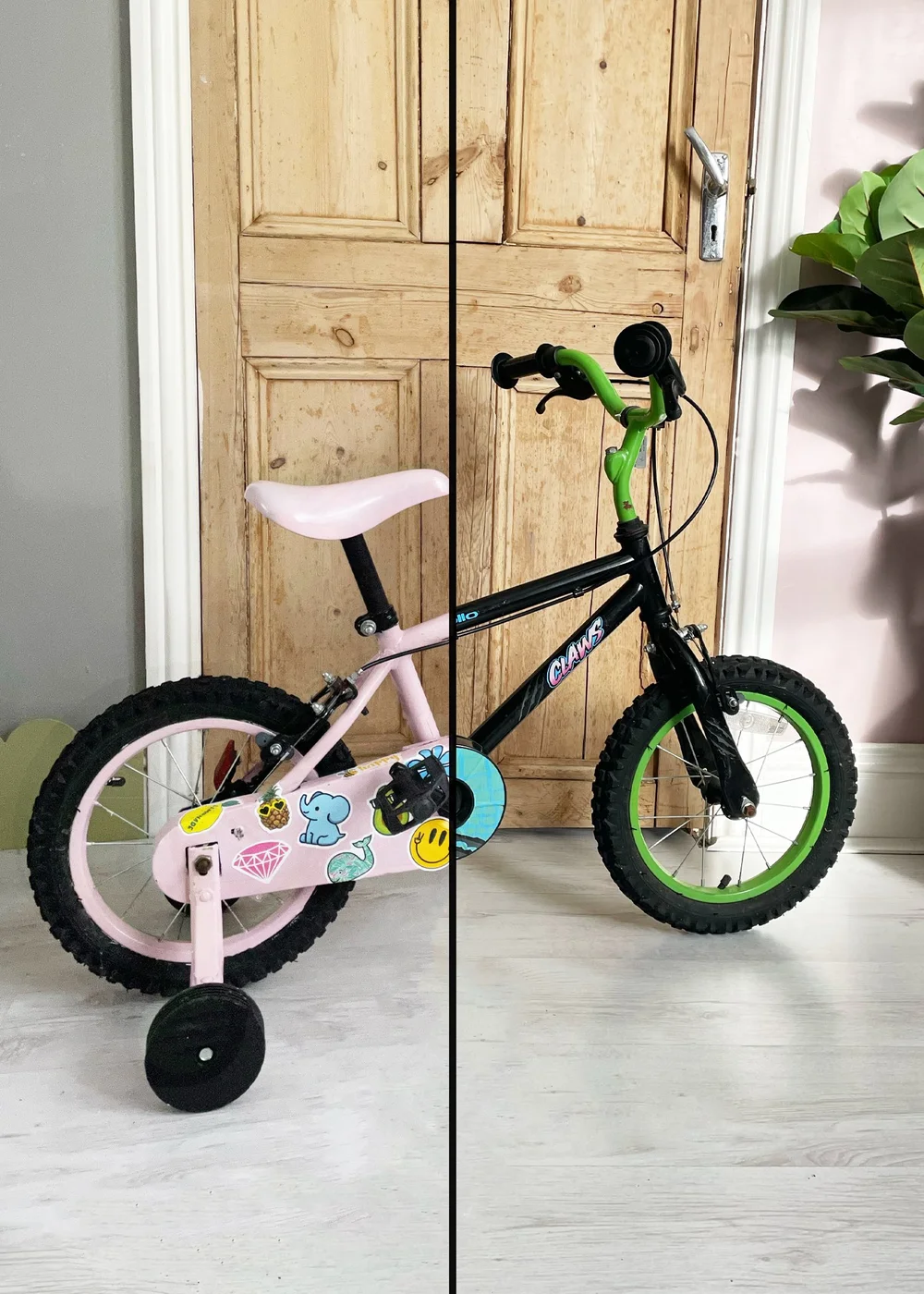
- Choose models with removable training wheels if your child is learning.
- Pick a bike with a lightweight frame for easier handling.
Adjustable parts let the bike grow with your child. This extends the bike’s use and keeps your child comfortable while riding.
Credit: www.hestershandmadehome.com
Types Of Kids’ Bikes
Choosing the right bike for your child is important. Different bikes fit different ages and skills. Knowing the types helps you pick the best one.
This guide explains popular kids’ bike types. Learn about balance bikes, training wheels, and mountain versus road bikes.
Balance Bikes For Beginners
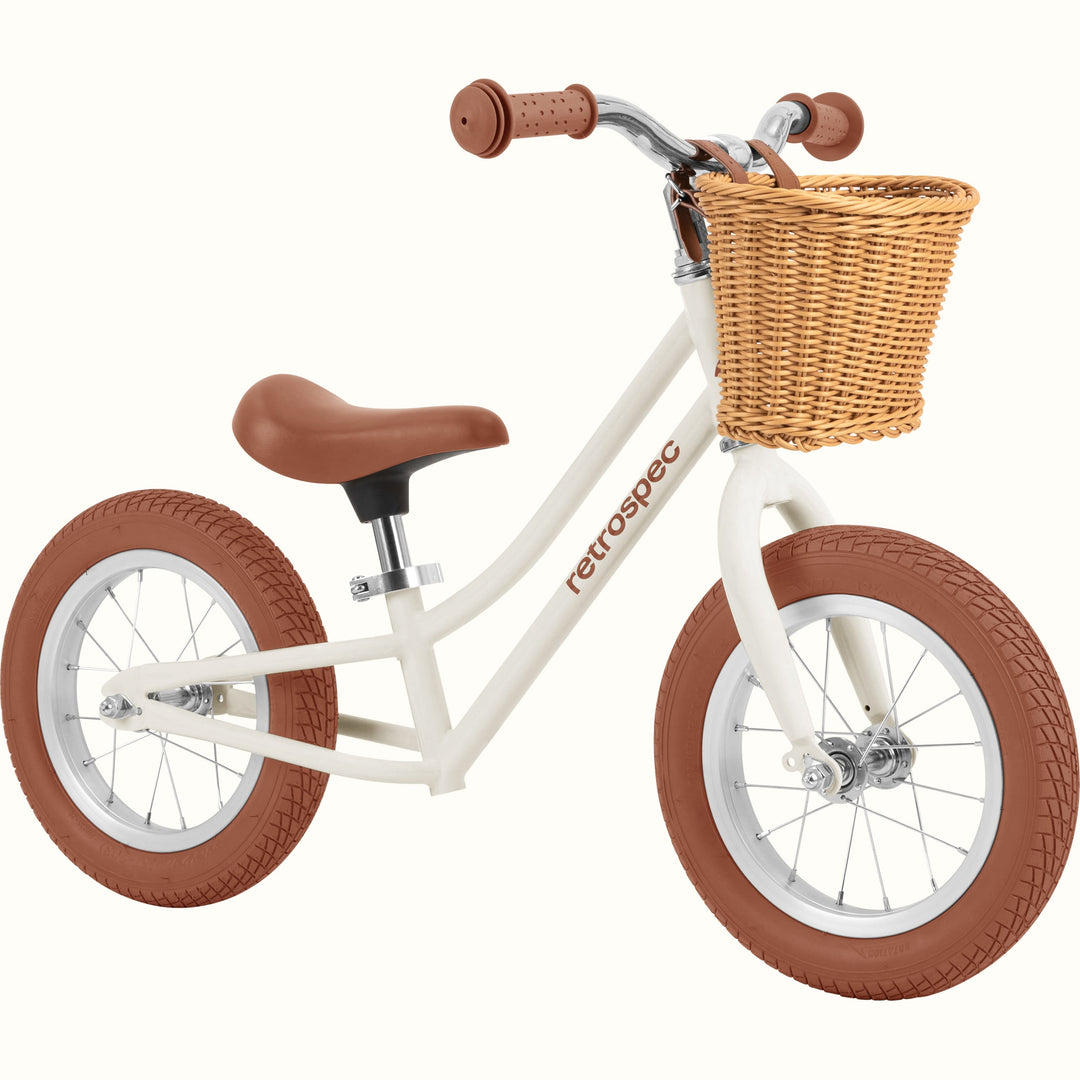
Balance bikes have no pedals. They help children learn to balance first. Kids push with their feet and glide, building confidence.
- Lightweight and easy to handle
- Good for toddlers aged 18 months to 5 years
- Helps develop balance and coordination
- Prepares kids for pedal bikes without training wheels
Training Wheels Vs. No Training Wheels
Training wheels give extra support to new riders. Some parents choose to skip them for faster balance learning.
| Feature | Training Wheels | No Training Wheels |
| Stability | High support | Requires balance |
| Learning Speed | Slower balance skill | Faster balance skill |
| Bike Types | Pedal bikes | Balance bikes or pedal bikes |
| Age Range | 3 to 7 years | 2 to 6 years |
Mountain Vs. Road Bikes
Mountain bikes suit off-road trails. Road bikes work best on paved surfaces. Choose based on where your child will ride most.
- Mountain Bikes:Wider tires, strong brakes, good for rough paths
- Road Bikes:Thin tires, lighter frame, made for smooth roads
- Comfort:Mountain bikes have upright seats; road bikes have a lean-forward style
- Speed:Road bikes are faster on pavement; mountain bikes are slower but more durable
Setting A Budget
Buying a kid’s bike on a budget means planning how much to spend. Setting a budget helps you find a bike that fits your price range and your child’s needs.
Think about how much you want to spend before you start looking. This stops you from overspending or buying a bike with too few features.
Average Price Ranges
Kid’s bikes come in many prices. Knowing the average price helps you choose the right bike for your budget.
| Price Range | Bike Type | Typical Features |
| $50 – $100 | Basic | Small size, simple design, limited gears |
| $101 – $200 | Mid-range | Better materials, more gears, safety features |
| $201 – $350 | High-end | Lightweight frame, advanced gears, good brakes |
Prioritizing Features Within Budget
Choose features that matter most for your child’s safety and comfort. Focus on quality parts first, then extras.
- Sturdy frame to last through rough use
- Good brakes for safe stopping
- Proper size to match your child’s height
- Comfortable seat and handlebars
Hidden Costs To Consider
The price of the bike is not the only cost. Some extra expenses can add up quickly after purchase.
- Helmet and safety gear to protect your child
- Bike lock to prevent theft
- Maintenance tools and parts for repairs
- Possible delivery or assembly fees
Credit: retrospec.com
Where To Shop For Deals
Buying a budget kids’ bike means finding the best deals. You can shop in many places. Each place has its own benefits for saving money.
Look for stores that offer discounts and good prices. Knowing where to shop helps you get a quality bike without spending too much.
Online Marketplaces
Online marketplaces have many options for kids’ bikes. You can compare prices easily. Some sites offer used bikes in good condition.
- Check reviews before buying
- Look for free shipping deals
- Watch for seasonal discounts online
- Compare prices from different sellers
Local Bike Shops
Local bike shops let you see the bike before buying. You can get advice from experts. Sometimes, shops offer price matches or small discounts.
| Benefit | Details |
|---|---|
| Test ride | Try the bike for fit and comfort |
| Expert help | Get advice on bike size and safety |
| Repairs | Local service and maintenance options |
| Price match | Some shops match competitor prices |
Seasonal Sales And Discounts
Seasonal sales help you buy bikes at lower prices. Look for deals during holidays or end-of-season sales. Discounts often appear in spring and fall.
- Check sales around major holidays
- Buy last year’s models for less
- Sign up for store newsletters to get alerts
- Visit stores during clearance events
Inspecting Quality On A Budget
Buying a kid’s bike on a budget means checking the bike’s quality carefully. A good bike lasts longer and keeps your child safe.
Look closely at the frame, parts, and safety features. Testing the bike before buying helps find the right fit and feel.
Checking Frame And Components
The bike frame should be sturdy and free of cracks or dents. Metal frames like steel or aluminum work well and last long.
- Check the welds on the frame for any gaps or rust.
- Look at the paint for chips or rough spots that show damage.
- Make sure the handlebars and seat post are secure and adjustable.
- Inspect the tires for good tread and no dry rot or cracks.
- Test that the pedals spin smoothly without wobbling.
Safety Features To Look For
| Feature | What to Check |
| Brakes | Both front and rear brakes should work well and stop the bike quickly. |
| Reflectors | Look for reflectors on wheels, pedals, and front and back of the bike. |
| Chain Guard | The chain should be covered to avoid clothes or fingers getting caught. |
| Helmet Fit | Make sure a properly fitting helmet is available or can be bought with the bike. |
Test Riding Tips
Let your child ride the bike to check comfort and control. Notice how easy it is to start, stop, and steer.
- Adjust the seat height so feet touch the ground lightly.
- Try riding on a flat surface to test balance and braking.
- Listen for strange noises like creaks or squeaks.
- Check that the child can reach the brakes and pedals easily.
- See if the bike feels stable and easy to handle.
Maintenance Tips To Save Money
Buying a budget kid’s bike means you want it to last long. Good maintenance helps keep the bike safe and working well.
Simple care and small repairs can save money over time. Learn what you can do yourself and when to ask for help.
Basic Bike Care
Keep the bike clean by wiping it down after rides. Check tire pressure often to avoid flats. Lubricate the chain to stop rust and noise.
- Clean frame and wheels with a damp cloth
- Pump tires to the right pressure listed on the tire sidewall
- Oil the chain once a month or after rain
- Check brakes for proper stopping power
- Tighten loose nuts and bolts
Diy Repairs
Some repairs are easy and save trips to the shop. Fixing a flat tire or adjusting brakes can be done at home with basic tools.
| Repair | Tools Needed | Tips |
| Fix a flat tire | Tire levers, patch kit, pump | Check tire for sharp objects before patching |
| Adjust brakes | Wrench, screwdriver | Make sure brake pads hit the rim evenly |
| Tighten chain | Wrench | Chain should have slight slack but not too loose |
When To Visit A Professional
Some problems need expert help. A bike shop can do tough repairs and safety checks you cannot do at home.
- Broken spokes or bent wheels
- Complex gear or brake adjustments
- Frame damage or cracks
- Regular safety inspections
Secondhand Bikes: Pros And Cons
Buying a used kid’s bike can save money and help the environment. It lets you get a bike at a lower price than new ones.
There are some risks with secondhand bikes. It is important to know what to look for before you buy.
Finding Reliable Used Bikes
Look for bikes sold by trustworthy people or stores. Check online marketplaces, local bike shops, or community sales.
- Ask for the bike’s history and reason for selling
- Check if the seller has good reviews or ratings
- See if the bike matches the child’s size and needs
- Test the bike if possible before buying
Assessing Condition And Safety
Check the bike carefully for wear and damage. Safety is very important for kids.
| Part | What to Check | Signs of Problem |
| Frame | Look for cracks or bends | Rust, dents, or cracks |
| Wheels | Spin wheels to see if they are straight | Wobbly or bent rims |
| Brakes | Test brakes to make sure they stop well | Loose cables or worn pads |
| Tires | Check for good tread and no cracks | Flat spots or dry rot |
| Handlebars | Make sure they turn smoothly | Stiff or loose movement |
Negotiating The Best Price
Be polite and clear when talking about price. Use what you found about the bike’s condition to ask for a fair deal.
- Compare prices of similar bikes online
- Point out any repairs the bike needs
- Offer a price lower than your maximum budget
- Be ready to walk away if the price is too high

Credit: www.reddit.com
Frequently Asked Questions
What Is The Ideal Bike Size For Kids?
Choose a bike size based on your child’s height and age. Measure their inseam to find the correct wheel size, usually between 12 to 20 inches. Proper sizing ensures comfort, safety, and ease of riding for your child.
How Much Should I Spend On A Kid’s Budget Bike?
A budget kid’s bike typically costs between $50 and $150. Focus on quality and safety features rather than brand names. Affordable bikes can still offer durability and good performance for beginners.
Which Features Matter Most In A Budget Kids’ Bike?
Look for lightweight frames, easy-to-use brakes, and adjustable seats. These features improve safety and comfort. Also, consider bikes with training wheels if your child is a beginner.
Where Can I Find Reliable Budget Kids’ Bikes?
Check local bike shops, online retailers, and secondhand marketplaces. Local shops offer expert advice, while online stores provide a wide selection. Always read reviews and compare prices before buying.
Conclusion
Choosing the right budget kid’s bike can be simple. Focus on quality and safety first. Check the bike’s size and fit for your child. Always compare prices and read reviews from other parents. Shop during sales for the best deals.
Consider buying from local stores to get personalized help. Buying a used bike can also be smart, just ensure it’s in good condition. Remember, the best bike is one your child loves and rides safely. Happy cycling adventures!



