
Are you ready to take your dirt jump bike skills to the next level? Before you hit the trail, proper preparation is key to making every jump smooth and safe.
Knowing how to prepare your bike trail can save you time, prevent accidents, and boost your confidence on every ride. You’ll discover simple, effective steps to get your dirt jump trail ready so you can focus on landing those perfect jumps.
Keep reading, and turn your trail into the ultimate playground for your bike!
Choosing The Right Trail
Picking the right dirt jump bike trail is key for a fun ride. The trail should match your skill and bike type.
Good trail choice helps you stay safe and enjoy the jumps. Learn what to look for before you ride.
Trail Terrain Types
Trail terrain affects how your bike moves and jumps. Different surfaces give different riding experiences.
Common trail terrains include dirt, gravel, and packed soil. Each type changes how you handle the bike.
- Dirt:Soft and natural, good for absorbing landings.
- Gravel:Loose stones, can be slippery and tricky to control.
- Packed Soil:Firm and smooth, offers fast riding and stable jumps.
Assessing Trail Difficulty
Check the trail difficulty before you start riding. Trails have different levels from easy to hard.
Look at jump sizes, trail length, and obstacles to judge difficulty. Choose a trail that fits your skill.
- Small jumps and smooth turns for beginners
- Medium jumps and some technical sections for intermediates
- Large jumps and complex features for experts
Local Trail Regulations
Follow local rules to keep trails open and safe. Rules help protect the environment and riders.
Check for trail permits, riding hours, and allowed bike types. Respect signs and closures to avoid problems.
- Some trails require a permit or fee
- Riding may be limited to certain hours
- Only certain bike types might be allowed
- Respect trail closures and maintenance days
Credit: www.bikemag.com
Essential Bike Setup
Preparing your bike for dirt jump trails is very important. It helps you ride safely and enjoy the jumps.
Check your bike before hitting the trail. Focus on suspension, tires, brakes, and gears for the best ride.
Suspension Adjustments
Set your suspension for smooth landings and control. Adjust the air pressure and rebound to fit your weight.
Soft suspension helps absorb bumps. Too soft can cause instability. Find a balance that feels right.
- Check the fork and shock air pressure
- Adjust rebound speed for quick recovery
- Test on small jumps before bigger ones
Tire Selection And Pressure
Choose tires with good grip and durability for dirt jumping. Wider tires offer better control on loose dirt.
Set tire pressure to balance grip and rolling speed. Lower pressure gives more grip but can cause pinch flats.
- Use tires designed for dirt jumps
- Keep tire pressure between 25-35 PSI
- Check pressure before every ride
Brake And Gear Checks
Brakes must work well for safety. Test both front and rear brakes before the ride.
Check gears for smooth shifting. Avoid slipping chains or stuck gears during jumps.
- Inspect brake pads for wear
- Adjust brake levers for comfort
- Lubricate and clean the chain
- Shift through all gears to test
Safety Gear Checklist
Dirt jump biking is exciting but can be risky. Wearing the right safety gear helps protect you from injuries.
This checklist covers important gear you need before hitting the trail. Focus on helmets, pads, and suitable clothing.
Helmet Options
Choose a helmet made for dirt jumping. It must fit snugly and cover your head well. Full-face helmets offer extra protection for your face and chin.
- Full-face helmet: protects face and head
- Open-face helmet: lighter, covers top and back of head
- Make sure the helmet meets safety standards
- Replace helmets after any crash or impact
Protective Pads
Pads protect your knees, elbows, and wrists from scrapes and breaks. Choose pads that fit well and allow movement.
| Pad Type | Purpose | Fit Tips |
| Knee Pads | Protect knees from impacts | Should stay snug without slipping |
| Elbow Pads | Shield elbows during falls | Not too tight to block movement |
| Wrist Guards | Support wrists and prevent fractures | Must fit securely under gloves |
Clothing And Footwear
Wear clothes that protect skin and allow air flow. Shoes should grip pedals firmly and protect your feet.
- Long-sleeve shirts and pants protect from scrapes
- Breathable fabrics keep you cool
- Sturdy shoes with flat soles improve pedal control
- Avoid loose clothing that can catch on the bike
Pre-ride Trail Inspection
Before dirt jumping, inspect the trail carefully. This helps you ride safely and enjoy the experience.
Checking the trail first can prevent accidents. Look for anything that might cause trouble.
Identifying Hazards
Look for obstacles like rocks, roots, and branches. These can cause you to lose balance or fall.
Notice any loose dirt or slippery spots. These make the trail harder to ride.
- Fallen branches or sticks
- Large rocks or roots
- Sharp edges or broken parts of the trail
- Wet or muddy areas
- Animals or insect nests
Jump And Landing Spot Analysis
Check the shape and size of jumps. Make sure they are safe and match your skill level.
Look at the landing area. It should be smooth and free of obstacles to avoid crashes.
- Clear takeoff ramps without loose dirt
- Landing spots with firm, even ground
- Enough space to slow down after landing
- Visibility of jumps from the trail start
Trail Surface Conditions
Check if the trail surface is dry or wet. Wet surfaces can be slippery and dangerous.
Look for loose gravel or sand that can reduce tire grip. Hard packed dirt is best for control.
- Dry, firm dirt for good traction
- Wet or muddy patches to avoid
- Loose gravel or sand that may cause slipping
- Roots or rocks sticking out of the surface
Warm-up Exercises
Warming up prepares your body for dirt jump bike trails. It reduces injury risk and improves performance.
Focus on stretching, bike handling, and cardio to get ready before riding.
Stretching Techniques
Stretching loosens your muscles and joints. It helps your body move smoothly on the trail.
- Do dynamic stretches like leg swings and arm circles.
- Focus on hips, legs, and lower back areas.
- Hold each stretch for 15 to 20 seconds.
- Avoid bouncing to prevent muscle strain.
- Stretch both sides evenly to keep balance.
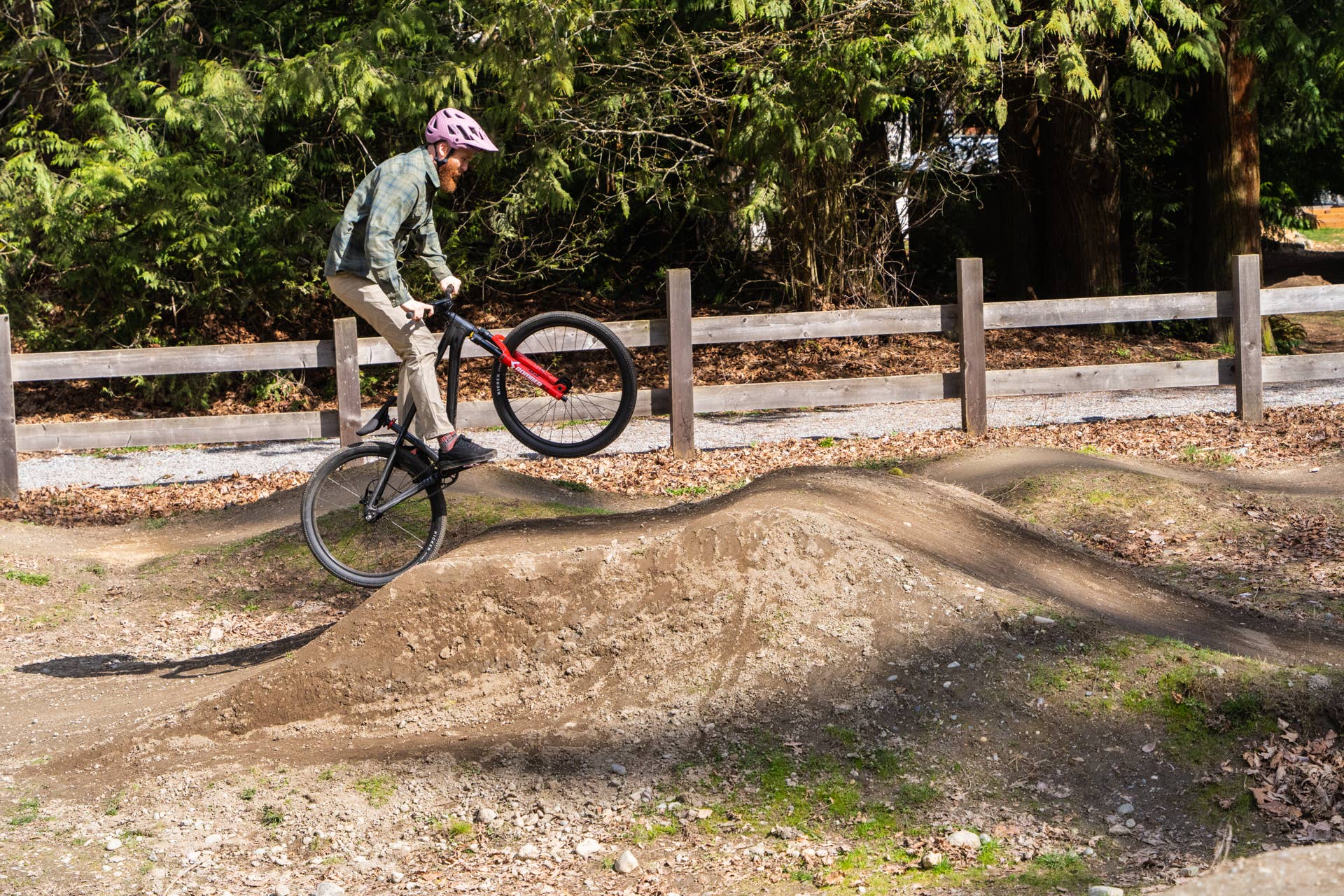
Bike Handling Drills
Bike handling drills improve your control and balance. Practice these off the trail before riding.
| Drill | Purpose | Duration |
|---|---|---|
| Track Stands | Balance and bike control | 1-2 minutes |
| Slow Riding | Improve balance at low speed | 3-5 minutes |
| Manuals | Front wheel control | 5 minutes |
| Track Turns | Steering and cornering | 3-5 minutes |
Cardio Preparation
Cardio exercises raise your heart rate. They prepare your lungs and muscles for trail riding.
- Start with light jogging or jumping jacks for 3 to 5 minutes.
- Do short sprints to increase intensity.
- Include quick feet drills to improve agility.
- Breathe deeply and steadily throughout.
Credit: medium.com
Trail Riding Techniques
Dirt jump biking needs good skills to ride safely. You must prepare well for the trail ahead. Riding smoothly helps you jump better and avoid falls.
This guide explains key techniques for dirt jump bike trails. Focus on approach and takeoff, control in the air, and landing strategies.
Approach And Takeoff
Ride straight and steady towards the jump. Keep your speed steady to control your jump better. Your body should be relaxed but ready to move.
As you near the takeoff, shift your weight slightly back. This helps lift the front wheel off the ground. Push down on the pedals to launch smoothly.
- Keep eyes focused on the jump
- Maintain a steady speed
- Shift weight back just before takeoff
- Push down on pedals to lift off
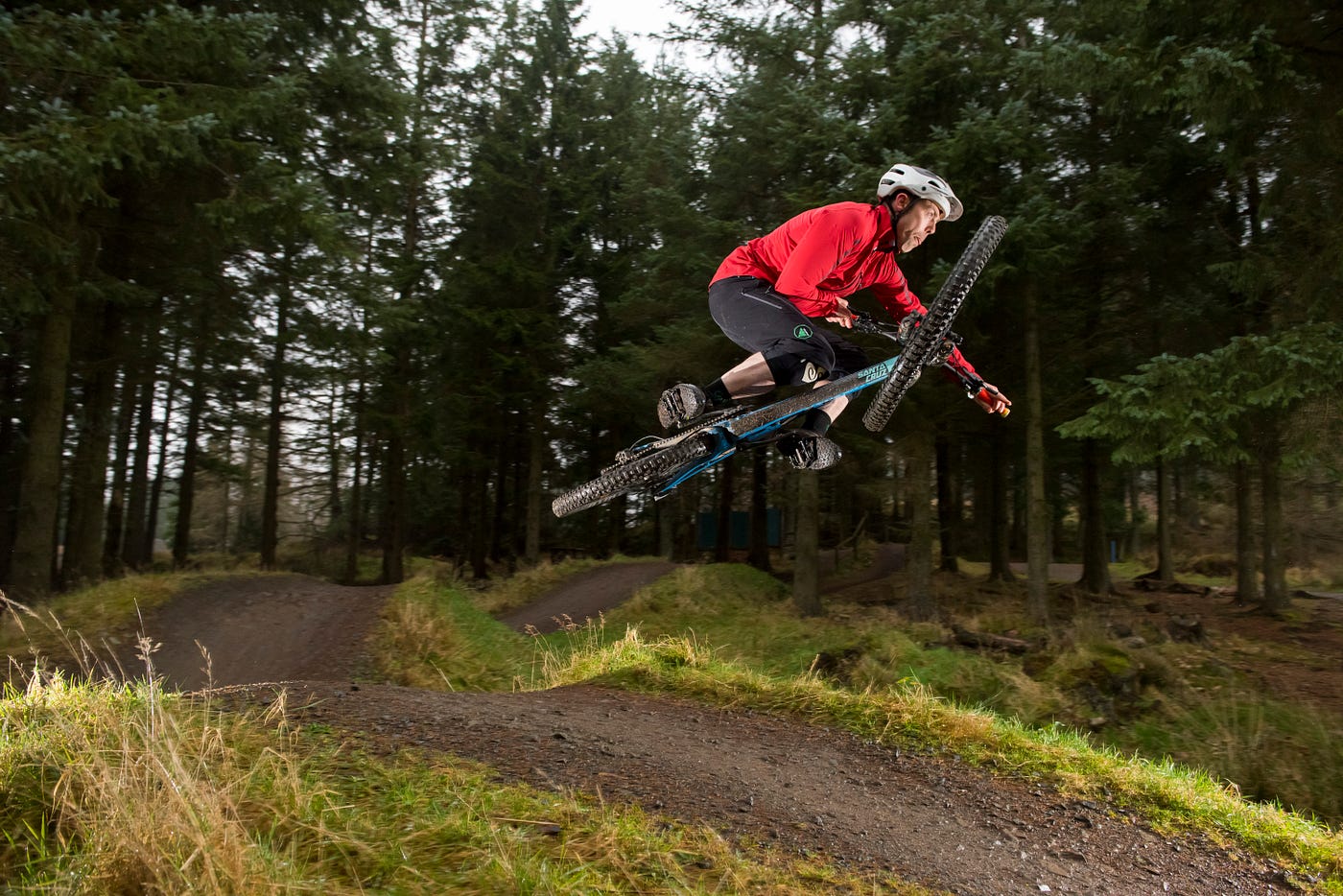
In-air Control
Stay balanced while in the air. Use your arms and legs to control the bike’s position. Keep your body centered over the bike.
Look ahead to plan your landing. Small adjustments help keep the bike stable. Avoid stiffening your body; stay flexible for better control.
- Keep eyes forward, not down
- Use arms and legs to adjust bike angle
- Stay relaxed and balanced
- Prepare for landing by watching the ground
Landing Strategies
Land with your wheels aligned to the trail. Absorb the impact with bent knees and elbows. This reduces shock to your body and bike.
Keep your weight centered over the bike during landing. Avoid leaning too far forward or backward. Ride away smoothly to keep control after landing.
- Align wheels with the landing surface
- Bend knees and elbows to absorb impact
- Keep body centered over the bike
- Ride away smoothly and controlled
Trail Maintenance Tips
Keeping a dirt jump bike trail in good shape helps riders stay safe. Regular care makes jumps last longer. It also keeps the trail fun for everyone.
This guide covers key ways to maintain your trail. You will learn about fixing jumps, stopping erosion, and involving the community.
Repairing Jumps
Check jumps often for cracks and holes. Use firm dirt to fill holes and pack it tightly. Shape the jump smooth after repairs. This helps keep the jump safe and smooth to ride.
- Remove loose dirt and debris
- Fill holes with fresh dirt
- Pack dirt firmly with a tamper or your bike tires
- Shape the jump to keep a smooth curve
- Let the jump dry before riding on it
Erosion Prevention
Erosion can damage trails and jumps. It happens when water washes dirt away. You can stop erosion by adding barriers and proper drainage. Planting grass or bushes near trails helps hold soil.
| Method | How It Helps |
| Drainage Ditches | Guide water away from jumps |
| Barriers | Block water from washing dirt away |
| Vegetation | Roots hold soil in place |
| Mulch | Protects soil surface from rain |
Community Involvement
Working with others helps keep trails great. Organize group cleanups and repairs. Share tips and tools. A strong community makes trail care easier and fun.
- Plan regular trail work days
- Invite local riders to help
- Teach new riders trail care basics
- Share tools and materials
- Respect the trail and nature

Credit: www.youtube.com
Frequently Asked Questions
What Equipment Is Needed For Dirt Jump Bike Trail Preparation?
Essential equipment includes a dirt shovel, rake, tamper, and wheelbarrow. Protective gloves and sturdy boots help ensure safety. These tools aid in shaping and compacting soil for smooth jumps and landings.
How To Choose The Right Location For Dirt Jump Trails?
Pick a dry, flat area with good drainage. Avoid rocky or overly soft ground. The site should allow enough space for jumps and safe landing zones.
How To Build Safe And Durable Dirt Jumps?
Start with a solid base using compacted dirt. Shape jumps with smooth takeoff and landing slopes. Regularly maintain and inspect jumps to prevent hazards.
What Soil Type Works Best For Dirt Jump Trails?
Clay-rich soil is ideal as it compacts well and holds shape. Avoid sandy or loose soils that erode easily. Proper soil ensures stable, long-lasting jumps.
Conclusion
Preparing a dirt jump bike trail is rewarding. Start with a plan. Clear the path and shape jumps carefully. Pack the dirt well for safety. Regular maintenance keeps trails in top shape. Invite friends to test the trail together. Share tips and enjoy the ride.
Practice makes you better each time. Remember, safety first always. Happy biking!



