
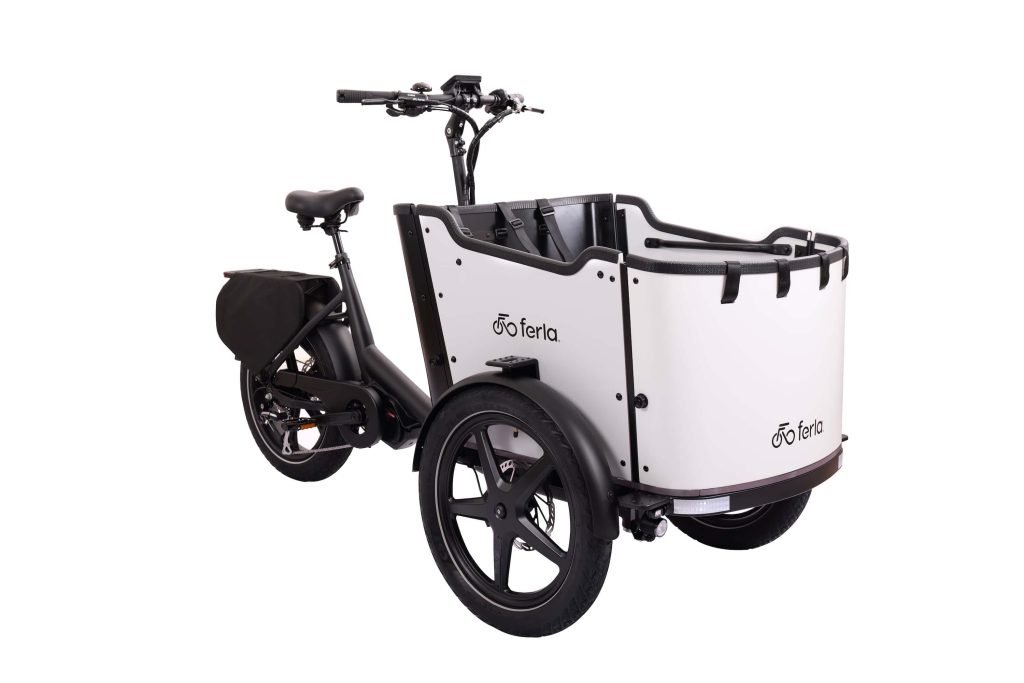
Have you ever wondered if adaptive bikes can be electric? If you rely on an adaptive bike, adding electric power could change everything about your ride.
Imagine going farther with less effort and feeling more confident on every trip. But is that possible? This article will explore how electric adaptive bikes work, what benefits they offer, and how they might fit into your lifestyle. Keep reading to discover if an electric boost is the right choice for you.
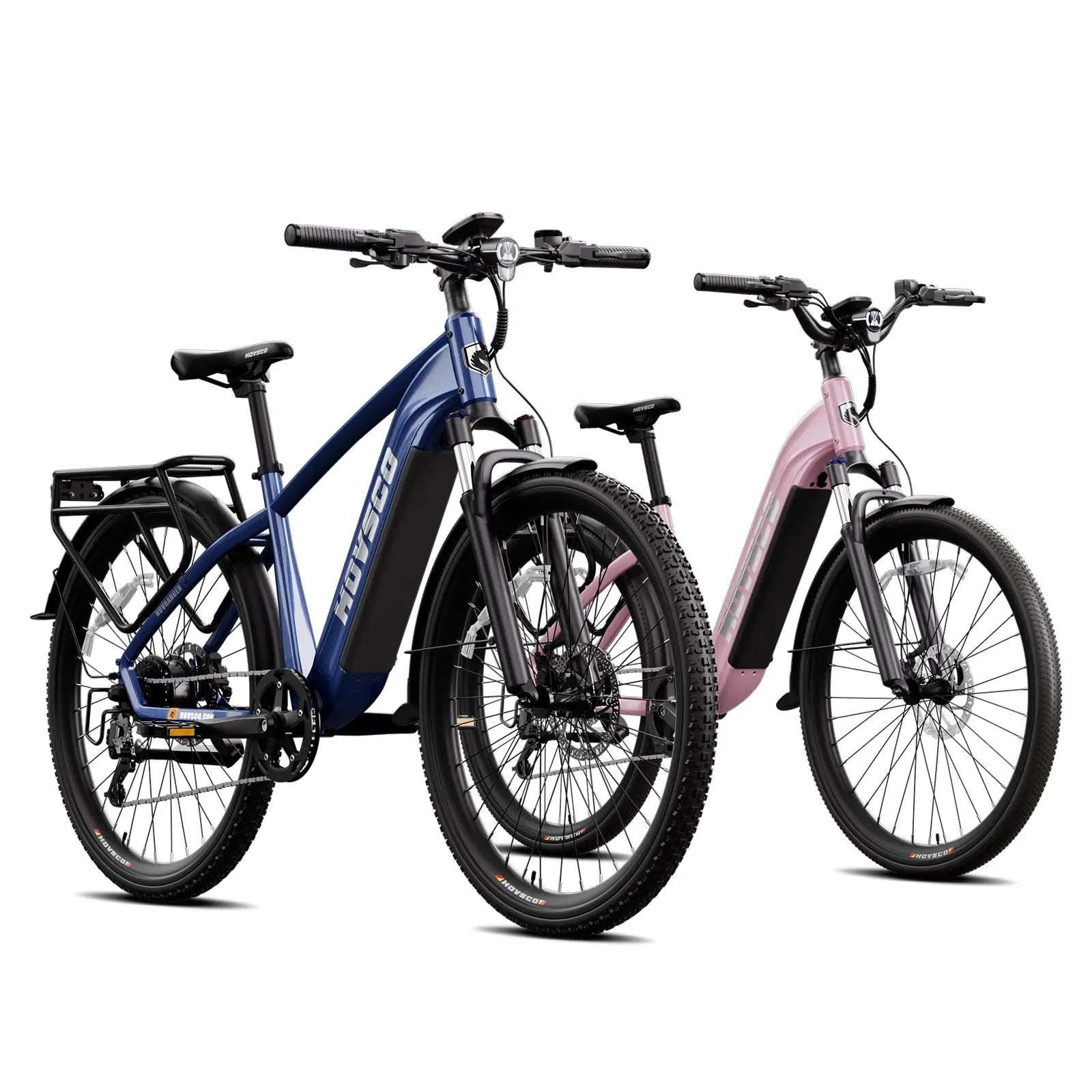
Credit: www.hovsco.com
Adaptive Bikes And Mobility
Adaptive bikes help people with different abilities enjoy cycling. They offer more freedom and improve mobility. Many riders choose them for exercise and fun.
Some adaptive bikes come with electric options. These electric bikes can make riding easier and longer for those who need extra support.
Types Of Adaptive Bikes
There are several types of adaptive bikes. Each type fits different needs and abilities. Some common types include:
- Tricycles with three wheels for balance
- Handcycles powered by hand cranks
- Tandem bikes for riders who need assistance
- Recumbent bikes with a reclined seating position
- Electric adaptive bikes that add motor power
Electric adaptive bikes can help riders go farther with less effort. They use batteries to assist pedaling, which is helpful for people with limited strength.
Challenges Faced By Riders
Riders of adaptive bikes face some challenges. These include physical, environmental, and equipment-related issues.
| Challenge | Description |
| Physical Limits | Limited strength or mobility can affect riding ability |
| Terrain | Uneven or rough surfaces make riding hard |
| Bike Size | Finding the right bike size and fit is important |
| Battery Life | Electric bikes need charging and may run out mid-ride |
| Cost | Adaptive bikes can be expensive to buy and maintain |
Electric Technology In Bikes
Electric bikes use technology to help riders pedal with less effort. They have motors and batteries that add power.
This technology makes biking easier and more accessible for many people, including those who ride adaptive bikes.
Basics Of Electric Bike Systems
Electric bike systems include a motor, battery, and controller. The motor helps push the bike forward. The battery stores energy to run the motor. The controller manages power flow between the motor and battery.
- Motor types: hub motors and mid-drive motors
- Battery types: lithium-ion is most common
- Controller: adjusts motor power based on pedal input
- Display: shows speed, battery level, and assist mode
Benefits Of Electrification
| Benefit | Description |
| Reduced effort | Electric assist makes pedaling easier, especially uphill |
| Increased range | Riders can travel longer distances without tiring quickly |
| More accessibility | People with limited mobility can enjoy biking |
| Better speed control | Electric systems help maintain steady speeds |
Merging Adaptive Bikes With Electric Power
Adaptive bikes help people with different physical needs enjoy cycling. Adding electric power makes these bikes easier to ride and more accessible.
Electric motors support the rider by giving extra power. This helps with hills and long rides, making cycling more fun and less tiring.
Design Innovations
Designers create adaptive electric bikes with new features to improve comfort and safety. They use lightweight materials to keep the bike easy to handle.
Electric parts are placed carefully to keep balance and stability. Controls are made simple so riders can use the bike without trouble.
- Lightweight frames for easy movement
- Low center of gravity for better balance
- Simple electric controls on handlebars
- Adjustable seats and pedals for comfort
Customization For Different Needs
Adaptive electric bikes come with options to fit many needs. Custom parts help riders with different abilities use the bike well.
Adjustable settings make the bike easier for each rider. This includes pedal assist levels, seat height, and handlebar positions.
- Multiple pedal assist levels for strength support
- Adjustable seating for comfort and posture
- Custom controls for hand or foot use
- Options for different wheel sizes and types
Impact On Daily Life
Adaptive bikes help many people move around more easily. Adding electric power changes how these bikes fit into daily life.
Electric adaptive bikes support users with less effort. They can make daily tasks smoother and quicker.
Enhancing Independence
Electric adaptive bikes let users travel longer distances without feeling tired. This helps people do more on their own.
- Go to work or school independently
- Run errands without asking for help
- Visit friends and family more often
- Enjoy outdoor activities and fresh air
- Build confidence through self-mobility
Expanding Accessibility
Electric adaptive bikes open new routes and places for users. They make hills and rough roads easier to cross.
| Feature | Benefit |
| Electric motor | Reduces physical strain |
| Adjustable controls | Fits different needs |
| Sturdy frame | Handles various terrains |
| Long battery life | Supports longer trips |
| Lightweight design | Easier to carry and store |
Future Trends
Adaptive bikes help people with different needs enjoy cycling. Adding electric power to these bikes is a growing idea.
Electric adaptive bikes can make riding easier and more fun. This trend is shaping the future of mobility.
Technological Advancements
New technology improves electric adaptive bikes every year. Batteries last longer and charge faster now.
Motors are lighter and more powerful. This helps riders go farther with less effort.
- Better battery life for longer rides
- Stronger, lighter motors
- Smart controls for easier handling
- Custom designs for different disabilities
Potential Market Growth
More people need adaptive bikes as awareness grows. Electric options attract even more users.
Manufacturers are making bikes for many needs. This creates a bigger market and more choices.
- Rising demand from older adults
- Interest from people with mobility challenges
- Support from healthcare and therapy groups
- More companies entering the market
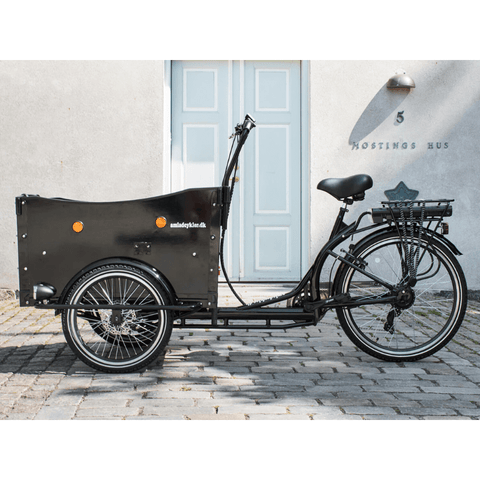
Credit: pedalandchain.co.uk
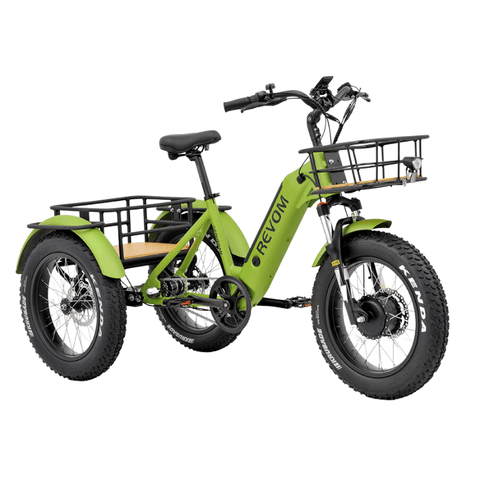
Credit: pedalandchain.co.uk
Frequently Asked Questions
Can Adaptive Bikes Be Converted To Electric?
Yes, many adaptive bikes can be converted to electric using compatible kits. This enhances mobility and ease for users with disabilities.
What Are The Benefits Of Electric Adaptive Bikes?
Electric adaptive bikes provide extra power, reduce fatigue, and improve independence for riders with limited strength or endurance.
Are Electric Adaptive Bikes Suitable For All Disabilities?
Electric adaptive bikes can be customized to suit various disabilities, but consultation with a specialist ensures the best fit and safety.
How Long Do Electric Adaptive Bike Batteries Last?
Battery life varies by model but typically lasts 20-50 miles per charge, depending on terrain and motor use.
Conclusion
Adaptive bikes can indeed be electric. They offer great benefits. Electric assistance helps tackle tough terrains. Riding becomes easier for everyone. Especially for those with physical challenges. These bikes enhance mobility and independence. They are more accessible now than ever.
The future looks promising for electric adaptive bikes. Their popularity is growing. People enjoy the freedom they provide. Embrace the change and explore the possibilities. Electric adaptive bikes are here to stay. They make biking fun and inclusive. Enjoy the ride with an electric boost.



