
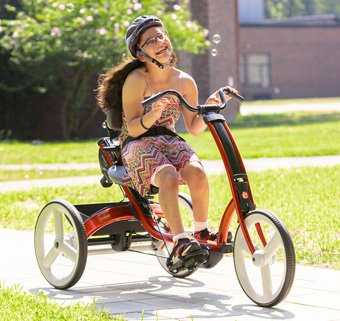
Keeping your adaptive trike clean is more important than you might think. When you take good care of your trike, it runs smoother, lasts longer, and stays safe for every ride you take.
But how do you clean it properly without causing damage? You’ll discover simple, step-by-step tips that anyone can follow to keep your adaptive trike looking and working like new. Ready to make your next ride easier and more enjoyable? Let’s get started.
Preparing Your Adaptive Trike
Cleaning your adaptive trike helps keep it working well. It also makes riding safer and more comfortable.
Before you start cleaning, get everything ready. This will make the process easier and faster.
Gathering Cleaning Supplies
Collect the right supplies before you clean your adaptive trike. This saves time and ensures a thorough job.
- Mild soap or bike cleaner
- Soft cloths or sponges
- Brushes for hard-to-reach areas
- Bucket with water
- Lubricant for moving parts
- Protective gloves
- Towels for drying
Safety Precautions
Safety is important when cleaning your adaptive trike. Take simple steps to avoid accidents and injuries.
- Wear gloves to protect your hands
- Work in a well-ventilated area
- Keep cleaning liquids away from your eyes
- Do not use high-pressure water on delicate parts
- Make sure the trike is stable before cleaning
- Check for sharp edges or loose parts
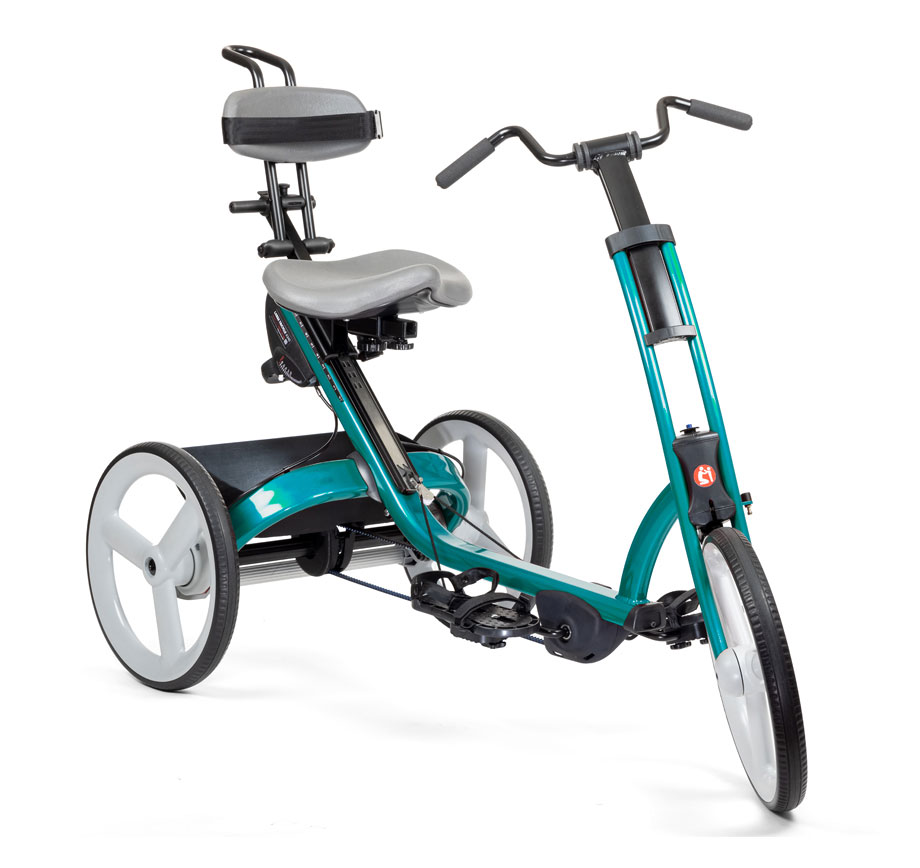
Credit: www.rifton.com
Cleaning The Frame And Body
Keeping your adaptive trike clean helps it last longer and work well. Dirt and dust can cause damage over time. Regular cleaning keeps the frame and body looking good and safe to use.
This guide explains how to clean the frame and body. Follow simple steps to remove dirt and wash properly without harming your trike.
Removing Dirt And Debris
Start by clearing loose dirt and debris from the trike. This prevents scratches during washing. Use soft tools to avoid damage.
- Use a soft brush to sweep off dust and dirt.
- Blow away debris from hard-to-reach spots with compressed air or a hand blower.
- Wipe mud and grime gently with a damp cloth.
- Check wheels and under the seat for stuck debris.
Washing Techniques
Use mild soap and water to wash the frame and body. Avoid strong chemicals that can damage paint or metal. Rinse well and dry to stop rust.
| Washing Step | Instructions |
| Prepare Cleaning Solution | Mix mild soap with warm water in a bucket. |
| Wash Frame | Use a soft sponge or cloth to clean all frame parts gently. |
| Rinse Thoroughly | Use clean water to rinse off soap and dirt completely. |
| Dry | Wipe frame dry with a clean towel to prevent rust. |
| Lubricate | Apply lubricant on moving parts after drying to keep them smooth. |
Maintaining The Wheels And Tires
Keeping the wheels and tires of your adaptive trike in good shape is important. Proper care helps your trike run smoothly and last longer.
Regular checks and cleaning protect the wheels from damage and wear. Follow simple steps to maintain them well.
Inspecting For Damage
Check the wheels and tires often for signs of damage. Look for cracks, cuts, or worn tread on tires. Also, examine the wheel rims for dents or bends.
- Look for flat spots or bulges on tires
- Check for loose or missing spokes
- Inspect the tire pressure and inflate if needed
- Examine the rims for dents or warping
- Listen for unusual noises when spinning wheels
Cleaning And Lubricating
Clean the wheels and tires regularly to remove dirt and debris. Use a soft brush and mild soap. Dry them well after washing.
| Cleaning Steps | Lubrication Tips |
| Remove loose dirt with a brush | Use lubricant on wheel bearings |
| Wash with mild soap and water | Avoid lubricating the tire surface |
| Dry thoroughly with a soft cloth | Apply lubricant sparingly to moving parts |
| Check for stuck debris and remove | Wipe off excess lubricant |

Credit: www.rifton.com
Caring For The Seat And Straps
Adaptive trikes need regular care to stay safe and comfortable. The seat and straps are key parts to check and clean often.
Good care helps the trike last longer and keeps riders secure. Simple cleaning and inspections can prevent problems.
Wiping Down Surfaces
Use a soft cloth and mild soap to wipe the seat and straps. This removes dirt and sweat that build up from use.
Do not use harsh chemicals or bleach. They can damage the materials and make them unsafe.
- Use warm water and mild soap
- Wipe gently to avoid wear
- Dry with a clean towel
- Clean regularly after heavy use
Checking For Wear
Look closely at the straps and seat for tears, cracks, or loose stitching. These signs show that parts may need repair or replacement.
Check the buckles and fasteners too. Make sure they work well and do not stick or break.
- Inspect straps for fraying or cuts
- Check seat padding for cracks or holes
- Test all buckles and clips
- Replace any damaged parts immediately
Cleaning The Handlebars And Controls
Adaptive trikes need regular cleaning to work well. The handlebars and controls are important parts to keep clean.
Dirt and grime can build up on these parts. Cleaning them helps you have better control and a safer ride.
Removing Grime
Grime can make the handlebars slippery and hard to use. Use a soft cloth and mild soap to clean the surfaces.
Wipe down the grips, brake levers, and gear shifters carefully. Avoid soaking them with too much water.
- Use a soft brush to remove dirt from tight spots
- Dry the parts completely after cleaning
- Check for sticky spots and clean again if needed
Ensuring Smooth Operation
Cleaning is not enough to keep controls working well. Check if levers and shifters move smoothly after cleaning.
Lubricate moving parts lightly if they feel stiff. Use a lubricant made for bike controls to avoid damage.
- Test brakes and shifters after cleaning
- Apply lubricant to pivot points and cables
- Wipe away extra lubricant to stop dirt build-up
Drying And Final Touches
Cleaning an adaptive trike is not complete without proper drying. Drying helps avoid rust and damage. Final touches make the trike look clean and fresh.
Pay close attention to drying methods and polishing. These steps protect the trike and keep it working well.
Proper Drying Methods
Use a soft cloth to dry the trike after washing. Avoid air drying to stop water spots and rust. Focus on metal parts and joints.
- Wipe the frame with a microfiber towel
- Dry chain and gears carefully
- Use a dry brush for hard-to-reach spots
- Check the seat and handles for moisture
Make sure the trike is fully dry before storing it. This prevents mold and keeps parts from wearing out early.
Polishing For Shine
Polishing adds a protective layer and improves the look. Use a polish made for metal or plastic parts, depending on your trike.
- Apply polish with a soft cloth
- Rub gently in circular motions
- Buff the surface to a shine
- Polish regularly to keep the finish fresh
Polishing helps prevent rust and scratches. It also keeps your adaptive trike looking neat and cared for.
Regular Maintenance Tips
Keeping your adaptive trike clean helps it last longer and work better.
Regular maintenance prevents damage and keeps your trike safe to use.
Establishing A Cleaning Schedule
Set a routine to clean your trike often. This keeps dirt and rust away.
- Clean the frame with mild soap and water weekly.
- Dry the trike fully after washing to avoid rust.
- Check and clean the chain and gears every two weeks.
- Inspect tires for dirt and debris monthly.
- Lubricate moving parts after cleaning to keep them smooth.
Storing Your Trike Properly
Store your trike in a dry, covered place to protect it from weather.
| Storage Location | Advantages | Tips |
| Garage | Protects from rain and sun | Keep floor clean and dry |
| Covered Porch | Good air flow | Use a weatherproof cover |
| Indoor Room | Safe from theft and damage | Keep away from heat sources |

Credit: device.report
Frequently Asked Questions
How Often Should I Clean My Adaptive Trike?
Clean your adaptive trike every two weeks for optimal performance. Regular cleaning prevents rust and keeps parts functioning smoothly. Wipe down the frame, chains, and wheels. Inspect for dirt buildup that can damage components over time. Frequent cleaning extends your trike’s lifespan and enhances safety.
What Cleaning Tools Do I Need For Adaptive Trikes?
Use a soft cloth, mild soap, water, and a brush. Avoid harsh chemicals that can damage the frame and components. A toothbrush helps clean small parts like gears. Use chain lubricant after cleaning to keep moving parts smooth. Proper tools ensure effective and safe cleaning.
Can I Use A Pressure Washer On Adaptive Trikes?
Avoid pressure washers as they can damage bearings and seals. High-pressure water may force dirt inside sensitive parts. Instead, use a gentle spray or a damp cloth. Hand cleaning protects your trike’s mechanical parts and prevents premature wear. Always dry the trike thoroughly after cleaning.
How Do I Clean The Adaptive Trike’s Chain Properly?
Apply degreaser to the chain and let it sit for a few minutes. Use a brush to scrub away dirt and old lubricant. Rinse with water and dry completely. Reapply bike-specific lubricant to prevent rust and ensure smooth operation. Regular chain care prevents wear and improves efficiency.
Conclusion
Cleaning adaptive trikes keeps them in great shape. Regular maintenance ensures long-lasting use. Start with a gentle wash using mild soap. Pay attention to tires and chains. Dry thoroughly to prevent rust. Lubricate moving parts for smooth rides. Store in a dry place to protect from weather.
Routine checks help spot issues early. Clean trikes also look appealing and inviting. Enjoy a smooth ride every time. Keep your trike clean, and enjoy the journey. Happy riding!



