
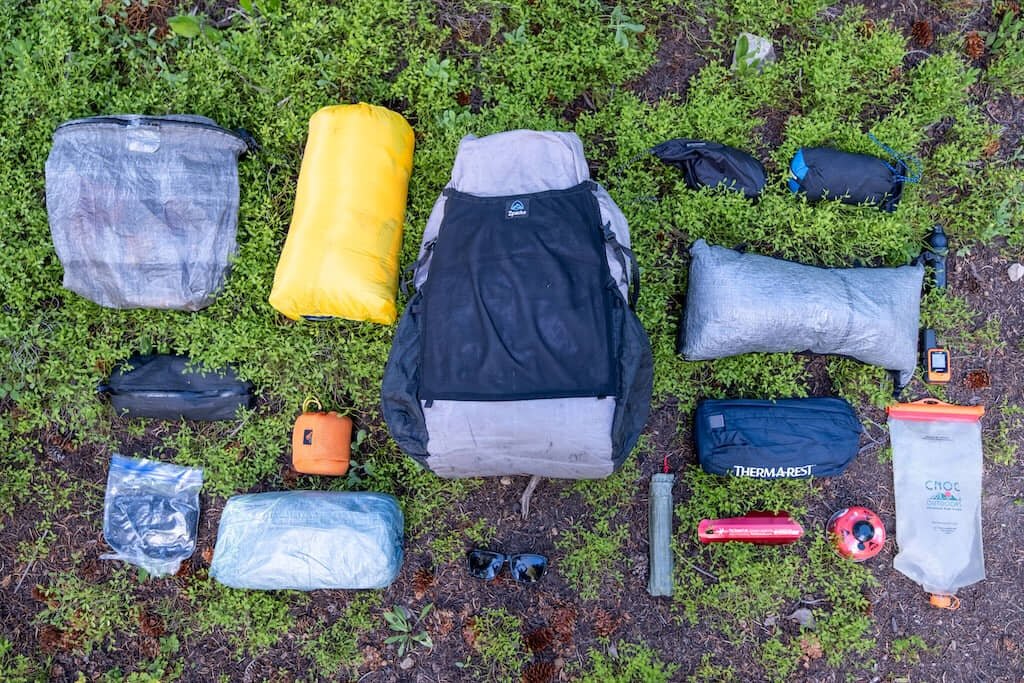
Packing for an ultralight bikepacking trip can feel overwhelming. You want to bring everything you might need, but carrying too much gear will slow you down.
What if you could pack smart and travel lighter without sacrificing comfort or safety? You’ll discover simple, effective ways to trim your gear to the essentials. By the end, you’ll know exactly how to pack less and ride farther, making your bikepacking adventure more enjoyable and stress-free.
Keep reading to unlock the secrets of ultralight packing that every rider should know.
Benefits Of Ultralight Bikepacking
Ultralight bikepacking means carrying less weight on your bike. It makes riding easier and more fun.
Packing light lets you go farther and enjoy the ride more. It also helps you stay safe and comfortable.
Easier Riding And Better Control
Light gear means your bike feels lighter. You can pedal faster and climb hills with less effort.
You will have better control on rough paths. Your bike handles well, making the trip safer.
Longer Distances With Less Fatigue
Less weight reduces how tired you feel. You can ride longer without hurting your body.
This helps you explore more places and enjoy your journey without stopping often.
Faster Setup And Pack Up
With fewer items, setting up camp is quick and easy. Packing up takes less time too.
You spend more time riding and less time managing your gear each day.
More Comfort On The Bike
Heavy loads can cause back and shoulder pain. Ultralight packing reduces this strain.
You feel more comfortable and can enjoy the scenery without pain or discomfort.
Easier To Handle Emergencies
Light gear allows you to move quickly if needed. You can get help or fix problems faster.
You stay safer because you are not slowed down by heavy bags or bulky items.

Credit: www.youtube.com
Choosing The Right Bike
Packing light for ultralight bikepacking starts with choosing the right bike. Your bike must be strong but not heavy.
The right bike helps carry minimal gear comfortably and safely on long rides.
Frame And Tire Considerations
Choose a frame made from light materials like aluminum or carbon fiber. These keep the weight down.
Pick tires that balance weight and durability. Wider tires offer comfort but weigh more.
- Aluminum frames are sturdy and affordable
- Carbon fiber frames are very light but cost more
- Tire width between 35mm and 45mm works well
- Tubeless tires reduce flats and save weight
Storage Options
Look for bikes with multiple mounting points for bags. This helps spread weight evenly.
Choose storage that fits your gear and keeps your bike balanced on rough roads.
- Frame bags fit inside the main triangle for weight balance
- Handlebar bags hold light but bulky items
- Saddle bags store clothes and sleeping gear
- Top tube bags keep snacks and tools easy to reach
Essential Gear Selection
Packing minimal gear is key for ultralight bikepacking. It helps you ride longer and faster.
Choose only what you need to stay safe and comfortable on the trail.
Lightweight Shelter
Pick a shelter that is small and light. It should protect you from rain and wind.
Look for tents or tarps made from strong, lightweight materials like silnylon or cuben fiber.
- Single-wall tents save weight
- Tarps need fewer poles and weigh less
- Choose quick setup shelters
- Consider shelters with good ventilation
Sleeping System
Your sleeping gear should be light but warm. It helps you rest well for the next ride.
Use a compact sleeping bag or quilt with a high warmth-to-weight ratio.
- Choose down or synthetic insulation
- Use an inflatable or foam sleeping pad
- Pick a small, packable pillow or use clothes
Clothing Choices
Wear clothes that dry fast and weigh little. Layers help adjust to changing weather.
Bring only essential clothing to save space and weight.
- Lightweight rain jacket and pants
- Breathable base layers
- Warm mid-layer like fleece
- Extra socks and underwear
- Gloves and hat for cold nights
Cooking And Food Supplies
Use small, light cooking gear to save weight. Choose foods that are easy to cook and carry.
Focus on high-energy, non-perishable items to keep you fueled.
- Compact stove with fuel canister
- Lightweight pot or pan
- Reusable utensils
- Freeze-dried or dehydrated meals
- Energy bars and nuts
- Water purification method
Navigation Tools
Carry simple tools to find your way. They should be reliable and easy to use.
Paper maps and a compass add security if electronics fail.
- GPS device or smartphone with maps
- Paper maps of your route
- Compass for backup
- Battery pack for charging devices

Credit: www.reddit.com
Packing Techniques
Packing minimal gear helps you ride faster and enjoy your trip more. Light packing lowers effort and makes your bike easier to handle. Good packing techniques keep your items safe and easy to reach.
Focus on how you carry weight, use your bags well, and reduce bulk. These tricks make your bikepacking trip simpler and more fun.
Distributing Weight
Spread your gear evenly to keep balance and control. Heavy items go low and near the bike’s center. This helps you steer and stay stable on rough trails.
- Place heavy gear in frame bags or near the bottom of seat packs.
- Keep lighter items in handlebar or top tube bags.
- Balance weight left and right if using panniers.
- Secure items tightly to avoid shifting while riding.
Using Bikepacking Bags Efficiently
Choose bags that fit your bike and gear well. Use each bag for specific items to stay organized. Keep things you need often in easy-to-reach bags.
| Bag Type | Best Use | Tips |
|---|---|---|
| Frame Bag | Heavy gear like tools and food | Fill frame space tightly for stability |
| Handlebar Bag | Light clothes and sleeping gear | Use waterproof liners to keep dry |
| Seat Pack | Clothing and compact items | Attach securely to avoid swinging |
| Top Tube Bag | Snacks and small tools | Easy access while riding |
Minimizing Bulk
Choose gear that packs small and light. Roll clothes instead of folding to save space. Use compression sacks for sleeping bags and clothes.
- Pick multi-use items to reduce gear count.
- Remove extra packaging before packing.
- Carry only what you need for your trip length.
- Test pack your gear to find the best fit.
Gear Maintenance On The Road
Keeping your gear in good shape is key for smooth ultralight bikepacking trips. Proper maintenance helps avoid breakdowns and saves time.
Focus on simple routines and carry essential tools. This approach keeps your setup light and reliable on the road.
Repair Kits
Carry a compact repair kit tailored to your bike and gear. It should have basics for quick fixes and adjustments.
- Spare tubes or patch kit for flat tires
- Multi-tool with Allen keys and screwdrivers
- Chain links and a chain tool
- Tire levers
- Small pump or CO2 inflator
- Zip ties and duct tape for temporary fixes
- Lubricant for the chain
Regular Checks
Check your bike and gear daily. This prevents small issues from becoming big problems.
| What to Check | Why | How Often |
| Tire pressure | Prevent flats and improve ride | Every morning |
| Brakes | Ensure stopping power | Daily |
| Chain condition | Keep it smooth and avoid breaks | Every day |
| Bolt tightness | Avoid loose parts | Daily |
| Gear shifting | Smooth shifting avoids damage | Daily |
Tips For Reducing Gear Weight
Packing light is key for ultralight bikepacking trips. Carrying less weight helps you ride faster and feel better. Choosing the right gear and materials makes a big difference.
Use smart strategies to cut down on what you bring. Focus on versatile items, light fabrics, and smart clothing choices.
Multi-purpose Items
Pick gear that works in many ways. This reduces the total items you need. A single item that does several jobs saves space and weight.
- A jacket that works as a rain shell and a windbreaker
- A bandana that serves as a face mask, towel, or sun shield
- A pot that can be used for cooking and as a bowl
- A multitool with knife, pliers, and screwdrivers
- Stuff sacks that double as pillow or storage
Ultralight Materials
Choose gear made from lightweight fabrics and materials. These items weigh less but still offer good strength and durability.
| Material | Weight | Use |
| Cuben Fiber | Very Light | Tents, tarps, bags |
| Titanium | Light | Cookware, bike parts |
| Dyneema | Very Light | Backpacks, stuff sacks |
| Merino Wool | Light | Clothing |
Clothing Layering Strategies
Layer clothes to adapt to different temperatures and weather. This way, you carry fewer clothes but stay comfortable.
- Base layer to wick sweat and keep skin dry
- Insulating layer for warmth, like a fleece or light jacket
- Outer shell to block wind and rain
- Wear clothes in multiple ways, such as a shirt that can be both warm and breathable
- Use lightweight gloves and hats to reduce bulk
Safety And Comfort Considerations
Packing light for ultralight bikepacking means carrying only what you need. You must balance safety and comfort carefully. This guide covers key points to keep you safe and comfortable on the road.
Focus on weather preparedness and emergency gear. These areas help protect you from bad weather and unexpected situations.
Weather Preparedness
Weather can change quickly during bikepacking trips. Prepare for rain, wind, and cold by choosing the right gear. Pack lightweight, compact items that keep you dry and warm.
- Waterproof jacket and pants
- Insulating layers like fleece or wool
- Breathable base layers to manage sweat
- Pack rain covers for bags and gear
- Quick-dry gloves and socks
Emergency Gear
Emergency gear is vital for safety on remote routes. Carry only essential items to keep pack weight low but be ready for common problems.
| Item | Purpose | Tip |
| First Aid Kit | Treat minor injuries | Choose a compact, pre-packed kit |
| Multi-tool | Repair bike parts | Include tire levers and patch kit |
| Emergency Blanket | Retain body heat | Very lightweight and small |
| Headlamp | Light source in dark | Use LED with extra batteries |
| Whistle | Signal for help | Small and easy to carry |

Credit: bikepacking.com
Sample Packing List
Packing light is key for ultralight bikepacking. Carry only what you need to save space and weight.
This list shows basic gear for a minimal ultralight trip. Adjust it to fit your trip length and weather.
Shelter And Sleep System
Choose a compact and lightweight shelter. A small tent or bivy sack works well.
Bring a thin sleeping pad and a light sleeping bag or quilt. These keep you warm without extra weight.
- Ultralight tent or bivy sack
- Lightweight sleeping bag or quilt
- Compact sleeping pad
Clothing
Pack clothes you can layer for different temperatures. Choose quick-drying and lightweight fabrics.
- 1 moisture-wicking base layer
- 1 lightweight insulating layer
- 1 waterproof jacket
- 2 pairs of socks
- Comfortable cycling shorts
Cooking And Food
Carry a small stove and fuel for simple meals. Use lightweight cookware to save space.
- Ultralight stove and fuel
- Small pot or cup
- Lightweight utensils
- High-energy food like nuts and dried fruit
- Water bottles or hydration pack
Bike Tools And Repair
Bring only essential tools to fix common issues on the trail. Keep them small and light.
- Mini pump or CO2 inflator
- Patch kit and spare tube
- Multi-tool with bike-specific tools
- Tire levers
Navigation And Safety
Use lightweight navigation devices or maps. Bring a small first aid kit for emergencies.
- GPS device or smartphone with maps
- Compact first aid kit
- Headlamp or small flashlight
- Emergency whistle
Common Mistakes To Avoid
Packing minimal gear for ultralight bikepacking can be tricky. Many riders carry too much or forget important items.
Avoiding common mistakes helps keep your load light and your trip safe and comfortable.
Overpacking Non-essential Items
Carrying things you do not need adds weight and slows you down. Many riders pack gear just in case.
Focus on items that serve multiple purposes and skip extras you rarely use.
- Leave behind duplicate tools or gadgets
- Choose lightweight, compact gear
- Plan meals to avoid carrying extra food
Ignoring Weather Conditions
Failing to check weather can lead to carrying wrong gear. Too much rain gear adds weight, but no rain gear causes discomfort.
Pack only what fits expected weather and terrain. A lightweight rain jacket is usually better than bulky gear.
Choosing Heavy Or Bulky Equipment
Heavy gear takes more energy to carry and can reduce riding speed. Bulky items make packing harder and messier.
Pick ultralight options and use compression sacks to save space. Think small and light.
- Use a lightweight tent or bivy sack
- Select compact sleeping bags and mats
- Carry multi-use tools instead of separate ones
Not Testing Your Gear Setup
Packing without trying your gear can cause problems on the road. You may find items hard to reach or poorly balanced.
Set up your bikepacking bags and test your load on short rides. Adjust gear placement and quantity before longer trips.
Forgetting Essential Repair Tools
Leaving behind key repair items can end your trip early. Ultralight packing should not mean skipping basics.
Carry simple tools like a patch kit, multi-tool, and spare tube. These add little weight but save big trouble.
- Patch kit for fixing flats
- Multi-tool with bike-specific functions
- Spare inner tube for quick replacement
Not Planning Food And Water Carefully
Bringing too much food or water adds weight. Too little causes hunger or dehydration.
Calculate how much you need based on distance and weather. Use lightweight food and refill water often.
Frequently Asked Questions
What Is Ultralight Bikepacking Gear?
Ultralight bikepacking gear focuses on carrying only essential, lightweight items. This approach reduces overall weight, increases efficiency, and improves comfort during long rides. Choosing compact, multi-use equipment helps maintain minimal load without sacrificing functionality or safety on your adventure.
How To Choose Minimal Gear For Bikepacking?
Select gear based on trip duration, climate, and terrain. Prioritize lightweight, compact, and multi-functional items. Avoid duplicates and unnecessary luxuries. Plan meals and water carefully to reduce food weight. Always test your setup to ensure comfort and practicality before departure.
Can Ultralight Packing Improve Bikepacking Experience?
Yes, ultralight packing enhances maneuverability and speed. It reduces fatigue and strain on your body. Carrying less weight allows for longer rides and easier handling. It also minimizes wear on your bike, making your overall adventure more enjoyable and efficient.
What Essentials To Pack For Ultralight Bikepacking?
Pack a lightweight tent or shelter, a compact sleeping bag, minimal clothing, basic tools, and first aid. Include hydration system, food, and navigation tools. Choose items that serve multiple purposes to keep your load minimal yet sufficient for safety and comfort.
Conclusion
Packing for ultralight bikepacking requires thoughtful planning. Focus on essentials only. Choose lightweight gear to ease your journey. Every item should have a purpose. Multi-use items save space and weight. Organize your pack efficiently. This makes accessing gear quick and easy.
Remember, less is more. Enjoy the freedom of traveling light. Embrace the adventure with minimal baggage. Your bikepacking experience will be rewarding. With these tips, you’re ready to explore. Happy trails and safe travels!



