
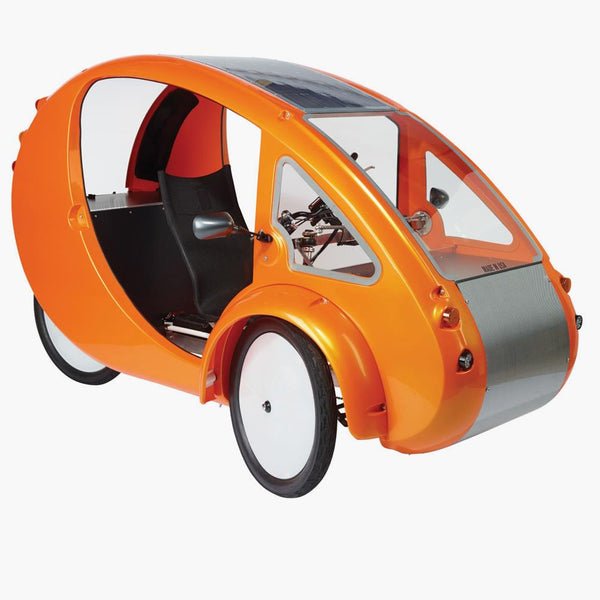
Have you ever wondered if velomobiles come with lights? Whether you’re thinking about buying one or already own a velomobile, knowing about its lighting system is important for your safety.
Lights aren’t just about seeing in the dark—they help others see you too. You’ll discover everything you need to know about velomobile lights, why they matter, and how they can keep you safe on the road. Keep reading to find out what’s inside your velomobile’s lighting setup and how you can make sure you’re visible anytime you ride.

Credit: www.youtube.com
Velomobile Lighting Basics
Velomobiles often have lights to keep riders safe. Lights help others see the velomobile at night.
Good lighting improves visibility and prevents accidents. Many velomobiles use different types of lights.
Types Of Lights On Velomobiles
Velomobiles use several types of lights. Each type has a special job for safety.
- Headlights to see the road ahead
- Tail lights to show the rear position
- Turn signals to indicate direction changes
- Reflectors to bounce light from cars
- Brake lights to warn when slowing down
These lights often run on batteries or the velomobile’s generator. Proper use of lights is very important.
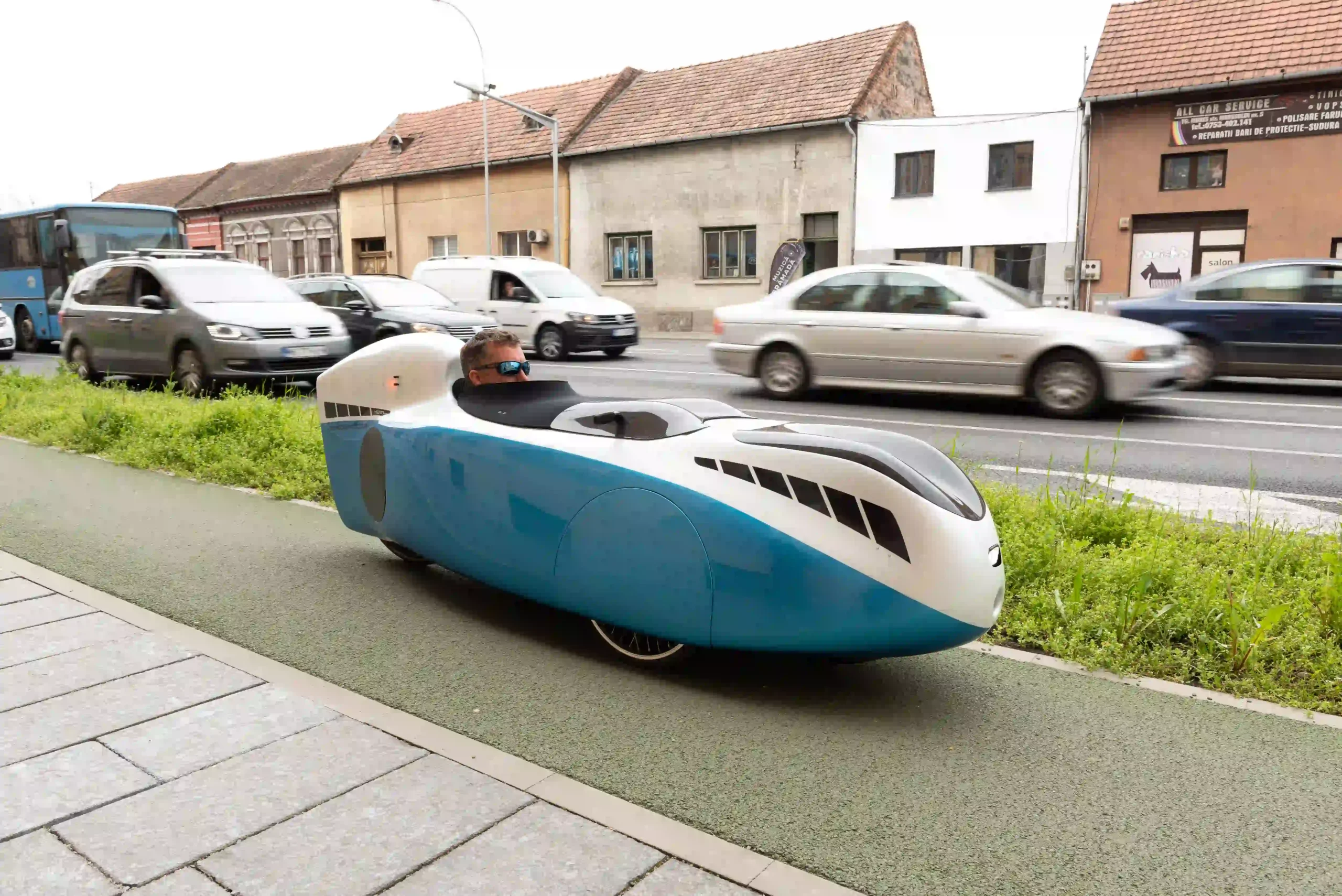
Front And Rear Lighting Standards
Front lights usually must be white or yellow. Rear lights are red to warn drivers behind.
Many places require velomobiles to have lights after dark. Laws help keep riders safe on roads.
- Front light: Bright and steady white or yellow
- Rear light: Bright red light visible from far away
- Reflectors on the sides and back
- Turn signals may be required in some areas
- Lights must be on when it is dark or foggy
Credit: www.velomobileworld.com
Safety Benefits Of Lights
Lights on velomobiles add a key safety feature. They help riders stay visible and alert others.
Using lights improves safety, especially in poor lighting or bad weather conditions.
Visibility In Low Light Conditions
Lights make velomobiles easier to see at dawn, dusk, or night. They also help in fog or rain.
- Front lights show the velomobile’s position ahead.
- Rear lights warn drivers from behind.
- Side lights or reflectors increase visibility from the sides.
- Bright lights reduce the risk of accidents in dark areas.
Improved Awareness For Other Road Users
Lights alert other road users about the velomobile’s presence and actions.
| Light Type | Purpose | Benefit |
| Headlight | Shows direction and position | Helps drivers see the velomobile |
| Brake Light | Indicates slowing or stopping | Prevents rear-end collisions |
| Turn Signals | Shows intended turns | Improves communication with drivers |
| Reflectors | Reflect light from other vehicles | Increases side visibility |
Common Lighting Setups
Velomobiles often use different lighting setups to stay visible and safe. Lights help riders see the road and be seen by others.
Many lighting options fit velomobiles, from battery-powered lights to reflectors. Each setup has its benefits and uses.
Battery-powered Led Systems
Battery-powered LED lights are common on velomobiles. They offer bright light and easy installation.
These lights run on rechargeable or replaceable batteries. Riders can use front and rear LEDs for good visibility.
- Bright and energy-efficient
- Easy to mount and remove
- Can have multiple light modes
- Need regular charging or battery changes
Dynamo-powered Lights
Dynamo lights get power from the motion of the wheels. They do not need batteries to work.
Dynamo systems give steady light as long as the velomobile moves. They are reliable for long rides.
- Powered by pedaling motion
- No need to charge or replace batteries
- Consistent light during movement
- Can add front and rear lights
Reflectors And Passive Lighting
Reflectors bounce light from other sources to make the velomobile visible. They do not need power.
Passive lighting like reflective tape adds extra safety. It works best with car headlights or streetlights.
- Do not require batteries or power
- Work by reflecting external light
- Used on wheels, frame, and rear
- Good backup to active lighting systems
Legal Requirements For Velomobile Lights
Velomobiles are human-powered vehicles that look like enclosed bicycles. They often need lights for safety and legal reasons. Laws about lights on velomobiles vary depending on the region.
Understanding the rules helps riders stay safe and avoid fines. Lights improve visibility in low light and bad weather.
Laws In Different Regions
Each country or state has different rules about lights on velomobiles. Some treat them like bicycles, while others see them as special vehicles.
- United States:Most states require a white front light and a red rear light at night.
- European Union:Requires white or yellow front lights and red rear lights. Reflectors may also be mandatory.
- Australia:Front white light and rear red light are needed when riding after dark.
- Canada:Similar to the U.S., white front light and red rear light are often required.
Check local laws before riding your velomobile. Some places also require reflectors or side lights.
Mandatory Vs. Recommended Features
Some light features are required by law. Other features are not required but improve safety.
- Mandatory Features:
- White front light visible from 500 feet
- Red rear light or reflector visible from 600 feet
- Reflectors on pedals or wheels in some regions
- Recommended Features:
- Side lights or reflectors for better visibility
- Flashing lights to attract attention
- High-lumen LED lights for brighter output
Following both mandatory and recommended features keeps riders safer in all conditions.
Additional Safety Features
Velomobiles often include extra safety features to help riders stay visible and alert. These features improve safety, especially in low light or busy traffic.
Many of these features focus on lighting and signals, as well as ways to make the vehicle more noticeable on the road.
Turn Signals And Brake Lights
Most modern velomobiles come with built-in turn signals and brake lights. These lights help show other drivers when you are turning or stopping.
- Turn signals flash to indicate direction changes
- Brake lights glow brighter when slowing down
- Some systems use battery power or rechargeable batteries
Horn And Audible Alerts
Velomobiles often have horns or other sound devices. These alerts warn pedestrians and drivers nearby of your presence.
| Type of Alert | Purpose |
| Electric horn | Quickly warns others of your approach |
| Bell | Signals politely in busy or shared spaces |
| Audible beep | Used for low-speed warning or reversing |
High-visibility Paint And Reflective Tape
Bright paint and reflective tape help others see velomobiles from far away. These features are especially useful at night.
- Fluorescent yellow
- Bright orange
- Neon green
Reflective tape is placed on edges and rear to catch headlights.

Credit: www.hammacher.com
Maintenance Tips For Lighting
Velomobiles often have built-in lights to improve safety. Keeping these lights working well is very important.
Regular care helps you see clearly and stay visible to others on the road.
Battery Care And Replacement
Check your velomobile’s light batteries often. Weak batteries cause dim lights or no light at all.
Replace batteries before they run out. Use the right type to avoid damage.
- Charge rechargeable batteries fully before use
- Store batteries in a cool, dry place
- Dispose of old batteries safely
- Keep spare batteries handy for long trips
Cleaning And Inspecting Lights
Clean light covers to remove dirt and dust. Dirty covers reduce light brightness.
Look for cracks or damage that can let moisture inside. Moisture can break the lights.
- Use a soft cloth and mild soap to clean covers
- Check light mounts to make sure they are tight
- Test lights regularly to ensure they work
Upgrading To Advanced Systems
Consider changing old lights to newer, brighter models. LED lights use less power and last longer.
Some advanced systems include automatic sensors that turn lights on in low light. These can improve safety without effort.
- Choose LED lights for better visibility
- Look for lights with longer battery life
- Check if new systems fit your velomobile
- Install lights that meet local safety rules
Frequently Asked Questions
Do Velomobiles Come With Built-in Lights?
Yes, many velomobiles feature built-in front and rear lights for safety. These lights improve visibility during low-light conditions and nighttime rides. However, the type and quality of lights vary by model and manufacturer. Always check specifications before purchase to ensure adequate lighting.
Are Velomobile Lights Legally Required?
Lighting laws for velomobiles vary by region. In many places, front white lights and rear red lights are mandatory after dark. Some areas also require reflectors or additional visibility aids. Always consult local traffic regulations to ensure compliance when riding a velomobile at night.
Can I Add Aftermarket Lights To A Velomobile?
Yes, you can install aftermarket lights on a velomobile. Many riders add extra LED lights for increased visibility and safety. Choose lights compatible with your velomobile’s power system or use battery-operated options. Proper placement enhances your visibility to other road users.
How Effective Are Velomobile Lights For Night Riding?
Velomobile lights are generally effective for night riding when properly installed. Bright front lights illuminate the road ahead, while rear lights alert drivers. Reflectors also enhance visibility. Combining lights and reflective gear maximizes safety during nighttime rides.
Conclusion
Velomobiles often come with built-in lights. These enhance safety during rides. Riders can see and be seen easily. Lights are essential for night and low-light conditions. They ensure visibility on the road. Choosing a velomobile with good lighting is wise.
Consider LED lights for better performance. They last longer and consume less power. Regular checks and maintenance keep lights working well. Safety should always be a priority. Always ensure your velomobile lights are functional. This simple step can make your ride safer.



