
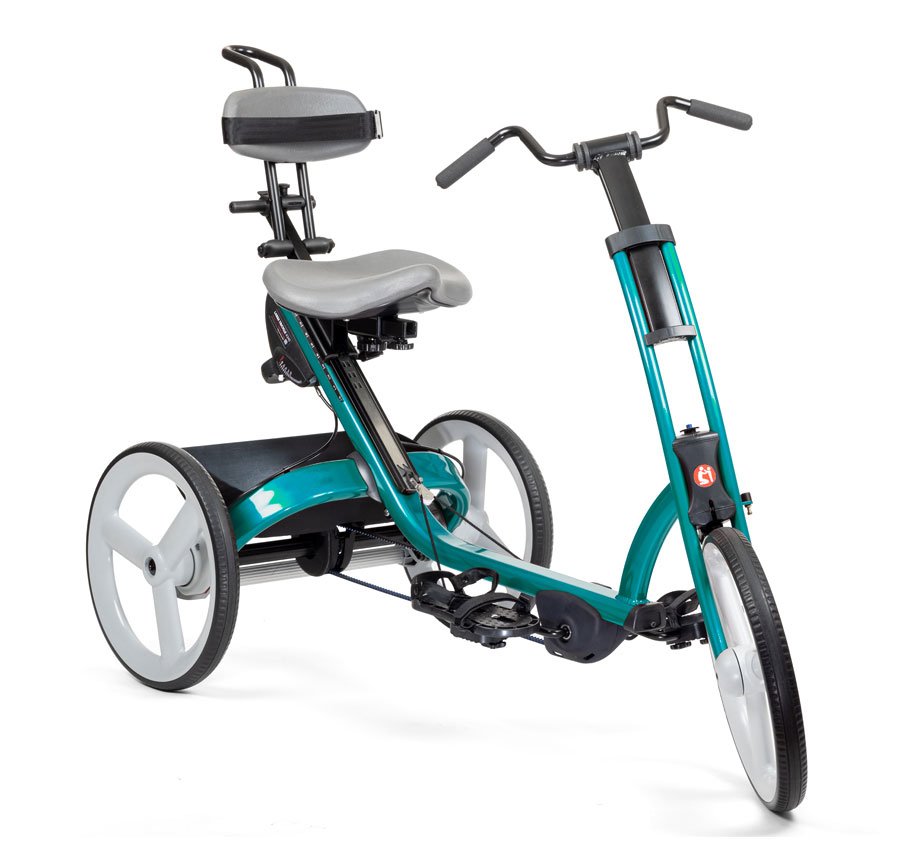
Are you looking for a way to enjoy biking but need a little extra support to get moving? Adaptive bikes might be just what you need.
These specially designed bikes open up new possibilities for people with different abilities, helping you experience freedom, fun, and fitness on two wheels. But with so many types available, how do you know which one fits you best? You’ll discover the main types of adaptive bikes and how each one can help you ride with confidence and comfort.
Keep reading to find the perfect match for your needs and start enjoying the ride!
Adaptive Bikes Basics
Adaptive bikes help people who need extra support when riding. They come in many styles to fit different needs.
These bikes make cycling easier and safer for those with physical challenges or balance issues.
What Makes A Bike Adaptive
Adaptive bikes have special features that differ from normal bikes. These features help riders with limited mobility.
- Extra wide seats for better support
- Three or four wheels for more stability
- Hand pedals for those who cannot use their legs
- Adjustable frames to fit different body sizes
- Special brakes that are easier to use
Who Benefits From Adaptive Bikes
Many people gain freedom and joy from adaptive bikes. They improve mobility and confidence.
| Group | How They Benefit |
| People with balance problems | More stable ride |
| Riders with leg disabilities | Hand pedal options |
| Children with developmental delays | Adjustable designs |
| Older adults | Extra support and comfort |
Types Of Adaptive Bikes
Adaptive bikes help people with different abilities enjoy cycling. These bikes come in many forms to fit various needs and preferences.
Each type offers unique features to support comfort and control. Understanding these types can help choose the right bike.
Handcycles
Handcycles use hand pedals instead of foot pedals. They are ideal for people who have limited or no use of their legs. Riders use their arms to power the bike, giving them great upper body exercise.
Tricycles
Tricycles have three wheels for extra stability. They are perfect for riders who need better balance. Some tricycles come with seats that offer good back support.
- Two wheels at the back and one in front
- Easy to mount and dismount
- Offers steady balance on uneven ground
- Can include features like baskets or storage
Tandem Bikes
Tandem bikes allow two people to ride together on one bike. They help riders who need assistance with pedaling or steering. The front rider usually controls the bike, while the back rider pedals.
Recumbent Bikes
Recumbent bikes have a reclined seating position. This design reduces strain on the back and neck. They are good for riders who need extra support and comfort.
| Feature | Benefit |
| Low seat | Improved stability |
| Reclined position | Reduced pressure on joints |
| Long frame | Better weight distribution |
Wheelchair Bikes
Wheelchair bikes attach a bike frame to a wheelchair. This setup lets wheelchair users cycle without leaving their chair. The bike part can have pedals or hand controls.
- Easy connection to many wheelchair models
- Allows outdoor movement and exercise
- Simple to detach when needed
Choosing The Right Adaptive Bike
Adaptive bikes help people with different abilities enjoy cycling. Picking the right bike is important for safety and fun.
There are many types of adaptive bikes. Knowing what to look for makes the choice easier.
Assessing Rider Needs
Think about the rider’s physical abilities and goals. Some riders need extra support or special controls.
Consider balance, strength, and comfort. These factors affect the style and features of the bike.
- Check if the rider can pedal or needs hand power
- Look for options with extra seat support
- Consider the rider’s height and weight
- Note any special control needs like brakes or steering
Considering Terrain And Usage
Think about where the bike will be used most. Different bikes suit different surfaces and rides.
Some bikes work well on smooth paths. Others are built for rough trails or hills.
- Choose lightweight bikes for easy riding on flat roads
- Pick strong frames for off-road or uneven terrain
- Look for wide tires for better grip on dirt or grass
- Consider if the bike will be used indoors or outdoors
Custom Vs. Off-the-shelf Options
Adaptive bikes come as ready-made models or custom-built for specific needs. Both have pros and cons.
Custom bikes fit the rider perfectly but may cost more and take time to build.
- Off-the-shelf bikes are quicker to get and usually less expensive
- Custom bikes offer tailored support and features
- Think about budget and how soon the bike is needed
- Consult with specialists for the best fit and advice

Credit: www.bikeradar.com
Key Features To Look For
Adaptive bikes help people with different needs enjoy cycling. Picking the right bike means checking its key features. This guide explains what to look for in adaptive bikes.
Focus on the frame, brakes, steering, comfort, and support. Each part affects safety and ease of use.
Frame Design And Materials
The frame holds the bike together and affects weight and durability. Aluminum frames are light and rust-resistant. Steel frames are strong but heavier. Look for frames that fit the rider well and offer easy access.
- Lightweight materials improve handling
- Strong frames increase safety
- Adjustable frames fit different sizes
- Low step-through frames ease mounting
Braking And Steering Systems
Good brakes and steering give control and safety. Hand brakes are common and easy to reach. Some adaptive bikes have pedal brakes or electronic systems. Steering should feel smooth and stable.
| Brake Type | Advantages | Disadvantages |
|---|---|---|
| Hand Brakes | Easy to use, quick response | Needs hand strength |
| Pedal Brakes | Good for leg control | Less common, slower response |
| Electronic Brakes | Minimal effort needed | Requires power source |
Comfort And Support
Comfort helps riders enjoy longer trips. Seats should be padded and adjustable. Backrests provide extra support. Handlebars must fit the rider’s reach. Footrests keep feet safe and steady.
- Adjustable padded seats reduce pressure
- Backrests improve posture and comfort
- Handlebars with grips prevent slipping
- Footrests stabilize legs and feet
Maintenance Tips For Adaptive Bikes
Adaptive bikes help many people enjoy cycling. To keep them safe and working well, regular care is important.
This guide explains how to check, repair, and store adaptive bikes properly.
Regular Inspection Checklist
Check your adaptive bike often. Look for loose parts or damage that can cause problems.
- Check tire pressure and inflate if needed
- Inspect brakes for wear and proper function
- Look over the frame for cracks or dents
- Test steering to ensure smooth movement
- Examine the seat and straps for damage
- Make sure pedals and chains move freely
Common Repairs
Some repairs happen often with adaptive bikes. Fix these quickly to keep the bike safe.
- Replace worn brake pads or cables
- Fix flat or damaged tires
- Tighten loose bolts and screws
- Lubricate the chain and moving parts
- Adjust seat height and positioning
- Repair or replace broken straps
Storage Recommendations
Store your adaptive bike in a safe place. Good storage helps keep it in top shape.
- Keep the bike indoors to avoid weather damage
- Use a bike cover to protect from dust and dirt
- Store the bike in a dry area to stop rust
- Keep tires off the ground if stored long time
- Remove batteries if your bike has electric parts

Credit: www.rifton.com
Where To Find Adaptive Bikes
Adaptive bikes help people with different abilities enjoy cycling. Finding the right bike is important for comfort and safety.
There are several places to look for adaptive bikes. Each option offers different types and support.
Specialty Retailers
Specialty retailers focus on adaptive and accessible bikes. They offer expert advice and customized options.
These stores often have trained staff to help choose the right bike. They may offer fitting services and test rides.
- Local adaptive bike shops
- Stores with accessibility focus
- Custom bike builders
Online Marketplaces
Online marketplaces have many adaptive bike choices. You can compare prices and models from home.
Look for detailed product descriptions and customer reviews. Some sites offer direct contact with sellers for questions.
- Major online retailers with adaptive bike sections
- Specialized online adaptive bike stores
- Secondhand marketplaces for used bikes
Community Programs And Grants
Community programs help provide adaptive bikes to those in need. They may offer loans or grants to cover costs.
Check local disability organizations or recreation centers. They often have information on programs and funding.
- Nonprofits offering adaptive bike loans
- Grants for purchasing adaptive equipment
- Local government support programs

Credit: www.mhw-bike.com
Frequently Asked Questions
What Are The Main Types Of Adaptive Bikes?
Adaptive bikes include handcycles, tricycles, tandem bikes, and recumbent bikes. Each type serves different mobility needs and abilities.
How Do Handcycles Benefit Adaptive Bike Users?
Handcycles use hand pedals, helping those with lower body disabilities to enjoy cycling and improve upper body strength.
Why Choose A Recumbent Adaptive Bike?
Recumbent bikes offer a reclined seating position, providing comfort and stability for users with balance or back issues.
What Makes Tandem Adaptive Bikes Unique?
Tandem bikes allow two riders to pedal together, ideal for visually impaired or those needing assistance from a partner.
Conclusion
Adaptive bikes offer various options for different needs. They ensure everyone can enjoy cycling. From handcycles to tandem bikes, choices are abundant. Each type serves a specific purpose. Riders gain independence and confidence. Selecting the right bike is essential for comfort.
Explore your options and consult experts. This ensures the best fit for your needs. Adaptive bikes transform cycling into an inclusive activity. Everyone can now experience the joy of riding. Embrace the freedom and fun adaptive bikes bring. Start your cycling journey today!



