
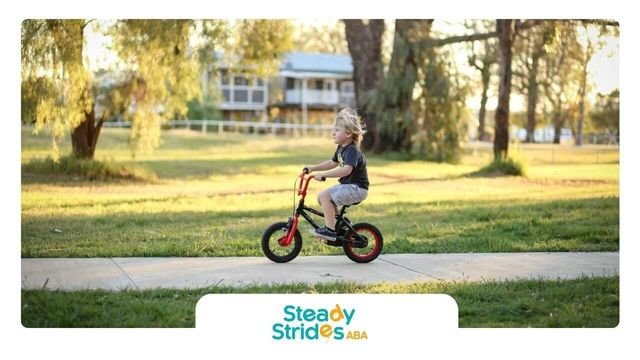
Choosing the right bike for someone with autism can feel overwhelming. You want a bike that’s safe, comfortable, and helps build confidence.
But with so many options out there, how do you know which adaptive bike is best for your needs? This guide will help you find the perfect match. You’ll discover which features matter most and how the right bike can make riding fun and rewarding.
Keep reading, and you’ll be one step closer to giving your loved one a great biking experience.

Credit: viribusbikes.com
Benefits Of Adaptive Bikes For Autism
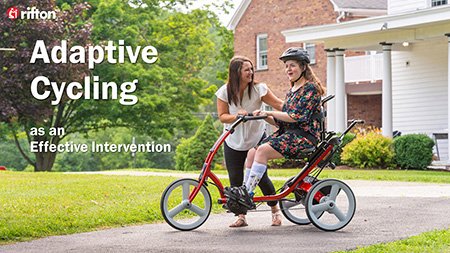
Adaptive bikes help children with autism enjoy riding safely. They offer many benefits that support growth and learning.
These bikes are designed to meet specific needs. They assist in building skills and confidence in a fun way.
Enhancing Motor Skills
Riding an adaptive bike helps improve balance and coordination. It strengthens muscles and develops fine motor skills.
- Improves hand-eye coordination
- Builds leg and core strength
- Supports better posture and control
- Encourages regular physical activity
Boosting Confidence And Independence
Adaptive bikes give children a sense of freedom. They help kids feel proud and more willing to try new things.
| Confidence Area | How Bikes Help |
| Self-esteem | Riding builds a sense of achievement |
| Social Skills | Encourages group play and interaction |
| Independence | Allows children to explore on their own |
Promoting Sensory Integration
Adaptive bikes provide sensory input that many children with autism need. They help the brain process touch and movement better.
Benefits of sensory input from adaptive bikes include:
- Calms anxiety and stress
- Improves focus and attention
- Enhances body awareness
- Supports better regulation of emotions
Credit: www.rifton.com
Key Features To Consider
Choosing the right adaptive bike for a child with autism means looking at features that support comfort and safety. These bikes help children enjoy riding while addressing their unique needs.
Understanding what to look for makes it easier to find a bike that fits well and is easy to use. Here are key features to think about before making a choice.
Adjustable Seating And Support
Adjustable seating helps the bike fit a child’s size and shape. Proper support keeps the rider comfortable and stable during rides.
Look for seats that can move forward, backward, up, or down. This allows for growth and changing needs. Supportive backrests and side supports help with balance.
- Adjustable seat height and depth
- Supportive backrest for posture
- Side supports for stability
- Soft, cushioned seating materials
Safety Mechanisms
Safety is very important for children with autism who use adaptive bikes. Bikes should have features that protect them from falls or accidents.
Check for strong brakes that are easy to use. Reflectors and bright colors make the bike more visible. Some bikes include harnesses to keep the child secure.
- Easy-to-use hand or foot brakes
- Safety harness or seat belts
- Reflectors or bright colors for visibility
- Stable design to prevent tipping
Ease Of Use And Maintenance
A good adaptive bike should be simple to operate and care for. This helps parents and caregivers manage it without trouble.
Look for bikes with clear controls and easy adjustments. The bike should also be made of durable materials that are easy to clean and fix if needed.
- Simple brake and steering controls
- Quick and easy seat adjustments
- Durable, easy-to-clean parts
- Accessible for regular maintenance
Top Adaptive Bikes For Autism
Adaptive bikes help children with autism enjoy riding safely. These bikes support balance, comfort, and social interaction.
Choosing the right bike can improve confidence and physical activity. Here are some great options to consider.
Tricycles For Stability
Tricycles offer three wheels for better balance. They reduce the risk of falling and help build coordination.
- Wide base for steady support
- Easy to pedal and control
- Good for beginners learning to ride
- Can include baskets for carrying items
Recumbent Bikes For Comfort
Recumbent bikes have a reclined seat that supports the back. They reduce strain on joints and muscles.
| Feature | Benefit |
| Reclined seat | Improves comfort during rides |
| Low center of gravity | Enhances stability |
| Easy to reach pedals | Reduces effort for pedaling |
| Backrest support | Helps maintain good posture |
Tandem Bikes For Guided Riding
Tandem bikes allow two riders to pedal together. They give a chance for guided riding and social connection.
- Adult can assist with steering and pedaling
- Builds trust and communication
- Encourages teamwork and cooperation
- Suitable for riders at different skill levels
Customization Options
Adaptive bikes for autism offer many ways to fit individual needs. Custom choices help riders feel safe and enjoy biking.
Families and therapists can select parts and settings that match sensory and physical preferences.
Tailored Accessories
Accessories make bikes more comfortable and supportive. Many options improve balance, safety, and fun.
- Extra wide seats for better stability
- Adjustable handlebar grips for easy reach
- Supportive backrests to help posture
- Storage bags for personal items
Adaptive Controls
Controls change how the bike moves and stops. Different control types suit different abilities.
| Control Type | Description | Benefit |
|---|---|---|
| Hand brakes | Brakes operated by hand levers | Easy to reach and use |
| Foot pedals with straps | Secure feet on pedals | Improves pedaling power |
| Single-speed gear | Simple gear without shifting | Less confusing for rider |
Sensory-friendly Modifications
Sensory changes help reduce discomfort. These modifications support focus and calmness.
- Soft padded seats to reduce pressure
- Quiet tires to lower noise
- Color choices that avoid bright or flashing lights
- Handle grips with textured surfaces for better touch
Tips For Choosing The Right Bike
Choosing the right adaptive bike for a rider with autism can make a big difference in their comfort and safety. It is important to think about the rider’s unique needs before making a choice.
This guide offers tips to help pick a bike that matches the rider’s abilities and preferences. Consider expert advice and budget limits as well.
Assessing The Rider’s Needs
Start by looking at the rider’s physical and sensory needs. Some riders may need extra support or stability. Others might benefit from bikes with special seating or easy controls.
- Check balance and coordination skills
- Note any sensory sensitivities
- Consider the rider’s size and strength
- Think about how long the rider will use the bike
- Look for features that improve comfort and safety
Consulting Therapists And Experts
Therapists and specialists can give valuable advice on which bike suits the rider best. They understand the rider’s needs and can recommend helpful features or adjustments.
| Expert Type | Role |
| Occupational Therapist | Recommends bike adaptations for sensory and motor needs |
| Physical Therapist | Assesses strength and balance for bike safety |
| Bike Specialist | Offers options for adaptive bike models and custom fittings |
Budget Considerations
Adaptive bikes can vary in price. It is important to find a bike that fits your budget but still meets the rider’s needs. Some bikes offer good value without extra features.
- Set a clear budget before shopping
- Compare prices from different suppliers
- Check if insurance or programs cover part of the cost
- Look for used or refurbished bikes with good condition
- Balance cost with safety and comfort features

Credit: www.sixthreezero.com
Encouraging Regular Use
Adaptive bikes can help children with autism enjoy outdoor activities. Regular use builds strength and confidence. It also improves coordination and focus.
Setting habits around bike use makes it easier for children to join in. Consistency helps them feel safe and motivated to ride often.
Creating A Routine
Routines give children with autism a sense of control. Schedule bike time at the same time each day or week. This helps the child know what to expect.
Include simple reminders before bike rides. Use visual schedules or timers to support understanding and reduce anxiety.
Incorporating Fun Activities
Fun makes children want to ride their adaptive bikes more. Add games like obstacle courses or treasure hunts. Play music or use colorful cones to keep interest high.
- Set up small races with family members
- Use bubbles or balloons to chase
- Have themed rides, like nature walks
Building Social Opportunities
Riding with peers helps children practice social skills. Join local bike groups or parks where other kids ride. Encourage sharing and taking turns during rides.
Positive social experiences make bike riding more enjoyable. It also boosts the child’s confidence and desire to ride regularly.
Frequently Asked Questions
What Types Of Adaptive Bikes Suit Children With Autism?
Adaptive bikes with extra stability, like tricycles or bikes with training wheels, are ideal. They help improve balance and coordination safely for children with autism.
How Do Adaptive Bikes Benefit Autistic Riders?
They enhance motor skills, boost confidence, and encourage outdoor activity. Adaptive bikes also promote sensory integration and physical exercise tailored to unique needs.
Are Electric Adaptive Bikes Good For Autism?
Yes, electric adaptive bikes provide controlled assistance. They help children with limited strength or endurance enjoy longer rides comfortably and safely.
What Features Make An Adaptive Bike Autism-friendly?
Features like adjustable seats, wider tires, and easy-to-use brakes are essential. Sensory-friendly designs and sturdy frames ensure comfort and safety for autistic riders.
Conclusion
Choosing the right adaptive bike for autism can enhance life significantly. These bikes offer a sense of freedom and fun. They cater to various needs, ensuring comfort and safety. Parents and caregivers can find peace of mind in their sturdy designs.
Remember, every child is unique. Trial and error might be necessary to find the perfect fit. Engage with professionals and communities for advice. Their insights can guide you to the best options. Investing in a suitable adaptive bike can promote joy and independence.
Always prioritize comfort and personal preferences. Your child’s smile will be worth it.



