
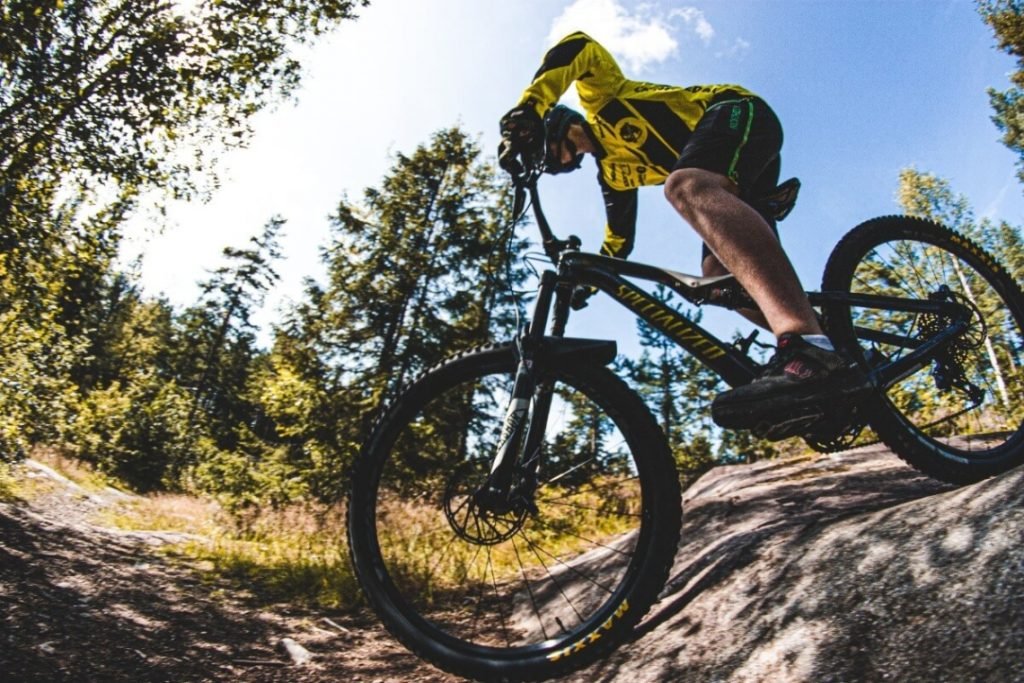
If you love dirt jumping, you know that your bike’s tire pressure can make or break your ride. Too much air, and you risk losing control on landings.
Too little, and you might face pinch flats or sluggish handling. Finding the perfect tire pressure isn’t just about numbers—it’s about how your bike feels and performs every time you hit the dirt. You’ll discover simple tips to dial in your dirt jump bike tire pressure so you can jump higher, land smoother, and ride with confidence.
Ready to boost your ride? Let’s get started.

Credit: www.vitalmtb.com
Choosing The Right Tire Pressure
Setting the right tire pressure is key for dirt jump bikes. The right pressure helps with control and comfort.
Too much or too little air can cause problems on the track. Knowing how to adjust pressure is important.
Factors Affecting Tire Pressure
Tire pressure depends on the rider’s weight and riding style. Heavier riders need more pressure to avoid pinch flats.
Trail conditions also matter. Softer dirt calls for lower pressure for better grip, while hard surfaces need higher pressure.
- Rider weight
- Trail type and surface
- Bike and tire type
- Weather and temperature
Recommended Pressure Ranges
Dirt jump bike tires usually work best between 25 and 40 PSI. This range balances grip and rolling speed well.
Start near 30 PSI and adjust depending on how the bike feels. Lower pressure gives more traction but risks pinch flats.
| Rider Weight | Pressure Range (PSI) |
|---|---|
| Under 150 lbs (68 kg) | 25 – 30 |
| 150 – 200 lbs (68 – 91 kg) | 28 – 35 |
| Over 200 lbs (91 kg) | 33 – 40 |
Tire Width And Its Impact
Wider tires hold more air and can run at lower pressures. This helps with shock absorption on jumps.
Narrow tires need higher pressure to avoid pinch flats. Wider tires offer more grip but can feel slower.
- Wide tires: lower pressure, better cushioning
- Narrow tires: higher pressure, faster rolling
- Choose tire width based on your riding needs

Credit: localfreshies.com
Adjusting Pressure For Terrain
Setting the right tire pressure is key for dirt jump biking. Different terrains need different pressures. The right pressure helps control and comfort.
Lower pressure gives better grip, while higher pressure reduces rolling resistance. Let’s look at how to adjust pressure for common terrains.
Soft Dirt And Loose Surfaces
Soft dirt and loose surfaces make tires sink and slip easily. Lower pressure helps tires dig in and grip better. This prevents sliding and falls.
Too low pressure can cause tire damage or rim hits. Find a balance to stay safe and stable on soft ground.
- Reduce pressure by 5-10 psi from your normal setting
- Check tire sidewalls for pinch flats
- Adjust pressure after test rides
Hardpacked Trails
Hardpacked trails are firm and smooth. Higher tire pressure helps reduce rolling resistance. This means faster rides and easier jumps.
Too much pressure lowers grip and control. Aim for a pressure that balances speed and traction on hard surfaces.
- Increase pressure by 5 psi over your soft surface setting
- Keep tires firm but not rock hard
- Test handling and adjust as needed
Wet And Muddy Conditions
Wet and muddy trails are slippery and tricky. Lower pressure helps tires grip the soft, slick ground. This improves control and safety.
Watch for too low pressure that can cause tire damage. Check tires often and adjust pressure as the trail changes.
- Drop pressure by 5-10 psi below dry trail settings
- Keep an eye on tire performance and adjust often
- Clean tires regularly to maintain grip
Balancing Grip And Air Loss
Choosing the right tire pressure for dirt jump biking is key. It affects your grip and how much air your tires lose during rides.
Balancing these two helps you ride smoothly and avoid flats while keeping control on jumps and rough landings.
Preventing Pinch Flats
Pinch flats happen when your tire pressure is too low. The tire can get pinched against the rim on hard landings. This causes a puncture.
- Keep tire pressure high enough to avoid rim damage.
- Check pressure before every ride.
- Use thicker tires or tire inserts for extra protection.
- Avoid riding over sharp rocks or curbs at low pressure.
Maximizing Traction
Lower tire pressure increases the tire’s contact with the ground. This improves traction on dirt and loose surfaces.
| Tire Pressure (psi) | Traction Level | Risk of Pinch Flats |
| 20-25 | High | Moderate |
| 25-30 | Medium | Low |
| 30-35 | Low | Very Low |
Handling Impacts And Jumps
Impacts and jumps put pressure on your tires and rims. Correct tire pressure helps absorb shocks and keeps your ride stable.
Tips for impact handling:
- Use tire pressure that is firm but not too hard.
- Inspect tires regularly for damage after jumps.
- Consider using tubeless setups to reduce air loss.
- Adjust pressure based on your weight and jump style.
Tools For Measuring And Adjusting Pressure
Keeping the right tire pressure is key for dirt jump biking. It affects how your bike handles and feels.
Different tools help you check and change your tire pressure easily and accurately.
Using A Pressure Gauge
A pressure gauge shows the exact air pressure inside your tire. It helps you keep the pressure within the safe range.
- Digital gauges give quick and easy readings.
- Analog gauges are simple and do not need batteries.
- Some pumps have built-in gauges for convenience.
- Regular checks prevent over or under inflation.
Portable Pumps And Their Benefits
Portable pumps let you adjust tire pressure anywhere. They are small and easy to carry on rides.
| Type | Weight | Best Use |
| Mini Pump | Light | Quick pressure fixes |
| CO2 Inflator | Very Light | Fast inflation |
| Frame Pump | Medium | Long rides and emergencies |
Tubeless Vs Tubed Setups
Tires can be tubeless or use inner tubes. Each type needs different pressure care and tools.
- Tubeless tiresneed sealant and careful pressure checks to avoid leaks.
- Tubed tiresare easier to repair but may pinch flat more often.
- Use a pressure gauge for both to keep riding safe and smooth.
Tips For Maintaining Optimal Pressure
Keeping the right tire pressure is key for dirt jump bikes. It helps you ride smoothly and avoid damage.
Checking and adjusting pressure often keeps your bike ready for any jump or trick.
Regular Pressure Checks
Check your tire pressure before every ride. Use a reliable pressure gauge for accuracy.
Keep track of your usual pressure range. This helps spot any leaks or drops fast.
- Check pressure when tires are cold
- Use a good quality pressure gauge
- Record pressure after each ride
Seasonal Adjustments
Temperature changes affect tire pressure. Air expands in heat and shrinks in cold.
Lower pressure in cold seasons to keep grip. Raise it a bit in summer for better rolling.
- Reduce pressure slightly in winter for traction
- Increase pressure during hot months for speed
- Adjust pressure based on trail conditions
Signs You Need To Change Pressure
Your bike feels slow or hard to control. This can mean wrong tire pressure.
Look for tire squishing or frequent flats. These are signs to adjust your tire pressure.
- Tires feel too soft or flat
- Bike bounces more than usual
- Tire sidewalls bulge out
- More flats than normal

Credit: www.tresna.co.uk
Frequently Asked Questions
What Is The Ideal Tire Pressure For Dirt Jump Bikes?
The ideal tire pressure for dirt jump bikes ranges between 22-30 PSI. It balances grip, shock absorption, and control for jumps and landings. Adjust pressure based on rider weight, terrain, and tire width for the best performance.
How Does Tire Pressure Affect Dirt Jump Bike Control?
Tire pressure greatly affects bike control. Lower pressure improves traction and absorbs shocks, while higher pressure offers faster rolling speed. Finding the right balance ensures better handling, stability, and safer landings on dirt jump tracks.
Should I Lower Tire Pressure For Wet Dirt Jumps?
Yes, lowering tire pressure for wet dirt jumps increases tire grip and prevents slipping. Reducing PSI by 3-5 points helps tires conform to the soft surface, improving control and safety during jumps on wet terrain.
How Often Should I Check Dirt Jump Bike Tire Pressure?
Check your dirt jump bike tire pressure before every ride. Regular monitoring ensures consistent performance and safety. Tires naturally lose air over time, so frequent checks help maintain optimal pressure for jumps and tricks.
Conclusion
Finding the right tire pressure is crucial for dirt jumping. It impacts control and safety. Always check your tires before every ride. Use a gauge for accurate measurements. Adjust pressure based on your weight and terrain. Lower pressure gives more grip.
Higher pressure offers speed. Balance is key for a smooth ride. Experiment to find what works best. Keep a pump handy for quick adjustments. With the right pressure, you’ll enjoy safer and more thrilling jumps. Remember, practice makes perfect. So, get out there and ride with confidence!



