
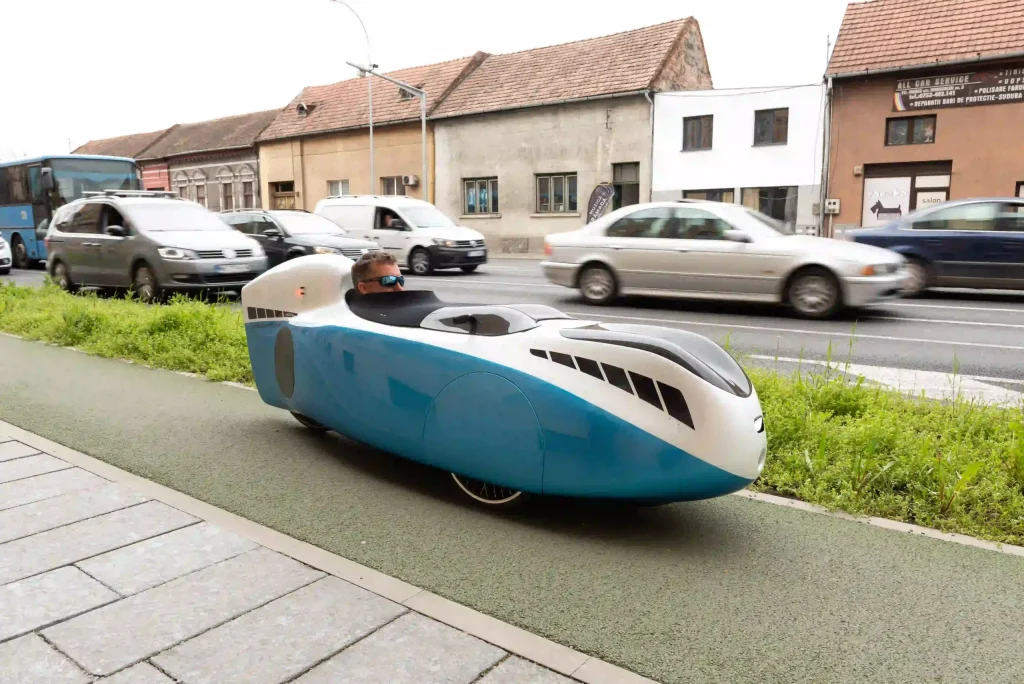
Are you looking for a new way to get around the city that’s fast, eco-friendly, and turns heads? Velomobiles might be exactly what you need.
These sleek, enclosed bikes promise more comfort and protection than a regular bike—but are they really practical for your daily city rides? You’ll discover the surprising benefits and potential drawbacks of using velomobiles in urban areas. By the end, you’ll know if a velomobile is the perfect fit for your city lifestyle.
Keep reading to find out!
Velomobiles In Urban Settings
Velomobiles are human-powered vehicles with a shell for protection. They offer a mix of bike and car features. Many people wonder if velomobiles fit city life well.
This article looks at how velomobiles work in cities. It covers their design, how they compare to bicycles, and which types suit urban use.
Design And Features Tailored For Cities
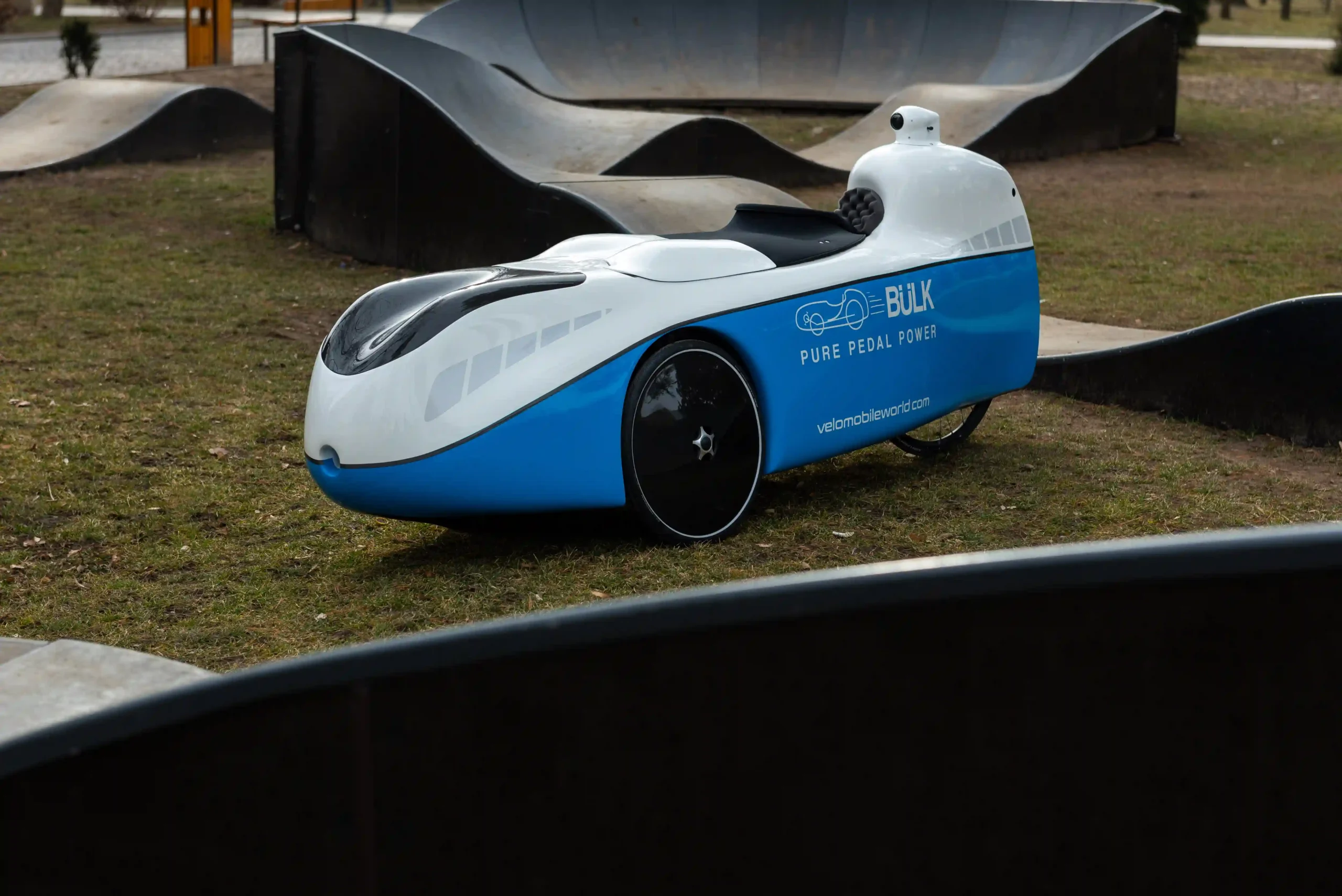
Velomobiles have a streamlined body to reduce wind resistance. This makes riding easier in traffic. They usually have weather protection, like a roof and windows.
They often include lights and mirrors for safety in busy streets. Many have storage space for bags or groceries. Their compact size helps with parking in tight spots.
- Enclosed shell protects from rain and wind
- Integrated lights improve visibility
- Mirrors help see other vehicles
- Storage compartments for daily items
- Compact build fits city parking
Comparison With Traditional Bicycles
Traditional bicycles are lighter and easier to park quickly. They are more flexible in narrow spaces. Velomobiles offer more comfort and protection.
Velomobiles can carry more cargo and protect riders from weather. They are slower to get on and off but provide a safer feel. Maintenance is often higher for velomobiles.
- Bicycles are lighter and more agile
- Velomobiles protect from weather and crashes
- Velomobiles have more storage space
- Bicycles require less maintenance
- Velomobiles offer better comfort
Types Of Velomobiles Suitable For City Use
Some velomobiles fit city riding better than others. Lightweight models work well for short trips. Fully enclosed types protect riders in all weather.
Three-wheeled velomobiles give good balance and space. Two-wheeled versions are faster but less stable. Choosing depends on comfort, speed, and parking needs.
- Lightweight velomobiles for quick urban rides
- Fully enclosed models for all-weather protection
- Three-wheeled versions offer stability and space
- Two-wheeled models are faster and more agile
- Compact designs suit tight parking spots
Credit: www.velomobileworld.com
Benefits For City Commuters
Velomobiles offer a unique option for people who travel in cities. They combine the ease of biking with extra comfort and protection.
These vehicles are shaped like bikes but have an outer shell. This shell adds several benefits that help city commuters.
Enhanced Weather Protection
Velomobiles shield riders from rain, wind, and cold. The hard shell blocks most bad weather, keeping you dry and warm.
- Protects from rain and snow
- Reduces wind chill
- Keeps dirt and dust away
- Allows riding in cooler weather
Improved Safety And Visibility
The bright colors and lights on velomobiles make riders easy to see. The shell also offers better protection than a regular bike frame.
| Feature | Benefit |
| Enclosed frame | Protects in minor crashes |
| Reflective surfaces | Better visibility at night |
| Built-in lights | Increase safety in traffic |
Efficiency In Traffic And Parking
Velomobiles move smoothly through city traffic. Their small size helps with parking and lane sharing.
- Faster travel in traffic jams
- Easier to find parking spaces
- Can use bike lanes and paths
- Less space needed than cars
Challenges And Limitations
Velomobiles offer a unique way to travel around the city. They blend features of bikes and cars but come with challenges. Understanding these limits helps riders decide if velomobiles fit city life.
This section covers three main challenges: size and maneuverability, storage and parking, and cost and accessibility.
Size And Maneuverability In Crowded Areas
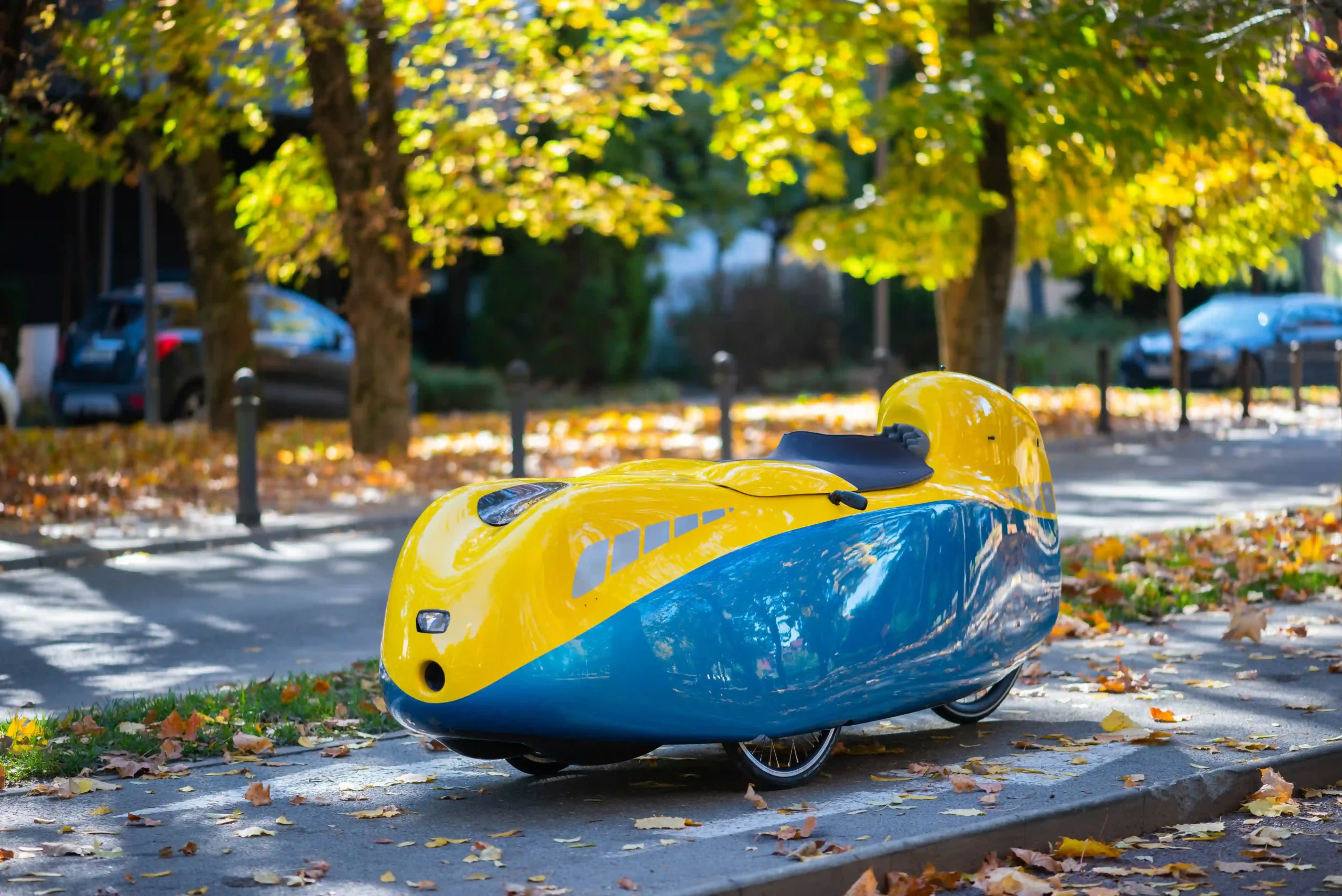
Velomobiles are bigger than regular bikes. Their width and length can make it hard to move through tight spaces. Traffic jams and narrow bike lanes add to the problem.
- Hard to pass pedestrians on busy sidewalks
- Difficult to turn quickly in small areas
- May not fit in standard bike lanes
- Slower acceleration affects quick stops
Storage And Parking Constraints
Finding a place to store or park a velomobile is tough. Its size needs more space than a bike. Many city bike racks are not designed for velomobiles.
| Storage Option | Suitability for Velomobiles | Notes |
|---|---|---|
| Standard Bike Racks | Poor | Too small and narrow |
| Garage or Private Storage | Good | Requires enough space and security |
| Public Parking Spots | Limited | Rarely available for velomobiles |
| Custom Shelters | Good | Needs special installation and cost |
Cost And Accessibility
Velomobiles cost more than regular bikes. This price can stop many people from buying one. They also require special parts and maintenance, which can be hard to find.
- High initial purchase price
- Limited dealers and service centers
- Spare parts are costly and rare
- Not easily rented or shared
Credit: www.velomobileworld.com
Environmental Impact
Velomobiles offer an eco-friendly way to move around cities. They use human power and sometimes small electric motors.
This means they create very little pollution. They are a good choice for people who want to help the environment.
Reducing Urban Carbon Footprint
Velomobiles do not burn fuel. They do not emit carbon dioxide or other harmful gases.
Using a velomobile reduces the number of cars on the road. This lowers pollution in cities and helps fight climate change.
- No fuel use means zero direct carbon emissions
- Less traffic congestion lowers overall pollution
- Quiet operation reduces noise pollution
Energy Efficiency Compared To Other Vehicles
Velomobiles use much less energy than cars or motorcycles. They rely mostly on human power and need little electricity.
Their aerodynamic design helps reduce wind resistance. This saves energy and makes city travel easier and faster.
- Human power is clean and renewable
- Electric assist uses less battery power than electric cars
- Lightweight frame reduces energy needed to move
User Experiences And Feedback
Many people are curious if velomobiles work well in cities. Users share their daily rides and what they think about these vehicles.
This section gathers real feedback from city riders. It covers their trips, care tips, and the help they find in the velomobile world.
Daily Commute Stories
Riders say velomobiles make city travel smoother and more fun. They enjoy being dry on rainy days and safe in traffic.
- Some use velomobiles for work trips every day.
- Others like riding them to shops and parks.
- Many mention faster rides than regular bikes.
- Users feel more visible to drivers inside velomobiles.
Maintenance And Durability
People say velomobiles need regular care but last a long time. Cleaning and checking tires are common tasks.
| Maintenance Task | Frequency | Comments |
| Cleaning | Weekly | Removes dirt and protects paint |
| Tire Check | Before each ride | Ensures safe handling |
| Chain Lubrication | Every 2 weeks | Keeps pedaling smooth |
| Brake Inspection | Monthly | Important for safety |
Community And Support Networks
Velomobile owners join groups online and offline. They share tips, fix problems, and plan rides together.
Support groups help with:
- Finding parts and tools
- Learning repair skills
- Sharing route advice
- Organizing meetups
Future Of Velomobiles In Cities
Velomobiles are small, enclosed bikes that offer speed and protection. Cities are looking for clean, quiet transport options.
These vehicles could change how people move in busy urban areas. Let’s explore what the future holds for velomobiles in cities.
Innovations And Technological Advances
New materials make velomobiles lighter and stronger. Batteries and electric motors help riders go farther with less effort.
Smart technology improves safety and comfort. Features include better lights, GPS, and weather protection.
- Lightweight carbon fiber shells
- Electric-assist motors for easier rides
- Improved aerodynamics for higher speed
- Smart sensors for collision avoidance
- Weatherproof cabins for all seasons
Integration With Urban Infrastructure
Cities can add parking spots and charging stations for velomobiles. Dedicated lanes can make rides safer and smoother.
Urban planners may design roads and paths that fit velomobiles well. This helps reduce traffic and pollution.
- Charging hubs at transit centers
- Protected bike lanes for velomobiles
- Parking spaces with security features
- Traffic signals adapted for small vehicles
- Shared velomobile programs in cities
Potential For Mass Adoption
More people may choose velomobiles if prices drop. Easy-to-use designs attract all ages and skill levels.
Governments can support velomobiles with incentives and rules. This encourages cleaner transport and less road congestion.
- Lower costs through mass production
- Training programs to teach safe riding
- Tax breaks and subsidies for buyers
- Community events promoting velomobiles
- Partnerships with employers for commuter use

Credit: www.reddit.com
Frequently Asked Questions
Are Velomobiles Practical For Daily City Commuting?
Yes, velomobiles offer efficient, eco-friendly transport in cities. Their aerodynamic design reduces effort, while weather protection enhances comfort. They can navigate traffic easily but may require secure parking.
How Safe Are Velomobiles In Urban Traffic?
Velomobiles provide good visibility and stability with their low center of gravity. Their enclosed design offers protection, but riders must remain cautious at intersections and follow traffic rules for safety.
Do Velomobiles Fit Well On City Bike Lanes?
Most velomobiles fit standard bike lanes but may be wider than regular bikes. Riders should check local lane widths and ride considerately to avoid obstructing other cyclists.
Can Velomobiles Carry Groceries Or Small Cargo?
Yes, many velomobiles have storage compartments or space for small cargo. This makes them practical for errands and shopping in urban environments without needing extra bags.
Conclusion
Velomobiles offer a unique city commuting option. They combine cycling benefits with weather protection. Ideal for eco-conscious riders. Their compact size helps navigate traffic easily. Parking is simple, reducing stress. Lower maintenance costs save money over time. Fitness improves with regular use.
Velomobiles might not suit everyone, though. They’re less visible and need bike-friendly infrastructure. Test one before deciding. Weigh pros and cons for your lifestyle. Urban commute can be fun and efficient. Velomobiles present a viable alternative.



