
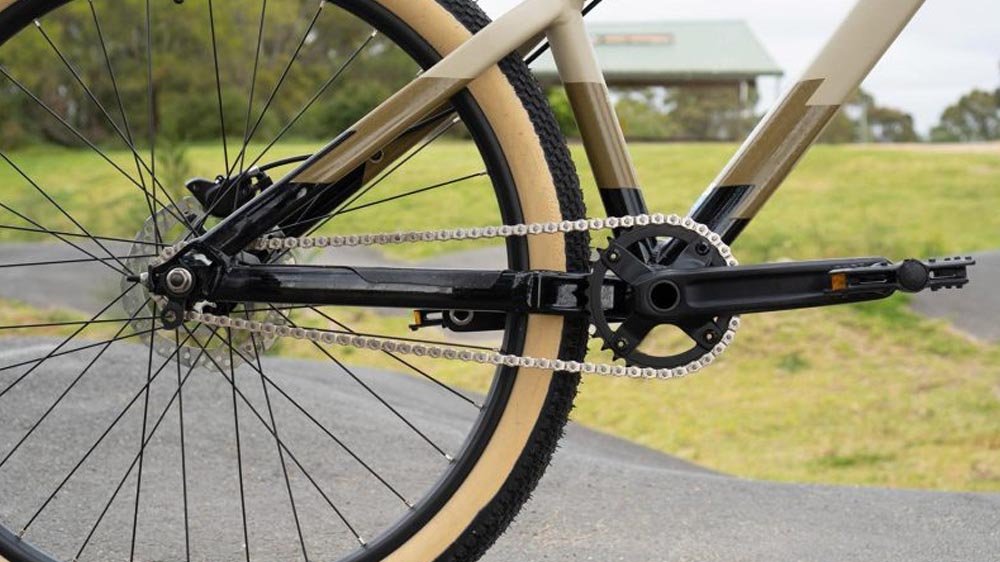
Ready to take your dirt jumping skills to the next level? Setting up your dirt jump bike the right way is the key to smooth rides, bigger jumps, and safer landings.
Whether you’re just starting out or looking to fine-tune your bike, this guide will walk you through every step. By the end, you’ll know exactly how to get your bike dialed in for the best performance. Stick with me, and you’ll be hitting those dirt jumps with confidence in no time.
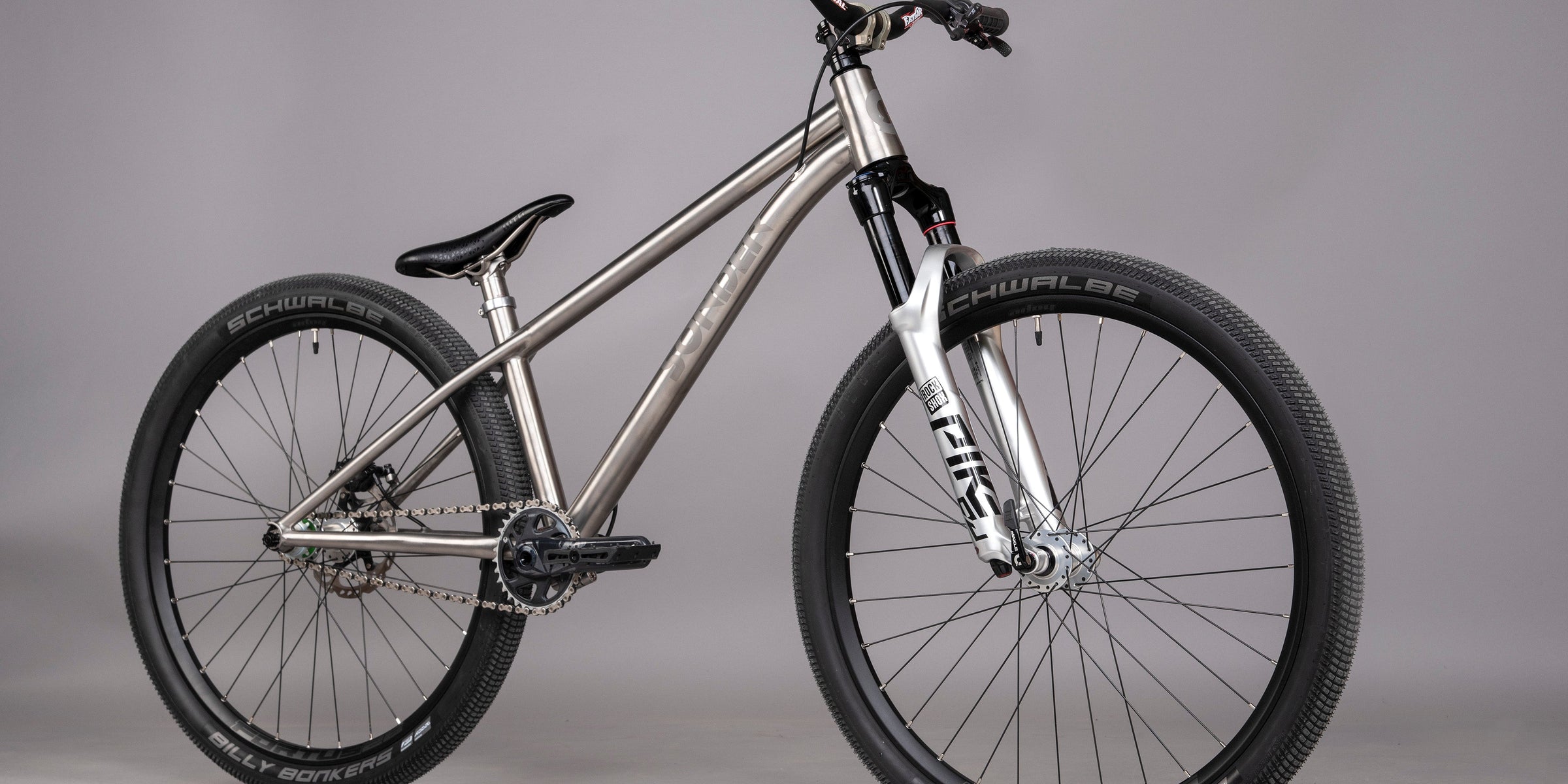
Credit: us.alpkit.com
Choosing The Right Dirt Jump Bike
Picking the right dirt jump bike is key for a good ride. The bike must fit your style and the type of jumps you plan to ride. This guide helps you choose the best bike for dirt jumping.
Look at the bike’s type, frame, and parts. These affect how the bike performs and feels. Understanding these areas helps you make a smart choice.
Types Of Dirt Jump Bikes
Dirt jump bikes come in different types. Each type is made for certain kinds of jumps and tricks. Choose a type that matches your riding needs.
- Hardtail:Has a front suspension fork but no rear suspension. Good for control and simplicity.
- Full Suspension:Has both front and rear suspension. Offers more comfort on rough landings.
- Freestyle BMX:Smaller and lighter for tricks, but less suited for big dirt jumps.
Frame Materials And Sizes
The frame material affects weight and strength. Size affects comfort and handling. Choose the right frame for your body and style.
| Material | Pros | Cons |
|---|---|---|
| Aluminum | Light, strong, rust-resistant | Less flexible, can feel stiff |
| Steel | Strong, durable, absorbs shocks | Heavier, may rust if not cared for |
| Carbon Fiber | Very light, strong, smooth ride | Expensive, can be fragile on impact |
For size, pick a frame where your feet can touch the ground. Make sure the bike feels balanced and easy to control.
Essential Components To Consider
Several parts affect how your bike handles jumps. Look closely at these components before buying.
- Suspension:Front suspension helps absorb shock. Rear suspension adds comfort but adds weight.
- Brakes:Strong brakes help you control speed. Many riders prefer disc brakes for better stopping power.
- Wheels:Durable wheels resist damage from landings. Look for wide rims and strong spokes.
- Handlebars:Wide bars give better control. Choose a shape that feels comfortable.
- Gearing:Single speed is common for dirt jump bikes. It keeps the bike simple and light.
Gathering Necessary Tools And Gear
Setting up a dirt jump bike needs the right tools and gear. This helps make sure the bike works well and stays safe.
Before starting, gather everything you need. This guide shows the basic tools, safety gear, and optional items.
Basic Tools For Setup
You need some simple tools to set up your dirt jump bike. These tools help adjust parts and keep the bike ready to ride.
- Allen wrenches in various sizes
- Tire pump with pressure gauge
- Adjustable wrench
- Chain lubricant
- Bike grease
- Screwdrivers (Phillips and flathead)
- Spoke wrench
Protective Gear For Safety
Safety is very important when setting up and riding. Use protective gear to avoid injuries.
| Gear | Purpose |
| Helmet | Protects the head from impact |
| Gloves | Improves grip and protects hands |
| Knee pads | Protects knees during falls |
| Elbow pads | Protects elbows from scrapes |
| Sturdy shoes | Supports feet and pedals |
Optional Accessories
Optional accessories make your bike setup easier and more comfortable. They are not required but can help.
- Bike stand for easier maintenance
- Multi-tool kit for quick fixes
- Frame protector to avoid scratches
- Hydration pack for longer rides
Assembling The Dirt Jump Bike
Setting up your dirt jump bike correctly is important for safety and fun. This guide helps you put the main parts together with ease.
Follow these steps to install the handlebars, mount the wheels, set up the brakes, and adjust the seat and pedals.
Installing The Handlebars
Start by placing the handlebars in the stem clamp. Make sure they are centered and at the right angle for control.
Tighten the bolts evenly using an Allen wrench. Check that the handlebars do not move when you apply pressure.
Mounting The Wheels
Insert the wheels into the dropouts on the frame and fork. Align the axle with the slots carefully.
Secure the wheels by tightening the axle nuts or quick-release levers. Spin the wheels to check for smooth movement.
- Front wheel goes in the fork
- Rear wheel fits into the frame
- Make sure wheels are straight
Setting Up The Brakes
Attach the brake calipers to the frame and fork mounts. Position them so the brake pads touch the rims evenly.
Connect the brake cables to the levers and adjust the tension. Test the brakes to ensure they stop the bike well.
- Check brake pad alignment
- Adjust cable tightness
- Test brake response
Adjusting The Seat And Pedals
Set the seat height so your legs can pedal comfortably. Use the seat post clamp to hold it in place.
Screw the pedals into the crank arms. Remember, the right pedal tightens clockwise, the left pedal tightens counterclockwise.
- Adjust seat height for comfort
- Secure seat post firmly
- Install pedals correctly

Credit: www.youtube.com
Adjusting Suspension And Tires
Setting up your dirt jump bike correctly helps you ride better and safer. Suspension and tires are key parts to adjust.
This guide explains how to tune suspension and choose the right tires for your dirt jump bike.
Tuning Suspension For Jumps
Suspension needs to absorb shocks without making the bike feel slow. Adjust it to handle big jumps smoothly.
Set the suspension to be firm but not too hard. This helps control landings and keep balance.
- Check the air pressure or spring tension in your fork and shock.
- Lower pressure makes the ride softer for small jumps.
- Higher pressure keeps the bike stable on big drops.
- Adjust rebound speed so the suspension returns quickly but not too fast.
- Test your settings by riding and landing on dirt jumps.
Choosing And Inflating Tires
Pick tires that grip well on dirt and let you jump confidently. Tires affect speed and control.
Use tires with thick sidewalls and aggressive tread patterns for better traction on dirt tracks.
- Wider tires give more grip but may slow you down.
- Narrow tires are faster but less stable on loose dirt.
- Inflate tires to balance grip and rolling ease.
Checking Tire Pressure Regularly
Keep tire pressure checked before every ride. Proper pressure ensures safety and better performance.
Use a reliable pressure gauge to measure your tires. Adjust pressure based on terrain and your weight.
- Lower pressure for soft or loose dirt for more grip.
- Higher pressure for hard or rocky surfaces to avoid pinch flats.
- Check pressure weekly or before long rides.
Fine-tuning For Performance
Setting up your dirt jump bike properly helps it perform better. Small adjustments improve control and safety.
Focus on aligning the wheels, setting brake tension, and lubricating moving parts for smooth rides.
Aligning The Wheels
Check that the front and rear wheels line up straight with the bike frame. Misaligned wheels affect balance and handling.
Use a wheel alignment tool or stand to make sure wheels spin without wobbling.
- Loosen the axle nuts slightly
- Adjust wheel position until straight
- Tighten nuts while holding wheel in place
- Spin wheels to check for wobble
Setting Proper Brake Tension
Brake tension controls how hard you must pull the brake lever. Too tight brakes can cause skids; too loose brakes reduce stopping power.
Adjust the brake cable or hydraulic system so the brakes engage firmly but smoothly.
- Check brake lever free play (about 1-2 cm)
- Tighten or loosen brake cable as needed
- Test brakes by squeezing lever firmly
- Ensure brakes stop the wheel without dragging
Lubricating Moving Parts
Lubrication reduces friction and wear on bike parts. Keep chains, pivots, and bearings smooth and fast.
Use bike-specific lubricants and clean parts before applying to avoid dirt buildup.
- Clean chain with a rag or brush
- Apply lubricant evenly along the chain
- Wipe off excess oil to prevent dirt
- Lubricate brake pivots and derailleur joints
- Check headset and wheel bearings for smooth rotation
Safety Checks Before Riding
Before riding your dirt jump bike, safety checks are essential. These checks help prevent accidents and keep you safe on the trails.
Take a few minutes to inspect your bike carefully. Focus on bolts, brakes, and tires to ensure everything works well.
Inspecting Bolts And Fasteners
Loose bolts or fasteners can cause parts to fail during a jump. Check all bolts on the frame, handlebars, stem, and wheels.
- Use a wrench or Allen key to tighten bolts securely.
- Pay special attention to the headset and seat post bolts.
- Check quick-release levers for tightness if your bike has them.
- Make sure no bolts are stripped or damaged.
Testing Brake Functionality
Brakes must work perfectly to stop safely after a jump. Test both front and rear brakes before riding.
| Brake Part | What to Check | Action If Problem Found |
| Brake Pads | Wear and alignment | Replace or adjust pads |
| Brake Levers | Firmness and response | Tighten or lubricate |
| Cables or Hydraulic Lines | Damage or slack | Repair or replace |
Ensuring Proper Tire Grip
Tire grip affects control and safety on dirt jumps. Check tire pressure and tread before riding.
Follow these tips for tire grip:
- Inflate tires to the recommended pressure on the sidewall.
- Look for worn or bald spots on the tread.
- Replace tires if tread is too thin or damaged.
- Clean tires to remove mud or debris before riding.
Basic Dirt Jump Techniques
Dirt jumping is an exciting sport that needs skill and practice. Learning basic techniques will help you jump safely and with control.
This guide covers body positioning, timing your takeoff and landing, and practicing balance and control.
Body Positioning For Jumps
Good body position helps you stay balanced during a jump. Keep your knees and elbows slightly bent. This acts like a suspension system.
Lean slightly forward to keep your weight centered over the bike. Keep your eyes focused ahead to prepare for landing.
- Stand on the pedals with feet flat
- Bend knees and elbows for shock absorption
- Keep your head up and eyes forward
- Lean slightly forward over the handlebars
Timing Your Takeoff And Landing
Takeoff timing is key to a smooth jump. Start pedaling hard before the jump to gain speed. Push down on the pedals as you reach the lip of the jump.
For landing, prepare to absorb the impact. Bend your knees and elbows to soften the landing. Try to land with both wheels at the same time.
- Pedal hard before the jump for speed
- Push down as you reach the jump’s edge
- Bend knees and elbows on landing
- Land with both wheels together
Practicing Balance And Control
Balance helps you stay steady in the air and on landing. Practice riding slowly on flat ground to improve control. Use small jumps to build confidence.
Focus on smooth movements. Avoid stiff or jerky motions. This helps you adjust better while jumping and landing.
- Practice slow riding for better balance
- Start with small jumps
- Keep movements smooth and steady
- Adjust body position as needed mid-air
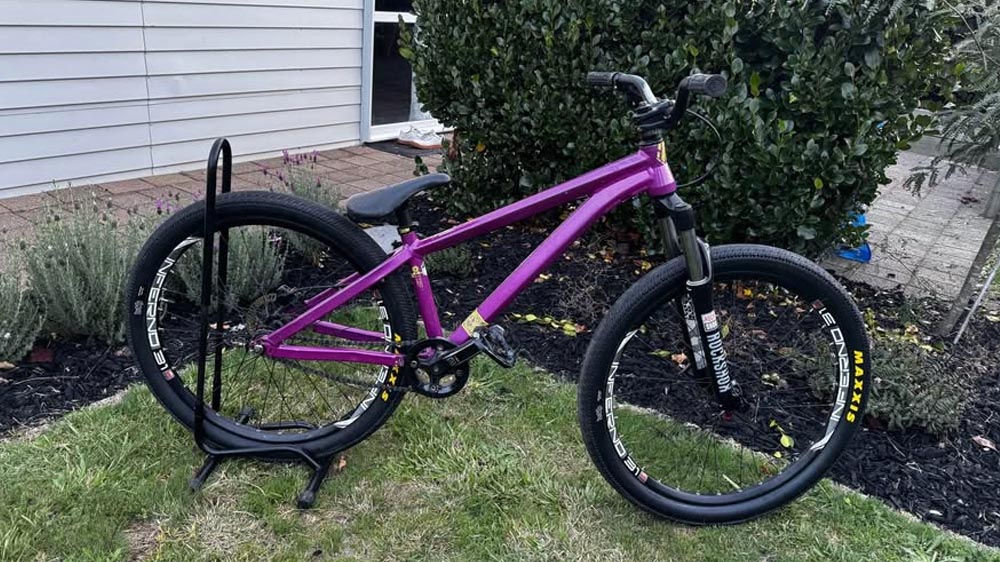
Credit: www.polygonbikes.com
Maintenance Tips For Longevity
Keeping your dirt jump bike in good shape helps it last longer. Proper care prevents damage and keeps it safe to ride.
Follow simple maintenance routines and check your bike often. This guide covers cleaning, replacing parts, and storing your bike right.
Regular Cleaning Routines
Clean your bike after every ride to remove dirt and mud. Use a soft brush and mild soap to avoid damage.
- Rinse the bike with water but avoid high pressure on bearings.
- Scrub the frame, wheels, and drivetrain gently.
- Dry the bike with a clean cloth to stop rust.
- Lubricate the chain and moving parts after cleaning.
Replacing Worn Components
Check your bike parts often. Replace worn or broken parts to keep the bike safe and working well.
| Component | Signs to Replace |
| Tires | Worn tread or frequent flats |
| Brake Pads | Less stopping power or thin pads |
| Chain | Stretching or skipping gears |
| Suspension | Leaks or poor performance |
Storing Your Bike Properly
Store your bike in a dry place away from sun and rain. This prevents rust and damage to parts.
- Keep the bike indoors or under a cover.
- Hang the bike by the frame or use a bike stand.
- Release tire pressure slightly if storing long term.
- Check and lubricate the chain monthly.
Frequently Asked Questions
What Tools Do I Need To Set Up A Dirt Jump Bike?
You need Allen wrenches, a bike pump, torque wrench, and grease. These tools help adjust components and ensure proper assembly for safe riding.
How Do I Choose The Right Frame For Dirt Jumping?
Select a frame made of strong, lightweight material like chromoly steel or aluminum. It should be durable and designed to handle jumps and impacts.
What Tire Pressure Is Best For Dirt Jump Bikes?
Maintain tire pressure between 30-40 PSI. This range offers a good balance of grip, control, and shock absorption on dirt tracks.
How To Adjust Suspension For Dirt Jumping?
Set your suspension to firm settings for better control and stability. This helps absorb impacts and maintains bike responsiveness during jumps.
Conclusion
Setting up a dirt jump bike is a rewarding task. It ensures a smooth and thrilling ride. Adjust the seat for comfort. Check tire pressure for safety. Customize the handlebars to fit your style. Keep the chain clean and lubricated.
Regular maintenance avoids unexpected issues. Enjoy the thrill of the jumps and tricks. Remember to wear safety gear. Practice often to improve your skills. With these steps, your bike will be ready for action. Keep riding and having fun!



