
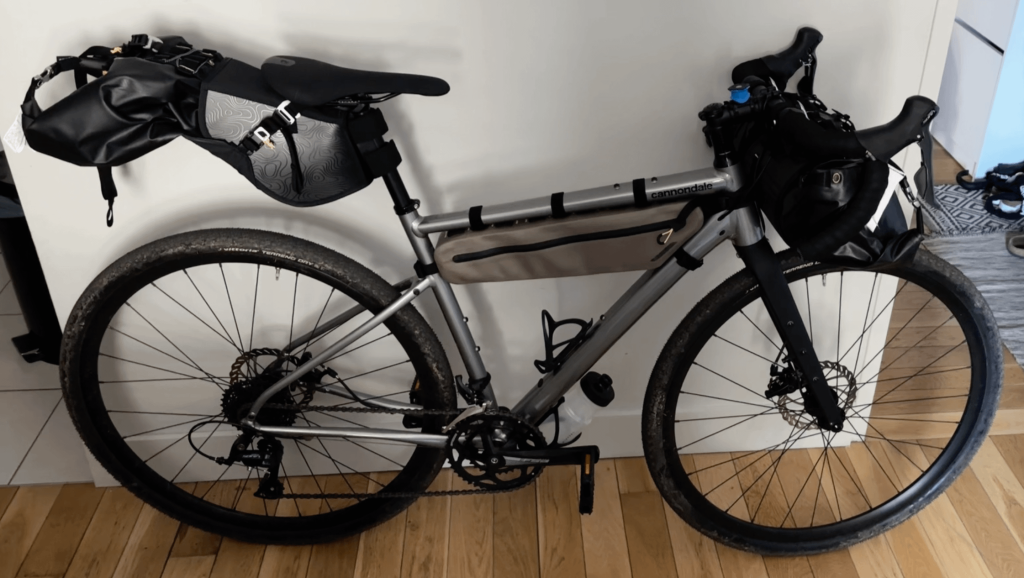
Packing your cooking gear for a bikepacking trip can feel overwhelming. You want to bring everything you need without overloading your bike.
Imagine enjoying a hot meal after a long day of riding, made possible by the right gear packed smartly. In this guide, you’ll discover simple, practical tips to pack your cooking gear efficiently. You’ll learn how to save space, stay organized, and carry only what truly matters.
Keep reading to make your bikepacking meals easy, enjoyable, and stress-free.
Choosing The Right Cooking Gear
Packing the right cooking gear is key for bikepacking trips. It makes cooking easier and saves space. You want gear that is light, compact, and useful.
This guide helps you pick stoves, cookware, and utensils that fit your adventure. Each item should balance weight and function.
Lightweight Stoves
Lightweight stoves burn fuel efficiently and weigh little. They help you cook quickly without adding bulk to your pack.
- Choose canister stoves for easy use and clean burning.
- Consider alcohol stoves for simple design and light weight.
- Look for stoves that fold or collapse for compact storage.
- Check how much fuel the stove needs to last your trip length.
Compact Cookware
Cookware should nest inside your bags and not weigh down your bike. Materials like titanium or aluminum are good choices.
| Material | Weight | Durability | Price |
| Titanium | Very Light | High | High |
| Aluminum | Light | Medium | Medium |
| Stainless Steel | Heavy | Very High | Low |
Pick pots and pans that fit inside each other. A lid that doubles as a plate saves space.
Essential Utensils
Bring utensils that serve multiple purposes. Lightweight and durable tools make cooking and eating easier.
- Use a spork instead of separate spoon and fork.
- Carry a small, sharp knife for cutting and food prep.
- Pack a lightweight pot gripper or tongs for safety.
- Choose utensils made from titanium or strong plastic to save weight.
Packing Techniques For Efficiency
Packing cooking gear for bikepacking needs good planning. Efficient packing saves space and protects your items.
Use smart techniques to keep gear organized and easy to reach during your trip.
Maximizing Space
Use every inch of your bags by packing small items inside larger ones. Nest pots and pans to save room.
Roll soft items like cloths and gloves to fill gaps and avoid wasted space.
- Put utensils inside pots
- Stack nesting bowls and pans
- Roll towels and cloths tightly
- Fill empty spaces with lightweight items
Organizing By Use
Group cooking gear by how you use it. Keep frequently used items easy to reach.
Separate cooking tools, fuel, and food to find what you need fast without unpacking everything.
- Store stove and fuel together
- Keep utensils in one pouch
- Place spices and small items in a container
- Pack food separately from cooking tools
Protecting Fragile Items
Wrap fragile gear like glass containers or ceramic cups in soft clothes or bubble wrap. This prevents damage on rough trails.
Place fragile items in the center of your bag surrounded by soft gear for extra cushioning.
- Wrap glass jars in cloth or bubble wrap
- Use padded bags or cases for delicate tools
- Put fragile items in the middle of your pack
- Keep heavy gear away from fragile items
Fuel Options And Storage
Packing the right fuel for your bikepacking stove is very important. It affects how well you cook and how safe you stay.
You need fuel that is easy to carry and store. Knowing your options helps you pick the best one for your trip.
Types Of Fuel
There are several types of fuel for bikepacking stoves. Each has its pros and cons.
- Canister fuel (butane, propane, or a mix)
- Liquid fuel (white gas or kerosene)
- Alcohol fuel (denatured alcohol)
- Solid fuel tablets (hexamine or trioxane)
Canister fuel is light and easy to use. Liquid fuel works well in cold weather. Alcohol burns clean but less hot. Solid fuel is simple but slow.
Safe Fuel Packing
Keep fuel containers sealed and leak-free. Use sturdy bottles or canisters made for fuel.
Store fuel away from heat and sharp objects. Put fuel containers in a separate bag or compartment.
- Check for leaks before packing
- Use fuel bottles with secure caps
- Keep fuel in a padded bag
- Do not mix fuel with food or clothes
Fuel Efficiency Tips
Use fuel wisely to last longer on your trip. Cook only what you need to save fuel.
Carry a windscreen to protect your stove’s flame. It helps fuel burn better and faster.
- Boil only the amount of water needed
- Use a pot lid to keep heat in
- Light stove in calm areas
- Practice stove setup before your trip

Credit: www.youtube.com
Meal Planning For Bikepacking
Planning meals for bikepacking trips is important for energy and comfort. Proper packing helps keep food fresh and easy to cook.
Choosing the right ingredients and containers can make your trip lighter and more enjoyable. Think about meals that fit your cooking gear.
Lightweight Ingredients
Lightweight ingredients reduce the load on your bike. Dry foods like rice, pasta, and oats are good choices.
Dehydrated vegetables and freeze-dried meals save space and weight. Nuts and dried fruits add calories and nutrients.
- Instant oatmeal packets
- Dehydrated beans and lentils
- Powdered milk or protein
- Dried fruits and nuts
- Instant noodles or couscous
Easy-to-cook Meals
Choose meals that cook quickly and need little water. One-pot recipes save time and fuel.
Simple meals like pasta with sauce or rice with beans work well. Breakfast can be instant oatmeal or granola with powdered milk.
- Instant oatmeal with dried fruit
- Rice with dehydrated vegetables
- Pasta with pre-made sauce
- Instant soup mixes
- Energy bars and trail mix
Food Storage Solutions
Use airtight bags or containers to keep food fresh. Small, resealable bags save space and prevent spills.
Pack foods in separate bags to organize meals. Use lightweight containers that fit your cooking gear and bike bags.
- Resealable silicone bags
- Lightweight plastic containers
- Vacuum-sealed bags for perishables
- Reusable dry bags for dry ingredients
- Small jars for spices and oils
Cleaning Gear On The Trail
Keeping your cooking gear clean during bikepacking trips is important. Dirt and food residue can attract animals and cause bad smells. Simple cleaning methods help you stay healthy and enjoy your meals.
Use lightweight tools and eco-friendly methods to clean your gear. Dry everything well before packing to avoid mold or rust. This guide shows easy ways to clean gear on the trail.
Minimalist Cleaning Tools
Carry only the essential cleaning tools to save space and weight. Choose items that work well for small pots and pans.
- A small sponge or scrubber
- A collapsible sink or bowl for water
- A small bottle of biodegradable soap
- A clean towel or bandana for drying
- A ziplock bag to store dirty sponges
Eco-friendly Practices
Protect nature by using safe cleaning methods. Avoid soaps that harm plants and animals. Follow local rules about water use and waste.
| Practice | Details |
| Use Biodegradable Soap | Breaks down naturally without pollution |
| Wash Away From Water Sources | Keep 200 feet from lakes and streams |
| Dispose Waste Properly | Pack out food scraps and trash |
| Use Minimal Water | Conserve water to protect the environment |
Drying And Packing
Dry your cooking gear completely to prevent rust and mold. Pack items separately to keep them clean and ready for the next use.
Tips for drying and packing:
- Air dry gear in the sun or hang it on a branch
- Use a clean towel to wipe off moisture
- Store dry gear in a separate bag from dirty clothes
- Keep sponges and scrubbers in a sealed bag
Safety Tips For Cooking Outdoors
Cooking outdoors while bikepacking is fun but can be risky. You need to be careful to stay safe.
This guide covers important safety tips for cooking outside. Follow these to avoid accidents.
Fire Safety
Always build your cooking fire in a safe spot. Keep it away from dry grass, bushes, and tents.
Make sure you have water or dirt nearby to put out the fire quickly. Never leave a fire unattended.
- Clear the area around the fire of leaves and twigs
- Use a fire ring or rock circle to contain flames
- Extinguish the fire completely before leaving
- Check local rules about fires before lighting one
Wildlife Precautions
Keep your cooking area clean to avoid attracting animals. Store food in sealed containers.
Do not leave food scraps or trash near your campsite. Animals can smell food from far away.
- Use bear-proof bags or canisters for food storage
- Cook at least 100 feet away from your sleeping area
- Dispose of waste properly by packing it out or using bins
- Never feed wildlife or leave food for animals
Handling Hot Gear
Use gloves or pot holders when touching hot pots and pans. This prevents burns.
Place hot gear on stable, heat-resistant surfaces. Avoid putting hot items on dry grass.
- Let cookware cool before packing it away
- Keep handles away from flames to avoid melting
- Use sturdy stands or rocks to support cooking gear
- Be careful when pouring hot liquids to avoid spills
Adjusting Gear For Different Conditions
Packing cooking gear for bikepacking needs careful thought. Weather and location affect what you carry. Adjust gear to stay safe and cook well.
Different conditions need different tools and methods. This guide helps you pack smart for cold, wet, and high places.
Cold Weather Cooking
Cold weather slows cooking and drains fuel faster. Pack gear that works well in low temperatures. Insulated containers keep food warm longer.
- Choose a stove with a liquid fuel option for cold.
- Bring windshields to protect the flame.
- Use insulated mugs and pots to keep heat.
- Pack fuel extra to allow for longer cooking times.
- Carry a small spatula or spoon for stirring thicker meals.
Wet Environment Tips
Rain and wet conditions can ruin cooking plans. Keep your gear dry and prepare for moisture. Use waterproof bags and quick-dry materials.
| Gear Item | Tip for Wet Conditions |
| Stove | Store in waterproof bag, check fuel seals |
| Cookware | Use non-stick surfaces to prevent soggy food |
| Fuel | Keep in sealed container to avoid moisture |
| Matches/Lighter | Carry waterproof matches or a windproof lighter |
| Food Storage | Pack in dry sacks or zip-lock bags |
High Altitude Considerations
High altitude affects boiling points and cooking times. Food takes longer to cook, and water boils at lower temperatures. Plan your gear accordingly.
- Use a stove that works well in thin air, like canister or liquid fuel stoves.
- Bring a pot with a lid to keep heat in.
- Carry a thermometer to monitor water temperature if possible.
- Choose quick-cooking foods to save fuel and time.
- Pack extra fuel as cooking uses more energy at altitude.

Credit: www.reddit.com

Credit: offpistemag.com
Frequently Asked Questions
What Cooking Gear Is Essential For Bikepacking Trips?
Essential gear includes a lightweight stove, fuel, compact cookware, utensils, and a reliable lighter. Choose items that are durable and easy to pack. Prioritize multi-use tools to save space and reduce weight during your adventure.
How To Pack Cooking Gear Efficiently For Bikepacking?
Use compact, stackable containers to organize your gear. Place heavier items low and close to the bike frame. Secure loose parts with straps or mesh bags. This keeps your gear stable and accessible while riding.
Can I Bring Fresh Ingredients For Bikepacking Cooking?
Yes, but choose lightweight, non-perishable items like dried herbs and dehydrated vegetables. Fresh produce can spoil quickly. Pack perishables in insulated bags if your trip is short and storage is possible.
How To Clean Cooking Gear On The Trail?
Carry biodegradable soap and a small sponge. Use minimal water to clean pots and pans. Dispose of wastewater away from natural water sources. Dry gear thoroughly before packing to prevent rust or mold.
Conclusion
Packing cooking gear for bikepacking needs smart planning. Keep it light. Choose multi-use items to save space. Secure everything tightly. Avoid spills or breakages. Use protective covers for fragile items. Compact gear fits better in bags. Practice packing at home first.
This saves time on the trail. Stay organized with clear pouches. Know where each item is stored. Quick access is crucial. Enjoy your adventure with ease. Cooking in nature is a joy. Preparedness ensures a stress-free experience. Happy bikepacking and cooking!



