
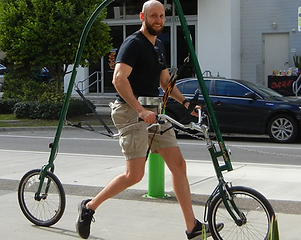
Are you looking for an adaptive bike that fits your unique needs? Finding the right dealer can make all the difference in your comfort and riding experience.
But where do you start? This guide will help you discover the best places to find adaptive bike dealers near you. Keep reading to learn simple steps that will save you time, ensure a perfect fit, and get you riding with confidence.
Your ideal adaptive bike is closer than you think!

Credit: ferlafamilybikes.com
Benefits Of Adaptive Bikes
Adaptive bikes help people with different physical needs enjoy cycling. They are designed to make riding easier and safer.
These bikes offer many benefits that improve daily life and health for users.
Improved Mobility And Independence
Adaptive bikes allow users to move around more easily. They help people who find regular bikes hard to use.
Riding these bikes gives more freedom and lets users do activities on their own.
Custom Features For Various Needs
Adaptive bikes come with special features based on the rider’s needs. These can include extra support, different seats, and hand controls.
Custom options make sure each rider is comfortable and safe while cycling.
- Adjustable seats and pedals
- Hand or foot steering controls
- Extra stability with three or four wheels
Health And Fitness Advantages
Using adaptive bikes helps improve physical health. Cycling builds strength and increases endurance.
It also supports mental well-being by reducing stress and boosting mood.
- Improves cardiovascular health
- Builds muscle strength
- Enhances balance and coordination
- Promotes mental wellness
Types Of Adaptive Bikes
Adaptive bikes help people with different abilities enjoy cycling. They come in many types to suit various needs.
Finding the right dealer means knowing the types of adaptive bikes available. This helps you choose the best fit.
Handcycles
Handcycles use hand pedals instead of foot pedals. They are great for people with lower body limitations.
These bikes allow users to sit low and use their arms to move forward. Many models have three wheels for stability.
- Three-wheeled design for balance
- Arm-powered pedals
- Adjustable seating for comfort
- Suitable for road and trail use
Tricycles
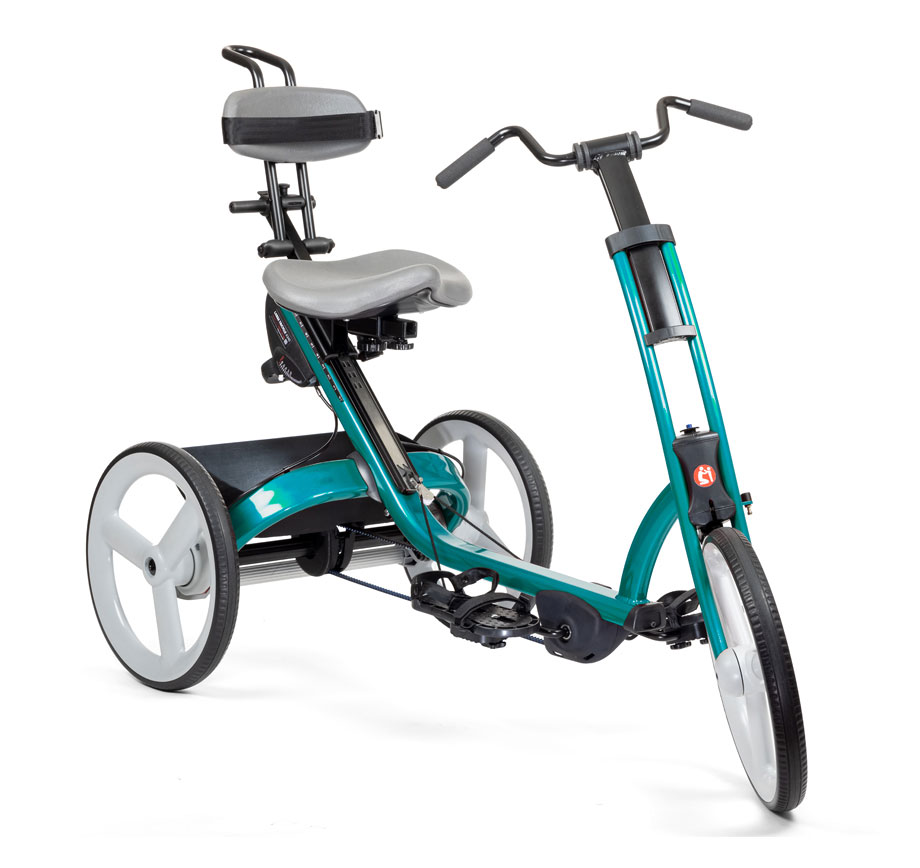
Tricycles have three wheels for extra balance. They work well for people who need more support when riding.
These bikes come in upright and recumbent styles. They provide a safe and stable cycling experience.
- Three wheels for added stability
- Easy to mount and dismount
- Options for upright or reclined seating
- Good for indoor and outdoor use
Tandem Bikes
Tandem bikes are built for two riders. One person can help pedal while the other enjoys the ride.
These bikes promote teamwork and allow a rider with disabilities to cycle with a partner.
- Two seats and two sets of pedals
- Great for shared cycling experiences
- Can be customized for different abilities
- Available in various frame sizes
Recumbent Bikes
Recumbent bikes have a reclined seating position. This reduces strain on the back and joints.
They offer a comfortable ride with better weight distribution. Many adaptive riders prefer this style for long trips.
- Reclined seat with back support
- Lower center of gravity for stability
- Good for riders with balance issues
- Available in two or three-wheel models
Where To Start Your Search
Finding the right dealer for adaptive bikes can be simple if you know where to look. Adaptive bikes help people with special needs enjoy riding safely and comfortably.
Start your search by exploring different types of sellers. Each offers unique options and support for adaptive bikes.
Local Bike Shops
Local bike shops often carry adaptive bikes or can order them for you. Visiting a shop lets you test ride bikes and talk to experts in person.
Staff at local shops can offer advice on bike fit and accessories. They may also provide repair and maintenance services.
- Try out different models before buying
- Get personal advice from knowledgeable staff
- Find service and support nearby
Specialty Adaptive Bike Retailers
Specialty retailers focus on bikes made for riders with disabilities. They offer a wider range of adaptive bike styles and features.
These retailers often provide custom fitting and adjustments. They understand the specific needs of adaptive bike riders.
- Wide selection of adaptive bike types
- Custom fitting and adjustments available
- Expert staff familiar with special needs
Online Marketplaces
Online marketplaces offer many adaptive bike options. You can compare prices, read reviews, and find rare models from home.
Look for sellers with good ratings and clear return policies. Some sites also offer virtual fitting guides or customer support chats.
- Wide range of products and prices
- Read user reviews and ratings
- Convenient shopping from home
Credit: www.rifton.com
Using Online Tools To Locate Dealers
Finding adaptive bike dealers is easier with online tools. These tools help you find dealers near you fast.
This guide covers three ways to find dealers: manufacturer locators, review sites, and social media groups.
Manufacturer Dealer Locators
Many adaptive bike makers have dealer locators on their websites. You enter your zip code or city to find nearby dealers.
These locators show contact details and sometimes the types of bikes available at each dealer.
Review Sites And Forums
Review sites and forums offer user feedback on adaptive bike dealers. You can learn about service and product quality.
- Search for dealer reviews on popular review websites
- Join forums related to adaptive bikes and ask for dealer suggestions
- Read user experiences to find reliable dealers
Social Media Groups
Social media groups connect people who use adaptive bikes. Members often share dealer contacts and advice.
| Social Media | How to Use |
|---|---|
| Join groups about adaptive cycling and post your dealer questions | |
| Use subreddits focused on adaptive sports to get dealer recommendations | |
| Follow adaptive bike accounts and check tagged dealers |
Evaluating Dealer Options
Finding the right adaptive bike dealer takes careful thought. You want a dealer who offers the right products and good service. This guide helps you check key points before choosing a dealer.
Look at what each dealer provides. Compare their knowledge and support. Also, understand their warranty and service rules. This will help you pick a dealer that fits your needs.
Product Selection And Availability
A good dealer should have many adaptive bike models. They should offer options for different needs and sizes. Also, check if they keep bikes in stock or if you must wait long.
- Variety of adaptive bike types
- Different sizes and features
- Stock availability and delivery times
- Options for custom orders or upgrades
Expertise And Customer Support
Choose a dealer with staff who know adaptive bikes well. They should answer your questions clearly. Good dealers offer fitting help and training if needed. Friendly service is important too.
| Support Aspect | What to Expect |
| Product Knowledge | Clear answers about bike types and features |
| Fitting Services | Help adjusting the bike to your size and needs |
| Training | Guidance on bike use and safety |
| Communication | Friendly and patient staff |
Warranty And Service Policies
Look for clear warranty terms. A good dealer offers repairs and parts replacement. Check if they provide regular bike maintenance. Knowing the cost and timing of services helps avoid surprises.
- How long is the warranty period?
- What parts are covered under warranty?
- Is there a service plan for regular maintenance?
- Do they offer repair services on site or through partners?
- What are the costs for service visits or parts not covered?
Credit: m.yelp.com
Tips For Visiting Dealers
Finding the right adaptive bike dealer can make a big difference. Visiting dealers helps you see different bike options.
Here are some tips to make your visit easier and more useful.
Scheduling A Test Ride
Call the dealer ahead to book a test ride. This ensures a bike is ready for you to try.
Test rides help you feel how the bike handles and fits your needs.
- Ask about available models for test rides
- Check how long the test ride lasts
- Confirm any ID or forms needed before riding
Bringing Your Mobility Aids
Bring any mobility aids you use, like walkers or wheelchairs. This helps dealers understand your needs better.
They can check how the adaptive bike works with your aids or suggest adjustments.
- Take your mobility aids with you to the visit
- Show how you move and transfer between aids
- Ask if the bike fits well with your aids
Asking About Customization Options
Many adaptive bikes can be changed to fit your body and style. Ask the dealer about these options.
Customization can include seat adjustments, pedal placement, or added supports.
- Inquire about seat and handlebar adjustments
- Ask if special pedals or straps are available
- Check if the dealer offers custom fitting services
Financing And Insurance
Buying an adaptive bike can be costly. Finding ways to pay and protect your bike is important. This guide helps you understand financing and insurance options.
Many dealers offer different payment choices. Insurance can cover damage or theft. Some programs provide extra help to make bikes affordable.
Payment Plans
Payment plans let you pay for the bike over time. This makes it easier to buy without a large upfront cost. Dealers often work with lenders to offer these plans.
Some plans may have low or no interest. Be sure to ask about the total cost and monthly payments. Read all terms carefully before signing.
- Monthly installment payments
- Low or zero interest options
- Flexible payment periods
- Credit checks may be required
Insurance Coverage For Adaptive Bikes
Insurance protects your adaptive bike from damage or theft. Check if your home or renters insurance covers bikes. If not, you can buy special bike insurance.
Some insurance policies cover accidents and repairs. Keep receipts and photos of your bike for claims. Compare policies to find the best coverage for your needs.
- Theft protection
- Damage and accident coverage
- Liability protection in some cases
- Replacement or repair costs
Grants And Assistance Programs
Grants and assistance programs help pay for adaptive bikes. These programs are run by government or non-profits. They often help people with disabilities or limited income.
Apply early and provide all needed documents. Some programs require proof of disability or income. Ask your dealer if they know about local help programs.
- Government grants for medical equipment
- Non-profit organizations’ support
- Local disability assistance programs
- Application and eligibility requirements
Maintenance And Support
Keeping an adaptive bike in good shape is important for safety and comfort. Regular care helps the bike last longer.
Finding the right support makes maintenance easier and ensures your bike works well every time you ride.
Regular Servicing Needs
Adaptive bikes need regular checks for brakes, tires, and gears. Lubricate moving parts to avoid rust and wear.
- Check tire pressure before each ride
- Inspect brake pads monthly
- Clean and oil the chain every two weeks
- Tighten loose bolts and screws regularly
- Replace worn-out parts promptly
Finding Local Repair Services
Look for bike shops that offer adaptive bike repairs. Some stores have trained staff for special bike types.
| Service Type | What to Expect | Tips |
| Brake Adjustment | Brake checks and fixes | Bring your bike for a test ride |
| Tire Repair | Patching or replacing tires | Ask about durable tire options |
| Gear Tuning | Fixing shifting problems | Describe your riding style clearly |
| Frame Inspection | Checking for cracks or damage | Schedule inspections yearly |
Online Resources And Tutorials
Many websites and videos show how to fix and maintain adaptive bikes at home. These can save time and money.
- Watch step-by-step video guides
- Join forums for adaptive bike owners
- Download maintenance checklists
- Read manuals from bike makers
- Use online tools to order parts
Frequently Asked Questions
How Do I Find Local Adaptive Bike Dealers?
Start by searching online with location keywords. Check specialized adaptive sports websites and forums. Visit local bike shops and ask about adaptive options. Contact disability organizations for dealer recommendations nearby.
What Should I Consider When Choosing Adaptive Bike Dealers?
Look for dealers with experience in adaptive bikes. Check their range of models and customization options. Review customer testimonials and after-sales support. Ensure they provide fitting and trial services.
Are Adaptive Bike Dealers Available Nationwide?
Many adaptive bike dealers operate nationwide, especially online. Some specialize in regional services or offer mobile fittings. Research dealers’ service areas before contacting. National dealers often provide shipping and virtual consultations.
Can Adaptive Bike Dealers Help With Bike Customization?
Yes, dealers usually offer customization to fit individual needs. They adjust bike components for comfort, safety, and usability. Customization may include seating, pedals, and control modifications. Consult with dealers about specific adaptive requirements.
Conclusion
Finding adaptive bike dealers doesn’t have to be difficult. Start with local searches online. Visit shops to see their selections. Talk to experts for advice. Consider your specific needs and budget. Check reviews for honest feedback. Test rides help make informed decisions.
Adaptive biking can change lives for better mobility. Start your journey today. Get the right bike for you. Enjoy the freedom of cycling.



