
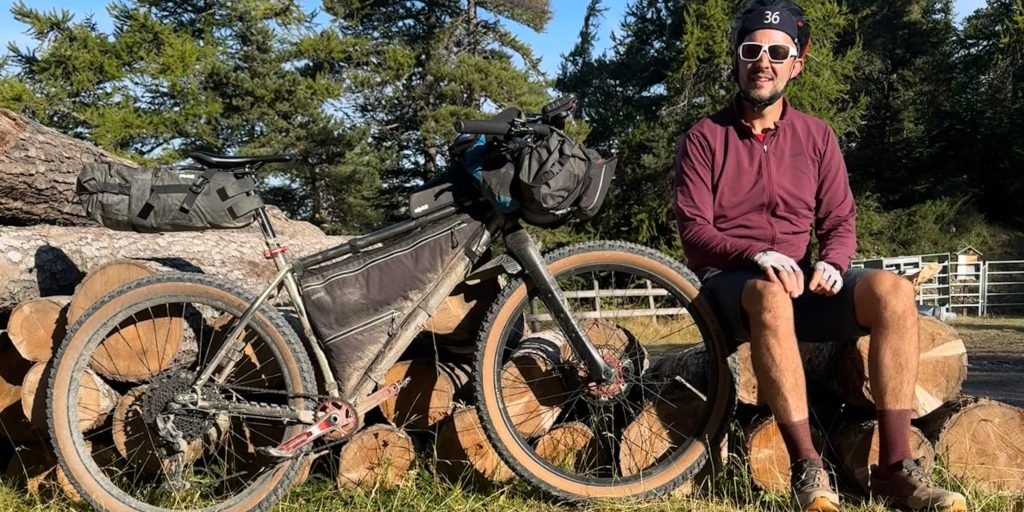
Riding steep descents during your bikepacking trips can be both thrilling and nerve-wracking. You want to enjoy the rush without losing control or risking a crash.
But how do you master those tricky downhill sections safely and confidently? You’ll discover simple, practical tips that will help you stay balanced, maintain speed, and tackle steep terrain like a pro. Whether you’re new to bikepacking or looking to sharpen your skills, this guide will make your rides smoother and more fun.
Keep reading to learn how to take on those steep descents with confidence and ease.
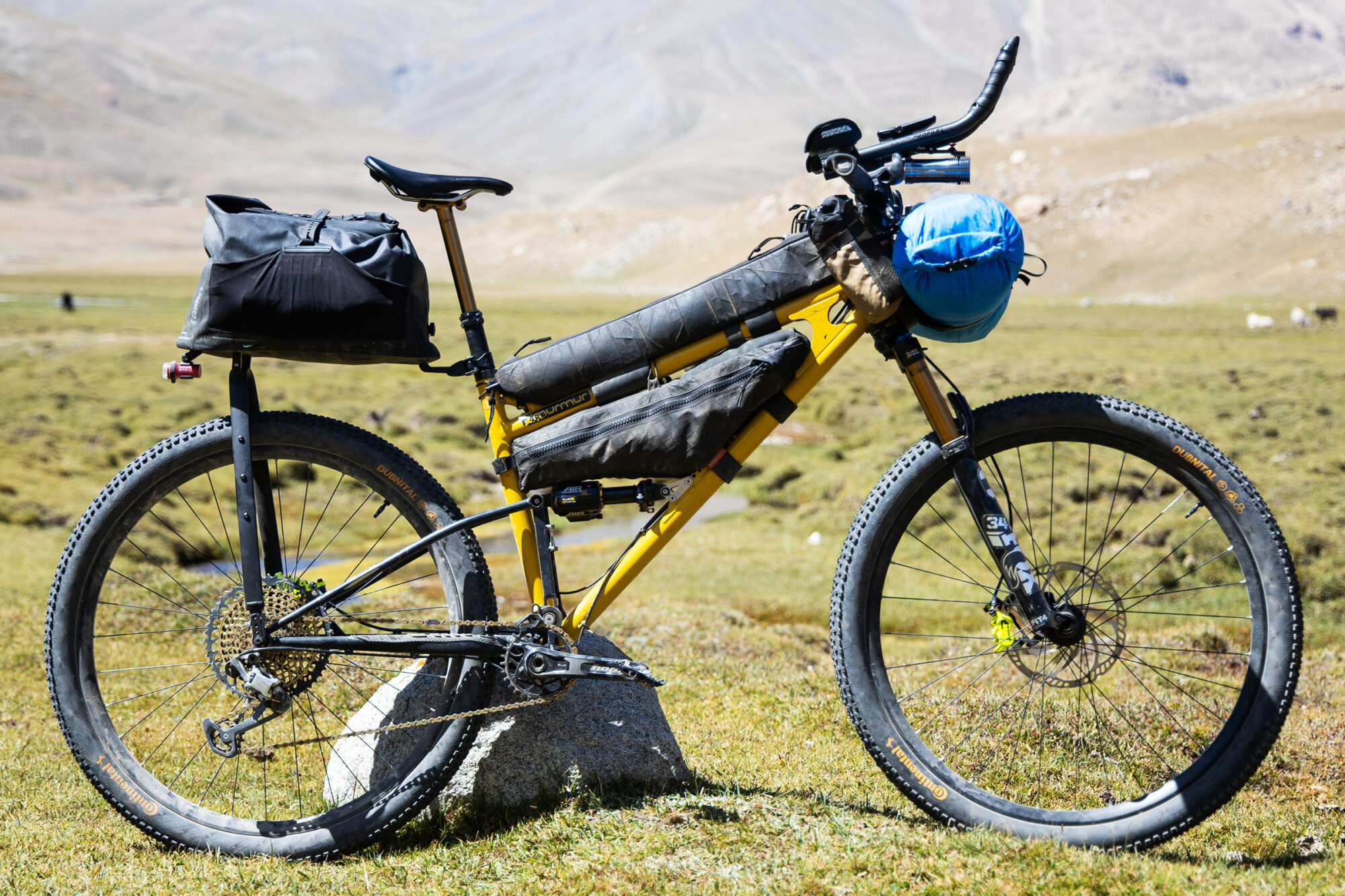
Credit: bikepacking.com
Gear Selection
Riding steep descents during bikepacking trips needs the right gear. Picking the proper equipment helps you stay safe and ride with control.
Focus on your bike, safety gear, tires, and brakes. These choices make your downhill rides easier and more secure.
Choosing The Right Bike
Pick a bike designed for rough terrain and steep slopes. A bike with good suspension and strong frame is best. It should handle your weight and gear well.
Look for these features:
- Full suspension for shock absorption
- Strong frame made from aluminum or carbon
- Geometry that offers stability on descents
- Wide handlebars for better control
Essential Gear For Safety
Safety gear protects you in case of falls or accidents. Always wear a helmet and gloves. Consider pads for knees and elbows. Bright or reflective clothing helps others see you.
| Gear | Purpose |
| Helmet | Protects your head |
| Gloves | Improves grip and protects hands |
| Knee Pads | Shields knees from injury |
| Elbow Pads | Guards elbows during falls |
| Reflective Clothing | Makes you visible in low light |
Tire And Brake Setup
Tires and brakes are key for control on steep descents. Use tires with good grip and enough width. Check tire pressure before riding. Lower pressure gives better traction but watch for pinch flats.
- Choose tires with deep tread for grip
- Use wider tires for stability
- Set tire pressure based on terrain
- Use hydraulic disc brakes for strong stopping power
- Test brakes before each ride

Credit: www.reddit.com
Body Positioning
Riding steep descents during bikepacking trips needs good body positioning. It helps you stay safe and in control.
Proper positioning reduces the risk of falling and makes the ride smoother on rough terrain.
Balancing Weight
Keep your weight centered over the bike. Lean back slightly to avoid going over the handlebars.
Shift your weight depending on the slope and surface to keep traction on both wheels.
- Keep your hips low and back
- Keep weight evenly on both wheels
- Adjust weight forward on flatter sections
- Move weight backward on steep parts
Lowering Your Center Of Gravity
Bend your knees and elbows to lower your center of gravity. This improves bike stability.
Stay low but keep your body loose to absorb bumps and maintain control.
- Bend knees and elbows deeply
- Keep chest close to handlebars
- Stay relaxed and ready to move
- Lower body helps balance on rough ground
Keeping A Relaxed Grip
Hold the handlebars firmly but not too tight. A relaxed grip reduces arm fatigue and improves bike handling.
Let your arms act as shock absorbers. This helps you stay balanced on rough and steep descents.
- Grip bars with your fingers, not palms
- Keep wrists loose and flexible
- Avoid locking your elbows
- Use arms to absorb bumps smoothly
Braking Techniques
Riding steep descents during bikepacking trips requires careful braking. Proper brake use keeps you safe and in control.
Understanding how to use your brakes well can help you avoid accidents and enjoy the ride more.
Using Both Brakes Effectively
Use both front and rear brakes to slow down steadily. The front brake gives most of the stopping power. The rear brake helps keep balance.
- Apply front brake gently at first
- Use rear brake to control speed and stability
- Avoid grabbing the front brake too hard
- Practice smooth, even pressure on both brakes
Avoiding Brake Lockup
Brake lockup happens when a wheel stops turning but the bike keeps moving. This causes skidding and loss of control.
| Cause | Effect | How to Avoid |
| Hard front brake pull | Front wheel lockup | Squeeze brake lever slowly |
| Too much rear brake | Rear wheel skid | Use rear brake gently |
| Wet or loose surface | Reduced traction | Brake earlier and softer |
Modulating Speed Safely
Control your speed by adjusting how hard you brake. Modulation means changing brake pressure smoothly.
- Look ahead to plan braking points
- Brake before turns and obstacles
- Release brake slightly to keep traction
- Shift weight back to avoid going over the handlebars
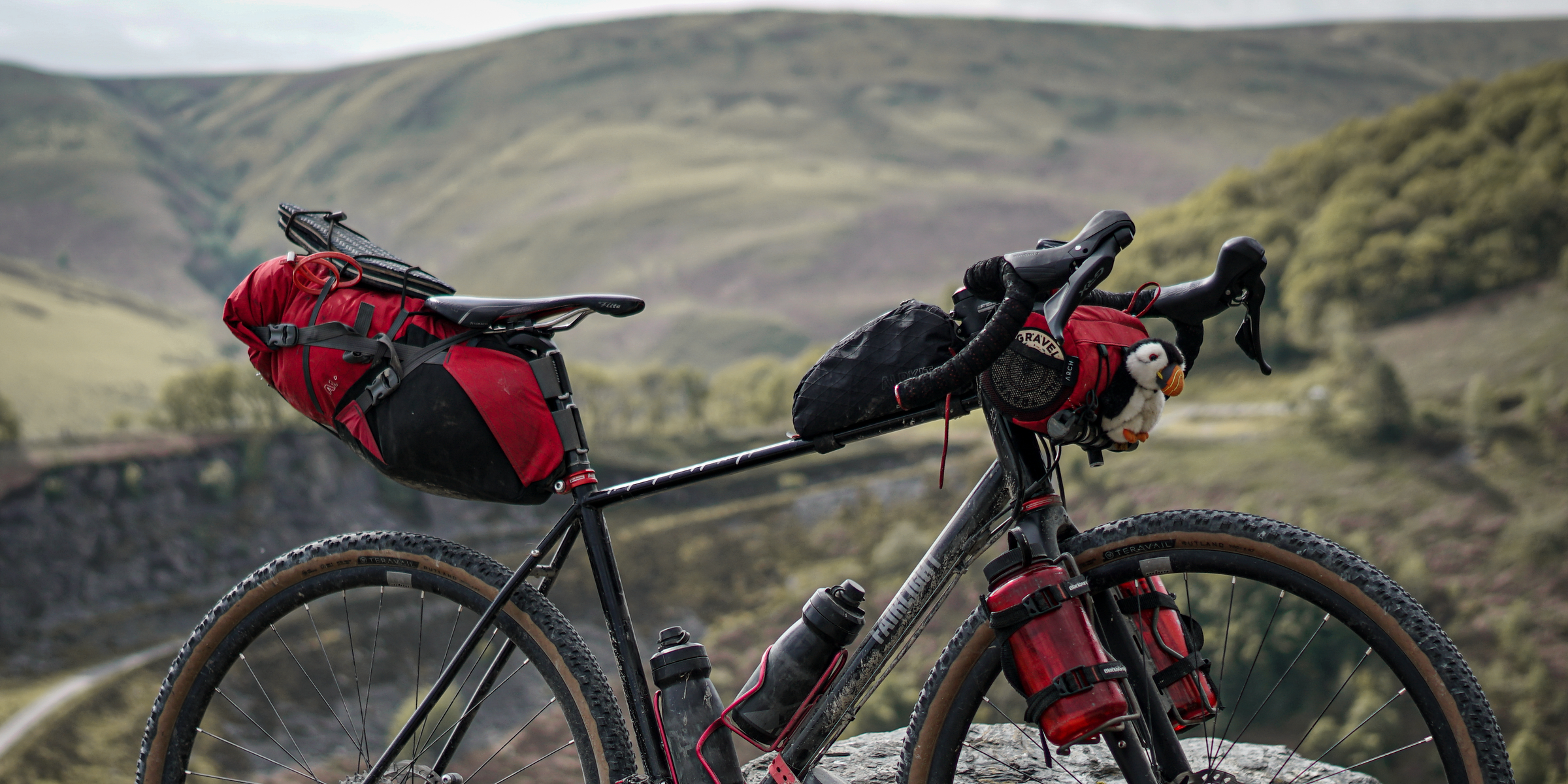
Credit: alpkit.com
Line Selection
Choosing the right line on steep descents is key to safe riding. It helps maintain control and avoid crashes. Good line selection also saves energy and keeps the ride fun.
Focus on reading the terrain, picking smooth paths, and handling obstacles. These skills improve your confidence on tough descents during bikepacking trips.
Reading The Terrain
Look ahead to spot changes in the trail surface and slope. Notice loose rocks, roots, or wet patches. Understanding these helps you plan your route and adjust speed.
Choosing Smooth Paths
Opt for lines that avoid rough or sharp obstacles. Smooth paths let your tires grip better and reduce sudden jolts. This keeps your bike stable and your ride steady.
- Follow natural curves and contours of the trail
- Avoid loose gravel or sandy patches
- Choose firmer ground over muddy spots
- Look for wider sections for easier turns
Navigating Obstacles
Obstacles like roots, rocks, and drops need careful attention. Plan your line to cross or avoid these safely. Keep your body loose and ready to absorb shocks.
| Obstacle | Best Approach | Tip |
| Roots | Ride over at a slight angle | Keep momentum steady |
| Rocks | Choose path around or over small ones | Lift front wheel slightly |
| Drops | Look for smooth landing spots | Shift weight back before drop |
| Mud | Find firmer edge | Avoid braking hard |
Mental Focus
Riding steep descents during bikepacking trips needs strong mental focus. Your mind controls your body and bike on tricky slopes.
Keeping sharp focus helps you react fast and avoid accidents. Let’s explore ways to improve your mental strength for steep rides.
Building Confidence
Confidence grows with practice and knowledge. Trust your skills and bike to handle the slope.
Try smaller descents first. This builds your belief in your ability to control the bike safely.
- Practice on easy trails often
- Learn proper braking techniques
- Wear safety gear for peace of mind
Staying Calm Under Pressure
Stress can cause mistakes on steep descents. Staying calm helps you think clearly and act wisely.
Use deep breaths to slow your heart rate. Focus on the trail, not your fears.
- Breathe in slowly through your nose
- Exhale gently through your mouth
- Keep your eyes on the path ahead
Visualizing The Descent
Imagining your ride before starting can prepare your mind. Picture yourself riding smoothly down the slope.
Visualize your body position, speed, and turns. This mental practice builds focus and reduces surprises.
- See the trail and obstacles clearly
- Plan your line and braking points
- Imagine your bike responding well
Practice Drills
Riding steep descents on a bikepacking trip can be challenging. Practice drills help you gain control and confidence.
These drills prepare you for real conditions and improve your safety on steep trails.
Training On Smaller Descents
Start with small hills before trying steep descents. This helps you learn balance and braking control.
Practice braking smoothly and shifting your weight backward to avoid going over the handlebars.
- Pick short, gentle slopes
- Focus on steady speed control
- Practice shifting body weight
- Use both brakes evenly
Simulating Loaded Bike Conditions
Carry weight on your bike to mimic real bikepacking loads. This changes how your bike handles on descents.
Practice riding with bags or gear to understand how weight affects braking and balance.
- Attach bags or boxes to your bike
- Ride down small hills with the load
- Notice how weight shifts when braking
- Adjust your speed and position accordingly
Improving Reaction Time
Quick reactions help you handle surprises on steep descents. Practice reacting to sudden changes.
Use drills to improve how fast you brake, steer, and shift your weight when needed.
- Set up cones or markers on a slope
- Ride down and react to markers quickly
- Practice sudden braking and steering
- Repeat to build muscle memory
Maintenance Tips
Riding steep descents on bikepacking trips demands careful bike maintenance. Proper care helps you stay safe and ride smoothly.
Check your bike often before and during trips. Focus on brakes, tires, and suspension to handle rough downhill trails.
Checking Brakes Regularly
Brakes must work well to control speed on steep descents. Check brake pads for wear and replace if thin.
Test brake levers to ensure they feel firm. Adjust or bleed hydraulic brakes if they feel soft or spongy.
- Look for cracks or damage on brake pads
- Check brake rotor for warping or dirt
- Make sure brake cables or hydraulic lines are tight
- Test brakes before every ride
Inspecting Tires For Wear
Tires grip the trail and absorb shocks on steep descents. Check tires for cuts, cracks, or bald spots.
Keep tire pressure in the right range. Too low causes flats, too high reduces traction and control.
- Look for worn tread or missing knobs
- Check sidewalls for damage or dry rot
- Use a pressure gauge to set correct tire pressure
- Replace tires if damaged or very worn
Keeping Suspension Tuned
Suspension absorbs bumps on steep trails. Keep it tuned for smooth, safe rides downhill.
Check suspension for leaks and clean seals often. Adjust rebound and compression settings to match terrain.
- Inspect fork and shock for oil leaks
- Clean suspension stanchions regularly
- Adjust damping based on trail conditions
- Service suspension parts as recommended by manufacturer
Frequently Asked Questions
How Do I Control Speed On Steep Bike Descents?
Use both brakes gently and evenly to control speed. Keep your weight back and low for stability. Avoid sudden braking to prevent skidding or loss of control.
What Body Position Is Best For Steep Downhill Riding?
Lean your body back and lower your center of gravity. Keep elbows bent and eyes forward. This position improves balance and bike handling on steep descents.
How Can I Avoid Skidding On Steep Descents?
Apply brakes smoothly and avoid locking wheels. Use both front and rear brakes evenly. Maintain traction by shifting weight appropriately and riding within your skill level.
What Bike Setup Helps With Steep Downhill Control?
Use wider tires with good grip and proper tire pressure. Ensure suspension is adjusted for downhill stability. Check brakes for strong, reliable stopping power before rides.
Conclusion
Mastering steep descents can boost your bikepacking confidence. Safety comes first. Always check your bike before starting. Use proper gear and maintain balance. Grip the handlebars firmly, but stay relaxed. Keep your eyes on the path. Anticipate obstacles and react calmly.
Practice makes perfect. The more you ride, the better you get. Enjoy the thrill of each descent. Remember to breathe and trust your skills. Share your experiences with fellow riders. Learn from each trip and improve. Happy bikepacking!



