
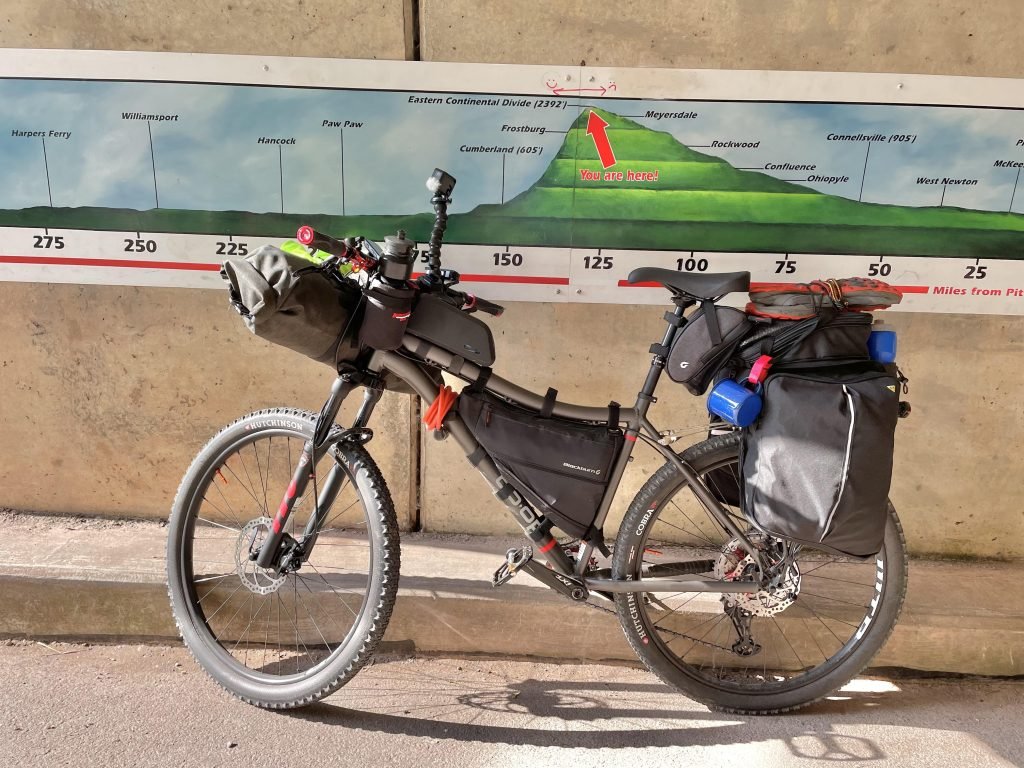
Are you tired of feeling weighed down every time you hit the trail with your bikepacking gear? Carrying too much can slow you down, drain your energy, and take away from the pure joy of the ride.
But what if you could cut the excess weight without sacrificing comfort or safety? Imagine riding longer, faster, and with more freedom—simply by optimizing your gear. You’ll discover practical tips and smart strategies to lighten your load and boost your bikepacking experience.
Ready to transform your ride? Let’s dive in.

Credit: www.reddit.com
Choosing The Right Bike
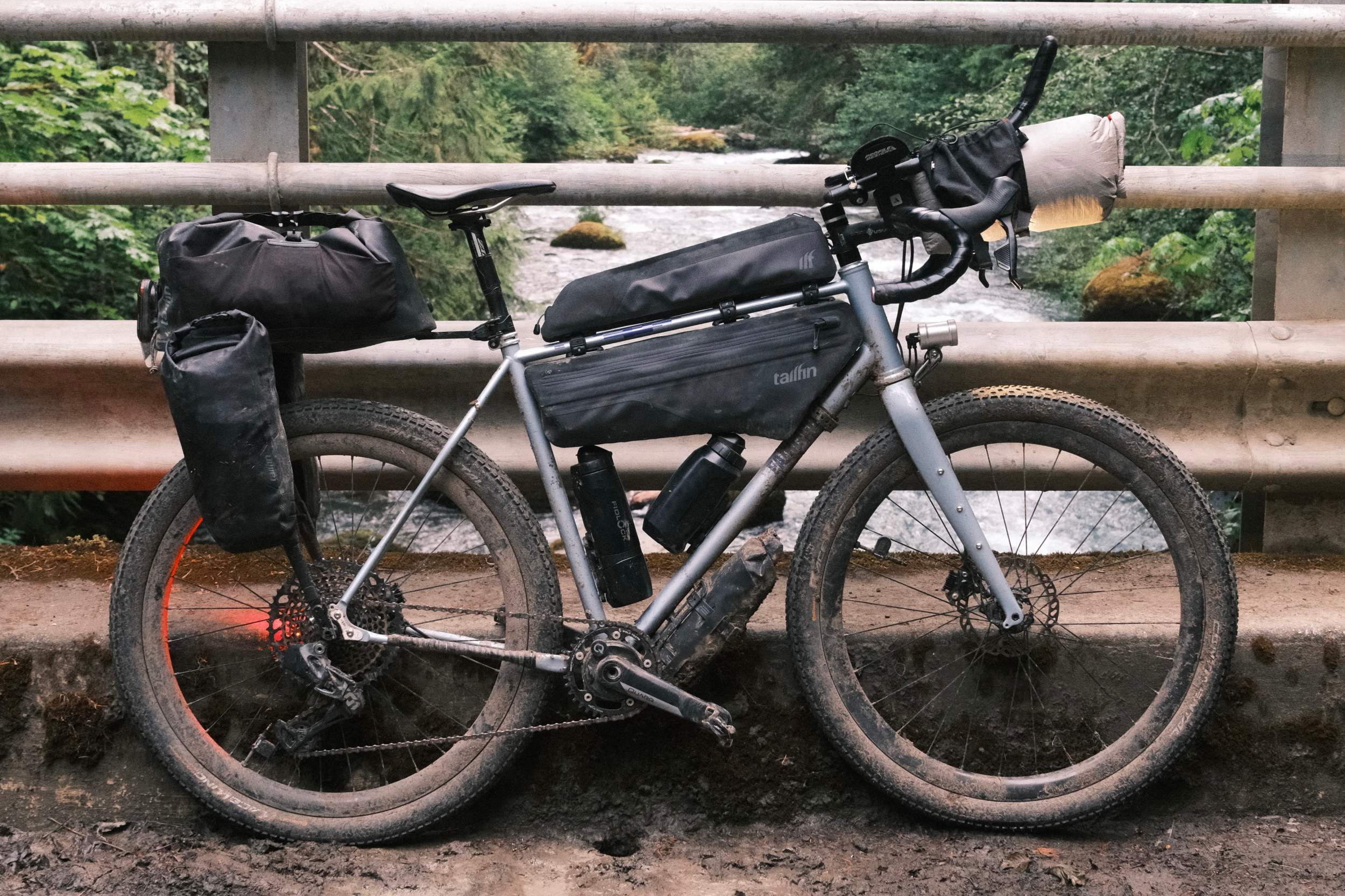
Choosing the right bike is key to keeping your bikepacking gear light. The frame and design affect how much weight you carry. A lighter bike means less effort on long rides.
Focus on materials and design features that reduce weight without losing strength. This helps you enjoy your trip more.
Lightweight Frame Materials
Frame material affects bike weight and durability. Some materials offer light weight but cost more. Others are heavier but budget friendly.
| Material | Weight | Durability | Cost |
|---|---|---|---|
| Aluminum | Light | Good | Affordable |
| Carbon Fiber | Very Light | Strong | Expensive |
| Steel | Heavier | Very Strong | Moderate |
| Titanium | Light | Very Strong | High |
Minimalist Design Features
A minimalist design lowers weight by removing extra parts. This keeps the bike simple and light.
- Use fewer mounts and racks
- Choose slim handlebars and seat posts
- Pick tires made for low rolling resistance
- Limit accessories to essentials only
Minimalist bikes save weight and reduce drag, making your ride easier. Balance the need for features and weight carefully.
Credit: bikepacking.com
Selecting Essential Gear
Choosing the right gear is key for bikepacking trips. Carrying too much weight can make your ride hard and slow.
Focus on items that you really need. This helps keep your pack light and your trip enjoyable.
Prioritizing Multi-use Items
Pick gear that serves more than one purpose. This saves space and weight in your pack.
For example, a bandana can be a towel, a sun shield, or a pot holder. A jacket that works as a raincoat and a windbreaker is also smart.
- Use a sleeping pad that doubles as a seat cushion
- Choose utensils that are light and can be used for cooking and eating
- Select clothing layers that work in many weather conditions
Cutting Non-essential Weight
Remove items you can do without. Every extra pound makes your bikepacking harder.
Test your gear before the trip. Ask if each item is needed or if you can leave it behind.
- Skip bulky items that are not critical for safety or comfort
- Choose smaller and lighter versions of your gear
- Avoid packing duplicates unless necessary
Packing Strategies
Bikepacking needs smart packing to keep gear light and balanced. Packing right helps you ride longer and stay comfortable.
This guide covers ways to spread weight and pack items tightly. Use these tips to carry less and ride better.
Efficient Load Distribution
Spread your gear evenly to keep the bike steady. Heavy items should be low and close to the frame center.
- Place heavy gear like tools and food near the bike’s center.
- Keep lighter items in your bags or frame bags.
- Balance weight on both sides of the bike to avoid tipping.
- Use bikepacking bags designed to fit snugly and hold shape.
- Check your bike’s handling before long rides.
Compact Packing Techniques
Pack your gear to save space and reduce bulk. Roll clothes and use compression sacks for smaller volumes.
| Item | Packing Method | Tip |
| Clothes | Roll tightly | Use compression sack |
| Sleeping Bag | Stuff sack | Compress as much as possible |
| Food | Use resealable bags | Remove extra packaging |
| Tools | Organize in small pouches | Keep accessible |
Clothing And Footwear
Bikepacking needs smart choices in clothing and shoes. You want to carry less weight but stay comfortable.
Picking the right gear helps you ride longer and enjoy your trip more.
Lightweight Fabrics
Choose clothes made from light materials. They weigh less and dry fast.
Materials like nylon, polyester, and merino wool work well for bikepacking.
- Nylon is strong and light
- Polyester dries quickly
- Merino wool controls odor and warmth
- Avoid cotton because it stays wet
Versatile Clothing Choices
Pick clothes that serve more than one purpose. This cuts down how much you carry.
Layering helps you adjust to different weather and activity levels.
- Use base layers for moisture control
- Wear mid-layers for warmth
- Bring a lightweight shell for wind and rain
- Choose shoes that work for riding and walking
Sleeping System Choices
Choosing the right sleeping system is key to reducing weight on bikepacking trips. Every pound saved helps your ride feel easier and more enjoyable.
Focus on gear that balances comfort, protection, and weight. This guide covers tents, shelters, sleeping bags, and pads to help you pack smart.
Ultralight Tents And Shelters
Ultralight tents and shelters offer protection without adding much weight. Many use lightweight materials and minimalist designs to keep your pack light.
- Look for tents with a simple pole setup and minimal fabric.
- Consider tarps or bivy sacks as lighter alternatives to tents.
- Choose shelters made from high-strength, lightweight fabrics.
- Check if the shelter can withstand local weather conditions.
- Pay attention to packed size for easy storage on your bike.
Compact Sleeping Bags And Pads
Compact sleeping bags and pads save space and weight but still provide comfort. Select gear designed for your typical weather and temperature.
| Gear Type | Weight Range | Key Features |
| Down Sleeping Bag | 12–24 oz (340–680 g) | Lightweight, compressible, warm |
| Synthetic Sleeping Bag | 16–30 oz (450–850 g) | Water-resistant, less expensive |
| Inflatable Sleeping Pad | 8–18 oz (225–510 g) | Compact, cushioned, adjustable firmness |
| Foam Sleeping Pad | 14–20 oz (400–570 g) | Durable, simple, always insulated |
Food And Hydration
Keeping your food and water light is key for bikepacking trips. Heavy gear slows you down and uses more energy.
Choosing the right foods and cooking tools helps you stay fueled without extra weight.
Calorie-dense Lightweight Foods
Select foods that have many calories but weigh little. This helps you eat enough without carrying heavy bags.
Good options include nuts, dried fruits, and energy bars. These provide energy and pack small.
- Trail mix with nuts and dried berries
- Peanut butter or nut butter packets
- Dehydrated meals or freeze-dried foods
- Granola or energy bars
- Instant oatmeal packets
Minimalist Cooking Gear
Use simple and light cooking gear to save weight. Carry only what you need to prepare your meals.
A small pot, a lightweight stove, and a compact fuel source work well. Avoid bulky or heavy items.
- Ultralight stove with fuel canister
- Small titanium or aluminum pot
- Lightweight spork or spoon
- Collapsible cup or bowl
- Compact lighter or matches
Tools And Repair Kits
Carrying the right tools and repair kits can save your bikepacking trip. Keep your gear light and useful.
Focus on essential items that fix common problems. Avoid extra weight from tools you rarely use.
Essential Tools Only
Bring tools that cover most repairs. A multi-tool with Allen keys, screwdrivers, and a chain breaker is key. Tire levers and a mini pump also help.
- Multi-tool with Allen keys and screwdrivers
- Mini pump or CO2 inflator
- Tire levers for fixing flats
- Patch kit for tube repairs
- Chain breaker tool
Lightweight Repair Materials
Choose repair materials that weigh little but work well. Carry a small patch kit, a few spare tubes, and light zip ties.
| Item | Weight (grams) | Use |
| Patch kit | 30 | Fix punctures on tubes |
| Spare tube | 120 | Replace broken or damaged tubes |
| Zip ties (5 pcs) | 10 | Secure loose parts temporarily |
| Chain quick link | 5 | Repair broken chain fast |
Technology And Electronics
Bikepacking relies on smart technology and lightweight electronics. Choosing the right gear helps reduce weight without losing function.
Small devices and good battery use keep your load light and your trip smooth.
Compact Devices
Compact devices save space and weight. Look for multi-use gadgets to carry less.
- Use a combined GPS and bike computer instead of separate units
- Choose a small, lightweight headlamp with adjustable brightness
- Carry a compact multi-tool that fits in your pocket
- Use a phone with essential apps for navigation and communication
- Replace bulky chargers with a single USB multi-port charger
Battery Management Tips
Managing batteries properly extends their life and reduces weight. Plan your charging and power use carefully.
| Tip | Advice |
| Carry spare batteries | Bring only the essential number to avoid extra weight |
| Use power banks | Choose lightweight power banks with high capacity |
| Charge devices daily | Keep batteries topped off to prevent full drain |
| Turn off unused devices | Save battery by switching off gadgets when not needed |
| Optimize screen brightness | Lower brightness to extend phone and GPS battery life |
Final Weight-saving Tips
Keeping your bikepacking gear light makes your trip easier and more fun. Small changes can add up to big savings in weight. Use smart methods to track and improve your gear load.
Focus on checking your gear often and making steady improvements. This approach helps you carry only what you need and avoid extra weight.
Weighing Your Gear Regularly
Weigh your gear before every trip. This habit shows you where you can cut weight. Use a reliable scale and note each item’s weight.
- Weigh items individually for accuracy
- Record weights in a notebook or app
- Compare weights over time to spot heavy items
- Remove or replace the heaviest gear first
Continuous Gear Refinement
Keep testing and changing your gear to find lighter alternatives. Swap bulky items for compact versions. Cut extras that do not serve a purpose.
| Gear Item | Original Weight (grams) | Refined Weight (grams) | Weight Saved (grams) |
|---|---|---|---|
| Sleeping Bag | 1200 | 800 | 400 |
| Cookware | 500 | 300 | 200 |
| Clothing | 1500 | 1200 | 300 |
| Water Bottle | 300 | 250 | 50 |

Credit: www.reddit.com
Frequently Asked Questions
What Is The Best Way To Reduce Bikepacking Gear Weight?
Focus on lightweight, multi-purpose gear and prioritize essentials only. Choose compact, durable items to minimize bulk and weight. Regularly reassess your gear list to eliminate unnecessary items and optimize packing efficiency.
How Can I Pack Bikepacking Gear Efficiently?
Organize gear by weight and frequency of use. Place heavier items low and close to the bike frame for stability. Use compression sacks to save space and keep gear compact during the ride.
Which Materials Are Ideal For Lightweight Bikepacking Gear?
Opt for materials like carbon fiber, titanium, and ultralight nylon. These materials offer strength without adding excess weight. They ensure durability while keeping your gear manageable for long rides.
Can Multi-use Gear Help Optimize Bikepacking Weight?
Yes, multi-use gear reduces the number of items you carry. For example, a jacket that doubles as a sleeping bag liner saves space. This strategy minimizes total gear weight and maximizes functionality.
Conclusion
Optimizing bikepacking gear weight enhances your adventure. Lighter gear means easier travel. Prioritize essentials and eliminate unnecessary items. Choose multipurpose tools to save space. Invest in lightweight, durable equipment. Keep your gear organized and balanced. This reduces strain and increases comfort.
Test your setup before hitting the trail. Adjust as needed for the best experience. Smart packing leads to more enjoyable journeys. Enjoy the freedom of the open road with ease. Happy bikepacking!



