
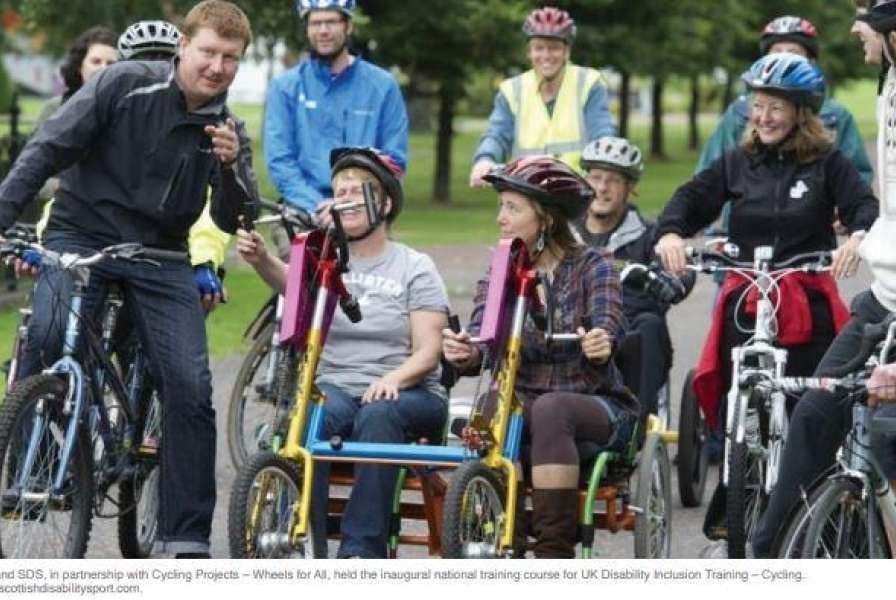
Imagine feeling the freedom of the open road, the wind on your face, and the joy of being part of a community—all on two wheels. But what if traditional bikes don’t fit your needs?
Adaptive bikes can change that. They open doors to new experiences and help you connect with others like never before. You’ll discover how these specially designed bikes do more than just get you moving—they break down barriers and bring people together.
Keep reading to see how adaptive bikes can transform your social life and boost your sense of belonging.
Benefits Of Adaptive Bikes
Adaptive bikes help people with different abilities enjoy cycling. They provide support and make riding easier.
These bikes improve physical health, mental well-being, and personal independence for many users.
Physical Health Improvements
Adaptive bikes offer a way to exercise safely and effectively. They help strengthen muscles and improve balance.
Riding regularly can increase stamina and support heart health. It also reduces the risk of certain diseases.
- Builds muscle strength
- Improves cardiovascular fitness
- Enhances coordination and balance
- Supports weight management
Mental Well-being Boost
Using adaptive bikes can reduce stress and anxiety. Outdoor riding often lifts mood and increases happiness.
Cycling encourages focus and helps users enjoy social time with friends or family. It supports positive mental health.
- Reduces feelings of stress
- Increases mood-enhancing hormones
- Encourages social interaction
- Supports relaxation and focus
Enhanced Independence
Adaptive bikes allow riders to move without help. This freedom builds confidence and self-reliance.
Riders can explore their neighborhoods and join group rides. This helps them feel included and active in their community.
- Promotes self-sufficiency
- Increases access to social activities
- Builds confidence in mobility
- Supports active community involvement
Design Features Of Adaptive Bikes
Adaptive bikes help people with different abilities enjoy riding. They have special design features that support comfort and safety. These features make riding easier and more fun for everyone.
This article looks at key design parts of adaptive bikes. We focus on seating, controls, and durability. Each part plays a role in making bikes usable for many riders.
Customizable Seating And Support
Adaptive bikes offer seats that fit many body types. Riders can adjust the seat position and angle. Extra support cushions or harnesses help keep riders steady. This customization improves comfort and balance.
- Adjustable seat height and tilt
- Removable backrests and side supports
- Soft padding to reduce pressure points
- Harnesses for added security
Accessible Controls
Controls on adaptive bikes are made simple and reachable. Some bikes use hand pedals instead of foot pedals. Brake levers and gear shifters are designed for easy use. These controls help riders steer and stop safely.
| Control Type | Feature | Benefit |
| Hand Pedals | Located at front | For riders with leg difficulties |
| Brake Levers | Large and easy to grip | Quick and safe stopping |
| Gear Shifters | Simple toggle switches | Easy gear changes |
Durability And Safety
Adaptive bikes use strong materials to last long. Frames are often made from steel or aluminum. Tires are wider for better balance. Safety features include reflectors and lights for visibility.
- Sturdy frame to support different weights
- Wide tires for stability on rough paths
- Bright reflectors and LED lights
- Easy-to-reach safety brakes
Social Inclusion Through Mobility
Adaptive bikes help people with different abilities move around easily. They give more freedom to join social activities.
Using adaptive bikes can reduce isolation. They make it easier to meet others and be part of the community.
Breaking Barriers In Community Activities
Adaptive bikes allow people to take part in events that need mobility. This helps them join sports, festivals, and parks.
More people can enjoy outdoor activities without feeling left out. Adaptive bikes remove limits set by physical challenges.
Facilitating Peer Interaction
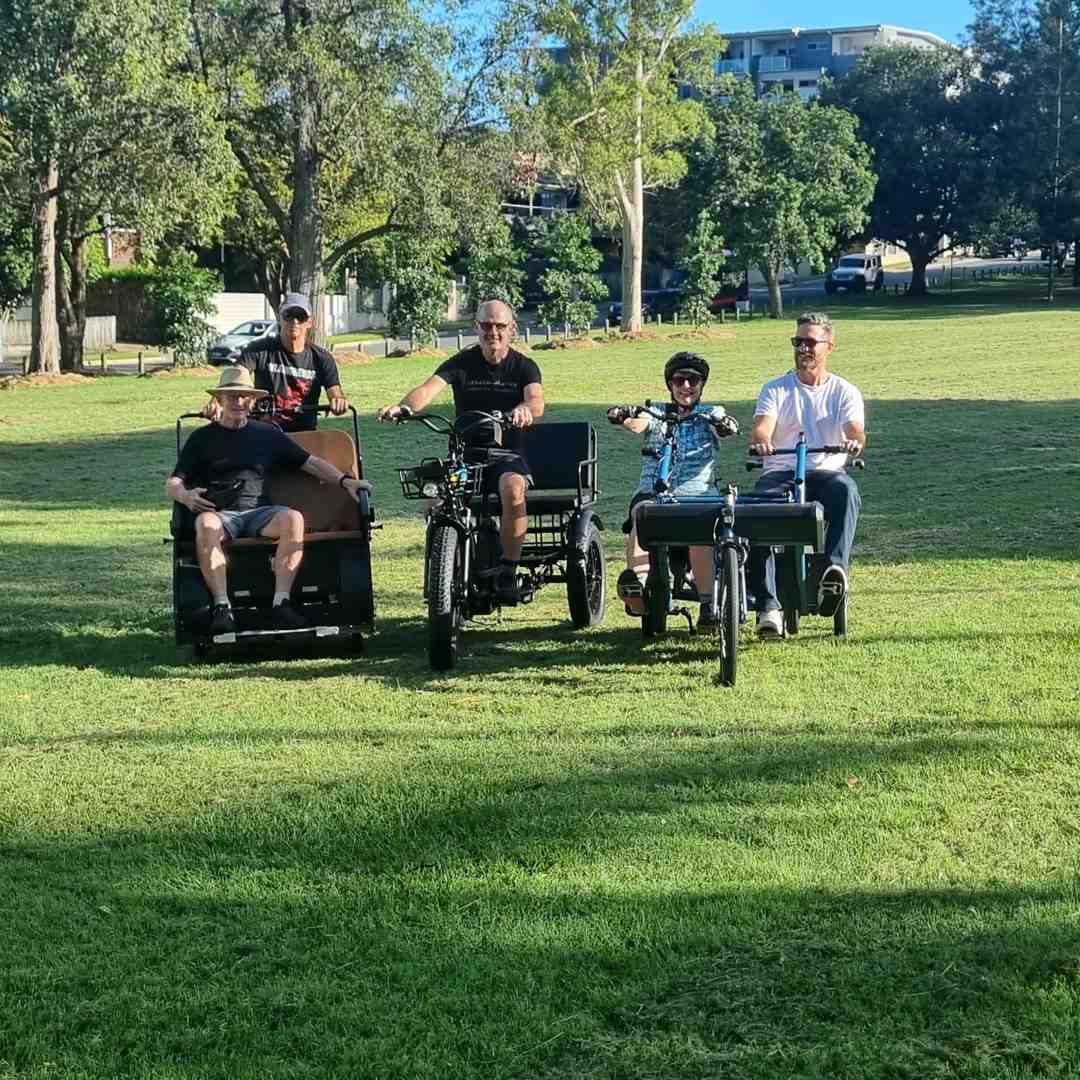
Riding adaptive bikes helps people meet others with similar interests. They can share rides and talk about their experiences.
It is easier to make friends when mobility is not a problem. Adaptive bikes support social connections and teamwork.
- Group rides encourage bonding
- Shared activities build friendships
- Regular meetings improve communication
Promoting Family Engagement
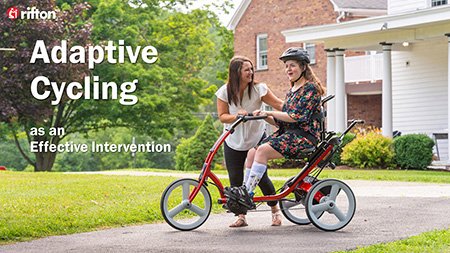
Families can enjoy outings together using adaptive bikes. Everyone can join walks, rides, or trips without worry.
Adaptive bikes help family members support each other. They create chances to spend quality time and build trust.
Credit: www.rifton.com
Real-life Impact Stories
Adaptive bikes help people with different abilities join activities. These bikes make riding easier and safer. Many stories show how they change lives.
Riding a bike is more than exercise. It builds confidence, freedom, and community bonds. Let’s look at some real-life examples.
Children Gaining Confidence
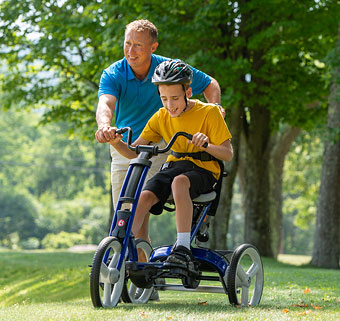
Kids with disabilities often feel left out during playtime. Adaptive bikes help them join friends outdoors. Riding gives children a sense of achievement.
One child who struggled to balance found joy riding an adaptive tricycle. This success helped her try new activities and make friends.
- Improves balance and coordination
- Builds self-esteem and pride
- Encourages social play and teamwork
Adults Reclaiming Freedom
Adults with mobility challenges often lose independence. Adaptive bikes let them travel short distances on their own. This freedom improves their daily life.
A man with a spinal injury started using a handcycle. He now enjoys outdoor rides and visits friends without help. This change boosted his mood and health.
- Increases mobility and independence
- Supports physical fitness and health
- Reduces feelings of isolation
Communities Embracing Diversity
When communities provide adaptive bikes, they show they value all members. Group rides become welcoming for everyone. This helps build strong, inclusive neighborhoods.
Local parks that add adaptive bikes see more families joining events. These spaces become places where people of all abilities connect and share joy.
- Creates shared experiences for all ages
- Encourages acceptance and understanding
- Builds stronger social bonds
Supporting Adaptive Bike Initiatives
Adaptive bikes help people with disabilities enjoy cycling. They offer freedom and improve social connections.
Supporting adaptive bike initiatives means helping more people join their communities. This support comes from many groups.
Nonprofit Programs
Many nonprofits provide adaptive bikes or fund programs. They help people find the right bike for their needs.
These programs often include bike training and group rides. They create safe spaces for socializing and exercise.
- Donate or volunteer with local adaptive bike nonprofits
- Support bike lending and repair programs
- Help organize community rides and events
Government And Policy Support
Government policies can improve access to adaptive bikes. They fund programs and create inclusive public spaces.
Policies help lower costs and increase bike availability. They also promote safe bike paths and parks for all users.
- Advocate for funding adaptive bike programs
- Promote laws that support accessible bike paths
- Encourage local governments to include adaptive bikes in transport plans
Ways To Get Involved
Anyone can help make adaptive bikes more common. Getting involved strengthens social inclusion for people with disabilities.
Volunteering, donating, or sharing information helps grow the community. Small actions make a big difference.
- Volunteer at adaptive bike events or workshops
- Donate funds or bikes to adaptive bike groups
- Raise awareness about adaptive cycling in your community
Credit: everybodyebikes.com.au
Credit: www.rifton.com
Frequently Asked Questions
How Do Adaptive Bikes Promote Social Inclusion?
Adaptive bikes enable people with disabilities to join cycling activities. They improve mobility, boost confidence, and encourage social interaction. This fosters community engagement and reduces social isolation.
Who Benefits Most From Using Adaptive Bikes?
Individuals with physical or neurological disabilities benefit greatly. Adaptive bikes cater to various needs, allowing users to participate in outdoor activities safely and comfortably.
What Features Make Bikes Adaptive For Users?
Adaptive bikes include customized seats, hand pedals, and stability supports. These features accommodate diverse physical abilities, ensuring users can ride with ease and confidence.
Can Adaptive Bikes Improve Mental Health And Social Skills?
Yes, adaptive biking encourages outdoor activity, reducing stress and anxiety. It also promotes teamwork and communication, enhancing social skills and overall well-being.
Conclusion
Adaptive bikes bring people together. They break barriers and build connections. These bikes offer freedom and joy to everyone. People of all abilities can ride and share experiences. This shared activity promotes understanding and friendship. Communities grow stronger with inclusion.
Adaptive bikes help us see past differences. They create opportunities for interaction and bonding. Social inclusion becomes a reality, not just a goal. More adaptive bikes mean more smiles and friendships. Let’s support this movement for a more inclusive world.
A world where everyone rides together.



