
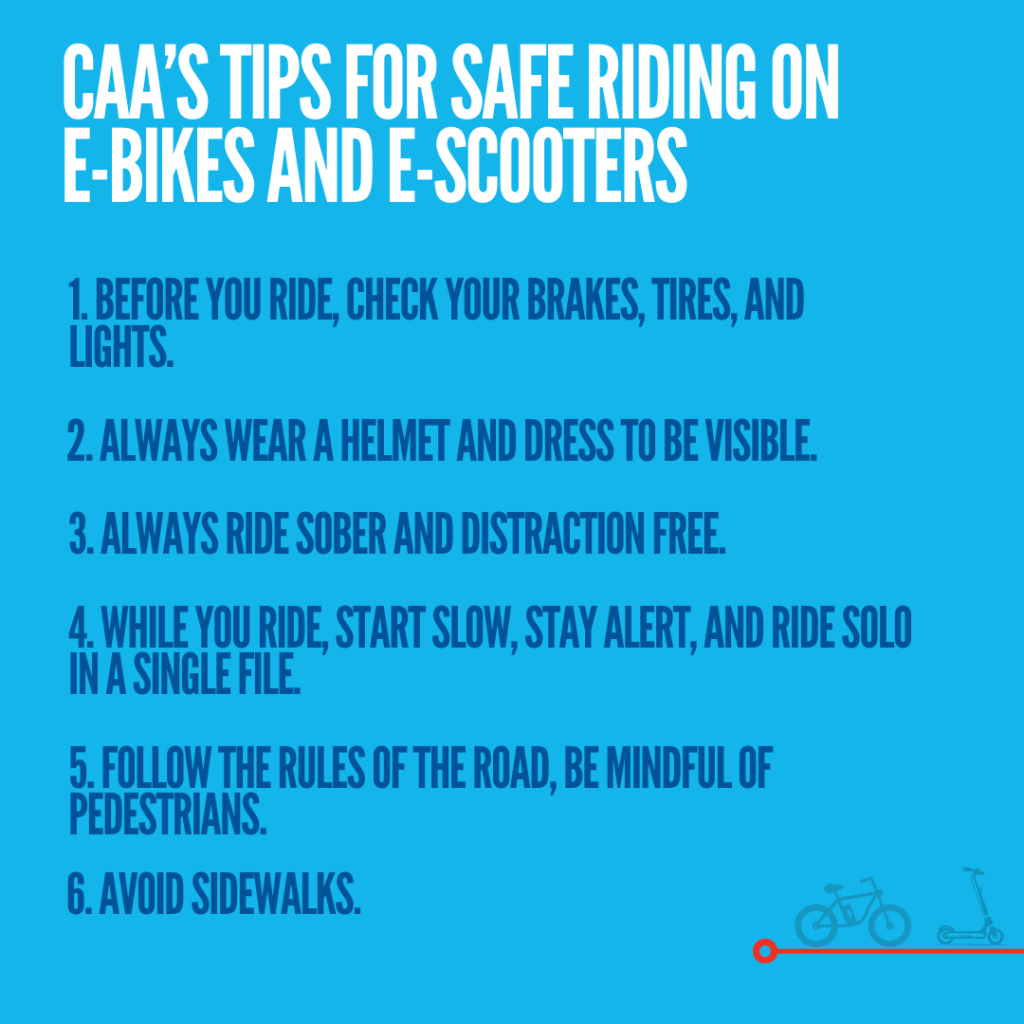
Teaching your kids road safety while biking is one of the best gifts you can give them. Every time they hop on their bike, you want to be sure they stay safe and confident on the road.
But how do you make sure they really understand the rules without overwhelming them? You’ll discover simple, effective ways to teach your children how to ride smart and stay protected. Keep reading, because these tips could make all the difference the next time your child pedals out the door.
Importance Of Road Safety For Kids
Teaching kids about road safety is very important. It helps them stay safe while biking near roads.
Kids who learn road safety rules are less likely to get hurt. They become confident and careful bikers.
Understanding Traffic Signs And Signals
Kids should learn what traffic signs and signals mean. This knowledge helps them know when to stop or go.
Recognizing signs keeps kids safe at intersections and on busy streets.
- Stop signs mean stop and look both ways
- Green lights mean go, but check for cars
- Pedestrian signals show when to walk or wait
Wearing Proper Safety Gear
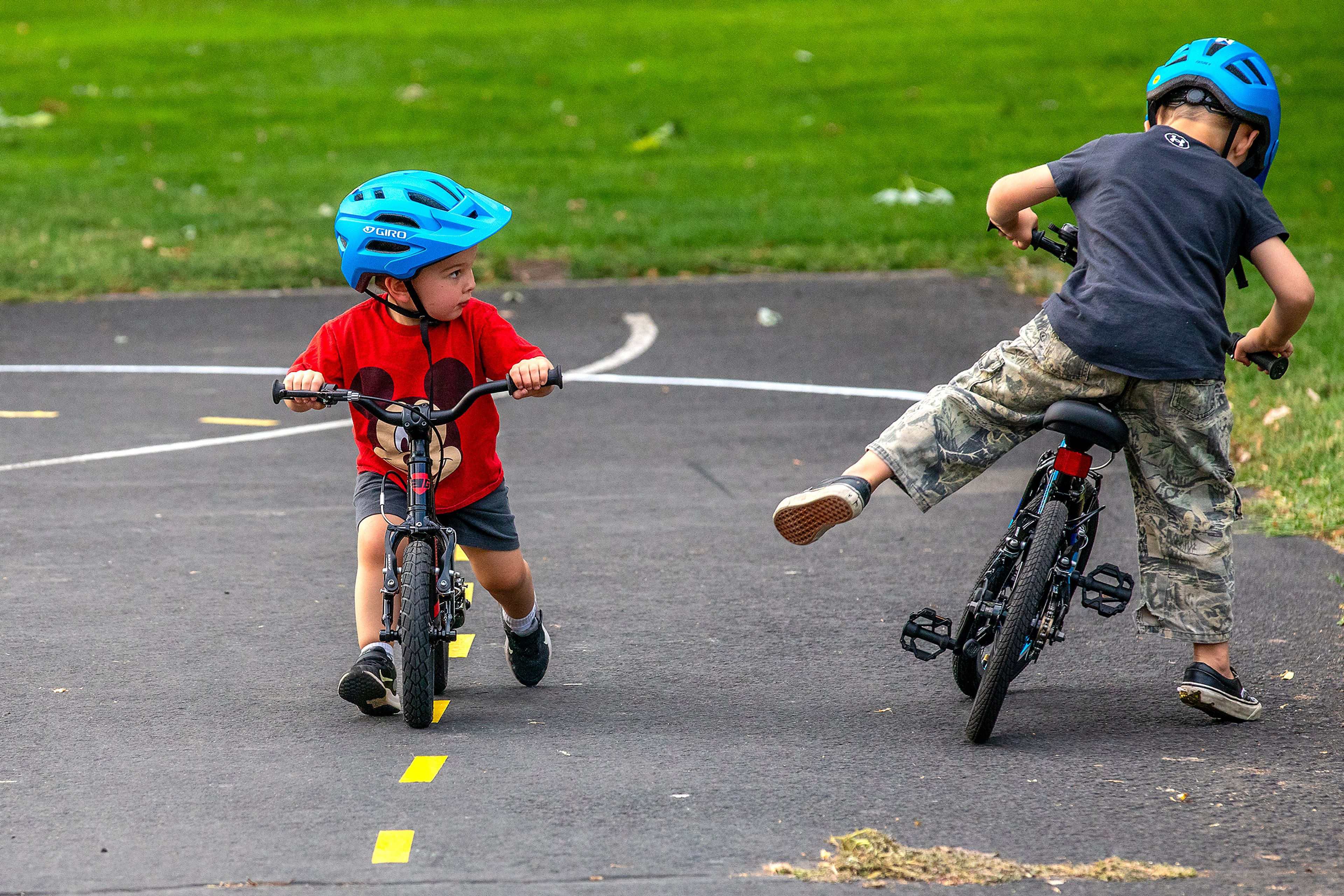
Wearing a helmet protects kids from head injuries. It is the most important safety gear for biking.
Kids should also wear bright clothes and use bike lights. This makes them visible to drivers.
- Always wear a fitted helmet
- Use knee and elbow pads for extra safety
- Wear bright or reflective clothing
- Use front and rear bike lights when riding
Riding In Safe Areas
Kids should bike in safe places like parks or bike paths. These areas have less traffic and fewer dangers.
Avoid busy streets and teach kids to stay away from cars.
- Choose bike paths or sidewalks where allowed
- Stay away from busy roads
- Always ride with an adult if near traffic
Practicing Safe Riding Habits
Kids should learn to always look both ways before crossing. They must stop at all stop signs.
Riding with both hands on the handlebars helps keep control of the bike.
- Stop and look left, right, then left again
- Follow all traffic rules and signals
- Keep both hands on the handlebars
- Ride in a straight line, not weaving
Teaching Kids To Be Aware Of Their Surroundings
Kids must watch out for cars, pedestrians, and obstacles. Being alert helps avoid accidents.
Tell kids to avoid using headphones or phones while biking. This keeps their attention on the road.
- Look and listen for cars and people
- Watch out for uneven roads and potholes
- Do not use headphones or mobile devices
- Stay focused on the road at all times
Choosing The Right Bike And Gear
Teaching kids road safety while biking starts with the right bike and gear. A bike that fits well helps children control it better.
Proper safety gear protects kids from injuries. Choosing the right equipment builds good safety habits early.
Selecting A Properly Sized Bike
A bike that fits your child keeps them comfortable and safe. Measure their height and check the bike size chart.
Look for a bike where your child can touch the ground with their feet. This helps them stop and balance easily.
- Choose a bike frame size based on your child’s height
- Check the seat height and handlebar reach
- Ensure the child can place both feet flat on the ground
- Test the bike for easy braking and steering
Essential Safety Gear For Kids
Kids need proper safety gear to protect them while biking. Always use a helmet that fits well and meets safety standards.
Other gear like knee pads and gloves can help prevent scrapes and bruises. Bright clothing makes kids more visible to drivers.
- Helmet: Fits snugly and covers the forehead
- Knee and elbow pads for extra protection
- Gloves to improve grip and protect hands
- Bright or reflective clothing for visibility
- Proper shoes that cover the toes
Basic Biking Skills To Teach
Teaching kids how to bike safely is very important. Start by focusing on simple skills. These will help kids feel confident and stay safe on the road.
Two key skills are balancing and steering, and starting and stopping safely. These basics build a strong foundation for safe biking habits.
Balancing And Steering
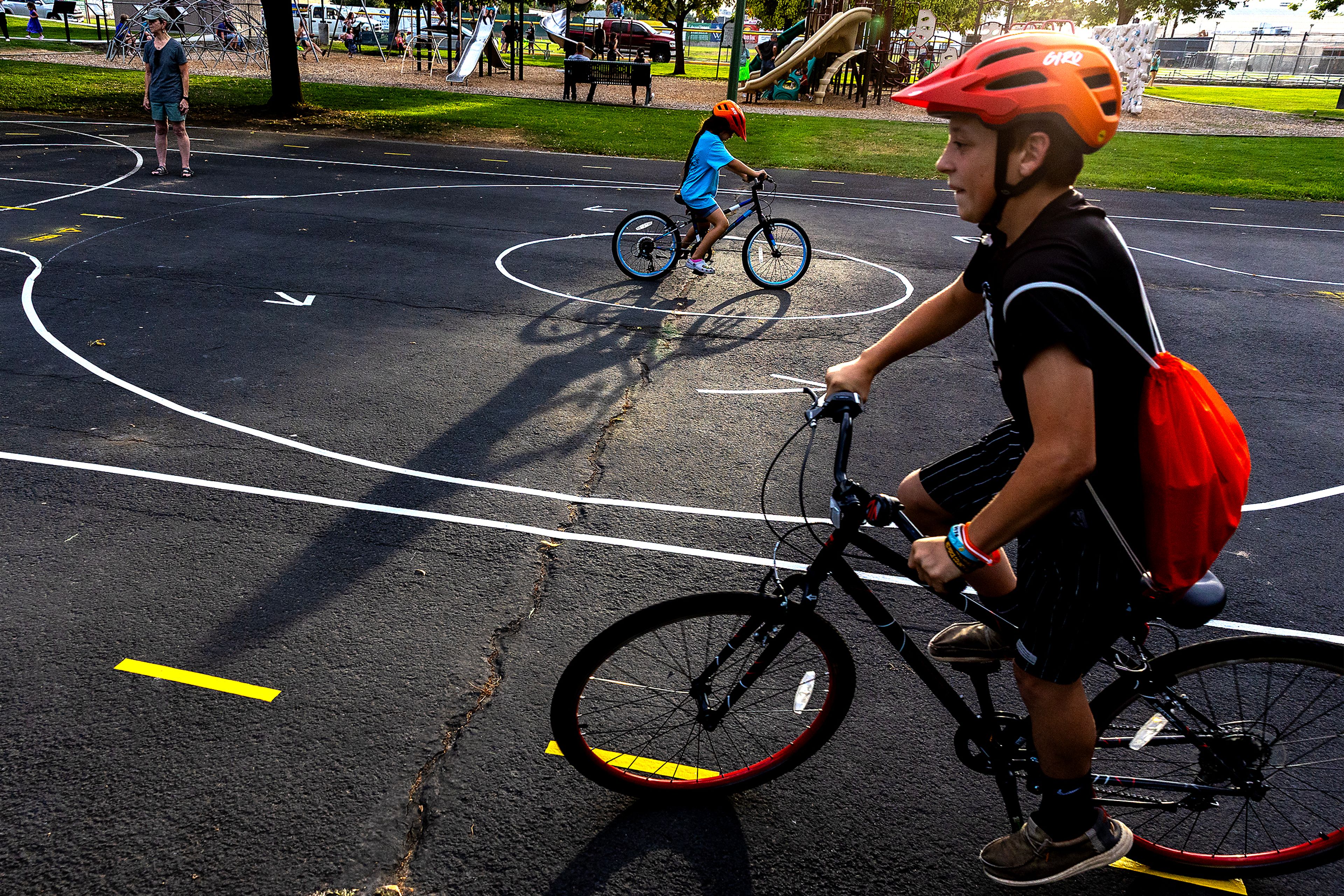
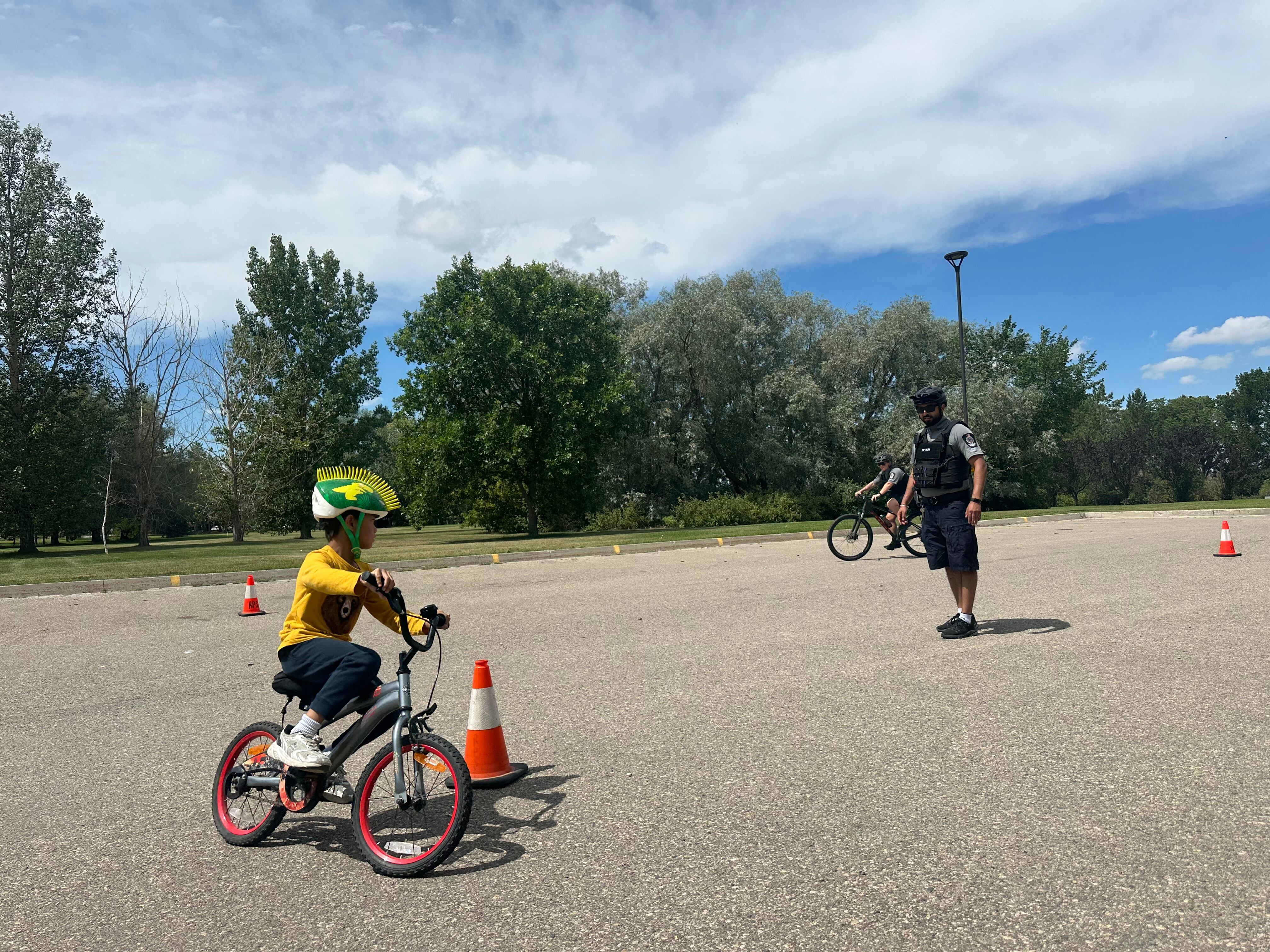
Balancing is the first skill kids need to learn. It helps them ride without falling. Steering helps them control the bike’s direction. Practice these skills on a flat, open space.
- Show how to sit straight and keep eyes forward.
- Practice gliding without pedaling to feel balance.
- Teach gentle turns using the handlebars.
- Encourage small steering movements to stay steady.
- Use cones or markers for kids to steer around.
Starting And Stopping Safely
Starting and stopping control the bike’s motion. Kids need to know how to start riding and stop without losing balance. Teach them to use brakes gently and look around before moving.
| Action | What to Teach |
| Starting | Place one foot on the pedal, push off with the other foot, then begin pedaling. |
| Stopping | Use both brakes evenly, slow down smoothly, and put one foot down to balance. |
| Looking | Check left and right before starting or stopping to watch for traffic or obstacles. |
Credit: www.dnews.com
Road Rules For Young Bikers
Teaching kids road safety while biking helps keep them safe. Young bikers must learn the basic rules of the road.
Knowing how to follow traffic rules helps children avoid accidents. It builds their confidence when riding outside.
Traffic Signals And Signs
Kids should understand common traffic signals and signs. These guide bikers when to stop, go, or slow down.
Red means stop, green means go, and yellow means be ready to stop. Stop signs mean to come to a full stop.
- Stop sign: Always stop before crossing
- Traffic lights: Follow red, yellow, and green
- Pedestrian crossing: Watch for people walking
- Bike lane sign: Use designated bike paths
Using Hand Signals
Hand signals help bikers show their next move to others. Teach kids to use clear and simple signals.
Use the left arm to signal turns and stops. This helps drivers and pedestrians know what the biker will do.
- Left turn: Extend left arm straight out
- Right turn: Extend left arm up at a right angle
- Stop or slow down: Extend left arm down
Riding On The Sidewalk Vs. Road
Sidewalk rules vary by location, but kids should know the difference. Riding on the road needs more caution.
Sidewalks are safer for beginners but watch for pedestrians. On the road, bikers must follow all traffic laws.
- Sidewalk: Ride slowly, watch for people
- Road: Stay in bike lanes or close to the right
- Always wear a helmet and bright clothes
- Check for cars before crossing streets
Safe Riding Habits
Teaching kids safe riding habits helps them stay safe on their bikes. It builds good routines they will use every time.
Parents and teachers should guide kids on how to be careful and aware while biking. This keeps accidents away.
Staying Alert And Avoiding Distractions
Kids must watch the road and their surroundings at all times. Paying attention helps them see cars and other dangers.
Distractions like phones, music, or talking too much can cause accidents. Teach kids to focus on riding safely.
- Keep eyes on the road and traffic signs
- Listen for sounds like car horns or bells
- Avoid using phones or headphones while biking
- Stop talking when crossing streets
Riding With Supervision
Young kids should always ride with an adult or older person. Supervision helps prevent risky moves and teaches good habits.
Adults can guide kids on how to ride properly and how to react in traffic or emergencies. This builds confidence and safety.
- Ride in groups with a trusted adult
- Adults show the correct way to use hand signals
- Supervisors keep an eye on traffic and road conditions
- Adults stop kids if they take unsafe routes
Avoiding Dangerous Areas
Kids should avoid busy streets and places with poor bike paths. These areas have higher risks of accidents.
Teach kids to choose safe routes like parks, bike lanes, or quiet neighborhoods. Safe areas reduce the chance of crashes.
- Stay away from highways and busy roads
- Use bike paths and sidewalks where allowed
- Avoid dark or poorly lit areas
- Choose flat, smooth paths instead of rough terrain
Credit: www.ctvnews.ca
Practicing With Kids
Teaching kids road safety while biking is important for their safety. Practicing helps kids learn rules and feel confident.
Practice sessions let children understand traffic signs and signals. It also builds good biking habits early on.
Simulated Road Scenarios
Create safe, fake road setups to practice biking skills. Use cones, signs, and crosswalks in a quiet area.
Kids can learn to stop at signs, look both ways, and follow bike lane rules. This practice prepares them for real roads.
- Set up stop signs and traffic lights
- Mark bike lanes with tape or chalk
- Use cones to create turns and intersections
- Practice stopping, starting, and signaling
Role-playing Exercises
Role-playing helps kids understand different road users. They can take turns being drivers, cyclists, and pedestrians.
This activity teaches kids how to react safely in various situations. It improves their decision-making and awareness.
- Act out crossing the street safely
- Practice hand signals for turning
- Simulate stopping for cars and pedestrians
- Teach looking both ways before moving
Encouraging Responsibility And Confidence
Teaching kids road safety while biking helps them stay safe and feel confident. It also builds a sense of responsibility for their own actions.
Parents and teachers can use simple methods to guide children. These methods encourage good habits and clear rules for biking safely.
Positive Reinforcement
Positive reinforcement means praising good behavior to encourage it. Kids respond well to rewards and kind words when they follow safety rules.
- Say “Good job” when they wear a helmet.
- Give small rewards for stopping at stop signs.
- Encourage them to check their bike before riding.
- Recognize their efforts to ride carefully in traffic.
- Use stickers or charts to track safe biking days.
Setting Clear Safety Expectations
Clear safety expectations help kids understand what is required. Setting rules makes it easier for them to know how to act on the road.
| Safety Rule | Reason |
| Always wear a helmet | Protects the head in case of falls |
| Stop at all stop signs | Prevents accidents at intersections |
| Use hand signals when turning | Tells others your intentions |
| Ride on the right side of the road | Keeps you visible to drivers |
| Check your bike before riding | Ensures brakes and tires work well |
Credit: www.dnews.com
Frequently Asked Questions
How Can I Teach Kids To Wear Helmets Properly?
Always explain the importance of helmets for safety. Show kids how to wear one snugly. Ensure the helmet covers the forehead and fits without wobbling.
What Road Signs Should Kids Know While Biking?
Teach kids common signs like stop, yield, and pedestrian crossing. Explain their meanings clearly. Use real-life examples during bike rides for better understanding.
How Do I Explain Safe Biking Routes To Kids?
Choose quiet streets or bike paths with low traffic. Show kids how to identify safe routes. Always encourage riding with adult supervision.
Why Is Hand Signaling Important For Kids Biking?
Hand signals communicate intentions to drivers and other cyclists. Teach kids basic signals: left turn, right turn, and stop. Practice signals regularly to build confidence.
Conclusion
Teaching kids road safety is crucial for their biking adventures. Simple steps like wearing helmets and understanding traffic signals keep them safe. Parents should practice these rules with their children regularly. Make learning fun with games and challenges. Encourage kids to ask questions and share their biking experiences.
This builds confidence and awareness. Keep road safety a regular conversation at home. Kids learn best through repetition and example. With patience and practice, road safety becomes second nature. So, equip your children with these skills. Watch them ride safely and confidently.
Their safety is always the top priority.



