
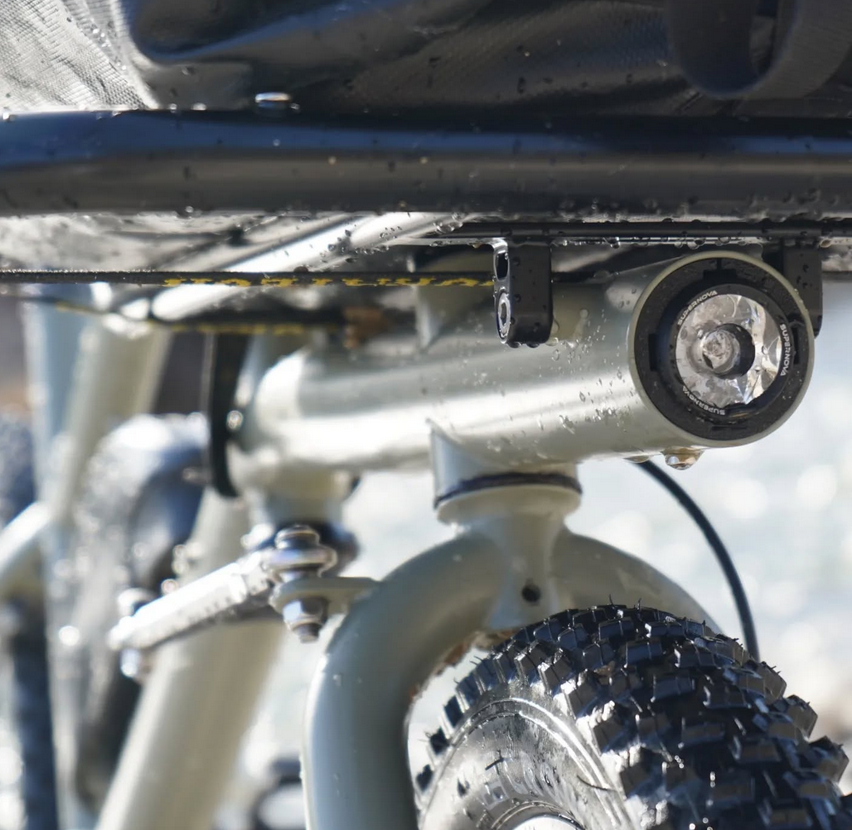
Choosing the right dynamo hub for your bikepacking lighting can make all the difference between riding safely through the night and struggling with dim, unreliable light. You want a setup that’s powerful, dependable, and easy to maintain on the road.
But with so many options out there, how do you know which one fits your needs best? You’ll discover simple tips to pick the perfect dynamo hub that keeps your path bright and your ride smooth. Keep reading to find out how to make your bikepacking trips safer and more enjoyable with the right lighting choice.

Credit: offcourse.bike
Benefits Of Dynamo Hubs
Dynamo hubs provide a reliable way to power your bike lights. They generate electricity as you pedal. This makes them a popular choice for bikepacking trips.
Choosing the right dynamo hub ensures you have light whenever you need it. It also helps protect the environment and supports long rides.
Consistent Power Supply
Dynamo hubs deliver steady power to your lights while you ride. This means you do not have to worry about batteries running out. The power keeps flowing as long as your wheels turn.
- Provides constant light for safety
- Works in all weather conditions
- No need to carry extra batteries
- Lights turn on automatically with the wheel
Eco-friendly Energy Source
Dynamo hubs use your pedaling energy to create electricity. They do not need disposable batteries or external power. This reduces waste and pollution.
| Energy Source | Environmental Impact |
| Pedaling | Zero emissions |
| Batteries | Creates waste and pollution |
| Solar panels | Depends on sunlight availability |
Reliability On Long Trips
Dynamo hubs work well on long journeys. They do not run out of power like batteries. You can count on them for continuous light in remote areas.
Reasons to trust dynamo hubs for long trips:
- No need to carry spare batteries
- Durable and low maintenance
- Works in all temperatures
- Power output matches your speed
Types Of Dynamo Hubs
Dynamo hubs provide power for bike lights during bikepacking trips. They generate electricity as you pedal. Choosing the right type of hub helps keep your lights bright and your ride smooth.
There are different kinds of dynamo hubs. Each type has its own features and benefits. Understanding these types will help you pick the best one.
Sidewall Dynamo Hubs
Sidewall dynamo hubs use a small roller that touches the bike tire sidewall. When the wheel spins, the roller turns the generator inside the hub. This creates electricity for your lights.
These hubs are easy to install and usually cost less. They work well in dry conditions but can slip in rain or mud. This can reduce power and light output.
Hub Dynamo Systems
Hub dynamo systems are built inside the front wheel hub. The generator is sealed inside the hub shell. This makes them very durable and weather-resistant.
They provide steady power and do not slip. Hub dynamos work well in all weather. They add a little weight but give reliable lighting on long trips.
Comparison Of Efficiency
Efficiency means how well the hub generates power with less effort. A more efficient hub uses less pedaling energy to power lights.
| Type | Efficiency | Weather Performance | Installation |
|---|---|---|---|
| Sidewall Dynamo Hubs | Lower efficiency due to roller slip | Less reliable in wet or muddy conditions | Easy and quick to install |
| Hub Dynamo Systems | Higher efficiency with steady power | Works well in all weather | Needs wheel rebuilding or special wheel |
Key Features To Consider
Choosing the right dynamo hub is important for reliable lighting on bikepacking trips. It affects how well your lights work and how comfortable your ride is.
This guide covers key features to help you pick a dynamo hub that fits your needs and bike setup.
Power Output And Voltage
Dynamo hubs provide electricity to power your bike lights. The power output and voltage affect brightness and compatibility with your devices.
- Most hubs offer 3 watts at 6 volts, which suits standard bike lights.
- Higher power output can run additional devices like USB chargers.
- Check if the hub’s voltage matches your lighting system to avoid damage.
- Some hubs provide stable power at low speeds, important for rough terrain.
Weight And Durability
Weight matters for bikepacking because every gram counts. Durability ensures the hub lasts through rough conditions.
| Feature | Consideration |
| Weight | Lighter hubs reduce overall bike weight but may cost more. |
| Material | Aluminum hubs are light and resist rust; steel hubs are heavier but very strong. |
| Sealing | Good seals protect internal parts from water and dirt. |
| Maintenance | Low-maintenance hubs save time and effort during trips. |
Compatibility With Bike Frames
Your dynamo hub must fit your bike frame and wheel size. Check these points before buying.
- Hub spacing should match your bike’s fork or rear dropout width.
- The hub must fit the wheel size you use, like 26″, 27.5″, or 29″.
- Axle type matters: quick-release or thru-axle must match your frame.
- Brake compatibility is key: some hubs work with disc brakes, others with rim brakes.
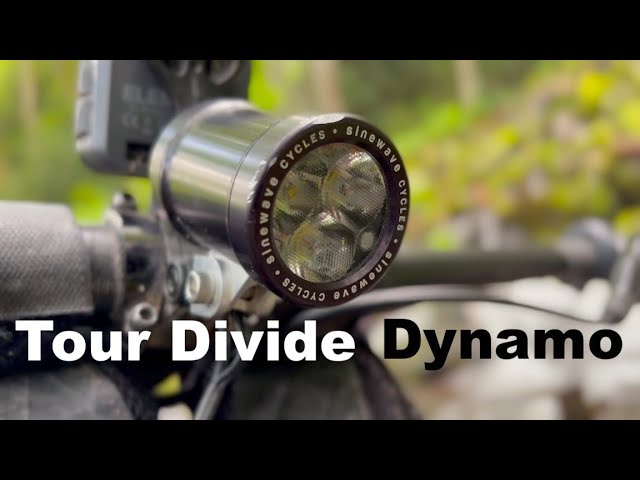
Credit: www.youtube.com
Lighting Requirements For Bikepacking
Bikepacking needs reliable lighting for safety and navigation. Choosing the right dynamo hub helps keep your lights steady and bright.
Consider brightness, power storage, and weather resistance. These factors ensure your lights work well in all conditions.
Brightness And Beam Pattern
Brightness is key for seeing the trail and being seen by others. The beam pattern affects how light spreads ahead of you.
- Look for hubs that support high-power lights for clear visibility.
- Choose beam patterns that suit your riding style: focused for roads, wide for trails.
- Adjustable beams help adapt to different environments.
Battery Storage Options
Dynamo hubs produce power continuously, but storing energy helps when stopped or in low light. Battery options vary in capacity and size.
| Battery Type | Capacity | Weight | Use Case |
| Small Li-ion | 2000 mAh | 100 g | Short rides and minimal backup |
| Medium Li-ion | 4000 mAh | 200 g | Day trips with stops |
| Large Li-ion | 6000 mAh | 300 g | Multi-day trips, long stops |
Weather Resistance
Bikepacking exposes your gear to rain, mud, and dust. Weather resistance extends the life of your hub and keeps power steady.
- Choose hubs with sealed bearings to keep dirt and water out.
- Look for corrosion-resistant materials like stainless steel or aluminum.
- Check IP ratings for dust and water protection levels.
Installation Tips
Selecting and installing dynamo hubs for bikepacking lights needs care. Proper setup ensures reliable light and safe rides.
This guide covers key tips on wheel size, cable routing, and maintenance for your dynamo hub installation.
Wheel Size And Hub Selection
Choose a dynamo hub that fits your bike’s wheel size. Most hubs suit 26″, 27.5″, or 29″ wheels.
- Check hub specifications for compatible wheel diameters.
- Match the hub’s spoke count to your rim’s spoke holes.
- Consider hub width to fit your bike frame dropouts.
- Pick a hub with the right power output for your lighting needs.
Cable Routing And Connections
Route cables carefully to avoid damage and maintain clean looks. Secure cables with zip ties or clips.
| Tip | Details |
| Avoid Sharp Bends | Keep cables smooth to prevent breaks or signal loss. |
| Use Waterproof Connectors | Protect connections from rain and mud. |
| Secure Cables | Prevent cables from rubbing on moving parts. |
| Test Connections | Check light operation before your ride. |
Maintenance And Troubleshooting
Keep your dynamo hub clean and check it regularly. This extends its life and keeps lights bright.
- Clean the hub and spokes with a soft cloth.
- Inspect cables and connectors for wear or corrosion.
- Listen for unusual noises that may indicate bearing issues.
- Check light brightness; dim lights may mean wiring problems.
- Adjust or replace parts as needed to maintain function.
Popular Dynamo Hub Brands
Dynamo hubs are important for bikepacking lighting. They provide power for your lights while you ride. Choosing a reliable brand helps ensure safety and performance.
Many brands make dynamo hubs. Some are known for quality and durability. Here are three popular brands to consider for your bikepacking setup.
Shimano
Shimano is a well-known brand in cycling. Their dynamo hubs are reliable and affordable. They work well for many riders and conditions.
Shimano hubs often come with low drag. This means less effort is needed when riding. They are easy to find and have good service support.
- Affordable price
- Low drag design
- Good availability
- Wide compatibility
Schmidt Son
Schmidt SON hubs are known for high quality. They use strong materials and precise engineering. Many bikepackers trust SON for long trips.
These hubs have very low drag and high power output. They are designed to last many years. SON hubs often cost more but offer great value.
- Excellent durability
- Very low drag
- High power output
- Premium materials
Sp Dynamo
SP Dynamo hubs are handmade in Germany. They focus on strong build and reliability. Many riders like their smooth performance.
SP hubs offer good power and low resistance. They come in different versions for various bike styles. They are a solid choice for bikepacking.
- Handmade quality
- Reliable power output
- Low drag for easier riding
- Multiple model options
Budgeting For Dynamo Hubs
Choosing the right dynamo hub for bikepacking lighting needs a clear budget plan. Knowing how much to spend helps you find the best fit.
Balancing cost and quality is important to get reliable lighting without overspending. This guide helps you plan your budget well.
Cost Vs. Performance
Dynamo hubs come in many price ranges. Cheaper models may save money but could offer less power or durability.
Higher-priced hubs usually perform better and last longer. They keep your lights bright and steady during long trips.
- Low-cost hubs may have lower power output
- Mid-range hubs balance price and performance
- High-end hubs provide strong and consistent power
- Check user reviews to compare real-world performance
Long-term Investment Benefits
Spending more on a quality dynamo hub pays off over time. Good hubs need less maintenance and rarely fail.
This reduces repair costs and keeps your bikepacking trips safe with reliable lighting.
- Durable hubs last many years
- Better efficiency means less effort when pedaling
- Strong hubs reduce the risk of light failure
- Save money on replacements and repairs

Credit: www.reddit.com
Enhancing Your Lighting Setup
Choosing the right dynamo hub is key to a bright and reliable bikepacking light. It powers your lights while you ride, keeping you safe in the dark.
Beyond the hub, you can improve your lighting setup in many ways. This guide covers adding extra lights, storing power, and smart controls.
Adding Auxiliary Lights
Auxiliary lights give you more brightness and better coverage. They help you see wider paths or signal to others on the road.
- Use front auxiliary lights for wider beam angles.
- Add rear auxiliary lights for extra visibility.
- Choose lights with separate power inputs or run them in parallel.
- Make sure your dynamo hub can handle the extra load.
- Test your setup before long rides to ensure stable power.
Using Capacitors And Batteries
Capacitors and batteries store energy to keep lights on when you stop or slow down. This adds safety at intersections or during breaks.
| Type | Benefit | Consideration |
|---|---|---|
| Capacitor | Charges quickly, lasts minutes | Smaller energy storage, limited run time |
| Battery | Stores more energy, lasts longer | Needs charging, adds weight |
Smart Lighting Controls
Smart controls let you adjust light brightness and modes easily. They can save power and match light output to conditions.
Features of smart lighting controls:
- Automatic brightness adjustment based on speed or light
- Manual mode switching for different riding conditions
- Power-saving settings to extend ride time
- Wireless control options for convenience
Frequently Asked Questions
What Factors Affect Choosing A Dynamo Hub For Bikepacking?
Consider power output, durability, weight, and compatibility with your bike. Weather resistance and ease of maintenance also matter for long trips.
How Much Power Should A Dynamo Hub Provide?
A dynamo hub should provide around 3 watts at 6 volts for efficient lighting. This ensures bright lights without excessive drag.
Are All Dynamo Hubs Compatible With Bikepacking Lights?
Most dynamo hubs work with standard 6V lighting systems. Check your light’s voltage and connector type before purchasing.
How Does Hub Weight Impact Bikepacking Performance?
Lighter hubs reduce overall bike weight and improve handling. However, durability and power output should not be sacrificed for weight.
Conclusion
Selecting the right dynamo hub for bikepacking lighting is crucial. Focus on durability and efficiency. Consider the weight, as lighter options may improve your ride. Budget matters too, so choose wisely. Research different brands and models for the best fit.
Always read user reviews for insights and reliability. Check compatibility with your bike for smooth installation. Prioritize long-lasting performance to ensure reliable lighting. With these tips, you can make an informed decision. Enjoy a well-lit, safe, and enjoyable bikepacking adventure.



