
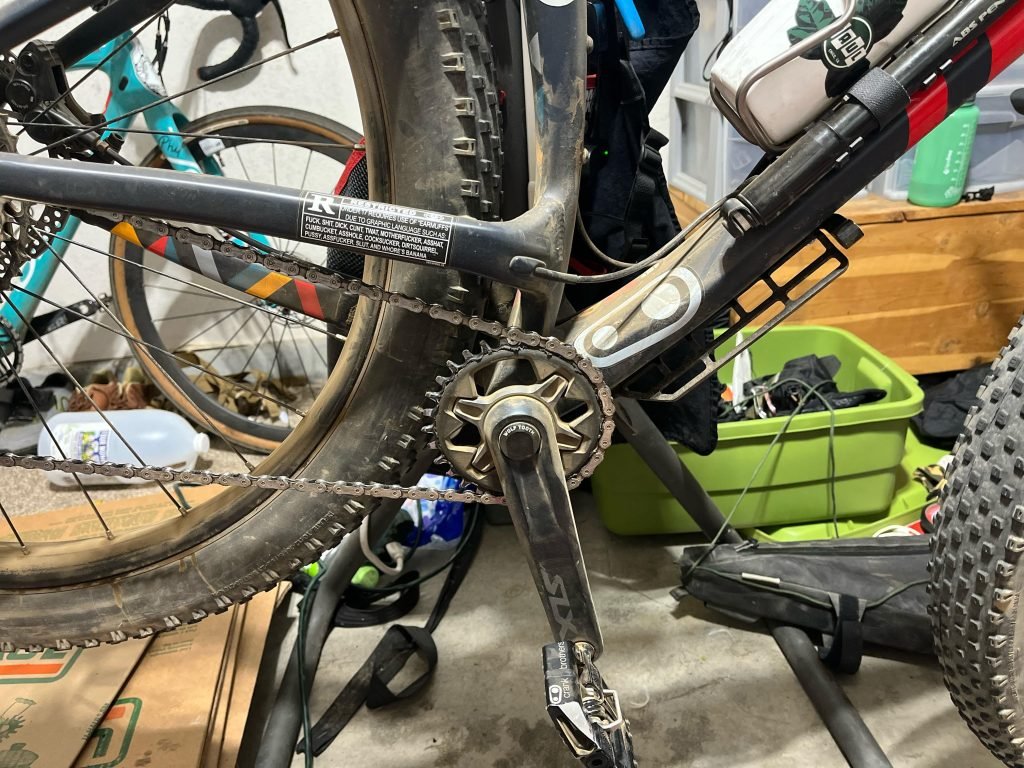
If you love rugged bikepacking, you know your bike’s chain takes a beating. Dirt, mud, and rough trails can quickly wear it down, leaving you stuck or slowing you down when you least want it.
But here’s the good news: with the right care, you can keep your chain running smoothly no matter how tough the ride gets. You’ll discover simple, effective ways to maintain your chain during your wildest adventures. Keep reading, and you’ll learn how to protect your bike, save money on repairs, and enjoy every mile with confidence.
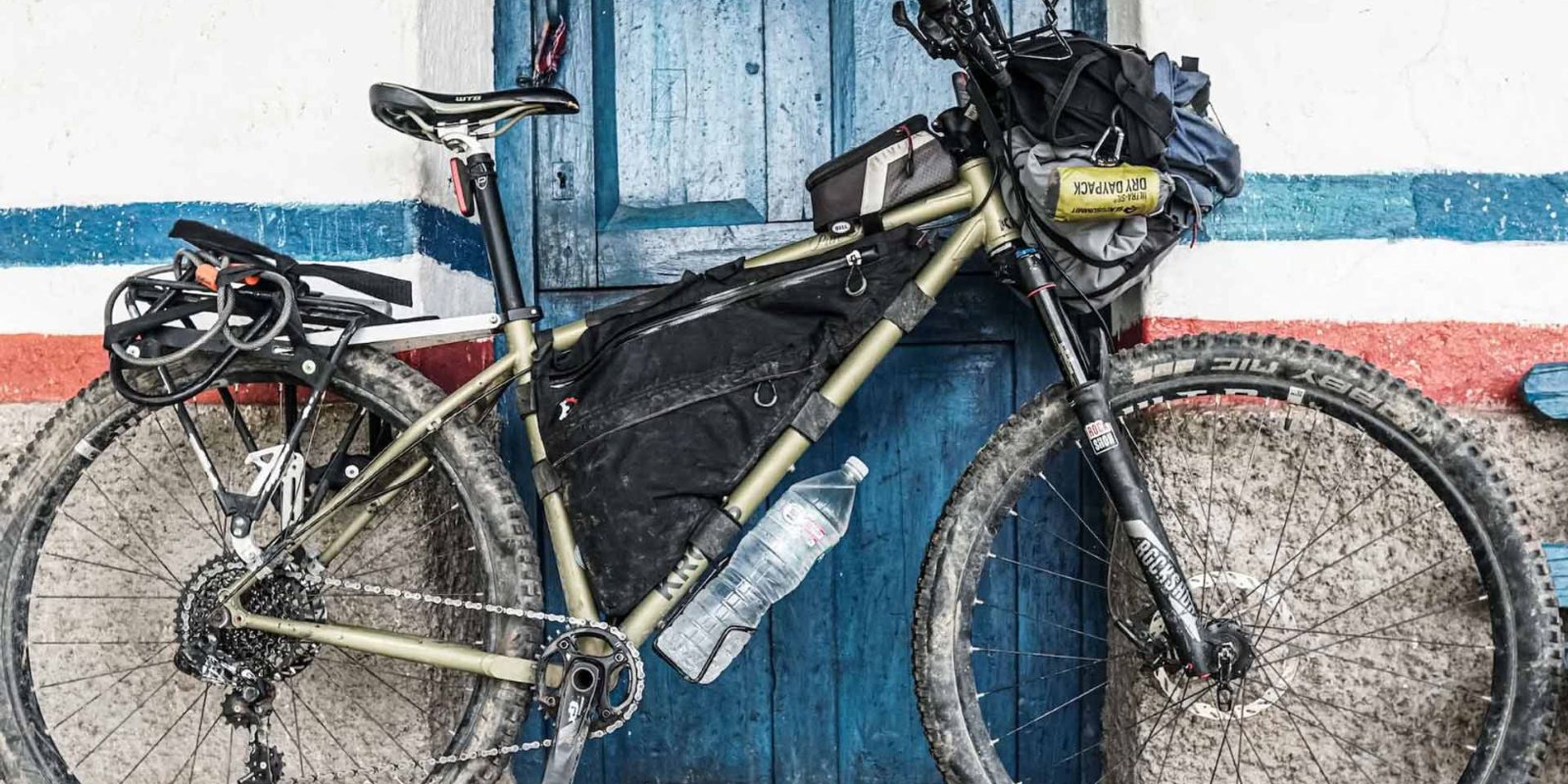
Credit: www.calltoadventure.uk
Choosing The Right Chain
Maintaining your bike chain is important for a smooth ride. Picking the right chain helps it last longer.
Rugged bikepacking needs a strong chain. It must handle rough trails and tough conditions.
Chain Types For Rugged Terrain
Different chains work better on rough paths. Choose a chain made for mountain or off-road bikes.
Chains with extra links and thicker plates resist damage on rugged trails.
- Standard mountain bike chains
- Heavy-duty chains for off-road use
- Chains designed for single-speed or multi-speed setups
Material And Durability
Chain material affects strength and wear resistance. Steel is common and tough for rough use.
Some chains have coatings to stop rust and dirt buildup. This helps them last in wet or muddy conditions.
- Nickel-plated steel for rust resistance
- Stainless steel for durability and corrosion resistance
- Chrome coatings to reduce friction and wear
Compatibility With Drivetrain
Chains must match your bike’s gears and drivetrain system. Wrong chains cause slipping and damage.
Check the number of speeds on your cassette. Chains are made for specific speed ranges.
- 9-speed chains fit 9-speed drivetrains
- 10-speed chains fit 10-speed drivetrains
- 11 and 12-speed chains fit higher speed setups
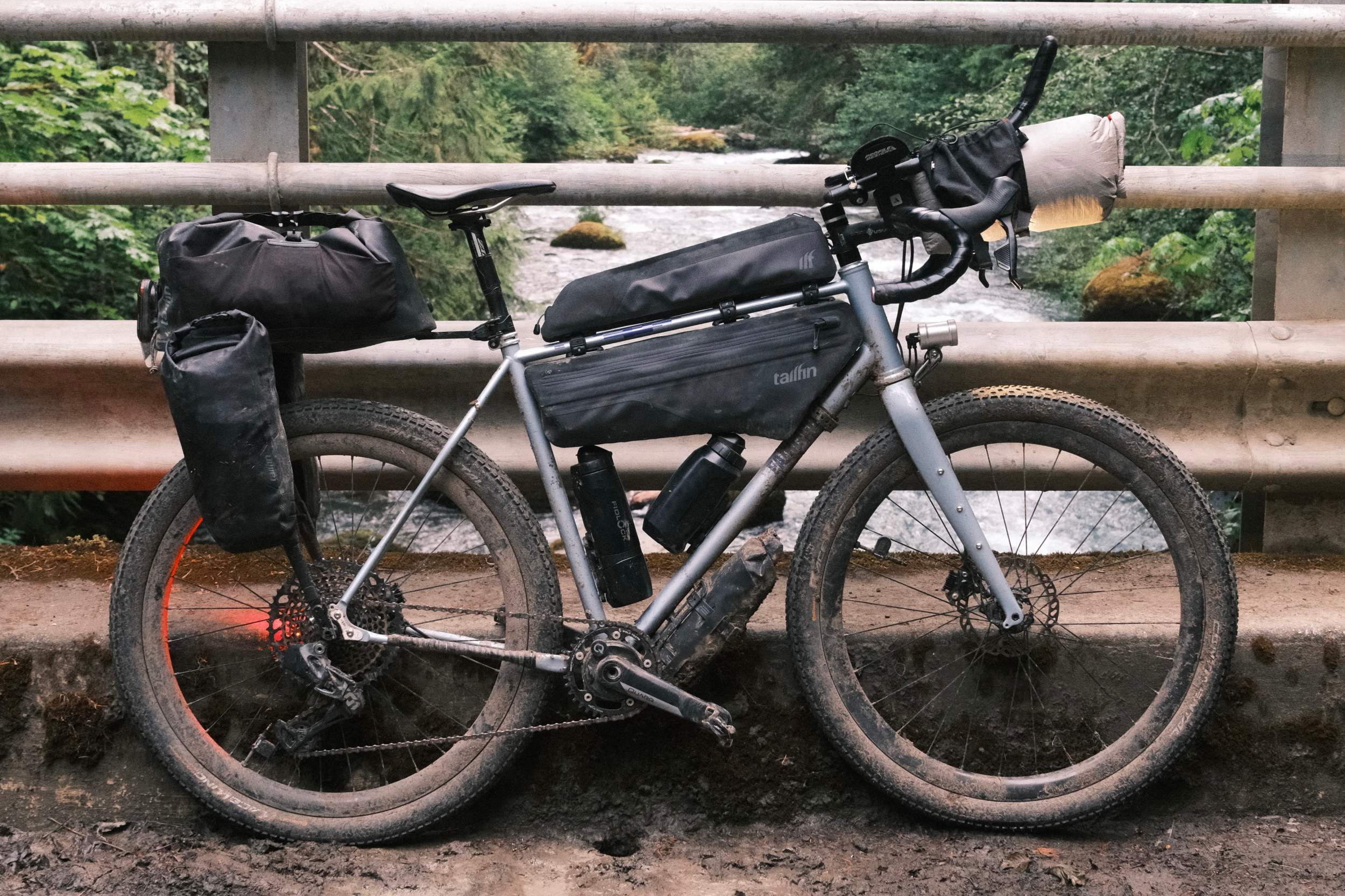
Credit: bikepacking.com
Essential Chain Maintenance Tools
Keeping your bike chain clean and well-lubricated is key for rugged bikepacking trips. Proper tools make the job easier and ensure your chain lasts longer.
Here are the essential tools you need to maintain your bike chain on rough trails and long rides.
Portable Chain Cleaner
A portable chain cleaner helps remove dirt and grime from the chain while on the trail. It is compact and easy to carry in your pack.
- Small size fits in bike bags
- Uses brushes and cleaning fluid
- Quick to use between rides
- Reduces wear on chain and gears
Lubricants For Various Conditions
Different weather and trail conditions need different lubricants. Choosing the right one keeps your chain smooth and prevents rust.
| Condition | Lubricant Type | Benefits |
| Dry and dusty | Dry lube | Prevents dirt build-up |
| Wet and muddy | Wet lube | Resists washing off |
| Cold weather | All-weather lube | Works in low temperatures |
| General use | Light oil | Good for daily rides |
Multi-tools And Spare Links
Multi-tools with chain breakers and spare links help fix chain issues during your ride. Carrying these tools prevents long delays on the trail.
- Chain breaker tool removes damaged links
- Spare quick links for easy chain repair
- Compact multi-tool includes screwdrivers and wrenches
- Lightweight and fits in small pockets
Cleaning Your Chain On The Trail
Keeping your bike chain clean during rugged bikepacking is important. Dirt and grime reduce performance and wear out parts faster.
Simple cleaning methods help maintain your chain on the trail. This guide covers how to remove dirt, quick cleaning tips, and how to avoid water damage.
Removing Dirt And Debris
Dirt and debris build up quickly on bike chains during off-road rides. Removing them prevents chain wear and keeps shifting smooth.
- Use a dry brush or old toothbrush to scrub the chain.
- Remove large chunks of mud or leaves by hand if possible.
- Tap the chain gently to loosen stuck dirt.
- Wipe the chain with a clean cloth to pick up loose debris.
Quick Cleaning Techniques
When time is short, use these quick methods to keep your chain working well until a full cleaning is possible.
- Apply a small amount of chain lubricant to reduce friction.
- Use a cloth to wipe off excess lubricant and dirt.
- Spin the pedals backward while wiping to clean all chain parts.
- If available, use a portable chain cleaning tool with minimal fluid.
Avoiding Water Damage
Water can cause rust and damage your chain. Use care to protect the chain from excess moisture.
| Action | Reason |
| Do not soak the chain in water | Prevents rust and removes lubricant |
| Dry the chain quickly after rain or water exposure | Stops moisture from causing corrosion |
| Apply lubricant after cleaning or water exposure | Protects metal and improves performance |
| Store bike covered when possible | Keeps chain dry and clean |
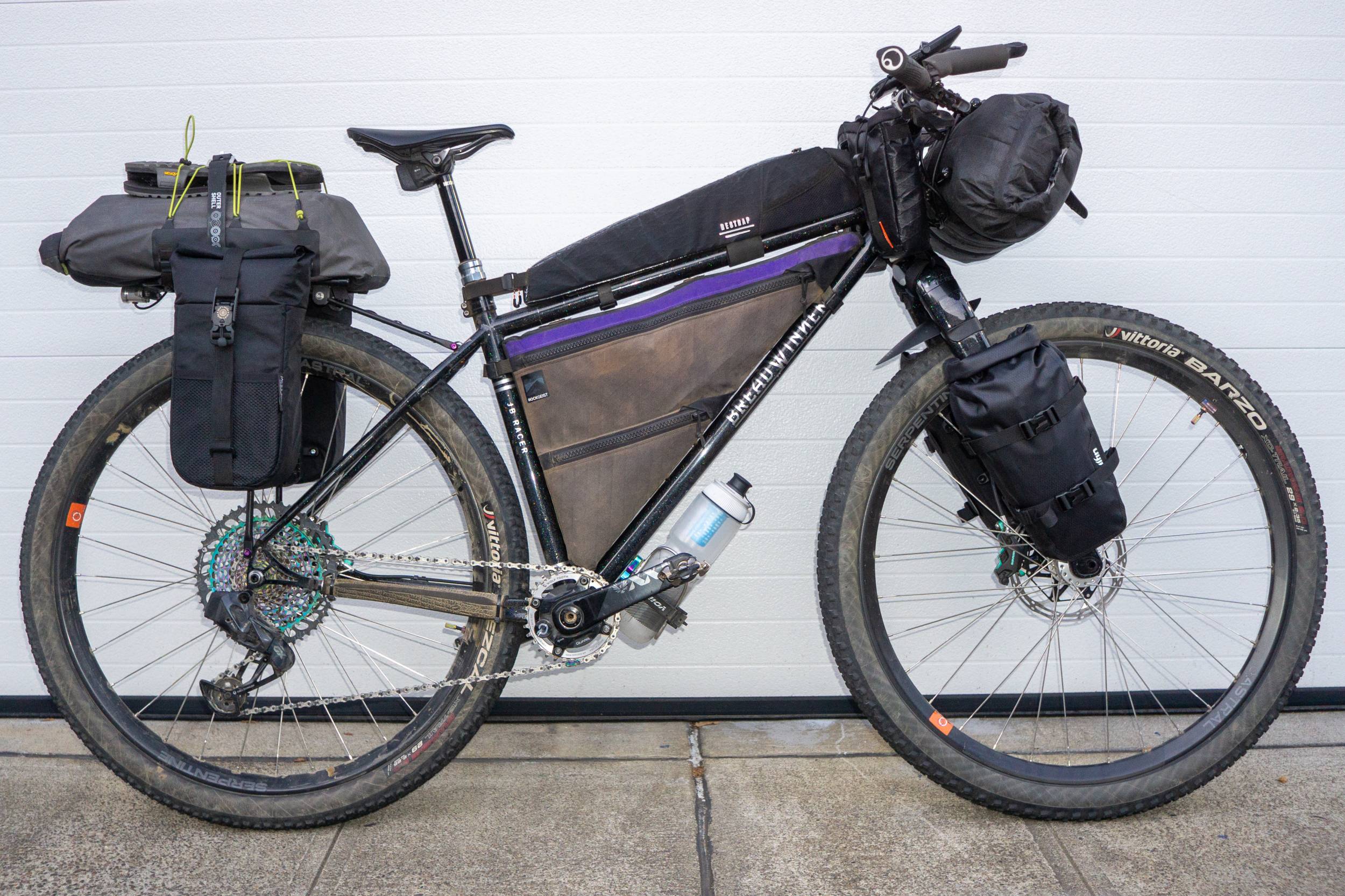
Credit: bikepacking.com
Lubricating Tips For Longevity
Keeping your bike chain well-lubricated helps it last longer. It also makes your ride smoother and safer.
Rugged bikepacking puts extra wear on your chain. Use the right lubricant and methods to protect it.
Choosing The Right Lubricant
Select a lubricant that suits your riding conditions. Wet lubricants work well in rainy weather. Dry lubricants are better for dusty trails.
Some lubricants attract dirt, which can wear out your chain faster. Choose one that balances protection and cleanliness.
- Wet lube: good for wet or muddy trails
- Dry lube: best for dry and dusty conditions
- Wax-based lube: keeps chain clean but needs frequent reapplication
Proper Application Methods
Clean your chain before applying lubricant. Dirt and grime reduce the effectiveness of the lube.
Apply lube to the inside of the chain while turning the pedals backward. This lets the lubricant reach all the moving parts.
- Wipe off excess lubricant with a clean cloth
- Use a dropper or small nozzle for precise application
- Allow lube to soak in before riding
Frequency Based On Conditions
How often you lubricate depends on the weather and trail conditions. Wet and muddy rides need more frequent lubrication.
Dry and dusty conditions cause less wear, so you can lube less often. Check your chain regularly to decide when to reapply.
- After every wet or muddy ride
- Every 100-150 miles on dry trails
- If chain sounds noisy or feels rough
Inspecting Chain Wear And Damage
Keeping your bike chain in good shape is key during rugged bikepacking trips. A worn or damaged chain can cause problems on rough trails.
Regular checks help you spot issues early. This way, you can fix or replace parts before they break.
Spotting Wear Signs
Look for dirt and rust on the chain. These signs show your chain needs cleaning and care. Also, check if the chain feels stiff or rough.
Worn chains may skip gears or make noise while riding. These are clear signals that the chain is wearing out.
Identifying Chain Stretch
Chain stretch happens when the chain length grows from use. It makes the bike shift poorly and can damage gears.
Use a ruler or a chain checker tool to measure stretch. Check if the chain has stretched more than 0.5% to 1% of its length.
- Place the ruler at the chain’s start point
- Measure 12 full links (24 pins)
- If the length is over 12 1/16 inches, the chain is stretched
Checking For Broken Links
Broken links can cause the chain to snap while riding. Carefully look at each link to find cracks or bends.
Try to bend the chain sideways. If some links do not move freely, they might be broken or stiff.
- Inspect each link for cracks or damage
- Check for stiff links that do not bend easily
- Replace or repair any broken links before riding
Emergency Chain Repairs
Keeping your bike chain in good shape is key during rugged bikepacking. Chains can break far from help. Knowing quick fixes saves your ride.
This guide covers easy ways to fix chains fast. You can keep moving without heavy gear or long delays.
Using Quick Links
Quick links connect chain ends fast. They are handy for field repairs. Carry a few as backups in your kit.
- Open the quick link by pressing both sides together.
- Align chain ends and connect with the quick link.
- Press firmly until the link snaps shut.
- Check for smooth movement before riding.
On-the-spot Chain Replacement
Sometimes, a broken chain needs a new link or section. Carry a chain tool and spare links for this. Use the tool to remove damaged parts.
| Tool | Function |
| Chain tool | Push pins out or in to remove links |
| Quick links | Reconnect chain quickly |
| Spare chain links | Replace broken sections |
After fixing, pedal slowly to test chain strength. Avoid hard pedaling until you reach a safe spot.
Preventing Future Breakdowns
Regular care helps avoid chain breaks. Clean and oil your chain often. Check for worn or stiff links before trips.
- Clean chain after muddy rides
- Use bike-specific lubricant
- Inspect chain for rust or damage
- Tighten loose links with chain tool
- Replace chain every 2000-3000 miles
Storing Your Chain During Rest Stops
During rugged bikepacking, your chain needs care even at short breaks. Proper storage keeps it safe and ready for the next ride.
Storing your chain right helps avoid damage from dirt and weather. This guide covers easy ways to protect your chain during rest stops.
Keeping The Chain Clean
Clean chains work better and last longer. Dirt can cause wear and make your ride rough.
At rest stops, wipe off mud and dust with a cloth. Avoid using water unless you dry the chain fully after.
- Use a dry rag to remove dirt
- Remove large debris gently
- Avoid soaking the chain during breaks
Protecting From Moisture
Moisture can cause rust and reduce chain life. Keep your chain dry during stops to prevent damage.
If the chain gets wet, dry it with a cloth before storing. Use waterproof covers if rain is expected.
- Dry the chain immediately if wet
- Cover the chain with a plastic bag or wrap
- Store in a dry place if possible
Proper Storage Techniques
Store your chain safely to avoid tangling and damage. A small container or bag works well during rest stops.
Keep the chain away from sharp objects and heavy gear. Coil it loosely to keep the links flexible.
- Use a dedicated pouch or bag for the chain
- Coil the chain without tight bends
- Separate it from other gear to avoid damage
Frequently Asked Questions
How Often Should I Clean My Bike Chain During Bikepacking?
Clean your bike chain after every 100-150 miles or after muddy rides. Regular cleaning prevents dirt buildup and ensures smooth performance.
What Type Of Lubricant Is Best For Rugged Bike Chains?
Use a wet lube for wet or muddy conditions and a dry lube for dusty trails. Choose lube based on your riding environment.
How Can I Prevent Chain Rust On Long Trips?
Keep the chain dry and clean. Apply lubricant regularly and store your bike in a dry place when resting.
What Tools Are Essential For Chain Maintenance On The Trail?
Carry a chain cleaning brush, multi-tool, spare quick links, and lubricant. These tools help fix chain issues quickly on rugged trails.
Conclusion
Maintaining your bike chain during rugged bikepacking keeps your ride smooth. Clean the chain often to stop dirt from building up. Use the right lubricant to avoid rust and wear. Check for chain stretch to prevent breaks on trails. Carry basic tools for quick fixes on the go.
A well-kept chain saves time and trouble. Enjoy your adventure without chain problems slowing you down. Small efforts make a big difference in bike performance. Stay prepared and keep your chain strong every ride.



