
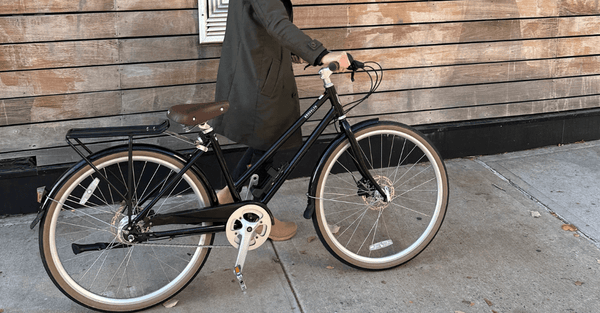
You love your Dutch commuter bike—it’s stylish, comfortable, and perfect for your daily rides. But to keep it running smoothly and looking great, you need to give it the right care.
Imagine never worrying about unexpected breakdowns or uncomfortable rides again. This guide shows you simple, effective ways to maintain your bike, so every trip feels effortless. Ready to make your bike last longer and ride better? Let’s dive into easy tips tailored just for you.

Credit: www.brooklynbicycleco.com
Choosing The Right Bike
Finding the right Dutch commuter bike is key for a good ride. Women need bikes that fit well and feel comfortable.
Look at the frame, comfort features, and the accessories to help you choose the best bike.
Frame Size And Fit
The frame size must match your height and leg length. A good fit helps you ride safely and comfortably.
Try bikes in stores to check if you can stand over the frame easily. Your feet should touch the ground when sitting.
- Choose a frame size based on your height
- Check the standover height for easy mounting
- Adjust the seat height for leg comfort
- Look for step-through frames for easier access
Comfort Features
Comfort features make daily rides more enjoyable. Look for padded seats and grips that reduce hand strain.
Suspension forks or seat posts can soften bumps on the road. Upright handlebars help keep a relaxed posture.
- Choose a cushioned saddle made for women
- Look for ergonomic hand grips
- Consider suspension for smooth rides
- Pick handlebars that allow an upright position
Essential Accessories
Accessories add safety and convenience to your bike. Lights and reflectors help others see you clearly.
Fenders keep you dry in rain. A sturdy lock protects your bike when parked. A basket or rack carries your items easily.
- Front and rear lights for visibility
- Reflectors on wheels and pedals
- Fenders to protect from water and mud
- Strong lock to secure your bike
- Basket or rear rack for bags and groceries
Regular Cleaning Routine
Keeping your Dutch commuter bike clean helps it last longer. Dirt and grime can damage parts over time.
A regular cleaning routine makes your bike look good and work well. It is easy to do with the right steps.
Tools Needed
Gather simple tools before you start cleaning. This saves time and makes the job easier.
- Soft brush for removing dirt
- Bucket with warm water
- Mild soap or bike cleaner
- Clean cloths or sponges
- Chain cleaner or degreaser
- Lubricant for the chain
- Old toothbrush for small parts
Step-by-step Cleaning
Start by rinsing the bike gently to remove loose dirt. Avoid high-pressure water on bearings.
Use soapy water and a soft brush to clean the frame and wheels. Pay attention to hard-to-reach areas.
- Rinse off the soap with clean water
- Clean the chain using a degreaser and brush
- Wipe the chain dry and apply lubricant
- Dry the bike with a clean cloth to prevent rust
Protecting The Frame
Protect the bike frame by drying it well after cleaning. Water left on the frame can cause rust.
Apply a bike-specific polish or wax to keep the paint shiny and safe from scratches.
- Dry frame with a soft cloth after washing
- Use polish to add a protective layer
- Store the bike indoors or under cover
- Check the frame regularly for chips or rust spots
Lubricating Moving Parts
Keeping your Dutch commuter bike in good shape means regular lubrication. It helps moving parts work smoothly and last longer.
Lubrication prevents rust and reduces wear from daily rides. Focus on key parts like the chain, brakes, and gears.
Chain Care
The bike chain needs regular cleaning and lubrication. A clean chain runs quietly and shifts gears well.
First, wipe the chain with a dry cloth to remove dirt. Then apply bike-specific lubricant evenly on the chain.
- Use a lubricant made for bike chains
- Avoid over-lubricating to prevent dirt buildup
- Wipe off extra lubricant with a clean cloth
Brake And Gear Maintenance
Lubricate brake and gear cables to keep them moving freely. This helps your bike respond quickly when you ride.
Apply a small amount of lubricant on the cable housing and moving parts. Avoid getting lubricant on brake pads or rims.
- Use a light lubricant for cables and pivots
- Check for rust or stiffness before lubricating
- Clean parts before applying lubricant
Frequency Of Lubrication
How often you lubricate depends on how much you ride and weather conditions. Wet or muddy rides need more care.
Check your bike every two weeks if you ride often. If you ride less, lubricate every month or before long trips.
- Lubricate after cleaning your bike
- More often in rain or snow
- Less often in dry, clean conditions
Checking Tires And Wheels
Keeping your Dutch commuter bike tires and wheels in good shape helps you ride safely. Regular checks stop small problems from becoming big.
Focus on tire pressure, wear and tear, and fixing flats fast. These steps keep your bike smooth and ready.
Tire Pressure Tips
Check your tire pressure before every ride. Proper pressure makes your ride easier and safer.
Use a bike pump with a gauge to get the right pressure. Look on the tire sidewall for the recommended range.
- Too low pressure causes flats and slow rides
- Too high pressure can make the ride bumpy
- Check pressure at least once a week
Inspecting For Wear And Tear
Look closely at your tires for cracks, cuts, or worn tread. Worn tires lose grip and can be dangerous.
Check your wheels for loose spokes or dents. These affect how well your bike rides and brakes.
- Replace tires with deep cracks or bald spots
- Tighten or replace loose spokes
- Fix dents to avoid wheel wobble
Fixing Flats Quickly
Carry a patch kit or spare tube when you ride. Fixing a flat fast keeps you on the road.
Remove the wheel, take out the tube, find the hole, and patch or replace it. Pump air back in and check the tire.
- Use tire levers to remove the tire safely
- Check the tire for sharp objects before reinstalling
- Keep tools and pump in your bike bag
Brake System Checks
Maintaining the brake system on your Dutch commuter bike for women is important for safety. Regular checks help you stop smoothly and avoid accidents.
Check the brakes often to keep them working well. This guide covers brake pad inspection, adjusting brake tension, and when to replace parts.
Brake Pad Inspection
Look at the brake pads to see if they are worn out. Thin or cracked pads reduce stopping power.
- Check for uneven wear on the pads
- Look for debris stuck in the pads
- Make sure the pads touch the rim fully when braking
- Replace pads if less than 3 mm thick
Adjusting Brake Tension
Brake tension controls how hard the brakes pull. Proper tension means quick response without too much force.
To adjust brake tension:
- Turn the barrel adjuster near the brake lever to tighten or loosen cable tension.
- Use a 5mm Allen key to adjust the brake caliper bolts if needed.
- Test the brake lever travel. It should stop about 1 cm from the handlebar.
- If brakes feel too loose or tight, readjust the cable tension.
When To Replace Parts
| Part | Signs to Replace |
| Brake Pads | Less than 3 mm thick, cracked, or hard |
| Brake Cables | Frayed wires, rust, or sticky movement |
| Brake Levers | Loose connection or damage |
| Brake Calipers | Do not hold tension or are bent |

Credit: www.brooklynbicycleco.com
Gear And Chain Management
Keeping your Dutch commuter bike’s gears and chain in good shape helps you ride smoothly. Regular care prevents problems and extends bike life.
Focus on shifting techniques, chain cleaning, and gear adjustment to keep your bike working well every day.
Smooth Shifting Techniques
Shift gears gently to avoid damage. Pedal lightly while changing gears to keep the chain from slipping.
Use the right gear for your speed and terrain. Avoid shifting under heavy load for better control.
- Ease off pedaling when shifting
- Shift one gear at a time
- Listen for chain noise as a cue
- Practice shifting before busy rides ul> /wp:list wp:heading {“level”:3}
- Use a degreaser and brush for cleaning
- Dry the chain completely before oiling
- Apply bike-specific chain oil sparingly
- Check chain stretch with a tool or ruler
- Replace the chain every 2,000 to 3,000 miles
- Check cable tension regularly
- Make small barrel adjuster turns clockwise or counterclockwise
- Inspect derailleur hanger for bends
- Clean derailleur and lubricate moving parts
- Test shifting after adjustments on a safe route
Chain Cleaning And Replacement
/wp:heading wp:paragraphClean your bike chain often to remove dirt and grease. A clean chain lasts longer and shifts better.
/wp:paragraph wp:paragraphReplace the chain if it shows signs of wear. A worn chain can damage gears and cause poor shifting.
/wp:paragraph wp:listGear Adjustment Tips
/wp:heading wp:paragraphAdjust gears to keep them shifting smoothly. Misaligned gears cause slipping and noise.
/wp:paragraph wp:paragraphUse the barrel adjuster on your shifter cable to fine-tune gear tension. Small turns can improve shifting.
/wp:paragraph wp:listStorage And Security
Keeping a Dutch commuter bike safe and in good shape is important for every woman who rides daily. Proper storage and strong security help protect the bike from theft and damage.
Using the right methods for parking and locking your bike, along with protecting it from weather, can extend its life and keep it looking great.
Safe Parking Spots
Always park your bike in well-lit, busy areas. This lowers the chance of theft. Avoid dark or hidden places.
Look for designated bike racks or secure parking zones. These spots are safer and often monitored by cameras.
- Choose areas with good lighting
- Park near entrances or busy streets
- Use official bike racks or lockers
- Avoid isolated or hidden spots
Using Quality Locks
Use strong, reliable locks to secure your bike. A U-lock combined with a cable lock works well to lock both the frame and wheels.
Always lock your bike to a fixed, sturdy object. This stops thieves from carrying your bike away easily.
- Use a U-lock for the frame
- Add a cable lock for wheels and accessories
- Lock bike to a solid post or rack
- Check locks regularly for wear
Protecting From Weather
Keep your bike dry to avoid rust and damage. Use a waterproof cover if you store it outside or in a damp place.
Storing the bike indoors is best. If that is not possible, choose a covered area to block rain and sun.
- Use a waterproof bike cover
- Store indoors if possible
- Choose shaded or covered parking
- Clean and dry bike after rain
Seasonal Maintenance Tips
Keeping your Dutch commuter bike in good shape needs regular care. Seasonal changes affect its parts differently.
Follow these tips to keep your bike safe and smooth throughout the year.
Winter Care
Winter can be harsh on your bike. Cold, snow, and salt can cause damage over time.
- Clean your bike often to remove salt and dirt.
- Lubricate the chain and moving parts to prevent rust.
- Check tire pressure regularly; cold air lowers it.
- Store your bike indoors or cover it to avoid moisture.
Summer Checkups
Summer rides are fun but can wear out your bike parts faster. Heat and dust cause issues.
| Check Item | Reason | Action |
| Tires | Higher temperatures can cause wear. | Inspect for cracks and keep proper pressure. |
| Brakes | Dust may reduce stopping power. | Clean brake pads and adjust cables. |
| Chain | Dry conditions can cause rust. | Clean and oil the chain regularly. |
| Lights | Longer daylight means more rides. | Check batteries and bulbs before trips. |
Preparing For Rainy Days
Rain can cause slips and rust. Your bike needs extra care before wet weather.
- Use fenders to keep water off you and the bike.
- Apply water-resistant lubricant to the chain.
- Check brake pads for good grip in wet conditions.
- Keep lights clean and bright for visibility.

Credit: www.brooklynbicycleco.com
Frequently Asked Questions
How Often Should I Clean My Dutch Commuter Bike?
Clean your Dutch commuter bike every two weeks to avoid dirt buildup. Use mild soap, water, and a soft brush. Regular cleaning keeps the bike looking new and prevents rust on metal parts.
What Type Of Lubricant Is Best For Bike Chains?
Use a wet lubricant for wet climates and dry lubricant for dry conditions. Apply it sparingly on the chain links. Proper lubrication reduces wear, improves performance, and extends chain life.
How Do I Check Tire Pressure Correctly?
Check tire pressure weekly using a reliable pressure gauge. Inflate tires to the recommended PSI found on the tire sidewall. Proper pressure ensures a smooth ride and prevents flats.
What Maintenance Is Essential For Women’s Bike Saddles?
Regularly clean and condition leather saddles to maintain softness and durability. Adjust saddle height for comfort and prevent numbness. Proper saddle care enhances riding comfort and longevity.
Conclusion
Caring for your Dutch commuter bike ensures a smooth ride. Regular checks on brakes and tires boost safety. Clean your bike often to prevent rust. Oil the chain to keep it running well. Adjust the seat for comfort. Store your bike indoors to protect it from weather.
Always check lights and reflectors for visibility. These small steps extend your bike’s life. Keep riding and enjoy the journey.



