
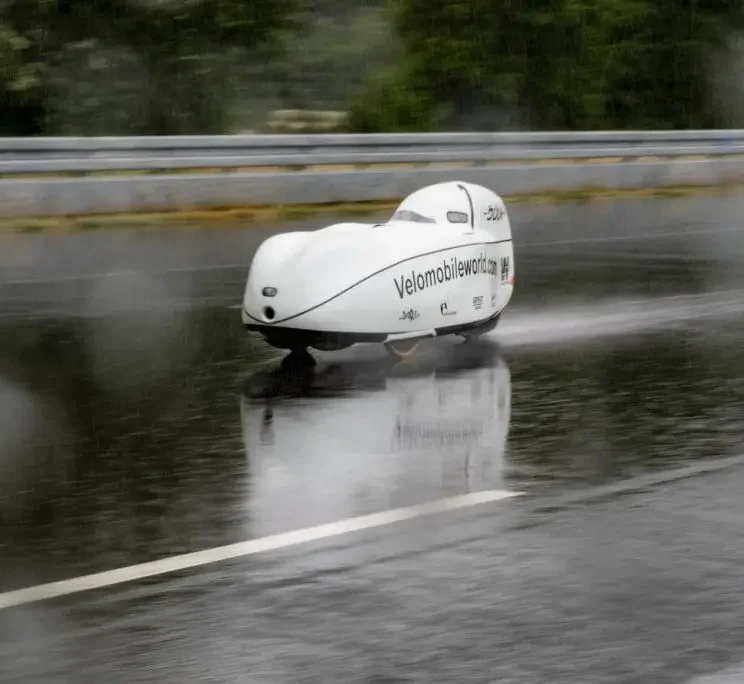
Have you ever felt the struggle of fighting against strong wind while cycling? Imagine cutting through that resistance effortlessly, saving energy and riding faster.
That’s exactly where velomobiles come in. But do velomobiles really reduce wind drag the way you might think? If you’re curious about how these sleek machines can change your cycling experience and whether they live up to the hype, keep reading.
You’re about to discover the surprising truth behind wind drag and how velomobiles could transform your rides.

Credit: www.velomobileworld.com
Wind Drag And Cycling
Wind drag is a force that pushes against cyclists as they ride. It makes pedaling harder and slows them down.
Understanding wind drag helps cyclists improve speed and use less energy. Velomobiles can change how wind affects riders.
Basics Of Wind Resistance
Wind resistance happens when air pushes against a moving object. Cyclists feel this force on their bodies and bikes.
- Wind drag depends on speed; faster cycling means more resistance.
- The shape of the rider and bike affects how air flows around them.
- Smooth, aerodynamic shapes reduce wind drag.
- Rough surfaces increase resistance and slow the rider.
Impact On Rider Performance
Wind drag uses up a lot of a cyclist’s energy. Reducing it helps riders go faster and last longer.
| Factor | Effect on Performance |
| High Wind Drag | More effort needed, slower speed |
| Low Wind Drag | Less energy used, higher speed |
| Velomobile Use | Improves aerodynamics, cuts drag |
Credit: www.pixelandtimber.com
Velomobile Design Features
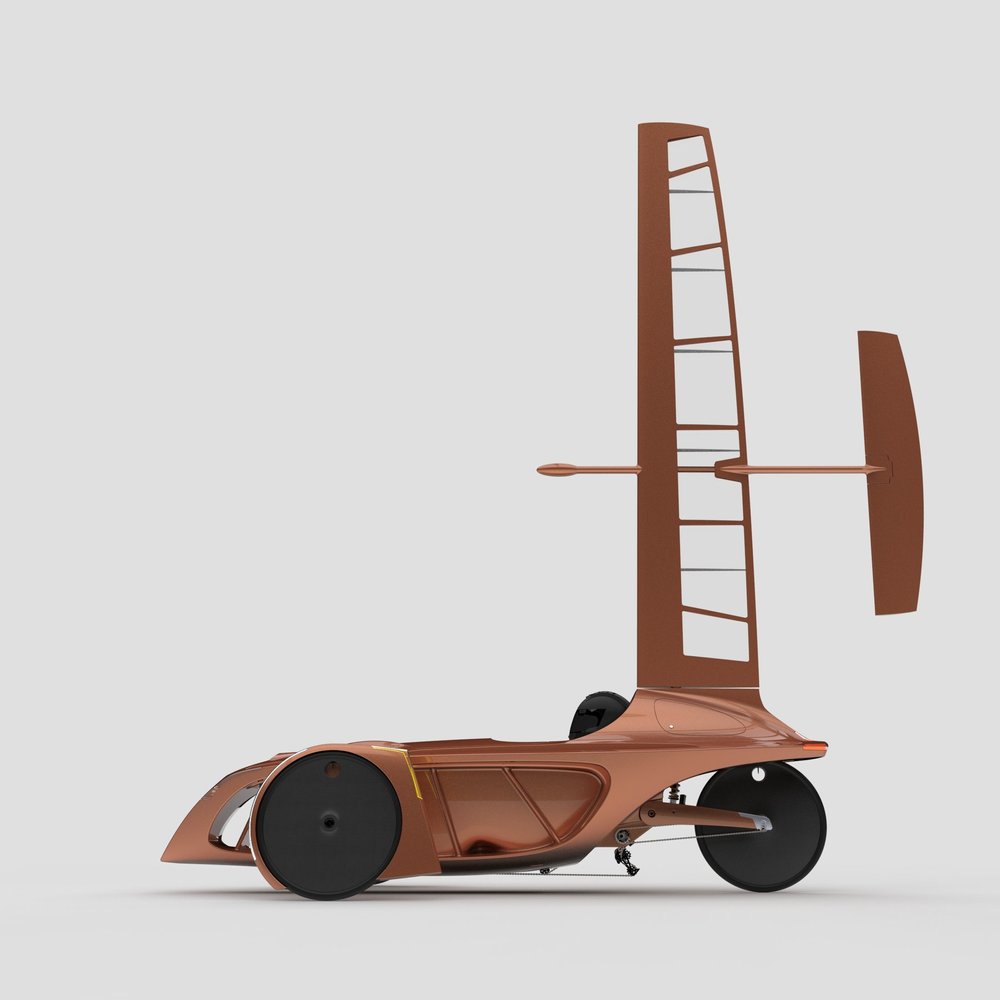
Velomobiles are special bikes with extra covers. They help riders go faster by cutting down wind resistance.
Design features play a big role in reducing wind drag. This makes pedaling easier and saves energy.
Aerodynamic Shape
The shape of a velomobile is smooth and round. This lets air flow over it with less pushback.
Sharp edges and flat surfaces cause air to slow down and create drag. Rounded shapes keep air moving fast.
- Pointed front to split the air
- Curved sides to guide air smoothly
- Tapered back to reduce air wake
Enclosed Frame Benefits
Velomobiles have an enclosed frame that covers the rider and bike parts. This lowers air resistance.
The cover blocks wind from hitting moving parts like wheels and pedals. This keeps airflow steady.
- Protects rider from wind and rain
- Reduces drag on exposed parts
- Improves overall speed and efficiency
Comparing Velomobiles To Bikes
Velomobiles and bikes are popular ways to travel. Both use pedals, but their shapes differ a lot. This difference affects how they cut through the air.
Understanding how each handles wind drag helps riders choose the right vehicle for speed and effort. Let’s look at two key factors that show these differences.
Drag Coefficient Differences
The drag coefficient measures how much air resistance an object has. Lower values mean less drag and easier movement. Velomobiles have a streamlined shell that lowers their drag.
- Bikes have a drag coefficient around 0.8 to 1.0.
- Velomobiles often range from 0.1 to 0.3.
- This means velomobiles push through air with less effort.
- The shape of velomobiles covers the rider, reducing exposed surfaces.
- Bikes leave the rider fully open to wind resistance.
Real-world Speed Tests
Tests on roads show how drag affects speed. Riders compare times on similar routes using bikes and velomobiles. These tests prove the drag numbers in practice.
| Vehicle | Average Speed (mph) | Energy Used (watts) |
| Standard Bike | 15 | 150 |
| Velomobile | 25 | 150 |
The table shows a velomobile moves faster with the same effort. This speed gain comes mainly from lower wind drag. Riders can go farther or faster without extra energy.
Speed Boosts From Reduced Drag
Velomobiles are streamlined bikes that cut through the air easily. Their shape helps lower wind resistance. This makes riding faster and less tiring.
Reducing drag means a rider can save energy or go faster with the same effort. This article looks at how velomobiles improve speed by lowering drag.
Energy Efficiency Gains
Lower wind drag means you use less power to keep the same speed. This saves energy and makes long rides easier.
- Less effort needed to overcome air resistance
- Riders can maintain higher speeds for longer
- Improved endurance on flat and uphill routes
- Reduced fatigue during long-distance cycling
Acceleration And Top Speed
Velomobiles reach higher top speeds because they face less wind drag. They also accelerate faster from a stop or slow pace.
| Factor | Effect on Velomobile |
| Reduced Drag | Faster acceleration and higher top speed |
| Streamlined Shape | Improved airflow around the vehicle |
| Rider Position | Lower frontal area reduces air resistance |
| Weight | Light enough to maintain quick speed changes |
Environmental Factors
Velomobiles aim to cut wind drag for better speed and efficiency.
Environmental factors like wind and terrain affect how well they work.
Wind Conditions And Direction
Wind speed and direction change the drag on velomobiles. Headwinds increase drag, slowing the rider. Tailwinds reduce drag and help speed up travel.
- Crosswinds can push the velomobile sideways.
- Strong gusts may affect stability and handling.
- Steady winds allow smoother rides and consistent drag reduction.
- Wind turbulence can increase drag despite the velomobile’s shape.
Terrain Influence On Drag
Terrain impacts speed and how much wind drag matters. Hills make riders work harder, increasing overall resistance.
| Terrain Type | Effect on Drag | Impact on Velomobile |
| Flat roads | Wind drag is the main resistance | Velomobile reduces drag effectively |
| Hilly terrain | Gravity adds resistance uphill | Drag reduction less noticeable |
| Rough surfaces | Rolling resistance increases | Velomobile speed drops despite low drag |
| Windy open areas | Wind drag varies a lot | Shape of velomobile helps stabilize |
Rider Experience And Comfort
Velomobiles offer a unique ride by reducing wind drag. This affects how comfortable and enjoyable the ride feels. The rider’s experience changes in many ways inside a velomobile.
Comfort is key for longer rides. Velomobiles provide a different environment than regular bikes. Let’s look at how they protect riders and impact endurance.
Protection From Elements
Velomobiles shield riders from weather like wind, rain, and cold. This shield helps keep the rider dry and warm. It also reduces the force of the wind, making the ride smoother.
- Blocks strong winds to reduce fatigue
- Keeps rain and cold air away from the rider
- Protects against dust and debris on the road
- Improves visibility with built-in covers or windows
Impact On Endurance
Lower wind drag helps riders use less energy. This means they can ride longer and feel less tired. The enclosed design also keeps the rider more comfortable over time.
| Factor | Effect on Endurance |
| Reduced wind drag | Less energy spent pedaling |
| Protection from cold | Maintains body warmth |
| Less exposure to rain | Prevents discomfort and chills |
| Improved aerodynamics | Higher sustained speeds |
Limitations Of Velomobiles
Velomobiles are designed to reduce wind drag and increase speed. They offer a sleek shape that cuts through the air better than regular bikes.
Despite their benefits, velomobiles have some limitations that affect their use in daily life.
Weight And Maneuverability
Velomobiles usually weigh more than normal bikes. The extra weight comes from their shell and structure.
Heavier weight makes it harder to move the velomobile quickly, especially when turning or going uphill.
- More effort needed to pedal on slopes
- Slower response when steering
- Harder to handle in tight spaces
Cost And Accessibility
Velomobiles cost much more than regular bicycles. Their special design and parts increase the price.
Many people find it hard to buy or repair velomobiles due to limited availability and higher costs.
- Expensive to purchase compared to bikes
- Fewer shops sell or fix velomobiles
- Parts can be rare and costly
Future Of Velomobile Speed
Velomobiles are designed to reduce wind drag and increase speed. Their shape and materials help riders go faster with less effort. The future of velomobile speed depends on new ideas and technology.
Experts focus on two main areas: better aerodynamics and stronger, lighter materials. These areas will shape how fast and efficient velomobiles become in the coming years.
Innovations In Aerodynamics
Researchers work to improve the shape of velomobiles to cut wind resistance. Smooth curves and smaller front areas help air flow better around the vehicle. This reduces drag and saves energy.
- Streamlined body designs reduce air pressure drag
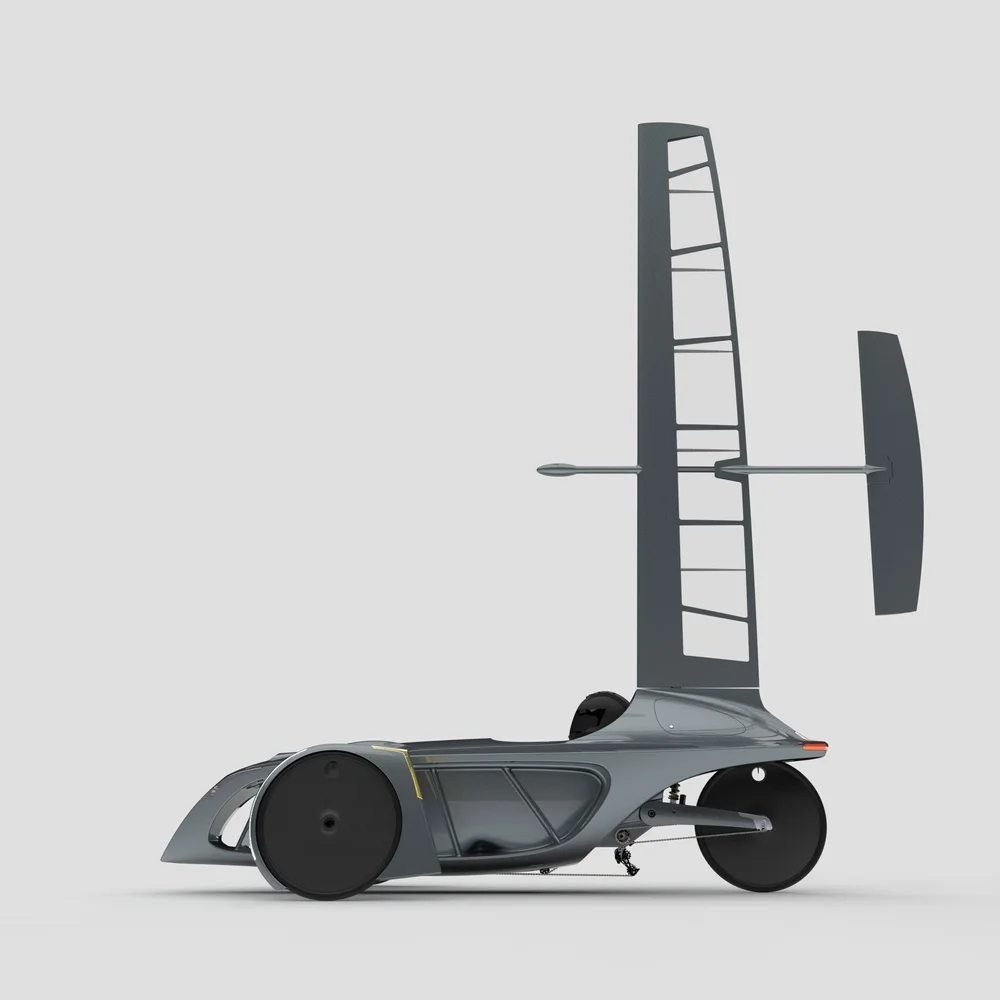
- Active aerodynamic parts adjust to speed and wind
- Improved wheel covers lower turbulence
- Optimized rider position inside the shell cuts drag
Material Advances
New materials make velomobiles lighter and stronger. Lighter vehicles need less power to reach high speeds. Strong materials also improve safety and durability.
| Material | Benefit | Use in Velomobiles |
| Carbon Fiber | Lightweight and strong | Frames and shells |
| Kevlar | High impact resistance | Protective layers |
| Aluminum | Cost-effective and light | Structural parts |
| Thermoplastics | Flexible and recyclable | Body panels |
Credit: www.pixelandtimber.com
Frequently Asked Questions
How Do Velomobiles Reduce Wind Drag?
Velomobiles have streamlined, aerodynamic shells that minimize air resistance. Their enclosed design helps smooth airflow, reducing drag compared to traditional bikes. This enables riders to maintain higher speeds with less effort, making velomobiles more efficient on windy or open roads.
Are Velomobiles Faster Due To Less Wind Drag?
Yes, velomobiles are faster because their shape cuts through air efficiently. Reduced wind drag means riders expend less energy overcoming resistance. This speed advantage is especially noticeable at higher speeds or in windy conditions, making velomobiles ideal for commuting and long-distance cycling.
What Materials Improve Velomobile Aerodynamics?
Lightweight materials like carbon fiber and fiberglass enhance velomobile aerodynamics. These materials allow for smooth, curved shells that reduce turbulence. Their strength and lightness also help maintain optimal shape, ensuring minimal wind drag while keeping the vehicle sturdy and safe.
Can Wind Drag Affect Velomobile Stability?
Yes, wind drag influences velomobile stability. Aerodynamic designs help channel airflow smoothly, reducing side gust effects. Properly designed velomobiles maintain better control in crosswinds, improving safety and rider confidence during windy rides.
Conclusion
Velomobiles offer a sleek solution to wind drag issues. They have a unique design that minimizes air resistance. This makes cycling easier and more efficient. Riders experience less fatigue during long rides. Velomobiles also provide better speed compared to regular bicycles.
They are an eco-friendly choice for commuting. People can enjoy a smooth and faster journey. Investing in a velomobile can enhance your cycling experience. It’s a practical option for those seeking comfort and efficiency. As more people seek sustainable travel, velomobiles gain popularity.
Consider one for your next ride. Enjoy the benefits of reduced wind drag today.



