
Are you sure your women’s road bike fits you perfectly? The geometry of your bike affects comfort, speed, and control more than you might think.
If your bike doesn’t match your body and riding style, you could face pain, fatigue, or even injury. But don’t worry—checking your bike’s geometry is easier than it sounds. You’ll learn simple steps to measure and understand your bike’s frame, so you can ride stronger and feel better every time you hit the road.
Keep reading, and take the first step toward a smoother, more enjoyable ride.
Credit: www.roadbikereview.com
Key Geometry Terms
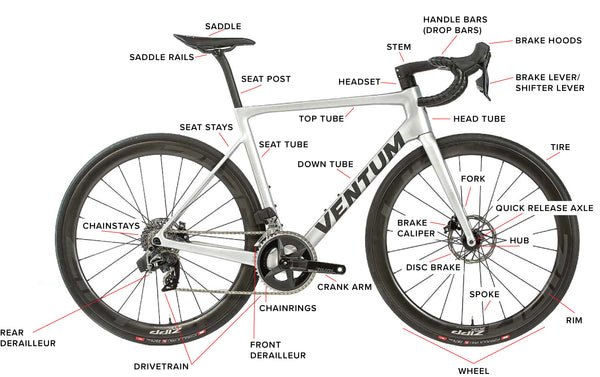
Understanding the geometry of a women’s road bike helps you find the right fit. It makes your rides more comfortable and efficient.
Bike geometry includes several key measurements. These measurements affect how the bike handles and fits your body.
Frame Size
Frame size is the main measurement of a bike. It usually refers to the length of the seat tube.
Choosing the right frame size is important for comfort and control. Too big or small frames can cause pain or poor handling.
Top Tube Length
The top tube length is the distance between the seat and the handlebars. It affects how stretched out you feel on the bike.
A shorter top tube suits riders with shorter arms or a more upright position. A longer top tube fits riders who prefer to lean forward.
Seat Tube Angle
The seat tube angle is the angle of the seat tube relative to the ground. It changes your riding position on the bike.
A steeper seat tube angle moves you forward, helping with power. A slacker angle puts you more upright and relaxed.
Head Tube Angle
The head tube angle is the angle of the front fork to the ground. It influences how the bike steers and feels.
A steeper head tube angle makes the bike respond quickly to turns. A slacker angle adds stability on rough roads.
Wheelbase
Wheelbase is the distance between the front and rear wheels. It affects the bike’s balance and ride smoothness.
A longer wheelbase gives more stability at speed. A shorter wheelbase makes the bike more agile and easier to turn.
Tools For Measuring
Checking the geometry of a women’s road bike needs the right tools. Accurate measurements help you find a comfortable fit.
Using simple tools can make measuring bike angles and lengths easier and more precise.
Tape Measure
A tape measure is a basic tool to measure frame parts. Use it to check the length of the top tube, seat tube, and chainstay.
- Measure from the center of the bottom bracket to the top of the seat tube
- Check the distance between the head tube and seat tube
- Measure wheelbase length from front to rear axle
Angle Finder
An angle finder helps measure the angles of the bike frame. Key angles to check are the seat tube angle and head tube angle.
| Angle | Importance |
| Seat Tube Angle | Affects rider’s hip position and pedaling efficiency |
| Head Tube Angle | Influences steering and bike handling |
| Chainstay Angle | Impacts rear wheel position and balance |
Bike Fit Apps
Bike fit apps use your phone’s camera and sensors to measure geometry. They guide you through capturing the bike’s dimensions.
- Take photos of your bike from the side and front
- Mark key points like bottom bracket, saddle, and handlebars
- Get instant feedback on frame angles and lengths
- Save measurements for future reference
Step-by-step Geometry Check
Checking the geometry of a women’s road bike helps ensure a comfortable ride. Geometry affects how the bike handles and fits your body.
This guide explains how to measure key parts of the bike frame. Follow each step carefully for accurate results.
Measuring Frame Size
Frame size is important for comfort and control. It is usually measured from the center of the bottom bracket to the top of the seat tube.
- Place the bike on a flat surface.
- Use a tape measure to find the distance from the bottom bracket center to the seat tube top.
- Record the measurement in centimeters or inches.
- Compare this size with sizing charts for women’s road bikes.
Checking Tube Angles
Tube angles affect how the bike handles and fits. The most important are the seat tube angle and head tube angle.
| Tube | Ideal Angle Range | How to Measure |
| Seat Tube | 72° to 75° | Use a protractor along the seat tube and horizontal ground. |
| Head Tube | 70° to 73° | Measure between the head tube and ground using an angle finder. |
Check these angles with an angle finder tool or smartphone app for accuracy.
Assessing Wheelbase Length
Wheelbase length affects stability and handling. It is the distance between the front and rear wheel hubs.
- Place the bike on a level surface.
- Use a tape measure to find the distance between the center of the front hub and the rear hub.
- Note the measurement in millimeters or inches.
- Compare with standard wheelbase lengths for women’s road bikes to check fit.

Credit: rydecruz.com
Adjusting For Comfort
Checking the geometry of a women’s road bike helps you adjust it for comfort. A well-adjusted bike makes riding easier and more enjoyable.
Focus on key parts like saddle position, handlebar height, and stem length. These affect how you sit and control the bike.
Saddle Position
The saddle position changes how your body fits the bike. It should support your hips and legs during pedaling.
Adjust the saddle forward or backward to find the right balance. Make sure your knees stay over the pedals.
- Set saddle height so your leg is almost straight at the bottom of a pedal stroke
- Move saddle forward if you feel stretched out
- Move saddle backward if you feel cramped
- Check that your hips do not rock while pedaling
Handlebar Height
Handlebar height affects your riding posture. It can reduce strain on your back and shoulders.
Raise the handlebars for a more upright position. Lower them if you want a more aerodynamic posture.
- Start with handlebars level with the saddle
- Raise handlebars to ease back pain
- Lower handlebars for faster riding but expect more pressure on hands
- Use spacers to fine-tune the height
Stem Length
The stem connects the handlebars to the bike frame. Its length affects your reach and control.
Choose a stem length that lets you reach the handlebars without stretching too much. It helps keep your arms relaxed.
- Shorter stems make steering quicker and easier
- Longer stems help stretch out your position
- Test different lengths to find what feels best
- Check that your elbows are slightly bent when holding the bars
Common Fit Issues
Checking the geometry of a women’s road bike is key to a good fit. A poor fit causes discomfort and reduces riding efficiency.
This guide covers common fit problems and how to spot them. Fixing these issues improves comfort and control.
Too Long Or Short Frame
A frame that is too long or too short affects riding posture. A long frame causes overreach and strain. A short frame limits leg extension and power.
- Check if your knees extend properly over pedals.
- Make sure your hips don’t rock while pedaling.
- Test if you can stand over the frame comfortably.
Incorrect Reach
Reach is the distance from the saddle to the handlebars. Wrong reach causes wrist pain and back discomfort.
| Reach Issue | Signs | Effect |
| Too Long | Stretched arms, sore shoulders | Fatigue and pain |
| Too Short | Cramped position, bent elbows | Limited breathing and power |
Improper Handlebar Setup
Handlebar height and angle change comfort and control. Wrong setup causes numb hands and neck pain.
- Handlebars too low cause neck strain.
- Handlebars too high reduce control.
- Wrong angle leads to wrist discomfort.

Credit: www.bikeradar.com
Benefits Of Proper Geometry
Proper geometry on a women’s road bike helps riders feel better and ride longer. It fits the body’s shape and movement.
Good bike geometry makes cycling easier and safer. It supports comfort, speed, and injury prevention.
Improved Comfort
A bike with the right geometry reduces pressure on the back, neck, and hands. This helps riders avoid soreness.
- Proper frame size matches rider height and leg length
- Correct handlebar height reduces strain on wrists
- Seat position supports natural hip movement
- Balanced weight distribution lowers fatigue
Enhanced Performance
Bike geometry affects how power transfers from the rider to the pedals. Good fit improves speed and control.
| Geometry Aspect | Effect on Performance |
| Top tube length | Improves reach and pedaling efficiency |
| Seat tube angle | Optimizes leg power and comfort |
| Head tube height | Enhances steering and bike handling |
Reduced Injury Risk
Proper geometry helps keep the body aligned during rides. This lowers the chance of injuries.
- Correct saddle height prevents knee strain
- Handlebar reach avoids back and shoulder pain
- Frame size supports natural posture
- Proper cleat position protects feet and ankles
Frequently Asked Questions
How Do I Measure The Frame Size Of A Women’s Road Bike?
To measure frame size, measure the seat tube length from the center of the bottom bracket to the top of the seat tube. This helps determine the right fit for comfort and performance.
What Is The Importance Of Geometry In Women’s Road Bikes?
Geometry affects comfort, handling, and riding efficiency. Women’s-specific geometry considers body proportions, ensuring better fit and reducing fatigue during rides.
How Can I Check The Reach And Stack Of My Bike?
Reach is the horizontal distance from the bottom bracket to the top of the head tube. Stack is the vertical distance. Use a tape measure or geometry chart to compare.
Why Is Saddle Height Crucial For Bike Geometry?
Saddle height impacts pedaling efficiency and knee health. Proper height ensures optimal leg extension, preventing injuries and improving power output.
Conclusion
Choosing the right road bike geometry boosts comfort and performance. Measure carefully. Check the frame size, reach, and stack. Each affects how you ride. Test different bikes if possible. Feel the difference yourself. Adjustments can make big impacts. Even small tweaks matter.
Always prioritize comfort and safety. Happy biking!



