
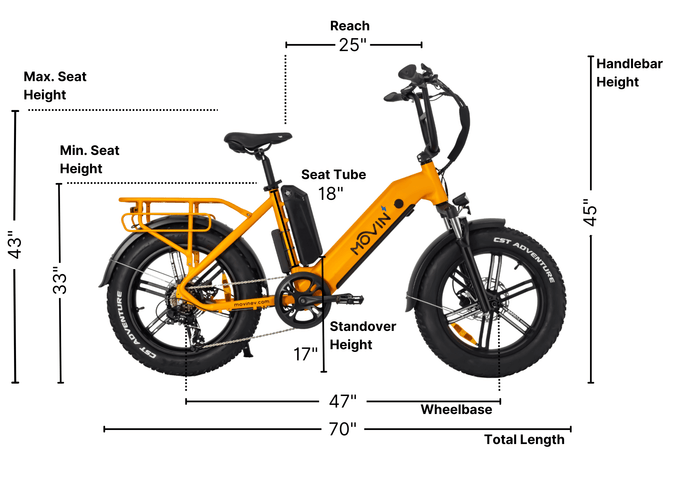
Choosing the right bike frame size is key to making every ride comfortable and enjoyable. If your bike frame is too big or too small, you might feel pain, lose control, or even risk injury.
But don’t worry—you’re about to learn exactly how to measure frame size for your women’s bike, step by simple step. By the end of this guide, you’ll know how to pick the perfect fit that matches your body and riding style.
Ready to make your next ride smooth and pain-free? Let’s dive in.

Credit: blog.rodalink.com
Choosing The Right Frame Size
Picking the right frame size is key for a good bike fit. A well-sized frame helps you ride with ease and less strain.
Knowing how to measure and select the correct frame size makes your rides safer and more fun.
Why Frame Size Matters
The frame size affects how comfortable you feel on the bike. It also influences your control and balance.
- Too small a frame can cause knee pain.
- A frame that is too large may reduce handling ability.
- Proper size helps maintain good posture.
- Right frame size lowers risk of injury.
Impact On Comfort And Performance
Comfort and performance depend on frame size and shape. A good fit means you use less energy and ride longer.
| Frame Size | Comfort Level | Performance Effect |
| Too Small | Low – cramped position | Reduced power output |
| Too Large | Low – stretched reach | Poor handling and control |
| Right Size | High – natural posture | Efficient pedaling and balance |

Credit: www.reddit.com
Essential Measurements
Choosing the right bike frame size is key for comfort and control. You need to take some important body measurements first.
This guide explains how to measure your height, inseam, and other useful body parts to find the best bike fit.
Measuring Your Height
Stand straight against a wall without shoes. Use a flat object on your head to mark your height. Measure from the floor to the mark with a tape measure.
Inseam Length Importance
The inseam length helps determine the right frame size. It is the distance from your crotch to the floor.
To measure your inseam:
- Stand with your feet about 6 inches apart.
- Place a book or flat object between your legs, snug against your crotch.
- Measure from the top of the book to the floor.
Other Useful Body Measurements
| Measurement | Why It Matters | How to Measure |
| Arm Length | Helps adjust handlebar reach | Measure from shoulder to wrist |
| Torso Length | Determines top tube length | Measure from the base of neck to the waist |
| Shoulder Width | Affects handlebar width choice | Measure across the back from one shoulder bone to the other |
Step-by-step Measuring Process
Choosing the right frame size is key for a comfortable bike ride. Measuring your body helps find the perfect fit.
This guide shows simple steps to measure for a women’s bike frame size at home.
Tools You Need
Prepare these items before measuring your bike frame size to ensure accuracy.
- A tape measure or ruler
- A book or flat object
- A wall or door frame
- A notepad to record measurements
How To Measure Your Inseam
The inseam length helps determine the correct bike frame size. Follow these steps to measure it.
- Stand with your back against a wall, feet 6 to 8 inches apart.
- Place a book or flat object between your legs, snug against the wall.
- Push the book up firmly, as if sitting on a bike seat.
- Measure from the floor to the top edge of the book with a tape measure.
- Write down this measurement in inches or centimeters.
Calculating Frame Size From Measurements
Use your inseam length to find the right bike frame size. Different bikes use different formulas.
| Bike Type | Frame Size Formula | Example (Inseam 30″) |
| Road Bike | Inseam x 0.67 | 30 x 0.67 = 20 inches |
| Mountain Bike | Inseam x 0.66 | 30 x 0.66 = 19.8 inches |
| Hybrid Bike | Inseam x 0.685 | 30 x 0.685 = 20.55 inches |
Frame Size Charts For Women
Choosing the right frame size is key for a comfortable bike ride. Women’s bike frames come in different sizes based on height and body shape.
Frame size charts help you find the best fit by matching your height and inseam to the frame size.
Standard Sizing Guidelines
Most frame size charts use your height and inseam length to suggest the correct size. Measure your inseam by standing with your feet 6-8 inches apart and measuring from the floor to your crotch.
Here is a simple guide for common frame sizes based on height:
| Height (inches) | Height (cm) | Frame Size (inches) |
|---|---|---|
| 4’10” – 5’2″ | 147 – 157 | 13″ – 15″ |
| 5’2″ – 5’6″ | 157 – 168 | 15″ – 17″ |
| 5’6″ – 5’9″ | 168 – 175 | 17″ – 19″ |
| 5’9″ – 6’0″ | 175 – 183 | 19″ – 21″ |
Adjusting For Different Bike Types
Bike frame sizes differ by type. Road bikes, mountain bikes, and hybrid bikes use different sizing methods. Adjust your size choice based on the bike type.
Road bikes usually measure frame size by the seat tube length. Mountain bikes may use small, medium, or large sizes. Hybrid bikes can vary between the two.
- Road bikes: Measure seat tube length in centimeters
- Mountain bikes: Use small, medium, or large sizes based on manufacturer charts
- Hybrid bikes: Check both seat tube length and size labels
- Always test ride if possible to confirm fit
Fitting Tips For Better Comfort
Finding the right frame size is key for comfort on a woman’s bike. A proper fit helps avoid pain and improves control.
Use these tips to adjust your bike for a better ride. Focus on saddle height, handlebar position, and test riding.
Adjusting Saddle Height
Set the saddle height so your leg is almost straight at the bottom pedal position. This reduces strain on your knees.
- Sit on the saddle and place your heel on the pedal.
- Pedal backward slowly.
- Your leg should fully extend without locking your knee.
- If your hip rocks, lower the saddle slightly.
Handlebar Positioning
Adjust the handlebar height and distance for comfort and control. It helps reduce shoulder and wrist pain.
| Handlebar Position | Effect |
| Higher than saddle | Reduces back strain |
| Level with saddle | Balanced riding posture |
| Lower than saddle | Better aerodynamics, more reach |
| Closer to rider | Less arm stretch, easier control |
| Farther from rider | More stretched out, may cause discomfort |
Test Riding And Fine-tuning
Take a short ride to check your adjustments. Notice how your body feels during and after riding.
Try these checks after your test ride:
- No numbness or tingling in hands or feet.
- Your knees track straight over pedals.
- No pain in lower back or neck.
- Comfortable reach to brakes and gears.
- Easy to balance and control the bike.
Common Mistakes To Avoid
Choosing the right bike frame size is important for comfort and safety. Many women make simple mistakes that affect their riding experience.
Understanding these common errors helps you pick the right bike frame. Avoid problems that cause pain or poor control.
Choosing Too Large Or Too Small Frame
A frame that is too big makes it hard to reach the ground or handle the bike well. A frame that is too small can cause knee pain and poor posture.
Both can lead to discomfort and unsafe riding. Always measure your height and inseam before selecting a frame size.
- Too large: Difficult to control, risk of tipping over
- Too small: Cramped position, knee and back pain
- Right size: Comfortable reach and proper leg extension
Ignoring Personal Riding Style
Not thinking about how you ride leads to picking the wrong frame type. Casual riders need different frames than racers or commuters.
Match the frame to your riding style for better comfort and efficiency. A wrong frame can reduce your enjoyment and performance.
- Casual: Comfortable, upright frames
- Racing: Lightweight, aerodynamic frames
- Commuting: Durable, practical frames
Overlooking Bike Type Differences
Different bike types have different frame measurements and fits. A mountain bike frame fits differently than a road bike frame.
Ignoring these differences causes confusion and wrong sizing. Know what type of bike you want before measuring frame size.
- Mountain bikes: Larger frames, more clearance
- Road bikes: Smaller frames, longer reach
- Hybrid bikes: Mix of comfort and speed

Credit: averagejoecyclist.com
Frequently Asked Questions
How Do I Measure My Inseam For A Women’s Bike?
Stand with your feet 6-8 inches apart. Measure from the floor to your crotch. This inseam length helps select the right frame size.
What Frame Size Suits Average Height Women?
Women between 5’4″ and 5’7″ usually fit a 16-18 inch frame. Always check the bike’s sizing chart for accuracy.
Why Is Frame Size Important For Women’s Bikes?
The correct frame size improves comfort, control, and injury prevention. It ensures a better riding experience and efficiency.
Can I Use Men’s Bike Sizing For Women’s Bikes?
No, women’s bikes have different geometry and sizing. Always use women-specific sizing charts for better fit.
Conclusion
Finding the right bike frame size enhances your cycling experience. Comfort matters. Proper measurement ensures your bike suits your body. It helps prevent injuries. Start by measuring your inseam. Use a bike size chart for guidance. Test ride different bikes if possible.
Feel the difference in comfort and control. Always prioritize safety and comfort. A well-fitted bike makes every ride enjoyable. Remember, the right size boosts confidence and enjoyment. Happy cycling!



