
Making sure your child’s bike is safe to ride is one of the most important things you can do as a parent or guardian. You want to protect your little one from accidents and give yourself peace of mind every time they hop on their bike.
But how do you know which safety gear to install and how to do it correctly? This guide will walk you through simple, step-by-step instructions to equip your kid’s bike with the right safety gear. By the end, you’ll feel confident that your child is ready to ride safely and enjoy every adventure.
Keep reading to discover easy tips that can make a big difference in your child’s safety.

Credit: northeast.aaa.com
Choosing The Right Safety Gear
Safety gear is very important for kids riding bikes. It helps protect them from injuries and keeps them safe.
Choosing the right gear makes sure your child is comfortable and well-protected while riding.
Helmet Selection Tips
Pick a helmet that fits your child’s head well. It should feel snug but not too tight.
Look for helmets that meet safety standards. Check for stickers that show certification.
- Measure your child’s head before buying
- Choose helmets with adjustable straps
- Pick a helmet with good ventilation
- Bright colors improve visibility
Picking Protective Pads
Protective pads help guard knees and elbows during falls. They reduce the risk of cuts and bruises.
Choose pads made from soft but strong materials. They should be easy to put on and take off.
- Use knee pads to protect knees
- Use elbow pads for elbow safety
- Look for adjustable straps for a secure fit
- Pick pads with breathable fabric for comfort
Reflective Gear Benefits
Reflective gear makes kids more visible in low light. It helps drivers see them from far away.
Use reflective stickers or clothing to increase safety. This gear is important for evening rides.
- Attach reflective strips on the bike and helmet
- Choose jackets with reflective patches
- Use ankle or wrist bands with reflectors
- Reflective gear helps prevent accidents
Preparing The Bike For Installation
Installing safety gear on a kid’s bike needs careful preparation. Getting the bike ready helps the gear fit well and work properly.
Start by checking the bike condition. Clean it, gather tools, and look at what is already attached to the bike.
Cleaning The Bike Frame
Clean the bike frame before adding safety gear. Dirt or grease can stop parts from sticking or fitting right.
Use a soft cloth and mild soap with water. Wipe down the frame and dry it well to avoid rust or damage.
Gathering Necessary Tools
Collect all tools needed for installation before starting. This saves time and keeps the work smooth.
- Screwdrivers (flat and Phillips)
- Allen wrenches or hex keys
- Adjustable wrench or spanner
- Measuring tape or ruler
- Cleaning cloths
Having the right tools helps you fix safety gear tightly and safely on the bike.
Checking Existing Attachments
Look over the bike to see what parts are already attached. This avoids clashes or extra work during installation.
Check for items like baskets, lights, or reflectors. Decide if these need to be moved or removed for safety gear fitting.
Installing The Helmet Holder
Adding a helmet holder to your kid’s bike keeps the helmet safe and easy to reach. This guide helps you install it properly.
Follow these simple steps to position, secure, and test the helmet holder for safety and convenience.
Positioning The Holder
Choose a spot on the bike frame that is easy for your child to reach. The back of the seat post or the side of the bike frame works well.
Make sure the holder does not block the pedals or wheels. It should hold the helmet firmly without tilting.
Securing With Screws Or Straps
Use the right tools to attach the helmet holder. Most holders come with screws and straps for fixing them in place.
- Align the holder with the chosen spot on the bike.
- Insert screws through the holes in the holder and tighten securely.
- Wrap straps tightly around the frame if screws are not available.
- Check that the holder is fixed and does not move.
Testing Stability
After installation, test the holder’s stability to ensure it holds the helmet safely during rides.
| Test | What to Check | Result |
| Shake the holder gently | Holder should not wobble or move | Stable |
| Place helmet in holder | Helmet fits snugly without falling | Secure |
| Ride bike slowly | No noise or holder shifting | Safe |
Attaching Reflectors And Lights
Safety gear on a kid’s bike helps drivers see your child better. Attaching reflectors and lights is an easy way to improve bike visibility. This guide shows how to place reflectors and mount LED lights properly.
Correct installation keeps the reflectors and lights secure and effective. Follow these tips to make your child’s bike safer during rides.
Front And Rear Reflector Placement
Reflectors help other drivers spot the bike in low light. Place the front reflector on the handlebar or fork. The rear reflector should go below the seat or on the back of the bike frame.
- Clean the surface before attaching the reflector.
- Use screws or clips that came with the reflector.
- Make sure reflectors face forward and backward correctly.
- Check reflector tightness regularly to avoid falling off.
Mounting Led Lights
LED lights increase visibility at night and in fog. Attach front white lights to the handlebars. Mount red lights on the rear of the bike, near the reflector if possible.
| Light Type | Placement | Color |
|---|---|---|
| Front Light | Handlebars | White |
| Rear Light | Back of Frame or Seat Post | Red |
Secure the lights with straps or brackets included in the package. Test the lights before each ride to ensure they work well.
Battery Maintenance Tips
Good battery care helps lights last longer. Replace or recharge batteries often. Remove batteries if you do not use the bike for a long time.
- Use fresh batteries for best brightness.
- Keep spare batteries in a safe place.
- Clean battery contacts to prevent corrosion.
- Check light function before dark rides.
Fitting Protective Pads
Protective pads keep kids safe when they ride their bikes. Proper fitting helps avoid injuries. This guide shows how to fit knee and elbow pads correctly.
Adjusting Knee And Elbow Pads
Start by placing the pads on the right spots. Knee pads go over the kneecaps, elbow pads cover the elbows. Make sure the pads cover the joints fully.
- Check the straps are not too tight or too loose.
- Adjust Velcro or buckles for a snug fit.
- Make sure pads do not slide when your child moves.
- Test by bending knees and elbows gently.
Ensuring Comfortable Fit
| Check Point | What to Look For |
| Straps | Secure but not cutting into skin |
| Padding | Evenly covers joint areas |
| Movement | Pads stay in place during activity |
| Skin | No redness or irritation after wearing |
Use soft clothing under pads to prevent chafing. Check fit regularly as kids grow fast. Replace pads if they become loose or damaged.
Teaching Kids To Wear Pads
Explain why pads protect them from scrapes and bruises. Make wearing pads a fun habit. Show them how to put pads on and take them off.
- Let kids choose their pads to increase interest.
- Practice putting pads on together.
- Remind kids to wear pads every time they ride.
- Reward consistent safety habits with praise.
Adding Bell Or Horn For Safety
Installing a bell or horn on a kid’s bike helps alert others nearby. It keeps your child safer while riding. This simple addition is easy to fit on most bikes.
Choosing the right sound and placing the bell correctly makes sure it works well. Teaching your child to use it often improves their safety.
Choosing The Right Sound
Select a bell or horn that is loud but not too scary. The sound should catch attention without startling others. Metal bells and small air horns are good options.
- Clear and sharp sound
- Not too loud for kids’ ears
- Easy to press or twist
- Durable and weather-resistant
Installing On Handlebars
Place the bell or horn on the handlebars where your child can reach it easily. Most models come with adjustable clamps for different handlebar sizes.
| Tool Needed | Steps |
| Screwdriver | Loosen clamp screws |
| Bell or horn | Slide onto handlebar |
| Hand | Adjust position near the grip |
| Screwdriver | Tighten screws securely |
Encouraging Use
Teach your child to use the bell or horn before crossing streets or passing others. Practice makes it easier and more natural for them to alert people.
- Explain why it is important
- Show how to press or twist it
- Practice during short rides
- Praise your child for using it
Final Safety Checks
After installing safety gear on your kid’s bike, it is important to do final safety checks. These checks help ensure everything is secure and safe for riding.
Taking time to inspect the bike and gear carefully reduces risks and keeps your child safe while riding.
Tightening All Attachments
Make sure all bolts, screws, and straps are tight. Loose parts can cause accidents while riding.
Use the correct tools to tighten each attachment firmly but avoid over-tightening which can damage parts.
- Check handlebars and seat posts for tightness
- Secure reflectors and lights properly
- Tighten helmet straps and buckles
- Ensure training wheels and baskets are fixed
Testing Bike Stability
Test the bike’s balance by gently rocking it side to side. It should not wobble or tip easily.
Check the brakes to make sure they stop the bike quickly and smoothly without slipping.
- Push the bike on a flat surface to observe balance
- Apply brakes fully and release to test response
- Look for any loose or moving parts during testing
Reviewing Safety Gear Fit
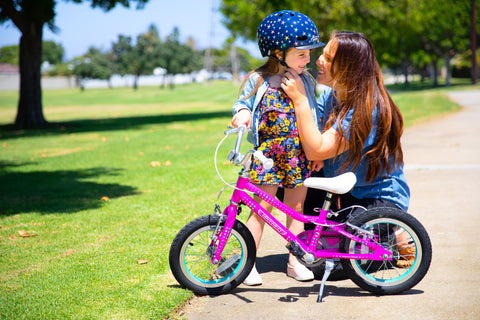
Check that the helmet fits snugly without gaps. It should not move when your child shakes their head.
Make sure knee and elbow pads cover the right areas and straps are secure but comfortable.
- Helmet sits level on the head
- Straps form a “V” under each ear
- Pads cover joints fully
- Straps are fastened tightly but not too tight
Credit: guardianbikes.com

Credit: www.twowheelingtots.com
Frequently Asked Questions
How Do I Install A Helmet On A Kid’s Bike?
Place the helmet on your child’s head and adjust the straps. Ensure the helmet fits snugly without wobbling. Use the buckle to secure it under the chin. Always check for proper positioning above the eyebrows for maximum protection.
What Safety Gear Is Essential For A Kid’s Bike?
Essential safety gear includes a helmet, knee pads, elbow pads, and reflective clothing. These items protect your child from injuries and improve visibility. Make sure all gear fits well and is comfortable for safe riding.
How To Attach Bike Lights On A Child’s Bike?
Attach bike lights to the front and rear of the bike using the provided clips or straps. Ensure the lights are secure and face forward or backward. Test the lights before riding to improve visibility during low light conditions.
Can I Install A Bike Bell On My Kid’s Bike?
Yes, install a bike bell by attaching it to the handlebar using a screwdriver or clamp. Position it within easy reach of your child’s thumb. A bike bell helps alert others and enhances riding safety.
Conclusion
Installing safety gear on your kid’s bike ensures peace of mind. It keeps your child safe during rides. Always double-check helmet and knee pad fittings. Make sure the gear is tight but comfortable. Reflective stickers add visibility during dusk rides.
Practice safe biking habits with your child. Teach them the importance of wearing safety gear. Regular gear checks prevent unexpected issues. A well-equipped bike builds confidence. Safety gear is essential, not optional. Encourage your child to embrace it. Happy and safe biking adventures await!



