
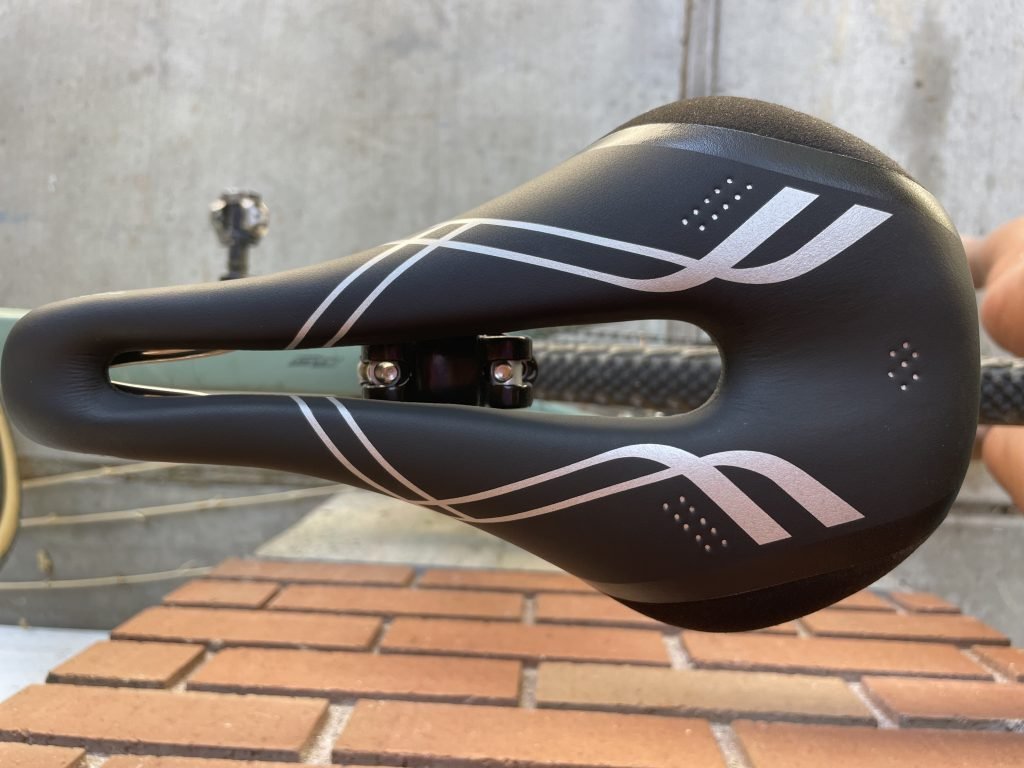
Finding the perfect saddle fit on your women’s specific bike isn’t just about comfort—it can transform your entire riding experience. If your saddle feels uncomfortable, causes numbness, or leaves you sore after every ride, you’re not alone.
The good news is that with the right adjustments, you can say goodbye to discomfort and enjoy every mile. In this guide, you’ll discover simple, step-by-step tips to fit your saddle perfectly. Keep reading to unlock the secrets that will make your rides smoother, more enjoyable, and tailored just for you.
Choosing The Right Saddle
Choosing the right saddle is important for comfort and performance on women’s bikes. A good saddle fits your body and riding style.
Women’s specific saddles are designed to support female anatomy better. This guide helps you pick the best saddle for your bike.
Saddle Width And Shape
The saddle width must match the distance between your sit bones. A saddle too narrow or wide causes discomfort.
Women’s saddles often have a wider rear and a shorter nose. This shape fits female pelvis better and reduces pressure.
- Measure sit bone width using a sit bone measuring tool or foam
- Choose a saddle that supports your sit bones well
- Look for a shape that matches your riding position
Padding And Materials
Padding adds comfort but too much can cause chafing or heat build-up. Choose padding that suits your ride length.
Saddle covers come in leather, synthetic, or gel materials. Each offers different comfort and durability levels.
- Light padding for long rides or racing
- Thicker padding for casual or short rides
- Leather offers durability and molds to shape
- Gel provides extra cushioning and shock absorption
- Synthetic materials dry quickly and resist wear
Cutouts And Pressure Relief
Cutouts reduce pressure on soft tissues and improve blood flow. They help prevent numbness during rides.
Some women’s saddles feature a center cutout or channel. This design relieves pressure on sensitive areas.
- Choose a cutout size that matches your anatomy
- Try saddles with and without cutouts for comfort
- Look for pressure relief features if you feel numbness

Credit: www.bicycling.com
Measuring Your Sit Bone Width
Choosing the right saddle for women’s bikes starts with measuring sit bone width. This measurement helps find a seat that supports your body well. It reduces discomfort during rides.
Knowing your sit bone width guides you in picking a saddle that fits your anatomy. This is important for comfort and better bike control.
Tools For Accurate Measurement
You need a few simple tools to measure your sit bone width accurately. These tools help you get a clear idea of your body shape.
- A piece of corrugated cardboard or a foam pad to sit on
- A ruler or measuring tape to measure the marks
- A pen or marker to mark your sit bones
- A flat surface like a bench or chair
These tools are easy to find at home or a local store. Using them properly ensures the measurement is correct.
Interpreting Your Measurements
After measuring, you need to understand what the numbers mean. This helps you pick the right saddle width.
| Measurement (mm) | Recommended Saddle Width (mm) |
| Less than 110 | 130 |
| 110 – 130 | 145 |
| 130 – 150 | 155 |
| More than 150 | 170 |
Measure twice to be sure. Choose a saddle width slightly wider than your sit bone width. This provides better comfort and support.
Adjusting Saddle Height
Setting the right saddle height is key for comfort and performance. A proper height helps avoid pain and improves your ride.
Women’s specific bikes need careful saddle height adjustment. This ensures better posture and less strain.
Finding The Optimal Height
Start by sitting on the bike with your feet flat on the ground. Your hips should stay level without rocking.
Adjust the saddle so your leg is almost straight when the pedal is at its lowest point. Keep a slight bend in your knee.
- Place your heel on the pedal at bottom position
- Your leg should be fully extended without stretching
- Lower the saddle if your hips rock side to side
- Raise the saddle if your knee bends too much
Common Height Mistakes
Too high or too low saddle height causes discomfort and injury. Watch for signs of wrong height.
Too high saddle makes hips rock and causes knee pain. Too low saddle leads to knee strain and poor power.
- Saddle too high: hips move side to side
- Saddle too high: pain in back or knees
- Saddle too low: knees bend sharply when pedaling
- Saddle too low: less efficient pedaling
Setting Saddle Tilt
Setting the saddle tilt is key for comfort on women’s specific bikes. The angle affects pressure on sensitive areas and overall ride feel.
Small changes in tilt can improve your riding experience. It helps avoid pain and boosts pedaling efficiency.
Neutral Vs Tilted Positions
A neutral saddle position means the saddle is level with the ground. A tilted position means the nose points slightly up or down.
- Neutral position supports even weight distribution.
- Forward tilt can reduce pressure on soft tissues.
- Backward tilt may cause sliding and discomfort.
- Too much tilt leads to numbness or pain.
Effects On Comfort And Performance
| Position | Comfort Impact | Performance Impact |
|---|---|---|
| Neutral | Balances pressure, reduces hotspots | Stable pedaling, good power transfer |
| Forward Tilt | Less pressure on soft areas, may improve comfort | Can help with aggressive riding posture |
| Backward Tilt | Can cause sliding, discomfort over time | Reduces pedaling efficiency |
Positioning Saddle Fore And Aft
Fitting the saddle fore and aft is key for comfort on women’s specific bikes. It affects how you reach the handlebars and your balance on the bike.
Adjusting the saddle forwards or backwards changes how your weight spreads. The right position helps you ride longer without pain.
Balancing Reach And Stability
Finding the right fore and aft saddle position balances your reach and stability. If the saddle is too far forward, you may feel cramped and unstable. Too far back, and you might overstretch your arms.
- Move the saddle forward to reduce reach to the handlebars.
- Shift it backward to increase stability and improve leg extension.
- Check that your knee aligns with the pedal axle when pedals are level.
- Adjust small increments and test ride each change.
Fine-tuning For Riding Style
Riding style affects how you adjust the saddle fore and aft. Road riders may prefer a more forward position for better power transfer. Casual riders might choose a position that favors comfort and balance.
| Riding Style | Suggested Saddle Position |
| Road Racing | More forward for efficient pedaling |
| Casual Riding | Centered for comfort and balance |
| Mountain Biking | Slighlty back for control on rough terrain |

Credit: www.treelinereview.com
Considering Women’s Anatomy
Fitting a saddle on a women’s specific bike means thinking about her body shape. Women have unique needs due to their anatomy.
A good fit helps avoid pain and improves comfort on every ride. It supports the body correctly and reduces pressure in sensitive areas.
Pelvic Structure And Support
Women’s pelvic bones are wider than men’s. This means the saddle needs to support a broader sit bone area.
The right saddle shape matches the distance between the sit bones. It should have enough padding and a shape that fits the wider pelvis.
- Measure sit bone width before choosing a saddle
- Look for saddles designed with a wider rear section
- Use padding that supports but does not squeeze
- Consider a cut-out or relief channel for extra comfort
Pressure Points To Avoid
Women often feel pressure on soft tissues around the perineum. This can cause numbness or discomfort during rides.
A good saddle design avoids pressure on these sensitive points by shaping the nose and using relief zones.
- Choose saddles with a shorter, wider nose
- Look for saddles with a center cut-out or groove
- Avoid hard edges that press on soft tissues
- Adjust saddle tilt to relieve pressure
Testing And Adjusting Fit
Fitting a saddle on women’s specific bikes needs careful testing and adjustment. This helps ensure comfort and proper support during rides.
Testing and adjusting the saddle fit involves short rides, noticing discomfort signs, and making small changes. This process improves riding experience.
Short Test Rides
Start with short rides of 10 to 15 minutes. This allows you to feel how the saddle supports your sit bones and soft tissue areas. Try to ride on flat and slightly varied terrain.
- Check how your hips and pelvis move on the saddle.
- Notice if you need to shift your weight often.
- Ride in your usual position and pedal normally.
Recognizing Discomfort Signs
Discomfort shows that the saddle fit needs adjustment. Watch for pain, numbness, or pressure points. These signs mean the saddle is not aligned well with your body shape.
| Discomfort Type | Possible Cause | What to Do |
| Pressure on soft tissue | Saddle too wide or narrow | Try a different saddle width |
| Numbness in genital area | Wrong saddle angle | Adjust saddle tilt slightly |
| Pain in sit bones | Saddle too hard or low | Add padding or raise saddle |
| Chafing on inner thighs | Saddle shape or position | Shift saddle forward or try a cutout model |
Making Incremental Changes
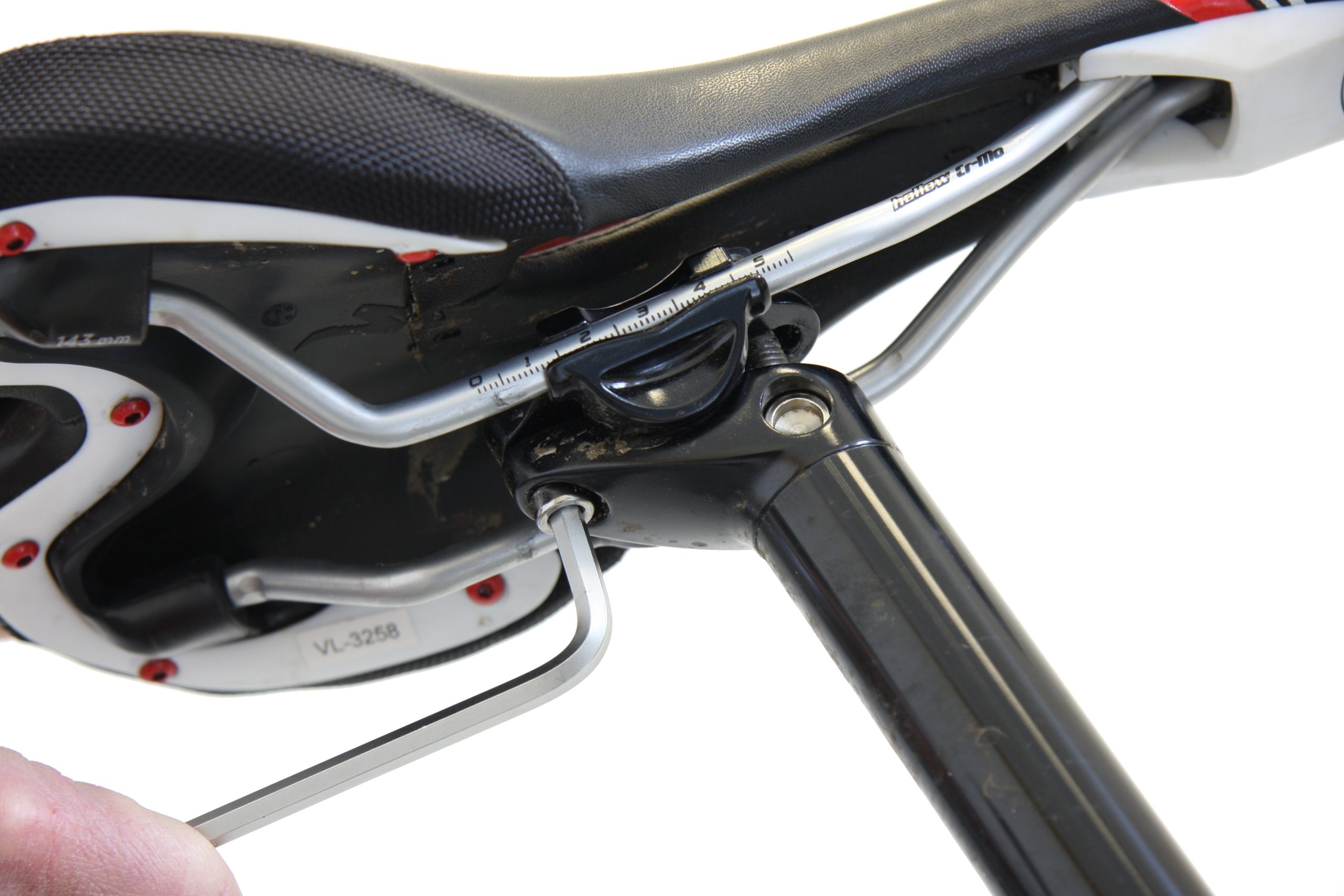
Make small, one-at-a-time changes to the saddle fit. Test each change with another short ride. This method helps you find the best setup safely.
- Adjust saddle height by 2 to 5 millimeters.
- Change saddle tilt by a few degrees.
- Move the saddle forward or backward slightly.
- Try different saddle widths or shapes if needed.
- Note how each change affects comfort.
Credit: totalwomenscycling.com
Additional Comfort Accessories
Women’s specific bikes need extra comfort to enhance every ride. Adding the right accessories can make a big difference. These accessories help reduce pressure and improve your cycling experience.
Below are some key comfort accessories to consider. They support your body and make long rides easier and more enjoyable.
Padded Shorts And Covers
Padded shorts and saddle covers protect sensitive areas from pressure and friction. They add a soft layer between you and the saddle. This reduces soreness and chafing during rides.
- Padded shorts have built-in cushioning for comfort.
- Saddle covers add extra padding directly to the bike seat.
- Choose breathable fabrics to keep cool and dry.
- Proper fit prevents bunching and skin irritation.
- Wash regularly to maintain softness and hygiene.
Saddle Bags And Suspension Seatposts
Saddle bags store essentials without adding bulk to your hands. Suspension seatposts absorb shocks from rough roads. Both improve comfort and convenience on your bike.
| Accessory | Function | Benefit |
|---|---|---|
| Saddle Bags | Hold tools, snacks, and keys | Keep your ride organized and clutter-free |
| Suspension Seatposts | Absorb bumps and vibrations | Reduce strain on your lower back and hips |
Frequently Asked Questions
How Do I Choose The Right Saddle For Women’s Bikes?
Select a saddle designed specifically for women’s anatomy. Look for wider rear support and softer padding for comfort. Consider your riding style and seat material for durability. Testing different models helps find the best fit.
What Is The Correct Saddle Height For Women’s Bikes?
Set the saddle height so your leg is almost fully extended at the pedal’s lowest point. This prevents knee strain and improves pedaling efficiency. Use a heel-to-pedal method for accurate measurement.
How To Adjust Saddle Tilt On Women’s Specific Bikes?
Keep the saddle level or tilt slightly nose down to reduce pressure. Avoid excessive tilt, which can cause discomfort. Small adjustments improve comfort and prevent numbness during rides.
Why Is Saddle Width Important For Women’s Bikes?
Women generally have wider sit bones than men. Choosing the correct saddle width supports these bones properly. This prevents pain and increases riding comfort on longer trips.
Conclusion
A well-fitted saddle means a more comfortable ride. It keeps you happy and reduces pain. Adjust your saddle height and angle carefully. These small changes make a big difference. Choose a saddle designed for women. It suits your body better.
Remember, comfort leads to more enjoyable cycling. Test different positions and find what feels best. Take your time to adjust. Enjoy the ride, feel good, and stay active. Explore new roads with confidence. Your bike should fit you perfectly. A good fit is key to a great biking experience.
Keep riding, keep smiling!



