
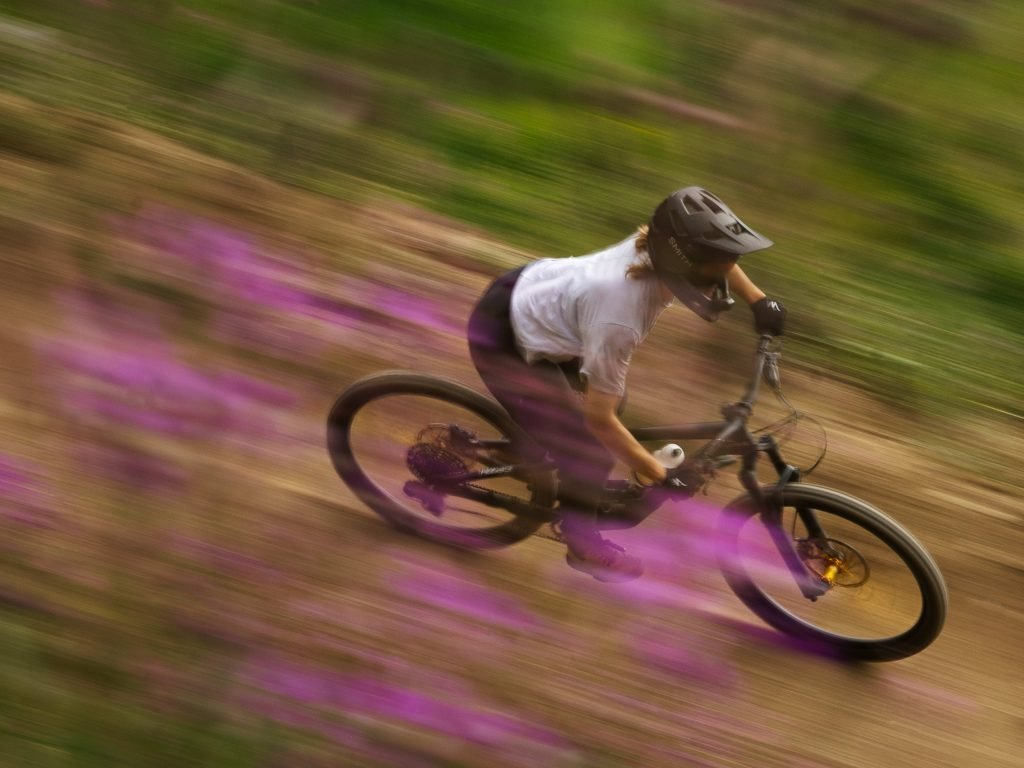
If you love dirt jumping, you know how important your bike pedals are. They take a lot of punishment with every jump and landing.
But are you giving your pedals the care they need to keep performing at their best? Proper maintenance can save you from unexpected failures and keep your rides smooth and safe. You’ll discover simple, effective steps to keep your dirt jump bike pedals in top shape.
Ready to learn how to protect your gear and boost your riding experience? Keep reading!
Choosing The Right Pedals
Picking the correct pedals is key for dirt jump bike maintenance. The right pedals give you control and comfort.
This guide helps you choose pedals based on type, material, and grip for better performance.
Flat Vs Clipless Pedals
Flat pedals let your feet rest freely. They are easy to get on and off. Clipless pedals attach your shoes to the bike. This gives more power but needs practice.
- Flat pedals are safer for beginners.
- Clipless pedals improve pedaling efficiency.
- Flat pedals allow quick foot release.
- Clipless pedals hold feet firmly in place.
Material And Durability
| Material | Durability | Weight |
| Plastic | Low | Light |
| Aluminum | High | Medium |
| Steel | Very High | Heavy |
| Carbon Fiber | High | Very Light |
Choose pedals made from strong materials. Aluminum and steel last long. Plastic pedals are light but break easier. Carbon fiber is light and strong but costs more.
Grip And Traction
Good grip stops your feet from slipping. Pedals have pins or textured surfaces to hold shoes. You want pedals with enough traction for dirt jumps.
- Check pedal pins for size and number.
- Look for pedals with replaceable pins.
- Surface texture adds extra grip.
- Try pedals with a wide platform for stability.
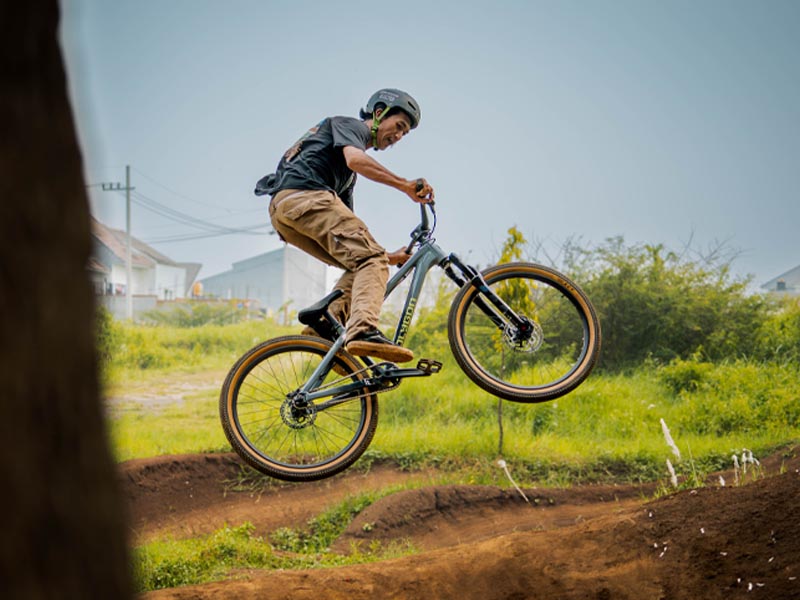
Credit: www.polygonbikes.com
Tools And Supplies Needed
Keeping your dirt jump bike pedals in good shape needs the right tools. Using proper supplies helps your pedals work smoothly and last longer.
This guide covers the basic tools and cleaning agents you need for pedal maintenance. These will make your work easier and more effective.
Basic Maintenance Tools
You need some simple tools to remove, clean, and fix your bike pedals. Having these ready saves time and avoids damage.
- Pedal wrench or adjustable wrench
- Allen keys (usually 6mm or 8mm)
- Small brush or old toothbrush
- Rags or clean cloths
- Grease gun or grease applicator
- Needle-nose pliers
- Bike stand or a place to hold the bike steady
Lubricants And Cleaning Agents
Cleaning your pedals removes dirt and grime. Lubricants keep the moving parts smooth. Use the right products for best results.
| Item | Purpose |
| Bike-specific degreaser | Removes dirt and old grease |
| Chain lubricant or light oil | Keeps pedal bearings moving freely |
| Water and mild soap | Cleans surface dirt |
| Grease (waterproof) | Protects pedal threads and bearings |
| Cleaning brushes | Scrubs off stuck debris |
Cleaning Your Pedals
Keeping your dirt jump bike pedals clean helps them last longer. Dirt and grime can hurt pedal parts over time.
Regular cleaning keeps your pedals working smoothly. It also makes your rides safer and more fun.
Removing Dirt And Debris
Start by wiping off loose dirt from the pedals. Use a dry brush or cloth to remove mud and dust.
Check pedal pins and edges for stuck debris. Remove stones or twigs that might cause damage.
- Use a stiff brush to clean hard-to-reach spots
- Blow air to remove small dirt pieces
- Remove pedals if dirt is stuck inside
Deep Cleaning Techniques
For a deep clean, soak pedals in warm soapy water. This softens built-up grease and grime.
Use a small brush or toothbrush to scrub pedal surfaces. Pay attention to the bearings and pins.
- Remove pedals from the bike before soaking
- Dry pedals completely after cleaning to avoid rust
- Apply lubricant to moving parts after drying
Inspecting Pedal Components
Keeping your dirt jump bike pedals in good shape is important for safety and performance.
Regular checks help you find problems early and fix them before riding.
Checking For Wear And Damage
Look closely at the pedal body for cracks or deep scratches. These can cause failure during rides.
- Check pedal pins for wear or missing parts
- Inspect the pedal surface for dents or bends
- Make sure the pedal spins smoothly without wobbling
- Look for rust or corrosion on metal parts
Bearing Condition
Bearings allow your pedals to spin freely. Check for roughness or noise when you turn the pedals by hand.
| Symptom | Possible Cause | Action Needed |
| Grinding noise | Dirt inside bearing | Clean and lubricate bearings |
| Stiff rotation | Dry or damaged bearings | Apply grease or replace bearings |
| Loose pedal | Worn bearing or axle | Inspect axle and replace parts |
Lubricating Pedals
Keeping your dirt jump bike pedals lubricated helps them move smoothly. It also stops rust and wear.
Regular lubrication improves your bike’s performance and extends pedal life. It is an easy task to do.
Choosing The Right Lubricant
Pick a lubricant made for bike pedals or bearings. Avoid thick grease that can attract dirt.
Wet lubricants work well in rainy or muddy areas. Dry lubricants suit dry and dusty places better.
- Wet lubricants protect from water and rust
- Dry lubricants keep dirt from sticking
- Use light oils for smooth pedal bearings
- Choose grease for sealed or heavy-duty pedals
Proper Application Methods
Clean pedals before adding lubricant. Dirt can damage the pedal if trapped inside.
Apply lubricant to the pedal spindle and moving parts. Use a small amount to avoid mess.
- Remove pedals from the bike for easy access
- Use a rag to wipe off old grease and dirt
- Apply lubricant evenly on pedal bearings and spindle
- Spin pedals to spread lubricant inside
- Wipe off extra lubricant to stop dirt buildup
Tightening And Adjusting
Proper maintenance of dirt jump bike pedals ensures a safe and smooth ride. Tightening and adjusting pedals prevents damage and improves performance.
This guide covers how to secure pedals to the crank arm and adjust the spindle and bearings correctly.
Securing Pedal To Crank Arm
To keep your pedal firmly attached, you must tighten it properly to the crank arm. Loose pedals can cause wobbling or fall off during jumps.
- Use a pedal wrench or Allen key that fits your pedal.
- Turn the right pedal clockwise to tighten.
- Turn the left pedal counterclockwise to tighten (left pedal has reverse threads).
- Apply firm pressure but avoid over-tightening to prevent damage.
- Check both pedals regularly for tightness.
Adjusting Spindle And Bearings
Spindle and bearing adjustments keep pedals spinning smoothly. Incorrect adjustment causes rough rotation or pedal play.
| Adjustment Part | Check | Action |
|---|---|---|
| Spindle | Free spin without wobble | Loosen or tighten locknuts accordingly |
| Bearings | No grinding noise or stiffness | Clean, lubricate, or replace if needed |
| Play | No side-to-side movement | Adjust cone nuts to reduce play |
Replacing Pedal Parts
Maintaining your dirt jump bike pedals keeps your rides safe and smooth. Replacing worn parts helps pedals work better.
Focus on pins, grips, and bearings. Each part wears out differently and needs timely replacement.
When To Replace Pins And Grips
Pedal pins give you grip on the pedals. Over time, pins can become dull or break.
Grips also wear out and lose their stickiness. Replace pins and grips if you slip while riding.
- Check pins for rounding or bending
- Replace pins if they break or fall out
- Look for worn or smooth grip surfaces
- Change grips if they feel slippery
Bearing Replacement Tips
Bearings help your pedals spin smoothly. Dirt and water can damage them over time.
Listen for grinding noises or feel rough spinning. These signs mean you should replace bearings.
- Remove pedals carefully to access bearings
- Clean parts before installing new bearings
- Use proper tools to avoid damage
- Grease bearings well for smooth rotation
- Test pedals after replacement for smooth spin
Preventive Maintenance Tips
Dirt jump bike pedals need regular care to work well. Good maintenance keeps them smooth and safe. This guide helps you avoid common pedal problems.
Following simple steps can make your pedals last longer. Clean and protect your pedals to enjoy better rides every time.
Regular Cleaning Schedule
Cleaning your pedals often stops dirt and grime from building up. This prevents damage and keeps parts moving freely.
- Rinse pedals with water after each ride to remove mud.
- Use a soft brush to clean hard-to-reach spots.
- Wipe pedals dry with a clean cloth to avoid rust.
- Apply lubricant to the moving parts monthly.
- Check for loose screws and tighten them regularly.
Storage And Protection
Storing your bike correctly prevents pedal damage. Protect pedals from moisture and rough conditions when not in use.
| Storage Tip | Reason |
| Keep bike indoors or in a dry shed | Prevents rust and corrosion |
| Cover pedals with a cloth or plastic | Keeps dust and dirt away |
| Store bike off the ground | Stops pedal damage from moisture |
| Remove pedals if storing for long time | Allows better cleaning and inspection |
Troubleshooting Common Issues
Dirt jump bike pedals can face wear and tear from rough rides. Fixing common pedal problems helps keep your bike safe and fun to ride.
This guide covers how to handle two frequent pedal issues: squeaking or grinding sounds and loose or wobbly pedals.
Squeaking Or Grinding Sounds
Squeaking or grinding noises usually mean dirt, lack of lubrication, or worn parts inside the pedal. These sounds can get louder if ignored.
Start by cleaning the pedals with a brush and water. Dry them fully before applying grease or oil to the pedal bearings.
- Remove pedals from the crank arms.
- Clean all dirt and old grease from pedal parts.
- Check bearings for damage or wear.
- Apply fresh grease to bearings and moving parts.
- Reassemble pedals and tighten securely.
Loose Or Wobbly Pedals
Loose pedals can affect your control and cause accidents. Wobbly pedals often mean the pedal spindle or threads are worn or not tight.
Check the pedal tightness with a wrench. If pedals keep loosening, inspect the threads and spindle for damage.
- Use a pedal wrench to tighten pedals firmly.
- Inspect pedal threads for stripping or damage.
- Replace pedals if threads or spindle are worn out.
- Apply threadlocker to pedal threads for extra hold.
- Regularly check pedal tightness after rides.
Credit: www.polygonbikes.com
Credit: www.polygonbikes.com
Frequently Asked Questions
How Often Should I Clean Dirt Jump Bike Pedals?
Clean your dirt jump bike pedals after every 5-10 rides or when visibly dirty. Regular cleaning prevents grit buildup and ensures smooth pedal rotation.
What Tools Do I Need For Pedal Maintenance?
You need a pedal wrench, grease, degreaser, and a clean cloth. These tools help remove, clean, and lubricate pedals efficiently for optimal performance.
How Do I Lubricate Dirt Jump Bike Pedals?
Apply a thin layer of grease to the pedal spindle and bearings. Proper lubrication reduces friction, prevents rust, and extends pedal lifespan.
When Should I Replace Dirt Jump Bike Pedals?
Replace pedals if they show cracks, bent axles, or damaged bearings. Worn pedals reduce grip and can compromise your safety during jumps.
Conclusion
Regular pedal maintenance keeps your dirt jump bike ready to ride. Clean pedals stop dirt and grime from causing damage. Check bearings and replace worn parts for smooth spinning. Tighten screws to avoid pedal wobble or loss. Simple care extends pedal life and improves safety.
Enjoy better control and a smoother ride every time. Small steps make a big difference in bike performance. Stay consistent with pedal checks before each ride. Your bike will thank you with better jumps and tricks.



