
If you’re serious about dirt jumping, having the right suspension setup on your bike can make all the difference. But installing suspension might seem tricky if you’ve never done it before.
Don’t worry—this guide will walk you through every step clearly and simply. By the end, you’ll know exactly how to upgrade your bike for smoother landings and better control. Ready to take your dirt jump skills to the next level?
Let’s get started.

Credit: www.reddit.com
Choosing The Right Suspension
Installing suspension on a dirt jump bike can improve your ride comfort and control. Picking the right suspension helps you handle jumps and rough terrain better.
This guide covers types of suspension, features to check, and budget tips for your dirt jump bike.
Types Of Suspension For Dirt Jump Bikes
Dirt jump bikes usually have front suspension only. There are two main types to consider:
- Hardtail Forks:These have suspension only on the front fork. They are lighter and simpler.
- Dual Suspension:Both front and rear suspension. Less common on dirt jump bikes but offer more comfort.
Key Features To Look For
| Feature | Why It Matters |
| Travel Length | Short travel (80-100mm) fits dirt jumping for better control. |
| Adjustability | Allows tuning of rebound and compression for your style. |
| Durability | Strong materials resist damage from jumps and drops. |
| Weight | Lighter suspension helps keep the bike agile. |
Budget Considerations
Suspension prices vary based on brand, quality, and features. Consider these points when budgeting:
- Basic forks cost less but may lack tuning options.
- Mid-range suspension offers good adjustability and durability.
- High-end models provide lightweight parts and precise control.
- Factor in installation and maintenance costs too.

Credit: www.reddit.com
Gathering Tools And Parts
Installing suspension on a dirt jump bike needs the right tools and parts. Getting everything ready makes the job easier and faster.
Before you start, check that you have all the necessary items. This helps avoid stops and delays during installation.
Essential Tools Needed
You need some specific tools to install suspension on your bike. These tools help you remove old parts and fit the new suspension safely.
- Allen wrenches (various sizes)
- Torque wrench
- Bike stand or work stand
- Grease and lubricants
- Rubber mallet
- Shock pump
- Socket set
- Screwdrivers (flathead and Phillips)
- Cleaning cloths
Suspension Components Checklist
Make sure you have all suspension parts before starting. Missing parts can stop the installation and cause problems.
- Front suspension fork compatible with your bike
- Rear shock (if your bike uses rear suspension)
- Headset bearings
- Suspension seals and bushings
- Mounting hardware like bolts and washers
- Spacers and adapters, if needed
- Suspension travel adjusters or knobs
- Manual or instructions for your suspension model
Preparing Your Bike
Installing suspension on a dirt jump bike starts with good preparation. This step makes the process easier and safer.
Preparing includes removing old parts and checking the bike frame closely. This ensures a smooth installation.
Removing Existing Suspension
First, remove any old suspension parts on your bike. Use the right tools to avoid damage.
Keep bolts and small parts safe. You might need them for the new suspension or for later use.
- Use a wrench to loosen suspension bolts
- Carefully slide out the old suspension fork or shock
- Store bolts and washers in a small container
- Check for hidden parts like spacers or clips
Cleaning And Inspecting The Frame
Clean the frame where the suspension will go. Dirt can hide damage or cause problems later.
Look for cracks, rust, or dents. These issues can affect safety and performance.
- Use a soft brush and soapy water to clean
- Dry the frame with a clean cloth
- Inspect the head tube and shock mounts carefully
- Replace parts if you find damage or wear
Installing The Suspension Fork
Installing a suspension fork on your dirt jump bike improves control and comfort. This guide covers the key steps to get your fork ready for riding.
Follow these instructions carefully. Proper installation keeps your bike safe and performs well on rough trails.
Aligning The Fork
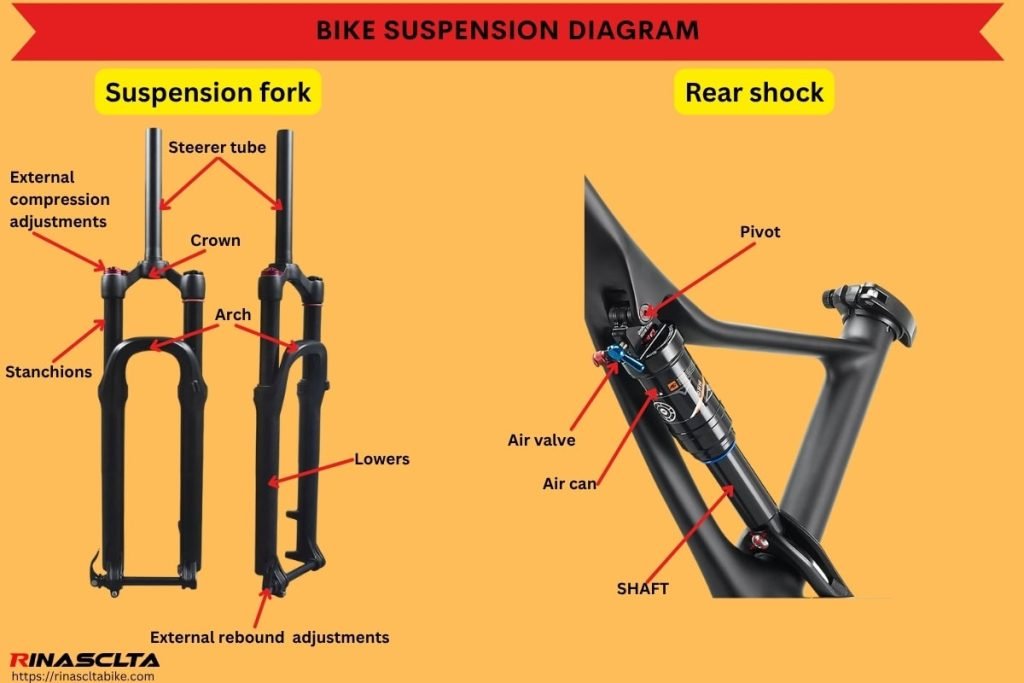
Start by positioning the fork correctly in the bike frame. The fork legs should be straight and centered with the wheel.
- Insert the fork into the head tube of the frame.
- Make sure the fork steerer tube is fully seated inside the headset.
- Align the front wheel so it sits evenly between the fork legs.
- Check that the fork crown is level and faces forward.
- Spin the wheel to confirm there is no rubbing or misalignment.
Securing The Headset
The headset holds the fork in place and allows smooth steering. Tighten it carefully to avoid damage or stiffness.
| Component | Action |
| Lower headset cup | Press into frame’s head tube |
| Upper headset cup | Place on top of head tube |
| Compression ring | Position over steerer tube |
| Stem and spacers | Slide onto steerer tube |
| Top cap bolt | Tighten to preload bearings |
| Stem bolts | Secure stem to steerer tube |
Test the steering by turning the handlebars side to side. The movement should be smooth without play or binding.
Adjusting The Suspension Settings
Set your suspension fork to match your weight and riding style. Use the adjustment knobs and dials on the fork.
- Locate the air valve to add or release air pressure.
- Adjust the rebound dial to control how fast the fork returns after compression.
- Set the compression dial to change how firm the fork feels.
- Test your settings by pressing down on the front of the bike and feeling the response.
- Fine-tune the settings until the fork feels comfortable and responsive.
Setting Up The Rear Shock
Setting up the rear shock on a dirt jump bike is important for a smooth ride. A properly set shock helps absorb bumps and control jumps.
This guide focuses on mounting the rear shock and tuning it for the best performance on dirt jumps.
Mounting The Rear Shock
Start by choosing the right shock for your bike frame. Make sure it fits the mounting points correctly. Use the correct hardware to avoid damage.
Attach the shock to the frame using the bolts. Tighten them to the manufacturer’s torque specs to keep the shock secure.
- Check that the shock moves freely without binding.
- Align the shock with the frame’s pivot points.
- Use new bolts and washers if needed for safety.
- Double-check tightness after the first ride.
Tuning For Optimal Performance
Adjust the air pressure in the shock to match your weight. This helps the shock compress properly on landings.
Set the rebound damping so the shock returns smoothly after compressing. Too fast or too slow rebound can affect control.
- Start with recommended air pressure from the shock manual.
- Test ride and add or release air to find comfort.
- Adjust rebound dial slowly to control shock speed.
- Check for any leaks or unusual noises during use.
Fine-tuning And Testing
After installing suspension on your dirt jump bike, fine-tuning is key. It helps the bike handle rough landings and jumps smoothly.
Testing your setup on the trail shows what needs adjustment. This process improves your ride and safety.
Adjusting Air Pressure And Rebound
Set the air pressure in the suspension to match your weight. Proper pressure helps absorb shocks well.
Rebound controls how fast the suspension returns after a bump. Adjust it to avoid bouncing too much or feeling stiff.
- Check the suspension manual for recommended air pressure
- Use a shock pump to add or release air
- Turn the rebound dial slowly and test the feel
- Increase rebound speed if the suspension feels slow
- Decrease rebound speed if the bike bounces too much
Test Riding And Making Adjustments
Take your bike to a dirt jump trail and ride it carefully. Notice how the suspension reacts to jumps and landings.
Make small changes to air pressure and rebound after each ride. This helps find the best setup for your style.
- Start with moderate air pressure and rebound settings
- Jump and land softly to feel suspension response
- Note if the bike feels too stiff or too soft
- Adjust air pressure or rebound based on your notes
- Repeat test rides until the suspension feels balanced
Maintenance Tips
Proper maintenance keeps your dirt jump bike’s suspension working well. It helps you ride smoothly and safely. Follow simple steps to care for your suspension regularly.
This guide covers checking, cleaning, and replacing parts to keep your suspension in top shape.
Regular Inspection
Check your suspension often for signs of damage or wear. Look for leaks, cracks, and loose parts. Early inspection can prevent big problems.
- Look for oil leaks around the shock body.
- Check stanchions for scratches or dents.
- Test suspension movement for smoothness.
- Listen for unusual noises during rides.
- Tighten any loose bolts or screws.
Cleaning And Lubrication
Keep your suspension clean to avoid dirt buildup. Dirt causes damage and reduces performance. Use gentle cleaning tools and proper lubricants.
| Cleaning Step | What to Use | Frequency |
| Remove dirt from stanchions | Soft cloth, mild soap, water | After every ride |
| Lubricate seals and bushings | Suspension-specific lubricant | Every 2 weeks or 50 miles |
| Clean air canister (if applicable) | Isopropyl alcohol, clean rag | Monthly |
When To Replace Components
Replace worn parts to keep suspension safe and smooth. Do not wait for complete failure. Watch for these signs to replace parts on time.
- Oil leaks that cleaning cannot fix
- Suspension feels rough or sticky
- Visible damage like cracks or deep scratches
- Excessive play or looseness in the suspension
- After heavy crashes or impacts

Credit: alpkit.com
Frequently Asked Questions
What Tools Are Needed To Install Suspension On A Dirt Jump Bike?
You need a shock pump, Allen wrenches, torque wrench, grease, and a clean rag. These tools ensure proper installation and adjustment of the suspension.
How Do I Choose The Right Suspension For My Dirt Jump Bike?
Select suspension based on your weight, riding style, and terrain. Consider travel length and damping features for optimal performance.
How Often Should Suspension Be Serviced On A Dirt Jump Bike?
Service suspension every 50-100 hours of riding or annually. Regular maintenance ensures smooth operation and extends suspension life.
Can I Install Suspension On Any Dirt Jump Bike Frame?
No, suspension must be compatible with your bike’s frame and mounting points. Check manufacturer specifications before installation.
Conclusion
Mastering suspension installation boosts your dirt jump bike experience. Follow steps carefully. Ensure all tools are ready before you start. Double-check every bolt and connection. Safety comes first. Enjoy smoother rides and fewer bumps. Your bike’s performance will improve significantly.
Feel the difference on your next jump or trail. Practice makes perfect, so install with confidence. Remember, a well-installed suspension enhances control. Happy biking and keep exploring new trails.



