
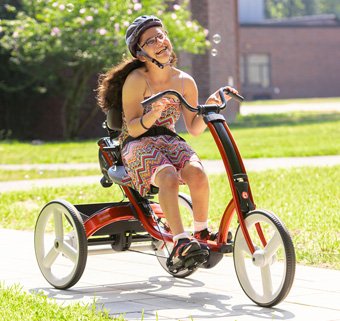
Imagine feeling the wind on your face and the thrill of moving freely, no matter your physical challenges. Adaptive bikes are more than just a mode of transportation—they are a key to unlocking your independence.
Whether you’re recovering from an injury or living with a disability, these specially designed bikes give you the power to explore, exercise, and enjoy life on your own terms. Keep reading to discover how adaptive bikes can transform your daily routine and boost your confidence like never before.
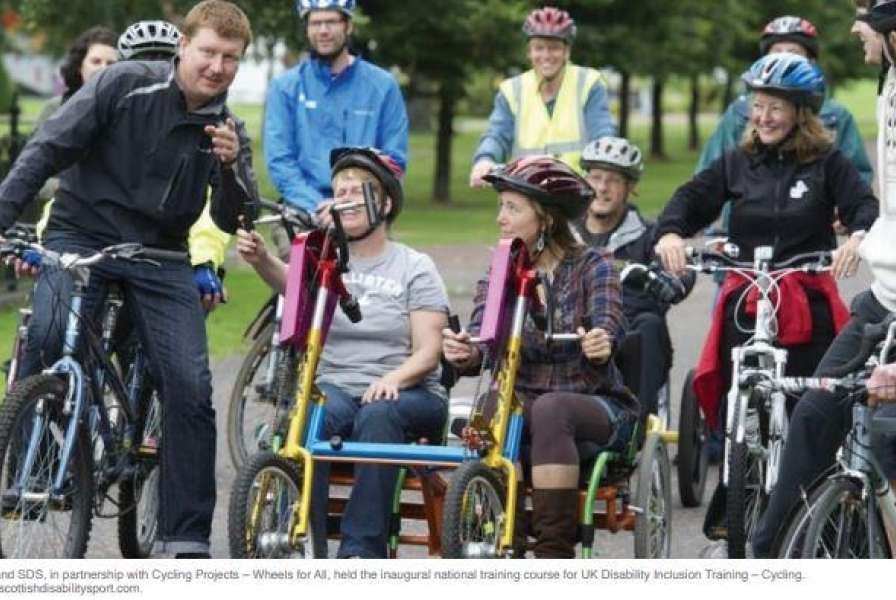
Credit: www.playcore.com
Benefits Of Adaptive Bikes
Adaptive bikes help many people enjoy riding safely and comfortably. They are designed for different needs and abilities.
These bikes offer more than just fun. They improve daily life in many ways.
Enhanced Mobility For All
Adaptive bikes allow people with physical challenges to move more freely. They provide support and stability that regular bikes cannot.
- Custom seating for comfort and control
- Extra wheels for balance and safety
- Adjustable pedals and handlebars
- Options for hand pedals or electric assist
Boosting Confidence And Independence
Riding an adaptive bike helps people feel more confident. It gives them a chance to explore their surroundings alone or with friends.
| Confidence Benefits | Independence Benefits |
| Improves self-esteem | Enables solo travel |
| Encourages social interaction | Reduces need for assistance |
| Offers a sense of achievement | Supports daily activities |
Physical And Mental Health Gains
Using adaptive bikes supports both body and mind. Exercise can improve strength and mood at the same time.
Health Benefits of Adaptive Bikes
- Builds muscle strength and endurance
- Improves heart and lung function
- Reduces stress and anxiety
- Boosts overall energy levels

Credit: www.msn.com
Types Of Adaptive Bikes
Adaptive bikes help people with different needs enjoy cycling. They come in many styles to match abilities and preferences. These bikes improve freedom and movement for riders.
Each type offers unique features. Choosing the right one depends on balance, strength, and control levels. Below are common types of adaptive bikes.
Tricycles And Tandem Bikes
Tricycles have three wheels for extra balance. They help riders who find two wheels hard to manage. Tandem bikes allow two people to ride together. One person can assist the other in pedaling or steering.
- Tricycles provide stability and ease of use.
- Tandem bikes promote teamwork and shared riding.
- Both types suit people with limited balance skills.
- They come in different sizes and styles.
Handcycles And Recumbent Bikes
Handcycles use hand pedals instead of foot pedals. They are ideal for people with lower body impairments. Recumbent bikes let riders sit in a reclined position. This reduces strain on the back and neck.
| Bike Type | Main Feature | Best For |
|---|---|---|
| Handcycle | Hand-powered pedals | Lower body disabilities |
| Recumbent Bike | Reclined seating position | Back or neck support needs |
Electric Adaptive Bikes
Electric adaptive bikes have motors to assist pedaling. They help riders who tire easily or have limited strength. These bikes make longer rides possible and more comfortable.
Key benefits of electric adaptive bikes include:
- Motor support for easier pedaling
- Adjustable speed controls
- Improved independence for riders
- Options for various disabilities
Choosing The Right Adaptive Bike
Adaptive bikes help people with different needs ride safely and comfortably. Picking the right bike is important for independence.
This guide explains how to choose an adaptive bike by looking at needs, options, and budget.
Assessing Individual Needs
First, understand the rider’s physical abilities and challenges. This helps find a bike that fits well.
Consider balance, strength, height, and any special support required. Each person needs a different type of adaptive bike.
- Check if the rider needs extra stability
- Look for support features like backrests or straps
- Think about the rider’s comfort and control
Customization Options
Adaptive bikes can be changed to fit the rider better. Custom parts help improve riding experience and safety.
Some common customizations include seat adjustments, pedal modifications, and handlebar changes.
- Adjustable seats for height and support
- Pedals with straps or custom shapes
- Handlebars designed for better grip
- Additional safety features like brakes and lights
Budget Considerations
Adaptive bikes come in many price ranges. Set a budget before choosing to avoid overspending.
Think about the costs of custom parts and maintenance. Some features may add to the price but improve usability.
- Basic models are less expensive
- Custom parts may increase cost
- Consider long-term maintenance expenses
- Look for durable materials to save money over time
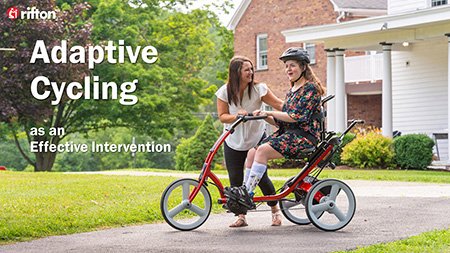
Credit: www.rifton.com
Real-life Stories
Adaptive bikes help many people gain freedom and confidence. These bikes fit different needs and abilities. Real stories show how they change lives every day.
People who use adaptive bikes share how they overcome challenges. They also talk about how these bikes improve daily life and build community connections.
Overcoming Challenges
Many riders face physical or balance challenges. Adaptive bikes give them a way to ride safely and enjoy the outdoors. For example, some use hand cycles or trikes to stay active.
- Sarah uses a three-wheeled bike to keep balance after surgery.
- Tom rides a hand pedal bike due to limited leg strength.
- Emily enjoys cycling with her adaptive tandem bike because of visual impairments.
Daily Life Improvements
Adaptive bikes help users with daily activities and independence. They can run errands, exercise, or just enjoy nature rides. This improves their mood and health.
| Name | Type of Adaptive Bike | Daily Benefit |
| James | Recumbent trike | Easy rides in the park |
| Linda | Hand cycle | Stays active despite leg weakness |
| Mark | Tandem bike | Enjoys cycling with a friend |
Community And Social Impact
Riding adaptive bikes helps users join groups and meet new people. It creates friendships and a sense of belonging. Group rides and events bring people together.
- Builds friendships
- Increases confidence
- Encourages teamwork
- Promotes inclusion
Tips For Safe Riding
Riding an adaptive bike can help you feel more independent. Safety is key to enjoy every ride without worry.
Use some simple tips to stay safe. These tips cover gear, terrain, and bike care.
Protective Gear Essentials
Wearing the right gear protects you from injuries. Always wear a helmet that fits well and meets safety standards.
Gloves help protect your hands and improve grip. Knee and elbow pads add extra safety, especially on rough paths.
- Helmet with proper fit
- Gloves for better grip and hand protection
- Knee and elbow pads to prevent scrapes
- Bright or reflective clothing for visibility
Navigating Different Terrains
Adaptive bikes can handle many surfaces. Slow down on uneven or slippery ground to keep control.
Look ahead and avoid obstacles like rocks or roots. Use lower gears on hills to pedal with less effort.
- Reduce speed on gravel, grass, or dirt
- Stay alert for bumps and holes
- Use gears to ease climbing and descending
- Choose smooth paths when possible
Maintenance And Care
Keeping your adaptive bike in good shape makes riding safer. Check the brakes and tires before each ride.
Clean the bike regularly to avoid dirt build-up. Lubricate the chain and moving parts to keep them working smoothly.
- Inspect brakes for proper function
- Check tire pressure and tread
- Clean the bike after rides
- Lubricate chain and joints
- Tighten loose bolts and screws
Future Trends In Adaptive Cycling
Adaptive bikes help many people gain more freedom. These bikes change to fit different needs. Future trends show new ways to make cycling easier.
Technology, access, and support grow fast. These trends improve independence for riders with disabilities.
Technological Innovations
New technology makes adaptive bikes lighter and smarter. Sensors and motors help riders pedal smoothly. Custom designs fit individual needs better.
- Electric assist motors reduce effort
- Smart sensors track speed and balance
- 3D printing creates custom parts
- App controls adjust settings easily
Increased Accessibility
More places now offer adaptive bikes for rent or use. Parks, schools, and therapy centers add bikes to help people try them out. This access helps more people enjoy cycling.
| Location Type | Access Offered |
| Parks | Adaptive bike rentals |
| Schools | Use during physical education |
| Therapy Centers | Custom adaptive bike programs |
| Community Centers | Group rides and training |
Growing Support Networks
Support groups and clubs form to share tips and stories. These networks connect riders, families, and experts. They help with advice, repairs, and social rides.
- Local clubs organize regular rides
- Online forums share knowledge
- Workshops teach bike maintenance
- Events promote adaptive cycling awareness
Frequently Asked Questions
What Are Adaptive Bikes?
Adaptive bikes are specially designed bicycles that accommodate various physical needs. They enhance mobility and independence for people with disabilities. These bikes offer customized features like extra support, stability, and ease of use. They enable users to enjoy cycling safely and confidently.
How Do Adaptive Bikes Improve Independence?
Adaptive bikes provide users with freedom to move independently. They reduce reliance on others for transportation or exercise. The bikes build confidence and encourage outdoor activity. Overall, they enhance physical health and social inclusion, promoting a more active lifestyle.
Who Can Benefit From Adaptive Bikes?
Individuals with physical disabilities, balance issues, or limited mobility benefit most. Adaptive bikes suit children and adults with conditions like cerebral palsy or spinal injuries. They cater to diverse needs by offering various models and customization options.
Are Adaptive Bikes Easy To Use?
Yes, adaptive bikes are designed for user-friendliness. They include features like adjustable seats and easy-to-reach controls. Many models have stability enhancements to prevent falls. This makes them accessible even for beginners or those with limited strength.
Conclusion
Adaptive bikes offer newfound freedom to many individuals. They empower people with mobility challenges. Riding these bikes builds confidence. It enhances physical health and mental well-being. Individuals can explore their surroundings with ease. Social interactions increase, reducing feelings of isolation.
Independence grows as users rely less on assistance. Accessible biking creates joy and adventure. It’s a meaningful step toward a more inclusive world. Adaptive bikes change lives, one ride at a time. Everyone deserves the thrill of cycling. With adaptive bikes, that dream becomes a reality for many.
Embrace the journey of independence.



