
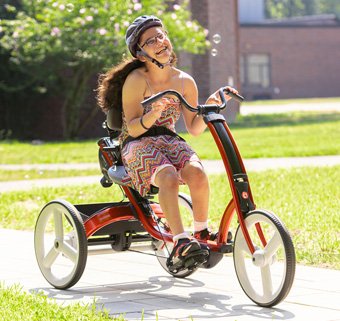
Are you struggling to get your adaptive trike to fit just right? When your trike feels uncomfortable or hard to control, it can take the fun out of every ride.
But the good news is, with a few simple adjustments, you can make your adaptive trike feel like it was made just for you. In this guide, you’ll discover easy steps to fine-tune your trike’s settings, improve your comfort, and boost your confidence on the road.
Keep reading, and you’ll be riding smoother and safer in no time.

Credit: www.libertytrike.com
Choosing The Right Adaptive Trike
Adaptive trikes help people with different needs enjoy cycling. Picking the right one makes riding safer and more fun.
Consider your body type, ability, and how you want to use the trike. This guide covers types and key features to help you decide.
Types Of Adaptive Trikes
There are several types of adaptive trikes. Each fits different needs and abilities. Knowing these can guide your choice.
- Recumbent Trikes:You sit back with legs forward. Good for comfort and stability.
- Upright Trikes:Sit like a regular bike. Easier to steer and get on and off.
- Tadpole Trikes:Two wheels in front, one in back. Offer good balance and speed.
- Delta Trikes:One wheel in front, two in back. Better for tight turns and slow rides.
Key Features To Consider
Choose features that match your comfort and safety needs. This table shows common features and why they matter.
| Feature | Benefit |
| Adjustable Seat | Fits different body sizes and improves comfort |
| Step-Through Frame | Easier to mount and dismount the trike |
| Hand Controls | Good for riders with limited leg movement |
| Wide Tires | Better balance and grip on rough surfaces |
| Storage Options | Carry personal items or medical equipment |

Credit: www.rifton.com
Setting Seat Position
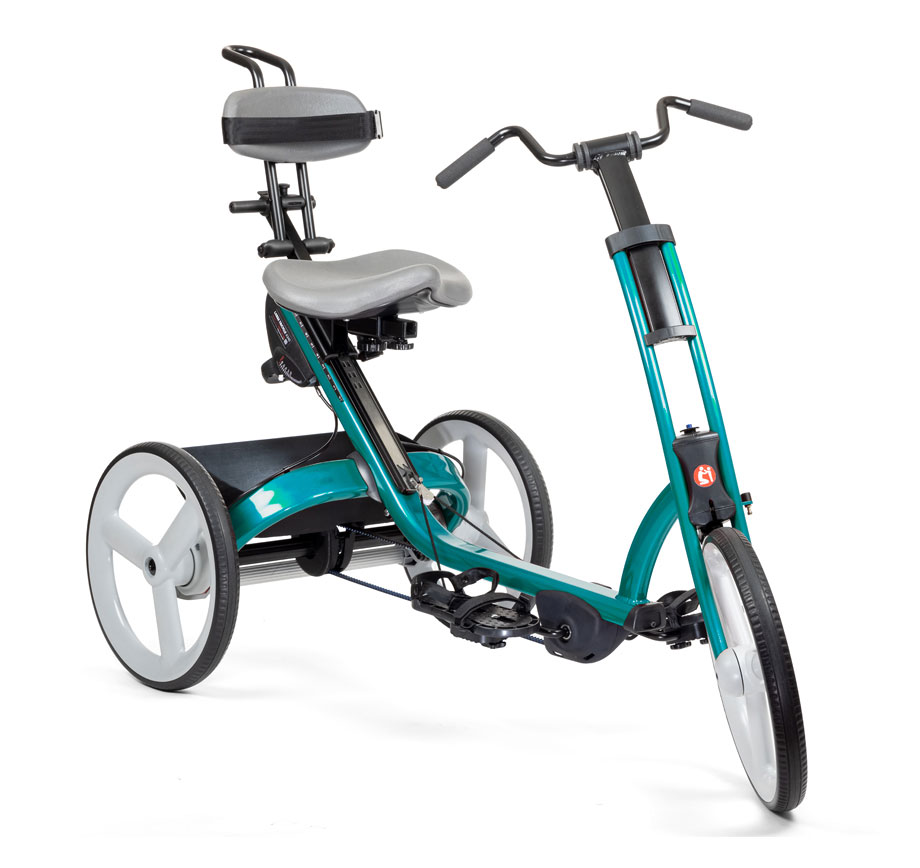
Adjusting the seat position on an adaptive trike is important. It helps riders stay comfortable and safe.
A good seat position supports better control and reduces strain during rides. Focus on seat height, angle, and back support.
Adjusting Seat Height
Seat height affects how easily you pedal and reach the ground. Set it so your feet touch the pedals comfortably.
Make sure your knees bend slightly when the pedal is at the lowest point. This helps prevent knee pain.
- Loosen the seat post clamp
- Raise or lower the seat to fit your leg length
- Tighten the clamp securely
- Test by pedaling slowly and adjusting if needed
Finding Optimal Seat Angle
The seat angle controls how you sit and how your weight spreads. A good angle keeps you stable and comfortable.
Usually, a slightly tilted seat helps reduce pressure on your hips and tailbone. Adjust it to what feels best.
- Check if the seat tilts forward or backward
- Loosen the angle adjustment bolts
- Move the seat until the angle feels natural
- Tighten the bolts to lock the angle
Ensuring Proper Back Support
Back support keeps your spine aligned and reduces fatigue during rides. Adjust it to fit your back shape.
Use the backrest height and firmness settings to find the best support. It should feel firm but not hard.
- Adjust the backrest height to support your lower back
- Check if the backrest is tight enough for stability
- Use cushions if extra support is needed
- Test by sitting upright and feeling your back’s comfort
Handlebar Adjustments
Adjusting the handlebars on your adaptive trike is key for comfort and control. Proper handlebar setup reduces strain on your wrists and shoulders.
This guide covers simple ways to position handlebars for a better ride.
Positioning For Comfort
Start by sitting on your trike and relaxing your arms. The handlebars should allow a natural arm position without reaching too far.
- Keep elbows slightly bent to avoid locking your joints.
- Adjust handlebar angle to fit your hand position.
- Check that your shoulders are relaxed, not raised.
- Make small changes and test ride for comfort.
Adjusting Reach And Height
Reach and height affect how easily you can steer and control your adaptive trike.
| Adjustment | How to Adjust | Effect |
| Reach | Slide handlebars forward or backward | Closer reach reduces arm stretch |
| Height | Raise or lower the handlebar stem | Higher bars reduce back strain |
| Angle | Rotate grips up or down | Improves wrist comfort |
Pedal And Crank Setup
Adjusting the pedals and crank arms on an adaptive trike helps improve comfort and efficiency. Proper setup reduces strain and allows better control while riding.
This guide covers how to adjust pedal straps and set crank arm length for a better cycling experience.
Adjusting Pedal Straps
Pedal straps keep your feet secure while pedaling. Tighten or loosen them to fit your shoe size and comfort level.
- Place your foot flat on the pedal.
- Pull the strap snugly over your shoe.
- Make sure the strap is tight but not too tight to cut off circulation.
- Secure the strap buckle or Velcro to hold your foot firmly.
- Test by pedaling slowly to ensure your foot stays in place.
Setting Crank Arm Length
The crank arm length affects your pedaling power and leg comfort. Use the correct length for your leg size and riding style.
| Leg Length (inches) | Recommended Crank Arm Length (mm) |
| 25 – 29 | 150 – 165 |
| 30 – 34 | 165 – 170 |
| 35 – 39 | 170 – 175 |
| 40 and above | 175 – 180 |
Adjust crank arms using the wrench to loosen the bolt. Slide the arm to the needed length and tighten securely.
Fine-tuning Suspension And Brakes
Adaptive trikes need good suspension and brakes for safe rides. Adjusting them helps you ride smoothly and stop safely.
Small changes in suspension and brake settings make a big difference in comfort and control.
Suspension Settings For Smooth Ride
Check your trike’s suspension to keep the ride soft. Adjust the tension to match your weight and road conditions.
Too stiff suspension makes the ride rough. Too loose suspension can cause instability.
- Increase tension for heavier riders or rough roads
- Decrease tension for lighter riders or smooth roads
- Test the ride after each adjustment
- Adjust both front and rear suspension for balance
Brake Lever Positioning
Set brake levers where your fingers reach easily. Good positioning helps quick and safe braking.
Levers too far or too close make braking hard or unsafe. Adjust the levers to fit your hand size.
- Hold the handlebar naturally
- Move levers closer or farther until comfortable
- Make sure you can brake without stretching your fingers
- Test brakes after adjusting to confirm safety
Testing And Making Final Adjustments
After setting up your adaptive trike, it is important to test it out. Testing helps you find any issues with fit or comfort. Making final adjustments will improve your riding experience.
Small changes can make a big difference. Take time to test and adjust the trike until it feels right.
Taking A Test Ride
Start with a short test ride in a safe area. Pay attention to how you feel while riding. Notice if the seat, pedals, and handles feel comfortable.
Check if you can reach all controls easily. Make sure your feet rest well on the pedals. Adjust the seat height or handle position if needed.
- Ride slowly at first to feel the trike’s response
- Try turning and braking to test control
- Stop and check your posture and comfort often
Common Comfort Issues And Fixes
Some common comfort problems include seat pain, foot numbness, or hand strain. These issues can usually be fixed with small adjustments.
- Seat Pain:Adjust the seat angle or add padding to reduce pressure.
- Foot Numbness:Move pedals closer or farther to find a natural foot position.
- Hand Strain:Change handle height or angle to avoid wrist discomfort.
- Back Discomfort:Adjust the backrest for better support.
Make one change at a time. Test the trike again after each fix. This way, you know what works best for you.
Credit: www.rifton.com
Frequently Asked Questions
How Do I Adjust The Seat On An Adaptive Trike?
To adjust the seat, locate the seat clamp or lever. Loosen it, slide the seat forward or backward, then tighten securely. Proper seat adjustment improves comfort and control while riding.
What Is The Best Way To Adjust Adaptive Trike Handlebars?
Handlebars can be adjusted by loosening the stem bolts. Move them to the desired height and angle. Tighten bolts firmly to ensure stability and better handling.
How Can I Adjust The Adaptive Trike Pedals?
Pedals are adjusted by loosening the pedal arms or crank set. Set them to a comfortable position for your leg length. Tighten all parts securely to prevent slipping.
When Should I Check Tire Pressure On An Adaptive Trike?
Check tire pressure before each ride or weekly. Proper tire pressure ensures smooth riding, better control, and prevents flats. Use a pump with a pressure gauge for accuracy.
Conclusion
Adjusting adaptive trikes can be simple with the right steps. Start with the seat. Make sure it’s at a comfortable height. Check the pedals. They should be easy to reach. Adjust the handlebars. They need to fit your grip. Practice riding in a safe area.
Gain confidence with each ride. Remember, small tweaks make a big difference. Enjoy your ride, feel the freedom. With practice, adjusting gets easier. Always prioritize safety. Keep tools handy for quick adjustments. Happy cycling!



