
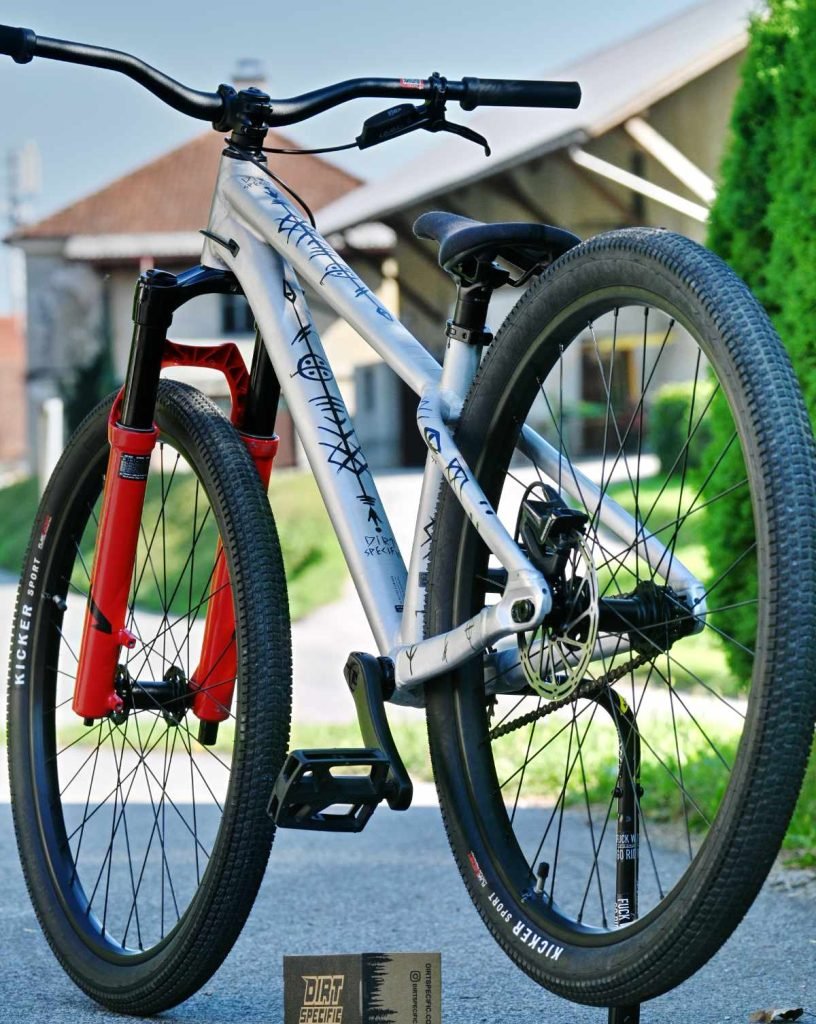
If you love dirt jumping, you know how important it is to protect yourself while pushing your limits. Choosing the right bike pads can make all the difference between a thrilling ride and a painful injury.
But how do you pick the best pads that fit your style and keep you safe? In this guide, you’ll discover simple, effective tips to find the perfect dirt jump bike pads. Keep reading, and get ready to jump with confidence like never before.

Credit: www.docsparcels.com
Choosing The Right Bike Pads
Bike pads are essential for dirt jumping. They protect you from falls and impacts. Choosing the right pads can keep you safe and comfortable.
This guide covers the types of pads, materials used, and how to find the best size and fit for your needs.
Types Of Pads For Dirt Jumping
Dirt jumping requires specific pads to protect key areas. Common types include knee pads, elbow pads, and shin guards. Each type offers different protection levels.
- Knee Pads:Protect knees from scrapes and impacts.
- Elbow Pads:Shield elbows during falls.
- Shin Guards:Guard shins from pedal strikes.
- Full Body Pads:Combine multiple protections for high-risk jumps.
Material And Durability
Good bike pads use tough materials that last long and absorb shocks well. Look for pads made of foam, plastic, or gel. These materials protect you without slowing you down.
| Material | Benefits | Drawbacks |
| Foam | Lightweight, absorbs impact | Can compress over time |
| Plastic | Strong, protects against sharp objects | Less flexible, can be bulky |
| Gel | Comfortable, molds to body shape | Heavier, may retain heat |
Size And Fit Considerations
Pads must fit well to protect properly. Too loose and they move out of place. Too tight and they cause discomfort. Check the sizing charts from brands to find your size.
- Measure your limbs before buying.
- Try pads on with your riding gear.
- Make sure straps hold pads securely.
- Look for breathable padding to reduce sweat.
Essential Protection Areas
Dirt jumping is an exciting bike sport but it comes with risks. Wearing the right pads keeps you safe and confident.
Focus on key body parts that get the most impact during falls and jumps. Proper protection helps prevent serious injuries.
Knee Pads
Knee pads protect your knees from scrapes and hard impacts. Look for pads with thick foam and a hard outer shell. They should fit snugly but allow movement.
Elbow Pads
Elbow pads shield your elbows from bruises and fractures. Choose lightweight pads with good ventilation. Soft padding with a strong cover works best.
Gloves And Wrist Guards
Gloves protect your hands from cuts and improve grip on the handlebars. Wrist guards reduce the risk of wrist fractures by supporting your wrists during falls.
- Choose gloves with padded palms to reduce vibration.
- Wrist guards should fit comfortably and allow wrist movement.
- Check for durable materials that resist tears and wear.
Helmet Choices
| Helmet Type | Protection Level | Best Use |
|---|---|---|
| Full-face Helmet | High | Steep jumps and big drops |
| Open-face Helmet | Moderate | Small jumps and park riding |
| Half-shell Helmet | Basic | Casual dirt jumping |
Fitting And Adjusting Pads
Properly fitting your dirt jump bike pads is key to safety. Good fit keeps pads in place during tricks and falls.
Adjusting pads correctly also helps you stay comfortable and move freely. Let’s look at how to fit and adjust them right.
Proper Strap Tightening
Straps hold your pads tight but not too tight. Tight straps keep pads from sliding down your legs or arms.
- Start by placing the pad where it fits best on your knee or elbow.
- Wrap the straps evenly around your limb without twisting them.
- Tighten the straps until the pad feels snug but does not cut off circulation.
- Check that you can slide a finger between the strap and your skin.
- Move your joint to test if the pad stays in place without pinching.
Ensuring Comfort And Mobility
Comfort and mobility are important for long rides and tricks. Pads should protect without limiting movement.
| Pad Area | Fit Tip | Mobility Check |
| Knees | Place center of pad over kneecap | Bend knee fully to test movement |
| Elbows | Cover joint without covering too much forearm | Bend arm to check for slipping |
| Shins | Align pads along the shin bone | Walk and jump to feel comfort |
Avoiding Common Fit Issues
Many riders face common fit problems. Fix these to keep pads working well and protect you better.
- Pads sliding down due to loose straps.
- Straps too tight causing pain or cuts.
- Pads placed too high or low, missing key impact areas.
- Too much bulk reducing your ability to pedal or jump.
- Ignoring small adjustments that improve pad fit.
Maintenance And Care For Pads
Dirt jump bike pads protect your knees and elbows during rides. Keeping them clean and well cared for helps them last longer. Proper maintenance also keeps you safe and comfortable.
In this guide, we will cover how to clean your pads, store them properly, and know when to replace them.
Cleaning Techniques
After riding, dirt and sweat can build up on your pads. Clean them regularly to stop bad smells and bacteria. Use gentle cleaning to avoid damage.
Hand wash pads with mild soap and cold water. Avoid bleach or strong detergents. Rinse well to remove soap.
- Remove hard dirt before washing
- Use a soft brush or cloth to scrub gently
- Air dry pads completely before use
Storage Tips
Store your bike pads in a dry, cool place. Avoid leaving them in direct sunlight or damp areas. Good storage keeps pads in shape and stops mold.
- Keep pads away from heat sources
- Do not fold pads tightly
- Use a breathable bag or shelf for storage
- Check pads regularly for any damage
When To Replace Pads
Pads wear out over time and lose protection. Replace them if you notice cracks, tears, or if they feel less firm. Old pads may not protect you well.
- Replace pads with visible damage
- Change pads if straps are broken
- Consider replacement after heavy crashes
- Replace pads every 1-2 years for safety
Additional Safety Gear
Dirt jumping can be risky without the right safety gear. Wearing extra protection helps reduce injury chances. Using more gear keeps you safer during jumps and falls.
Besides pads and helmets, other safety items add more protection. These items support different body parts and improve your riding confidence.
Body Armor Options
Body armor covers your chest, back, and shoulders. It helps protect your ribs and spine from hard falls. Many riders wear lightweight armor that fits under clothes.
Some body armor is made of foam or plastic plates. Choose armor that fits well and allows movement. Breathable materials keep you cool while riding.
Impact Shorts
Impact shorts protect your hips and tailbone. They have padding around the thighs and buttocks. This padding absorbs shocks from landings and crashes.
These shorts are worn under normal pants. They are tight and flexible to let you move freely. Impact shorts help prevent bruises and bone injuries.
Neck Braces
Neck braces support your neck and reduce injury risk. They limit extreme head movements during falls. Many dirt jumpers use braces for extra spine protection.
Braces are worn over your jersey or shirt. They work best combined with helmets and body armor. Make sure the brace fits comfortably around your neck.

Credit: alpkit.com
Riding Tips To Maximize Protection
Dirt jumping is an exciting sport that needs good protection. Wearing the right pads helps prevent injuries. Riding smart also keeps you safer.
These tips focus on how to use your bike pads well. They help you stay safe while enjoying your jumps.
Proper Landing Techniques
Landing correctly reduces the impact on your body and pads. Keep your knees bent and absorb the shock with your legs. This lowers the risk of injury.
Try to land with both wheels at the same time. This balances the force and protects your joints better.
- Bend knees and elbows to absorb impact
- Land with both wheels touching ground simultaneously
- Keep your body relaxed but controlled
- Avoid stiffening up on landing
Controlled Speed And Jumps
Speed affects how hard you land and your control in the air. Ride at a speed you can handle safely. Avoid going too fast on unfamiliar trails.
Choose jump sizes that match your skill. Smaller jumps help you practice and build confidence with your pads.
- Keep speed steady and manageable
- Start with smaller jumps and increase slowly
- Maintain control in the air and on landing
- Wear full pads for bigger jumps
Awareness Of Trail Conditions
Check the trail before riding to avoid surprises. Wet or loose dirt can cause slips and falls. Knowing the trail helps you prepare and protect yourself better.
Adjust your riding style based on the trail. Slow down on tricky sections and use your pads to stay safe in falls.
- Inspect trails for rocks, roots, and loose dirt
- Ride slower on wet or slippery areas
- Wear protective pads to reduce injury risk
- Plan your jumps according to trail conditions

Credit: www.youtube.com
Frequently Asked Questions
What Are The Best Pads For Dirt Jump Biking?
The best pads offer strong impact protection and flexibility. Look for knee and elbow pads with hard shells and foam padding. Lightweight and breathable materials improve comfort during jumps.
How Do Dirt Jump Bike Pads Improve Safety?
Pads absorb shocks from rough landings and falls. They protect joints from bruises and fractures. Wearing pads reduces injury risk, allowing riders to jump confidently.
When Should I Replace My Dirt Jump Bike Pads?
Replace pads if padding compresses or shells crack. Worn-out pads lose impact absorption and protection. Regularly inspect pads to ensure effective safety during riding.
Can I Use Regular Bike Pads For Dirt Jumping?
Regular bike pads may lack durability for dirt jumps. Dirt jump pads have reinforced protection for high-impact landings. Choose pads designed specifically for dirt jumping for best safety.
Conclusion
Mastering dirt jump biking requires the right gear. Bike pads are essential for safety. They protect you during jumps and falls. Always choose pads that fit well. They should cover elbows, knees, and shins comfortably. Regularly check them for wear and tear.
Replace worn-out pads promptly. This ensures maximum protection. Investing in quality pads is wise. Your safety depends on it. Enjoy your rides with confidence. Remember, safe biking is fun biking. Embrace the thrill, but stay protected. Happy jumping!



