
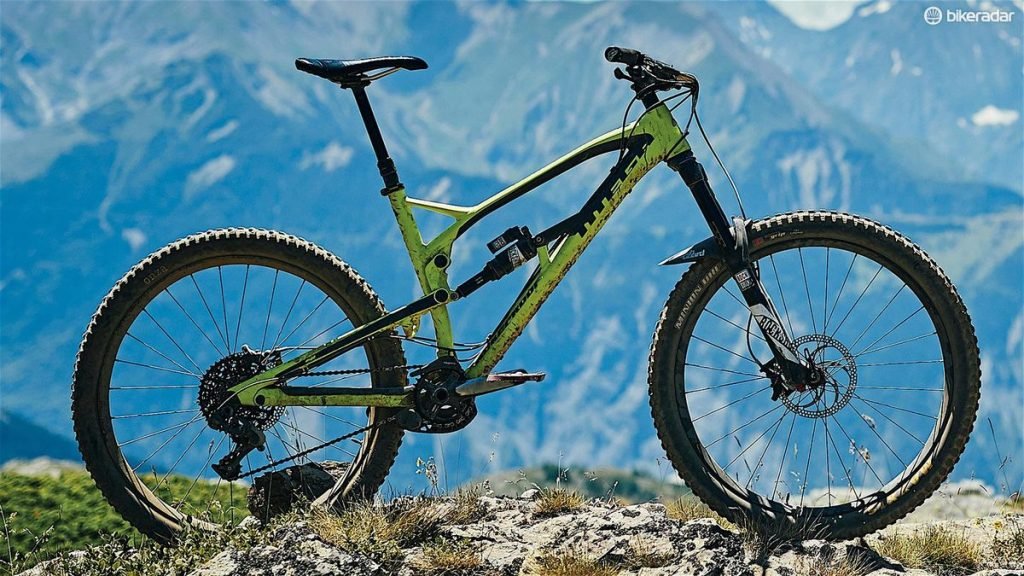
Are you ready to get the most out of your mountain bike? Adjusting your suspension forks can make a huge difference in how comfortable and controlled your ride feels.
But did you know that suspension settings designed for men might not work as well for you? Getting the right setup tailored to your body and riding style can boost your confidence and performance on every trail. In this guide, you’ll learn simple, step-by-step tips to fine-tune your suspension forks specifically for women’s mountain bikes.
By the end, you’ll know exactly how to make your bike work for you—so you can ride smoother, faster, and with more joy. Keep reading to unlock the secret to a better ride!

Credit: www.amazon.com
Choosing The Right Suspension Fork
Choosing the right suspension fork is important for women’s mountain bikes. It helps improve comfort and control on rough trails.
A good fork matches the rider’s weight, height, and riding style. This guide helps you pick the best fork for your needs.
Considerations For Women Riders
Women often have different body sizes and shapes than men. Suspension forks designed for women can offer better fit and comfort.
Look for forks with adjustable settings and smaller stanchions. These features suit lighter riders and improve handling.
Matching Fork Size And Travel
Fork size and travel affect how your bike handles. Travel is the distance the fork moves up and down to absorb bumps.
Shorter travel (80-100mm) is good for cross-country rides. Longer travel (120-140mm) works better for rough trails.
- Choose fork travel based on your riding style
- Match fork size to your bike frame
- Check the weight limit for your fork
Material And Weight Factors
Forks come in different materials like aluminum and carbon fiber. The material affects the fork’s weight and strength.
Lighter forks make riding easier, especially uphill. Stronger materials handle rough trails better but may weigh more.
- Aluminum forks are durable and affordable
- Carbon fiber forks are light but cost more
- Choose a fork weight that fits your riding needs

Credit: www.bikeradar.com
Setting Sag For Optimal Comfort
Adjusting the suspension fork sag is key for a smooth ride. Sag means how much the fork compresses under your weight.
Proper sag helps absorb bumps and keeps your control steady on trails. This guide focuses on setting sag for women’s mountain bikes.
Measuring Sag Correctly
Wear all your riding gear before measuring sag. This shows your real riding weight on the bike.
Lean on the bike gently without bouncing. Ask a friend to help measure the distance the fork compresses from full extension.
- Mark the fork stanchion at full extension
- Sit on the bike in your normal riding position
- Measure how much the fork moves down
- Calculate sag as a percentage of total fork travel
Adjusting Air Pressure Or Springs
Set air pressure or spring tension to reach your target sag. Use a shock pump for air forks or adjust the preload on coil springs.
Increase pressure or preload if sag is too high. Decrease it if sag is too low. Make small changes and re-measure after each adjustment.
- For air forks, use a shock pump to add or release air
- For coil springs, turn the preload collar to tighten or loosen
- Check sag after every change
- Repeat until sag matches the recommended range
Sag Recommendations For Women
Women’s mountain bikes often use slightly different settings for comfort and control. Sag settings can vary by rider weight and style.
Most women find 20% to 25% sag works well. Lighter riders may prefer sag closer to 25% for a softer feel.
| Rider Weight | Recommended Sag |
|---|---|
| Under 130 lbs (59 kg) | 22% – 25% |
| 130 – 165 lbs (59 – 75 kg) | 20% – 23% |
| Over 165 lbs (75 kg) | 18% – 20% |
Adjusting Compression And Rebound
Adjusting the suspension forks on a women’s mountain bike helps improve ride comfort and control. Proper settings reduce fatigue and enhance handling on rough trails.
This guide focuses on tuning compression and rebound to suit different riding styles and body weights.
Compression Settings Explained
Compression controls how fast the fork compresses under impact. Adjusting it helps absorb bumps and maintain stability. Softer compression offers more comfort, while firmer compression improves control.
- Low compression: good for smooth trails and comfort.
- Medium compression: balances comfort and performance.
- High compression: best for rough terrain and fast riding.
Rebound Tuning Tips
Rebound controls how fast the fork returns after compression. Proper rebound keeps the wheel on the ground and improves traction. Too fast rebound causes bouncing; too slow makes the fork feel sluggish.
| Rebound Setting | Effect |
| Fast | Quick recovery but may bounce. |
| Medium | Balanced recovery and control. |
| Slow | Stable but less responsive. |
Balancing Comfort And Control
Finding the right balance between comfort and control is key. Adjust both compression and rebound to match weight, riding style, and trail conditions. Test settings with short rides and tweak as needed.
Quick tips for balance:
- Start with medium compression and rebound.
- Increase compression for rougher trails.
- Slow rebound if the fork feels bouncy.
- Speed rebound if the fork feels too stiff.

Credit: kent.bike
Fine-tuning For Different Terrains
Adjusting your suspension forks helps improve your ride comfort and control. Different terrains require different settings. This guide covers key adjustments for women’s MTB suspension forks.
Fine-tuning your suspension makes your bike respond better on each trail. Proper settings reduce fatigue and increase safety.
Settings For Cross-country Riding
Cross-country (XC) riding needs fast and efficient suspension. You want to keep your speed while absorbing small bumps.
- Set your fork to a firmer compression for better pedaling efficiency.
- Use low rebound settings to quickly recover from bumps.
- Adjust air pressure to match your weight for proper sag (about 20-30%).
- Check that the fork’s travel matches the trail demands, usually 80-100mm for XC.
Adjustments For Trail And Downhill
Trail and downhill riding require a softer suspension to handle rough terrain and drops. You need more travel and slower rebound for control.
| Adjustment | Trail Riding | Downhill Riding |
| Compression | Medium softness | Soft for big hits |
| Rebound | Medium speed | Slow to control bounces |
| Travel | 120-140mm | 150-180mm |
| Air Pressure | Lower than XC | Lowest for max absorption |
Adapting To Weather And Trail Conditions
Weather and trail conditions change how your suspension works. Wet, muddy, or rocky trails need different setups than dry and smooth paths.
- In wet conditions, use firmer compression to avoid excessive fork dive.
- On muddy trails, increase rebound speed to keep the fork responsive.
- For rocky terrain, soften the compression and slow rebound for better grip.
- Regularly clean and lubricate your fork to prevent damage from dirt and water.
Common Mistakes To Avoid
Adjusting suspension forks on women’s mountain bikes needs care. Mistakes can cause poor ride quality. Avoiding these errors helps you enjoy your ride more.
Here are some common mistakes to watch for. Fixing them makes your bike work better for your style and body.
Over-inflating Or Under-inflating Forks
Setting the right air pressure is key for suspension forks. Too much or too little air harms comfort and control.
- Over-inflating makes the fork too stiff. It feels harsh on rough trails.
- Under-inflating causes the fork to bottom out easily. This can damage the fork and bike.
- Check the pressure chart for your fork and rider weight. Adjust based on your weight and riding conditions.
Ignoring Personal Riding Style
Every rider is different. Ignoring your riding style can make your suspension less effective.
Consider these points when setting your fork:
- Cross-country ridersneed firmer settings for efficiency.
- Trail ridersprefer balanced settings for comfort and control.
- Downhill riderswant softer settings to absorb big impacts.
Neglecting Regular Maintenance
Suspension forks need regular care to work well. Skipping maintenance leads to poor performance.
| Maintenance Task | Frequency | Reason |
| Clean fork stanchions | After every ride | Prevents dirt damage and wear |
| Lubricate seals | Monthly | Keeps seals smooth and prevents leaks |
| Full service by a professional | Every 50 hours of riding | Ensures internal parts work properly |
Tools And Maintenance Tips
Adjusting suspension forks on a women’s mountain bike helps improve comfort and control. Using the right tools and doing regular maintenance keeps the forks working well.
This guide covers the tools needed and tips for maintaining suspension forks. It also tells when to ask a pro for help.
Essential Tools For Suspension Adjustment
You need a few basic tools to adjust suspension forks safely. These tools help you change settings and check fork condition.
- Allen wrenches (various sizes)
- Shock pump for air pressure
- Torque wrench to tighten bolts correctly
- Clean cloth for wiping dust and dirt
- Lubricant for fork seals
- Small brush for cleaning hard-to-reach spots
Routine Maintenance Checklist
Regular care keeps suspension forks smooth and long-lasting. Follow this checklist often to catch problems early.
- Check air pressure and adjust with shock pump
- Clean fork stanchions after every ride
- Inspect fork seals for dirt or damage
- Lubricate seals lightly to prevent wear
- Tighten all bolts with a torque wrench
- Test fork movement for smoothness
- Look for unusual noises or leaks
When To Seek Professional Help
Some issues need expert attention. A bike mechanic can fix complex problems safely and quickly.
- Suspension feels too soft or too hard after adjustment
- Leaks or oil drips from the fork
- Strange noises that cleaning does not fix
- Fork does not return smoothly after compression
- Major damage or bent parts
Frequently Asked Questions
How Do Suspension Forks Benefit Women’s Mtb Riding?
Suspension forks absorb shocks and improve control on rough trails. They enhance comfort and reduce fatigue for women riders. Proper adjustment ensures a smoother, safer ride and better bike handling. This customization caters to different weights and riding styles, maximizing performance and enjoyment.
What Is The Ideal Fork Sag For Women’s Mountain Bikes?
Ideal fork sag for women’s MTB is typically 20-30% of total travel. Proper sag improves traction and comfort by allowing forks to compress under rider weight. Adjusting sag to personal preference and riding conditions enhances bike stability and control on varied terrains.
How To Adjust Suspension Forks For Lighter Female Riders?
Lighter female riders should reduce air pressure or spring rate in forks. This adjustment allows forks to compress easily under lower weight. It improves suspension responsiveness and prevents harsh impacts. Correct tuning enhances comfort and control on trails suited to lighter riders.
Why Is Rebound Adjustment Important For Women’s Mtb Forks?
Rebound controls how quickly forks return after compression. Proper rebound prevents bouncing and loss of control. For women riders, tuning rebound ensures smoother recovery on varied terrains. It enhances bike stability, traction, and rider confidence during technical descents and rough trails.
Conclusion
Adjusting suspension forks can enhance your mountain biking experience. Women riders benefit from personalized settings. These adjustments provide comfort and control. Start by checking your fork’s manual for guidance. Experiment with air pressure and rebound settings. Small changes can make a big difference.
Test ride after each adjustment. This helps you find the best setup. Consistency in tuning ensures a smoother ride. Remember, practice makes perfect. Don’t hesitate to seek advice from experienced riders. Enjoy your adventure with confidence. Stay safe and have fun on the trails!



