
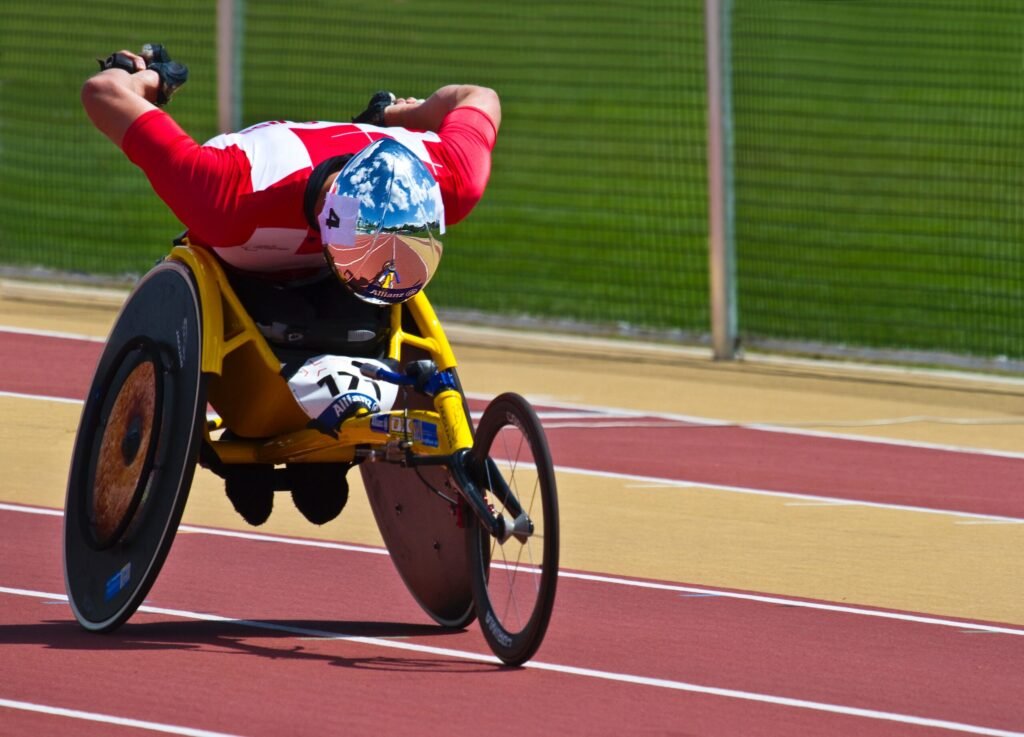
Have you ever wondered if adaptive bikes can take you to the finish line in a race? If you’re passionate about cycling but face physical challenges, the idea of racing might seem out of reach.
But what if your adaptive bike could give you the speed, control, and freedom to compete just like anyone else? You’ll discover how adaptive bikes are not only designed for everyday riding but are also breaking barriers in the world of racing.
Keep reading to find out how you can push your limits and experience the thrill of the race on an adaptive bike made just for you.
Adaptive Bikes In Racing
Adaptive bikes help people with disabilities race and enjoy cycling. These bikes change to fit different needs.
Many racers use adaptive bikes in competitions. These bikes allow speed and control like regular racing bikes.
Types Of Adaptive Bikes
There are several types of adaptive bikes for racing. Each type suits different abilities and racing styles.
- Handcycles:Powered by hands, good for riders with lower body disabilities.
- Tricycles:Three wheels for balance, ideal for riders needing extra stability.
- Tandem Bikes:Two riders, often used with a sighted pilot for visually impaired racers.
- Recumbent Bikes:Reclined seating position for comfort and speed.
Key Features For Racing
Racing adaptive bikes have special features to improve speed and safety. These features help racers perform their best.
- Lightweight Frames:Made from materials like carbon fiber for fast riding.
- Adjustable Seating:Custom fit seats for comfort and power.
- Responsive Steering:Easy control for quick turns on the track.
- Strong Brakes:Reliable stopping power for safety at high speeds.
- Efficient Gearing:Multiple gears to handle different racing conditions.

Credit: www.sorca.ca
Performance Factors
Adaptive bikes are designed for riders with different abilities. Using them for racing needs special attention to performance.
We will look at key factors that affect how well adaptive bikes can race.
Speed Capabilities
Adaptive bikes can reach good speeds but depend on design and rider strength. Some models have lightweight frames to go faster.
Speed is also influenced by the type of tires and gearing system used on the bike.
- Lightweight materials help increase speed
- Efficient gearing adjusts speed easily
- Tires with low rolling resistance improve pace
Power Output
Power output depends on how the rider can use their muscles with the bike. Adaptive bikes often have customized setups to match rider ability.
Some adaptive bikes use hand pedals or foot pedals to allow riders to generate power effectively.
- Hand pedals help riders with lower body limitations
- Foot pedals suit riders with upper body challenges
- Proper fit ensures efficient power use
Handling And Control
Good handling is key in racing. Adaptive bikes often have special steering and braking systems for better control.
Stable frames and adjustable parts help riders maintain balance and steer well at high speeds.
- Custom steering options improve maneuverability
- Responsive brakes increase safety and control
- Stable design reduces risk of tipping
Customization And Modifications
Adaptive bikes need changes to fit different riders. Customizing them helps improve comfort and control. Modifications can also boost racing performance.
This guide covers ways to adjust adaptive bikes for racing. It looks at rider needs, aerodynamics, and weight reduction.
Adjusting For Rider Needs
Each rider has unique requirements. Adaptive bikes can be changed to match their size and strength. Adjustments include seat position, pedal reach, and handlebar height.
- Move the seat forward or backward for better leg reach
- Change pedal type for easier grip or power transfer
- Raise or lower handlebars for comfort and control
- Add supports or straps to secure the rider safely
Enhancing Aerodynamics
Reducing air resistance helps riders go faster. Adaptive bikes can be shaped to cut through wind better. Streamlined frames and covers are common changes.
| Modification | Benefit |
| Frame fairings | Lower wind drag |
| Wheel covers | Reduce turbulence |
| Helmet with visor | Smoother airflow |
Weight Reduction Techniques
Light bikes are easier to race. Removing extra parts and using light materials helps reduce weight. Riders often choose carbon or aluminum frames.
- Replace steel parts with aluminum or carbon fiber
- Use lighter wheels and tires
- Remove non-essential accessories
- Choose minimalistic seat designs
Competitive Racing Scenes
Adaptive bikes are specially designed bicycles for people with disabilities. They allow many athletes to compete in races. These bikes help riders join competitive racing scenes.
Adaptive bike racing is growing fast. More events and athletes are joining every year. This sport shows great skill and determination.
Adaptive Bike Racing Events
There are many races made for adaptive bikes. Some are part of big cycling competitions. Others are special races just for adaptive riders.
- Para-cycling World Championships include adaptive bike races
- Local and national adaptive bike races take place worldwide
- Some marathons have adaptive bike categories
- Adaptive bike time trials test speed on short courses
Notable Athletes
Many athletes use adaptive bikes to compete at high levels. These riders show strong skills and inspire others. They often compete in Paralympic events.
- Sarah Storey is a multi-time Paralympic champion on adaptive bikes
- Alex Zanardi is a former racing driver turned adaptive cyclist
- Hans-Peter Durst has won many gold medals in adaptive cycling
- Alessandro Zanardi competes using handcycles in racing events
Rules And Regulations
Adaptive bike races have special rules. These rules ensure fair competition among riders with different needs. Bikes must meet safety and design standards.
Riders are grouped by their abilities. This helps keep races balanced. Officials check bikes before races to confirm they follow rules.
- Bikes must fit the classification for each race category
- All adaptive bikes need brakes and safety features
- Riders wear helmets and follow race conduct rules
- Classification is based on the rider’s physical ability
Training And Preparation
Adaptive bikes offer a way for many riders to enjoy racing. Training and preparation are key to performing well. Proper preparation helps improve skills and confidence.
Riders should focus on building strength, learning techniques, and staying safe. These areas help make racing on adaptive bikes successful and fun.
Building Strength And Endurance
Strong muscles help riders control their adaptive bikes better. Endurance lets riders keep going during long races. Both are important for racing performance.
Training should include exercises for arms, legs, and core. Regular practice helps build stamina and power over time.
- Use resistance bands for arm strength
- Practice cycling on flat and hilly terrain
- Include cardio workouts like swimming or walking
- Rest properly to avoid injuries
Technique Development
Good technique improves speed and control on adaptive bikes. Riders should practice smooth pedaling and proper body positioning.
Learning how to handle turns and obstacles is also important. Training with a coach or experienced rider can help improve skills faster.
- Focus on steady pedaling rhythm
- Keep your back straight but relaxed
- Look ahead to plan your path
- Practice braking smoothly
Safety Measures
Safety is very important when racing with adaptive bikes. Wearing the right gear protects riders from injuries. Always check the bike before riding.
Riders should also follow race rules and ride at safe speeds. Knowing how to react in emergencies can prevent accidents.
- Wear a well-fitting helmet
- Use gloves and knee pads for protection
- Check brakes and tires before each ride
- Stay alert and avoid risky moves
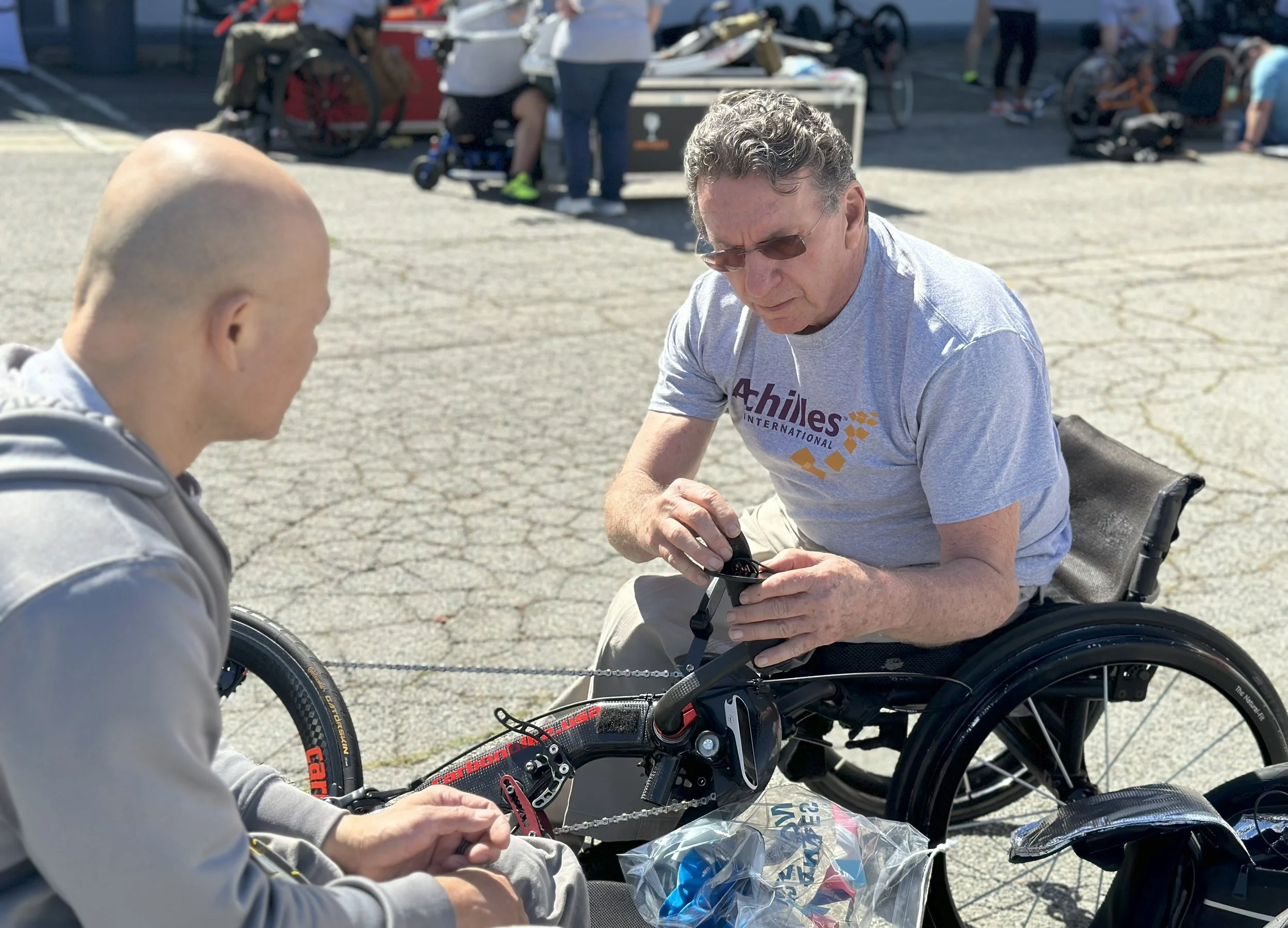
Credit: www.achillesinternational.org
Challenges And Opportunities
Adaptive bikes help many people enjoy cycling. Some want to race with them. This brings both challenges and chances to improve the sport.
Racing with adaptive bikes needs special care. We must look at problems and new ideas that can help riders perform well.
Accessibility Issues
Not all race tracks and events allow adaptive bikes easily. Accessibility can limit who joins races. Adjusting tracks and rules is needed.
- Some tracks lack ramps or smooth paths
- Rules may not cover adaptive bike categories
- Support staff might not know how to assist riders
- Transporting bikes can be harder
Technological Advances
Technology helps make adaptive bikes faster and safer. New parts and designs improve control and speed for racing.
| Technology | Benefit |
| Lightweight frames | Faster acceleration |
| Custom seating | Better comfort and balance |
| Electronic shifting | Easier gear changes |
| Hydraulic brakes | Improved stopping power |
Future Trends
Adaptive bike racing will grow with better gear and more races. More people will join as events become inclusive.
Future trends may include:
- More racing classes for different abilities
- Advanced materials to reduce bike weight
- Smart sensors to track performance
- Virtual races for wider participation

Credit: www.singletracks.com
Frequently Asked Questions
Can Adaptive Bikes Be Used For Competitive Racing?
Yes, adaptive bikes can be used in competitive racing. They are designed to accommodate various physical needs while maintaining speed and control. Many racing events now include categories for adaptive bikes, allowing athletes with disabilities to compete fairly and safely.
What Types Of Adaptive Bikes Suit Racing Best?
Handcycles and recumbent adaptive bikes are popular for racing. They offer aerodynamic design and efficient power transfer. These bikes provide stability and speed, making them ideal for competitive environments and endurance events.
Are Adaptive Bike Races Regulated Differently?
Adaptive bike races often follow specific regulations. These ensure fair competition and safety for all participants. Rules may vary by event, but generally include equipment standards and classification systems based on disability types.
How Do Adaptive Bikes Improve Racing Performance?
Adaptive bikes enhance performance by customizing fit and mechanics. They optimize rider comfort and power output. This customization helps athletes maintain higher speeds and better endurance during races.
Conclusion
Adaptive bikes can indeed be used for racing. They offer unique opportunities. Cyclists with different abilities can compete and enjoy the sport. These bikes are designed for diverse needs. This inclusivity makes races more exciting and fair. Racers get to experience the thrill just like others.
Training and practice help improve performance. Adaptive biking communities are growing. They support and encourage new racers. Racing with adaptive bikes promotes equality. Everyone deserves a chance to compete. This sport will continue to evolve. More people can join and enjoy racing.
Adaptive bikes make this possible.



