
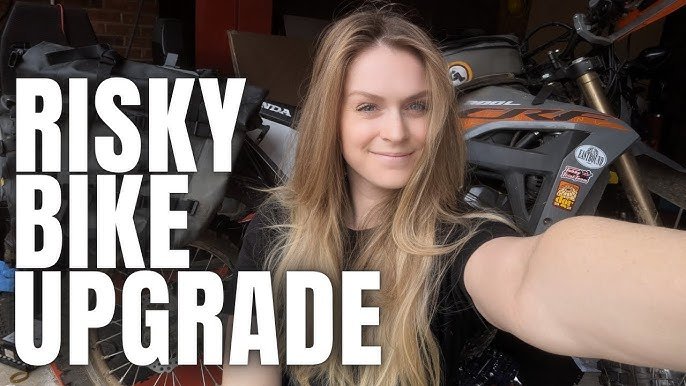
Are you ready to take your adventure riding to the next level? Setting up a women’s adventure touring bike the right way can make all the difference in your comfort, control, and confidence on the road.
Whether you’re planning a weekend trip or a long-distance tour, having a bike that fits you perfectly and suits your style will keep you riding longer and enjoying every mile. In this guide, you’ll discover simple steps and expert tips to customize your bike just for you.
Let’s get started and make sure your next adventure is your best one yet.
Choosing The Right Frame
Choosing the right frame is important for a women’s adventure touring bike. It affects comfort and performance on long rides.
A good frame fits your body well and suits the type of terrain you will ride. Focus on size, material, and shape.
Frame Material Options
The frame material changes how the bike feels and handles. Some materials are lighter, others absorb bumps better.
Common materials include aluminum, steel, and carbon fiber. Each has strengths and weaknesses for adventure touring.
- Aluminum:Light and stiff, good for speed but less shock absorption.
- Steel:Strong and durable, provides a smooth ride on rough roads.
- Carbon Fiber:Very light and absorbs vibration well but usually costs more.
Sizing For Women Riders
Getting the right frame size is key for comfort and control. A frame too big or small causes pain and fatigue.
Women’s frames often have shorter top tubes and narrower handlebars. This fits the average female body shape better.
- Measure your height and inseam to find a size range.
- Check the bike brand’s size chart for women’s models.
- Test ride bikes if possible to feel the fit.
Geometry Considerations
Geometry means the angles and lengths of the frame parts. It changes how the bike handles and rides.
Look for geometry that balances comfort with control. Women’s adventure bikes often have a relaxed geometry for long rides.
- Head tube angle:A slacker angle gives more stability on rough terrain.
- Top tube length:Shorter length helps reach the handlebars comfortably.
- Chainstay length:Longer chainstays add stability when carrying gear.
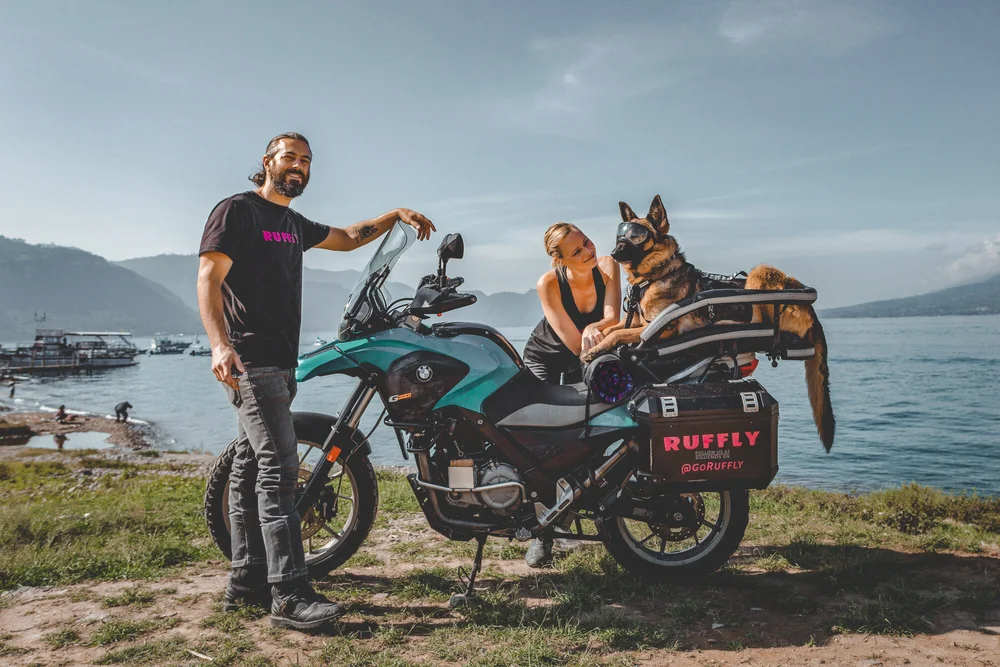
Credit: adventureriderradio.com
Selecting Appropriate Tires
Choosing the right tires is key for women’s adventure touring bikes. Tires affect comfort, grip, and safety on different terrains.
Consider tire width, type, and protection features to match your riding style and trail conditions.
Tire Width And Tread
Tire width influences ride comfort and control. Wider tires give more cushioning and grip on rough paths. Narrow tires roll faster on smooth surfaces.
- Wide tires:Better for dirt and gravel roads
- Narrow tires:Best for paved or hard-packed trails
- Tread patterns:Knobby treads increase traction off-road
- Smooth treads:Reduce rolling resistance on pavement
Tubeless Vs. Tubed Tires
Tubeless tires seal directly to the rim without an inner tube. Tubed tires have a separate tube inside.
| Feature | Tubeless Tires | Tubed Tires |
| Puncture Resistance | Higher | Moderate |
| Weight | Lighter | Heavier |
| Maintenance | Needs sealant check | Easy tube replacement |
| Ride Comfort | Smoother | Good |
Puncture Protection
Puncture protection helps avoid flats on long rides. Look for tires with added layers or special materials.
- Kevlar belts under the tread
- Thick rubber layers
- Sealant used inside tubeless tires
- Self-healing compounds
Optimizing The Suspension
Setting up the suspension on a women’s adventure touring bike improves comfort and control. Proper suspension helps absorb bumps and rough terrain.
Adjusting suspension parts to fit your weight and riding style makes your bike safer and easier to handle on long trips.
Front Fork Types
There are different front fork types for adventure bikes. Each type offers unique benefits for suspension performance.
- Rigid Fork:No suspension, lighter weight, best for smooth roads.
- Suspension Fork:Has springs or air chambers to absorb shocks.
- Lockout Fork:Allows you to turn off suspension for better pedaling on flat surfaces.
- Travel Length:Short travel (80-100mm) suits touring; longer travel (120mm+) is for rougher trails.
Adjusting For Load
Adjust your suspension based on your body weight and gear load. This keeps the bike balanced and stable.
| Load Type | Recommended Adjustment | Purpose |
| Light Rider, Light Gear | Lower spring preload, softer damping | Comfort and better shock absorption |
| Heavy Rider, Moderate Gear | Medium preload, medium damping | Balanced support and control |
| Heavy Gear, Touring Load | Higher preload, firmer damping | Prevent bottoming out and improve stability |
Suspension Maintenance
Regular care keeps your suspension working well. Clean parts and check for wear to avoid damage.
- Clean forks and shocks after every ride.
- Check seals for leaks or cracks.
- Lubricate moving parts as recommended by the manufacturer.
- Inspect suspension travel and rebound regularly.
- Replace worn parts promptly to keep performance.
Handlebar And Stem Setup
Setting up the handlebar and stem on a women’s adventure touring bike is key for comfort and control. Proper adjustments help you ride longer without pain.
This guide covers handlebar styles, stem length and angle, and grip comfort to improve your bike setup.
Handlebar Styles
Choosing the right handlebar style affects your riding position and comfort. Different styles suit different riding needs and preferences.
- Flat Bars:Offer a straight, simple grip. Good for control and easy handling on rough paths.
- Riser Bars:Curve slightly upward. They give a more upright position for comfort and better visibility.
- Drop Bars:Have a curved shape. They provide multiple hand positions for long rides and speed.
- Bullhorn Bars:Extend forward and curve up. They help with climbing and sprinting by changing hand positions.
Stem Length And Angle
The stem connects the handlebar to the bike frame. Its length and angle change your reach and riding posture.
| Stem Length | Effect | Recommended Use |
| Short (60-80mm) | Closer handlebar, more control | Technical trails, rough terrain |
| Medium (90-110mm) | Balanced reach and comfort | Most touring rides |
| Long (120-130mm) | Stretched position, more speed | Road touring, fast rides |
| Angle (Up to 17° rise or drop) | Changes handlebar height and wrist angle | Adjust for comfort and posture |
Grip Comfort
Good grips reduce hand fatigue and improve bike control. Choose grips that fit your hand size and riding style.
Tips for better grip comfort:
- Pick ergonomic grips that support your palm.
- Use padded or gel grips for extra cushioning.
- Check grip width to match your hand size.
- Replace grips when worn out or slippery.
Saddle Selection And Positioning
Choosing the right saddle is key for women’s adventure touring bikes. A good saddle keeps you comfortable on long rides.
Proper saddle positioning also helps reduce pain and improve riding efficiency.
Saddle Shapes For Women
Women’s saddles have shapes made to fit female anatomy. They offer more support where it is needed.
Look for saddles with a wider rear and a cut-out center. This design reduces pressure on soft tissues.
- Wide rear to support sit bones
- Central cut-out to relieve pressure
- Shorter nose to avoid rubbing
- Soft padding for comfort
Height And Tilt Adjustment
Set your saddle height so your leg is almost straight at the bottom of the pedal stroke. This avoids knee pain.
Tilt the saddle slightly nose down or keep it level. Too much tilt causes sliding or pressure points.
- Height: Leg nearly straight at pedal bottom
- Tilt: Nose level or slightly down
- Check comfort after short rides
Comfort Accessories
Use padded shorts to reduce saddle soreness. They add extra cushioning for long days.
Consider gel seat covers or suspension seat posts to absorb bumps. These accessories improve comfort on rough roads.
- Padded cycling shorts
- Gel or foam seat covers
- Suspension seat posts
- Handlebar grips to reduce upper body strain
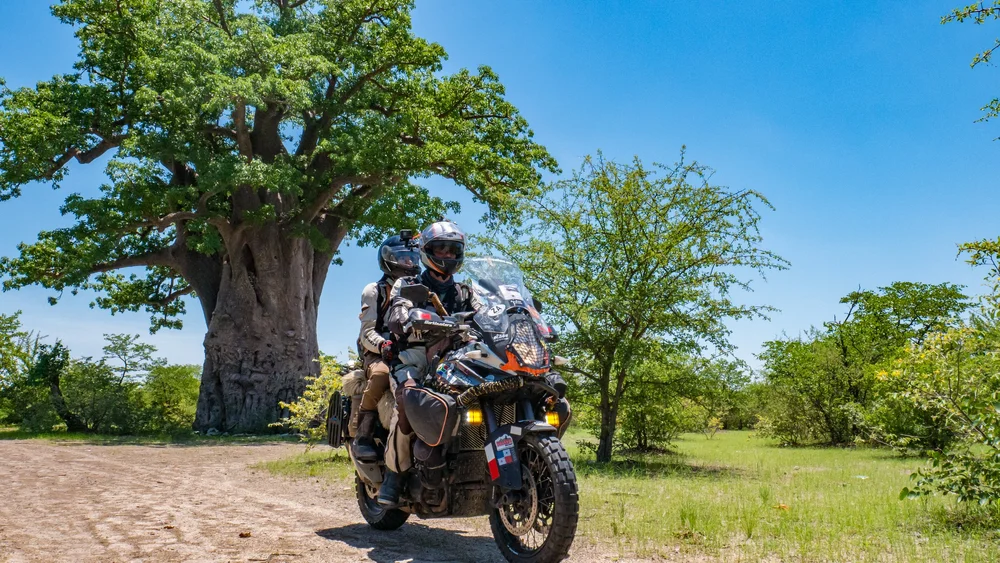
Credit: adventureriderradio.com
Gear And Drivetrain Choices
Choosing the right gear and drivetrain is key for women’s adventure touring bikes. It helps you ride smoothly over long distances and rough terrains.
Good gear choices reduce fatigue and make climbing hills easier. Let’s look at important parts you should consider.
Gear Range For Touring
A wide gear range lets you handle different terrains. Lower gears help on steep climbs. Higher gears work well for flat roads and descents.
- Choose a cassette with at least 11-34 teeth
- Consider a triple chainring for more gear options
- Look for a crankset with smaller chainrings for easier pedaling
- Make sure the gear range matches your fitness and route type
Shifting Systems
Shifting systems control how smoothly you change gears. There are two main types: mechanical and electronic.
| Type | Pros | Cons |
| Mechanical | Easy to repair, affordable | Needs regular adjustment |
| Electronic | Precise shifting, less maintenance | Expensive, needs battery power |
For adventure touring, mechanical shifters are popular because they are reliable and simple to fix on the road.
Maintenance Tips
Keeping your drivetrain clean and tuned is important. Proper maintenance helps parts last longer and work well.
- Clean the chain regularly with a degreaser
- Lubricate the chain after cleaning and drying
- Check gear cables for fraying and replace if needed
- Adjust derailleur to prevent chain slipping
- Inspect chainrings and cassette for wear
Braking Systems Setup
Setting up the braking system on a women’s adventure touring bike is key for safety and control. Proper brake setup helps handle different terrains and weather conditions.
This guide covers important points about disc vs. rim brakes, brake lever reach, and brake pad selection. Each part affects your riding comfort and stopping power.
Disc Vs. Rim Brakes
Disc brakes and rim brakes have different designs and performance. Disc brakes use a rotor on the wheel hub, while rim brakes press pads against the wheel rim.
- Disc Brakes:Work well in wet or muddy conditions.
- Rim Brakes:Are lighter and easier to maintain.
- Disc Brakes:Provide stronger stopping power.
- Rim Brakes:Usually cost less and are simpler to fix.
Brake Lever Reach
Brake lever reach is the distance from the handlebar to the brake lever. It should fit your hand size to avoid strain and improve control.
| Hand Size | Recommended Reach |
| Small | Short reach levers |
| Medium | Standard reach levers |
| Large | Long reach levers |
Brake Pad Selection
Choosing the right brake pads improves braking and lasts longer. Pads differ by material and use conditions.
- Organic:Quieter and better in dry weather.
- Sintered (metallic):Durable and better for wet or muddy rides.
- Semi-metallic:A mix for balanced performance.
Credit: medium.com
Packing And Luggage Solutions
Packing for a women’s adventure touring bike needs smart planning. You want to carry all essentials but keep your bike balanced and easy to ride.
Choosing the right luggage and packing it well helps make long rides comfortable and safe.
Panniers And Racks
Panniers and racks are key for carrying gear on your bike. Choose racks that fit your bike and panniers that are durable and easy to attach.
- Use rear racks for heavier items to keep balance.
- Front panniers help carry lighter gear and keep items accessible.
- Look for waterproof panniers to protect your stuff.
- Secure your racks tightly to avoid wobbling while riding.
Weight Distribution
Proper weight distribution keeps your bike stable and easier to control. Pack heavy items low and close to the bike frame.
| Item | Placement | Reason |
| Tools and Repair Kit | Rear pannier, bottom | Keeps center of gravity low |
| Clothing | Front panniers | Balancing weight front and rear |
| Food and Water | Handlebar bag or rear rack | Easy access during stops |
| Camping Gear | Top of rear rack | Lighter load on top |
Waterproofing Gear
Rain and wet conditions are common in adventure touring. Waterproof gear keeps your belongings dry and safe.
Tips for waterproofing:
- Use waterproof panniers or add rain covers.
- Pack clothes and electronics in dry bags inside your panniers.
- Seal zippers and openings tightly to stop water entry.
- Check gear regularly for wear or leaks.
Lighting And Safety Gear
Riding an adventure touring bike requires strong lighting and safety gear. Good gear keeps you safe on all roads.
This guide focuses on lighting options, reflective accessories, and helmet fit for women riders.
Lighting Options
Good lighting helps you see and be seen, especially at night or in bad weather. Choose lights that fit your bike and riding style.
- Front headlights with high and low beam settings
- Rear lights that flash or stay steady
- Helmet-mounted lights for better visibility
- Rechargeable LED lights for longer rides
Reflective Accessories
Reflective gear makes you visible to drivers from a distance. Add these to your bike and clothing for safety.
- Reflective tape on your bike frame and bags
- Arm and ankle bands with reflective strips
- Reflective vests or jackets designed for cycling
- Reflective stickers on helmets and helmets straps
Helmet Fit And Features
A properly fitting helmet protects your head and improves comfort. Check for features that suit adventure touring.
- Lightweight design for long rides
- Adjustable straps and fit system
- Good ventilation for airflow
- Visors to shield from sun and rain
- Certification for safety standards
Test Riding And Adjustments
Test riding your women’s adventure touring bike helps you find the best fit and comfort. This is key for long rides and rough trails.
During the test ride, focus on how the bike handles and if any changes are needed. Small adjustments improve your safety and enjoyment.
Fine-tuning Fit
Start by checking your seating position. Your hips should feel stable, and your knees should bend slightly while pedaling.
- Adjust the saddle height to allow a slight bend in the knee at the bottom pedal stroke.
- Move the saddle forward or backward to keep your knees aligned over the pedals.
- Set the handlebar height so your back stays straight but relaxed.
- Check reach to the handlebars; your elbows should be slightly bent.
Handling And Comfort Checks
Focus on how the bike responds to steering and terrain changes. Comfort comes from good shock absorption and smooth handling.
| Check Item | What to Observe | Adjustment Tip |
| Steering Response | Does the bike turn smoothly? | Adjust handlebar angle or stem length |
| Saddle Comfort | Is there any pressure or numbness? | Try a different saddle or add padding |
| Suspension | Does the bike absorb bumps well? | Set suspension firmness to your weight |
| Brake Feel | Are brakes responsive without sticking? | Adjust brake levers and cables |
Pre-ride Safety Inspection
Before any ride, check the bike’s key parts to avoid breakdowns and accidents. Safety inspection is quick but important.
- Inspect tires for wear and proper inflation.
- Test brakes to ensure they stop the bike firmly.
- Check all bolts and screws for tightness.
- Make sure the chain is clean and lubricated.
- Verify lights and reflectors work for visibility.
Frequently Asked Questions
What Are Key Features Of Women’s Adventure Touring Bikes?
Women’s adventure touring bikes have smaller frames and shorter reach. They include comfortable saddles, narrower handlebars, and lighter materials for better control and comfort on long rides.
How To Choose The Right Size For Women’s Touring Bikes?
Measure your height and inseam to find the correct frame size. Test ride to ensure comfortable reach to handlebars and pedals for optimal control and comfort.
What Essential Gear Is Needed For Women’s Adventure Touring?
Carry a durable helmet, padded shorts, gloves, and weather-appropriate clothing. Include repair kits, hydration packs, and panniers for storage and convenience on long tours.
How To Adjust Bike Components For Women’s Comfort?
Adjust saddle height and tilt for proper leg extension. Set handlebar height and angle to reduce strain on wrists and shoulders during rides.
Conclusion
Setting up a women’s adventure touring bike can be simple. Follow the steps in this guide to ensure a smooth ride. Adjust the seat for comfort. Check the handlebars for a good grip. Make sure tires are inflated properly. Choose the right gear for different terrains.
Safety is key, so always wear a helmet. Enjoy the freedom of the open road. Feel the thrill of your journey. A well-prepared bike offers countless adventures. Explore new places with confidence. Enjoy every moment of your ride. Happy biking!



