
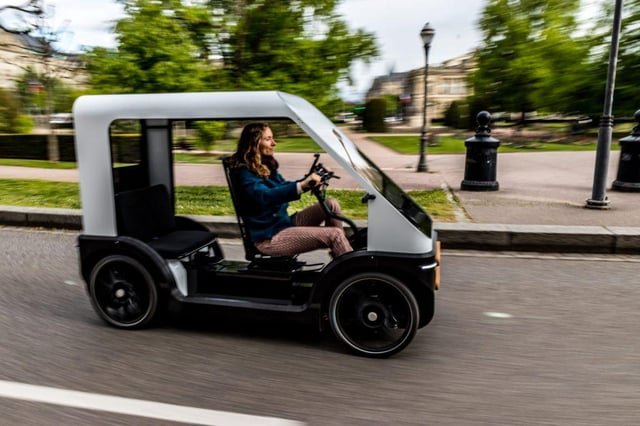
Have you ever wondered if there’s a smarter, greener way to get your family around town? Imagine a vehicle that’s faster than a bike, kinder to the planet, and easier to park than your usual car.
Velomobiles might just be the surprising answer you didn’t know you were looking for. But can these sleek, pedal-powered machines really replace your family car? Keep reading to discover how velomobiles could change the way you think about family travel—and whether they’re ready to take your place in the driveway.
Velomobiles Explained
Velomobiles are human-powered vehicles shaped like small cars. They use pedals and sometimes electric help.
These vehicles offer more speed and weather protection than regular bikes. They can be an option for daily travel.
Design And Features
Velomobiles have an aerodynamic shell that covers the rider. This design lowers wind resistance and saves energy.
Most have three or four wheels to keep balance. Inside, there is a seat and pedals like a bike.
- Lightweight frame made from materials like carbon fiber or plastic
- Weather protection from rain and wind
- Storage space for small items or groceries
- Some models include electric motors for assistance
Types Of Velomobiles
There are different types of velomobiles for various needs. Some focus on speed, others on comfort or cargo space.
Choosing the right type depends on your travel distance and purpose.
- Sport Velomobiles:Lightweight and fast for long rides and racing.
- Touring Velomobiles:Comfortable with room for bags and longer trips.
- Cargo Velomobiles:Designed to carry heavy loads or family items.
- Electric Velomobiles:Have motors to help with pedaling and hills.

Credit: www.youtube.com
Comparing Velomobiles And Family Cars
Velomobiles are enclosed bikes that people use for travel. Family cars are common vehicles used for daily trips. Both serve to move people from place to place.
This comparison looks at speed, space, safety, and cost. It helps understand if velomobiles can replace family cars.
Speed And Performance
Family cars can reach high speeds and handle long trips easily. Velomobiles are slower but can still travel fast for bikes.
Velomobiles perform well in cities and short distances. Cars work better for highways and long travel.
- Cars: Faster top speeds, stable on highways
- Velomobiles: Efficient for short trips, slower top speed
- Velomobiles use human power or small motors
- Cars use fuel or electric power for longer range
Space And Comfort
Family cars offer more space for people and cargo. Velomobiles fit one or two people with limited storage.
Cars have seats, climate control, and room for bags. Velomobiles are compact and less roomy but shield riders from weather.
- Cars: Seats for 4-7 people, large cargo space
- Velomobiles: Space for 1-2 riders, small storage
- Cars provide heating and air conditioning
- Velomobiles offer basic weather protection
Safety Considerations
Cars have strong frames and airbags for safety. Velomobiles have a shell but less protection in crashes.
Drivers in cars are more visible to others. Velomobile riders are smaller and may be harder to see.
- Cars: High safety features, crash-tested
- Velomobiles: Basic protection, less crash safety
- Cars have seat belts and airbags
- Visibility is better in cars than velomobiles
Cost And Maintenance
Family cars cost more to buy and maintain. Velomobiles are cheaper and have lower upkeep costs.
Cars need fuel, oil changes, and repairs. Velomobiles need less maintenance but need care for parts like tires and chains.
- Cars: Higher purchase price, fuel costs, and repairs
- Velomobiles: Lower cost, mainly bike maintenance
- Cars require insurance and registration
- Velomobiles may not need insurance in some areas
Environmental Impact
Velomobiles offer a new way to think about family travel. They promise less harm to the environment than cars. This section explores their effects on nature.
We will look at three key areas: carbon footprint, energy efficiency, and material sustainability. Each shows how velomobiles compare to family cars.
Carbon Footprint
Velomobiles produce much less carbon dioxide than family cars. They do not burn fossil fuels. Their use can lower greenhouse gas emissions significantly.
- Velomobiles emit no exhaust gases during use.
- Their smaller size means less energy is needed to move them.
- They reduce reliance on oil and gas for transport.
Energy Efficiency
Velomobiles use human power often supported by small electric motors. This makes them very energy efficient compared to cars.
| Vehicle Type | Energy Use per Mile |
| Family Car (gasoline) | 2,500 Wh |
| Electric Family Car | 400 Wh |
| Velomobile (pedal-assist) | 30 Wh |
Material Sustainability
Velomobiles use fewer materials and lighter parts than cars. This lowers resource use and waste during production.
Key sustainable features include:
- Frames made of recycled aluminum or composites
- Minimal use of rare or toxic materials
- Parts designed for easy repair and recycling

Credit: www.youtube.com
Practicality For Families
Velomobiles are small, three-wheeled vehicles powered by pedaling and sometimes electric assist. Families often wonder if these can replace regular cars. Looking at their practicality helps answer this question.
This section explores how velomobiles work for daily commutes, grocery runs, and long trips. Each area shows different needs and challenges for family use.
Daily Commutes
Many families use cars to drive to work or school every day. Velomobiles can be a good option for short to medium distances. They are quiet and eco-friendly.
Some velomobiles have space for one passenger or cargo. They may not fit larger families or multiple kids. Weather and road conditions also affect their use.
Grocery And Errand Runs
Carrying groceries and running errands needs space and easy access. Velomobiles have limited storage compared to cars. Some models include cargo compartments or trailers.
Families with small shopping needs might manage with a velomobile. Large grocery trips or bulky items are harder to carry. Planning errands carefully can help.
- Small cargo space inside the velomobile
- Optional trailers for extra storage
- Better for light shopping or quick errands
- Not suitable for large or heavy loads
Long Distance Travel
Families often take long trips for vacations or visits. Velomobiles are slower and less comfortable for long distances. Limited seating means less room for passengers.
Charging or pedaling for many hours can be tiring. Weather protection is less than in cars. Velomobiles work better for short trips around town rather than long road trips.
Challenges To Adoption
Velomobiles offer a new way to travel, but many challenges slow their use. People must change habits and city plans must adapt.
These challenges include building the right infrastructure, dealing with weather, and changing what people think about velomobiles.
Infrastructure Requirements
Velomobiles need special roads and parking. Most cities are made for cars, not these smaller vehicles.
- Wide bike lanes to fit velomobiles safely
- Secure parking spots that protect from theft and weather
- Charging stations for electric models
- Clear road signs and traffic rules for velomobiles
Weather And Climate Issues
Weather can stop people from using velomobiles. Rain, snow, and cold make rides hard and unsafe.
| Weather Condition | Effect on Velomobiles |
| Rain | Slippery roads and poor visibility |
| Snow | Hard to ride and risk of accidents |
| Extreme Heat | Uncomfortable inside the vehicle |
| Wind | Can blow vehicles off course |
Public Perception
Many people do not know about velomobiles. Some see them as toys or unsafe for families.
Common views include:
- Velomobiles are slow compared to cars
- They are not good for long trips
- Families need bigger vehicles
- Velomobiles look strange or odd

Credit: www.reddit.com
Future Innovations
Velomobiles are small, enclosed bikes that combine speed and weather protection. They may change how families travel in the future.
New ideas in technology, transport, and policies could help velomobiles replace family cars more often.
Technological Advances
Electric motors will make velomobiles easier to pedal on hills and long trips. Battery life will also improve.
Materials like carbon fiber will make velomobiles lighter and stronger. This helps with speed and safety.
- Longer battery life for longer rides
- Lightweight materials for better speed
- Improved safety features like airbags
- Smart technology for navigation and tracking
Integration With Public Transport
Velomobiles can work well with buses and trains. People can use them to travel short distances to stations.
Designing more parking spots and charging stations near public transport will help velomobile users.
- Velomobile parking at train and bus stations
- Charging points for electric velomobiles
- Easy access to public transport with velomobiles
- Shared velomobile services near transit hubs
Policy And Incentives
Governments can encourage velomobile use by offering tax breaks and subsidies. This lowers the cost for families.
Creating bike lanes and safe paths makes riding velomobiles easier and safer. Rules to reduce car traffic help too.
- Tax credits for buying velomobiles
- Grants to build bike lanes and charging points
- Limits on car use in city centers
- Education programs about velomobile benefits
Global Trends And Case Studies
Velomobiles are small, enclosed bikes that look like cars. They are gaining attention as a possible replacement for family cars. This trend is seen in many parts of the world.
This article looks at global trends and real examples of families using velomobiles. It also shows which cities lead this change and how the market is growing.
Cities Leading The Shift
Some cities are pushing the use of velomobiles by building bike lanes and offering incentives. These cities want cleaner air and less traffic.
Amsterdam, Copenhagen, and Freiburg are known for their bike-friendly policies. These places have many families using velomobiles for daily travel.
- Amsterdam has expanded protected bike lanes for safe rides.
- Copenhagen offers subsidies for buying velomobiles.
- Freiburg integrates velomobiles into public transport plans.
Family Experiences
Families who use velomobiles share many positive stories. They save money on fuel and parking. They also get more exercise and fresh air.
Some parents say velomobiles help them spend more time together. Kids enjoy the quiet ride and safe design. Families feel less stressed than in cars.
- Velomobiles fit small children safely inside.
- They protect riders from weather like rain and wind.
- Families report lower travel costs and better health.
Market Growth
The market for velomobiles is growing steadily worldwide. More companies make new models. These models offer better speed, comfort, and storage.
Sales data show a rise in family purchases. Some governments support this growth by giving tax breaks or funding research.
| Year | Velomobiles Sold (Global) |
| 2019 | 5,000 |
| 2021 | 12,000 |
| 2023 | 20,000 |
Frequently Asked Questions
What Are Velomobiles And How Do They Work?
Velomobiles are enclosed, pedal-powered vehicles designed for speed and weather protection. They combine bicycle efficiency with car-like comfort, using human power or electric assist. Their aerodynamic shape reduces drag, making them faster and more energy-efficient than traditional bikes.
Can Velomobiles Carry A Whole Family?
Most velomobiles are built for one or two passengers, limiting their use as family vehicles. Larger models are rare and less practical. For families, traditional cars still offer better space and comfort for multiple passengers and cargo.
Are Velomobiles A Cost-effective Alternative To Family Cars?
Velomobiles have lower operating and maintenance costs than cars. They save on fuel, insurance, and parking fees. However, initial purchase prices and limited passenger capacity may affect cost-effectiveness for families needing more space.
How Safe Are Velomobiles Compared To Cars?
Velomobiles offer better protection than bicycles due to their shells. However, they lack airbags and crumple zones found in cars. Visibility to other drivers can be an issue. Safety depends largely on road conditions and rider awareness.
Conclusion
Velomobiles offer an eco-friendly transport option for families. They reduce carbon footprints. Plus, they encourage healthier lifestyles through cycling. While not ideal for every family, they fit many needs. Urban dwellers might find them particularly useful. Cost-effective and practical for short distances.
Yet, they can’t fully replace cars today. Weather and storage issues limit their use. Still, with growing interest, they might evolve. A future with more velomobiles is possible. Families should weigh their pros and cons. Choose what’s best for their lifestyle and needs.



