
Are you curious about where you can ride a velomobile without any hassle? Velomobiles are changing the way people travel, blending the speed of a bike with the comfort of a car.
But not every country welcomes these sleek, eco-friendly vehicles. Knowing which countries allow velomobiles can save you from surprises and help you plan your next adventure. Keep reading to discover where your velomobile dreams can become a reality—and how to make the most of your ride.
Velomobiles And Their Appeal
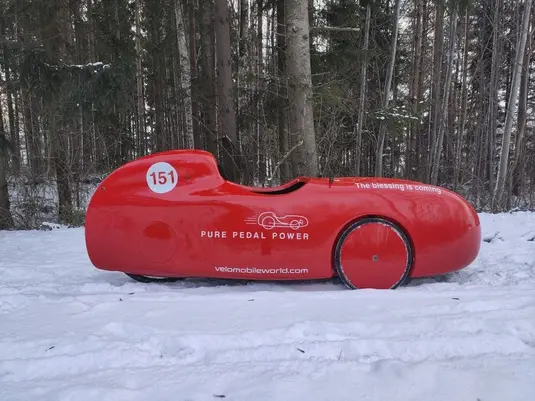
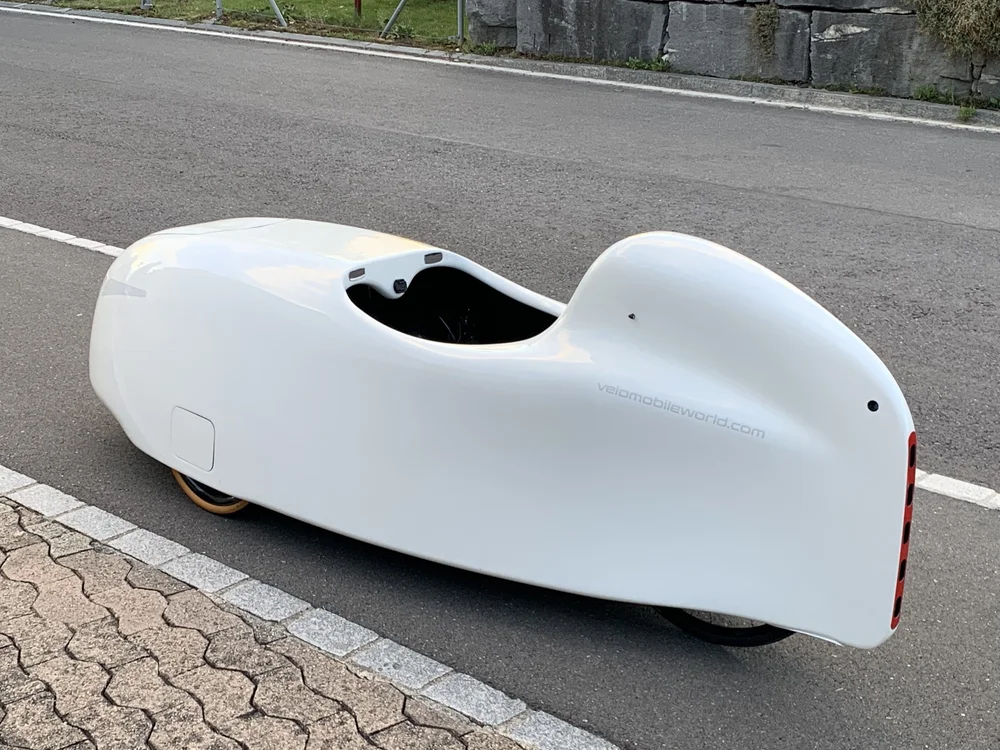
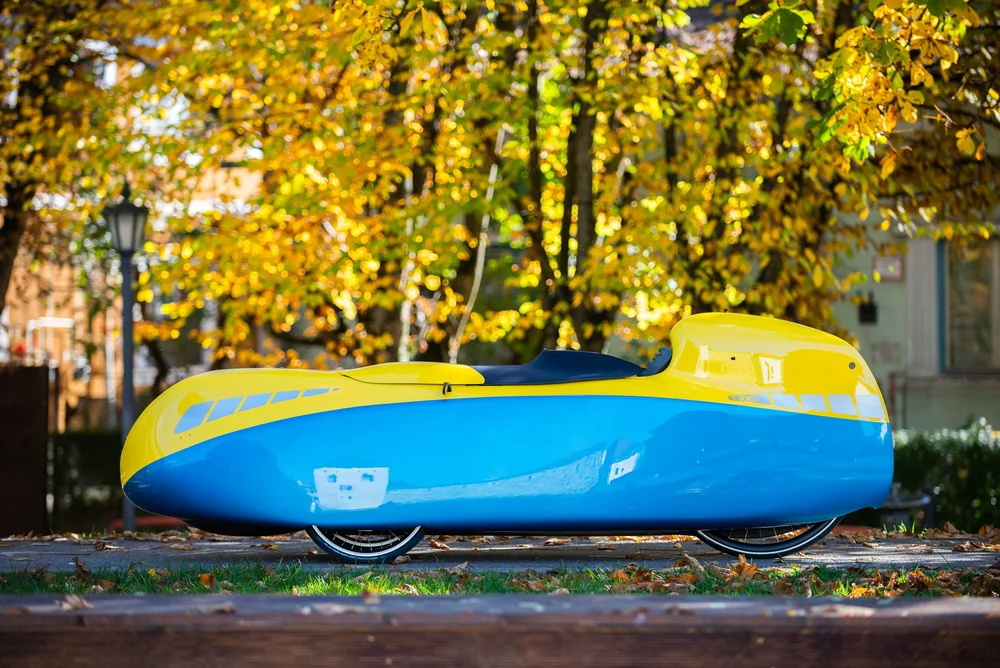
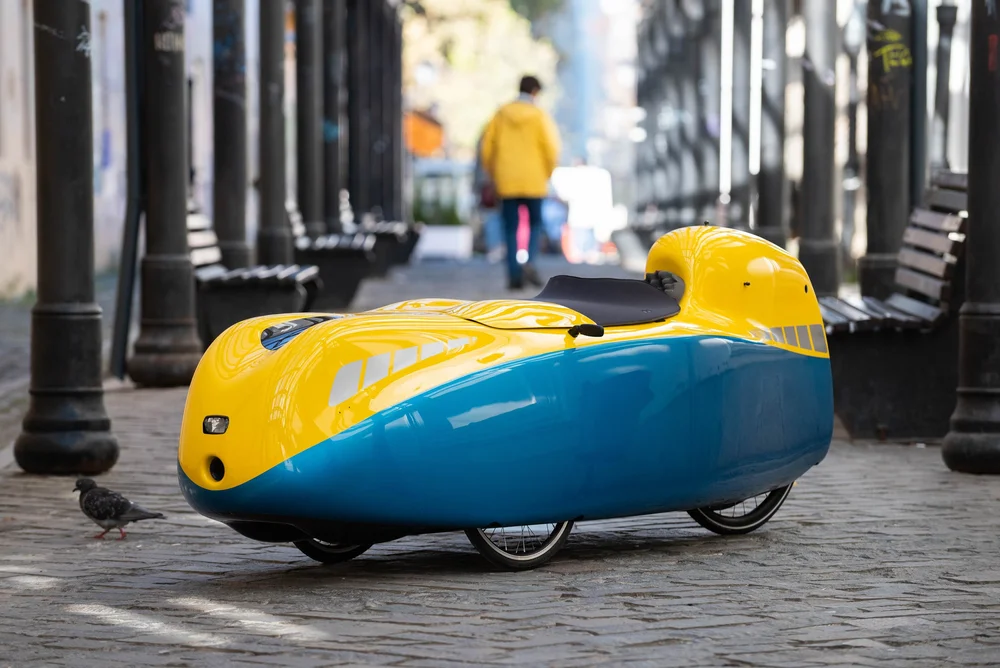
Velomobiles are human-powered vehicles with a shell. They look like bikes but have a cover for protection.
Many countries allow velomobiles on roads and bike paths. They attract riders who want comfort and speed.
Benefits For Eco Riders
Velomobiles use no fuel and produce no pollution. They help reduce carbon footprints in cities.
These vehicles offer weather protection and better aerodynamics than regular bikes. Riders feel safe and ride longer distances.
- Zero emissions during use
- Lower energy use than cars
- Protection from rain and wind
- Quiet and smooth rides
Popular Velomobile Designs
Designs vary from fully enclosed shells to partial covers. Each style offers unique benefits for riders.
Some popular shapes focus on speed, while others prioritize comfort and storage space.
- Streamlined shells for fast rides
- Comfort-focused models with roomy interiors
- Lightweight frames for easy handling
- Models with cargo space for errands
Credit: en.spezialradmesse.de
Europe’s Velomobile Hotspots
Velomobiles are becoming popular in many European countries. They offer a clean and efficient way to travel.
Some countries stand out for their support and use of velomobiles. These places mix culture, infrastructure, and green ideas.
Netherlands: Cycling Culture Meets Innovation
The Netherlands has a strong cycling culture. People use bikes daily for work and fun.
Velomobiles fit well here because of safe roads and flat land. The country supports new bike designs and ideas.
- Extensive bike lanes and paths
- Many bike parking spots
- Events promoting sustainable transport
Germany’s Supportive Infrastructure
Germany builds strong infrastructure for all cyclists. This includes velomobile users.
The country has special roads and signals for bike safety. Local governments often fund velomobile projects.
- Designated velomobile parking areas
- Legal rules that allow velomobiles on roads
- Community groups that share tips and support
Denmark’s Green Transportation Focus
Denmark aims to cut pollution by using green transport. Velomobiles fit this goal well.
The government promotes clean travel with funds and campaigns. Cities have many charging stations for electric bikes and velomobiles.
- Strong focus on renewable energy
- Urban plans that include bike highways
- Programs to encourage electric velomobiles
North American Acceptance
Velomobiles are gaining attention in North America. These human-powered vehicles offer comfort and speed. Their acceptance varies between countries and regions.
This section explores how velomobiles fit into communities in the United States and Canada.
United States: Growing Communities
The United States has seen a rise in velomobile use. Small groups and clubs promote these vehicles. Riders enjoy safety and efficiency on bike paths.
- Local clubs organize group rides and events
- Cities expand bike lanes to support velomobiles
- Some states allow velomobiles on roads with motor vehicles
- Awareness is growing through social media and meetups
Canada’s Expanding Trails
Canada supports velomobile use mainly through its trail systems. National and provincial parks have long bike trails. These trails give riders safe and scenic routes.
| Province | Popular Trail | Velomobile Access |
| British Columbia | Galloping Goose Trail | Allowed |
| Ontario | Waterfront Trail | Allowed |
| Quebec | Route Verte | Allowed |
Velomobiles In Asia
Velomobiles are gaining interest in Asia as eco-friendly transport. These enclosed bikes offer protection from weather and increase speed.
Several Asian countries adapt urban spaces to fit velomobiles. They balance tradition and modern cycling needs.
Japan’s Urban Adaptations
Japan promotes cycling in cities with tight roads and heavy traffic. Velomobiles fit well in urban settings, helping commuters stay dry and safe.
- Dedicated bike lanes in major cities support velomobile use.
- Parking spaces for velomobiles are increasing near transit hubs.
- Local governments offer safety workshops for velomobile riders.
- Urban planning includes smooth routes for small, enclosed vehicles.
Taiwan’s Cycling-friendly Cities
Taiwan is famous for bike-friendly cities and scenic cycling paths. Velomobiles are welcomed as an alternative for daily travel and leisure.
| City | Velomobile Facilities | Popular Routes |
| Taipei | Bike lanes and parking | Riverside bike paths |
| Taichung | Dedicated cycling zones | Urban parks and trails |
| Kaohsiung | Public bike sharing includes velomobiles | Coastal routes |
Legal Status And Regulations
Velomobiles are becoming popular in many countries. Their legal status varies widely. Knowing the rules helps riders stay safe and legal.
This guide explains road access, safety needs, and licensing for velomobiles worldwide. These rules affect where and how you can ride.
Road Access Rules
Countries have different laws about where velomobiles can travel. Some treat them like bicycles, others like motor vehicles.
- In the Netherlands, velomobiles use bike lanes and roads freely.
- Germany allows velomobiles on roads and bike paths, requiring lights.
- In the USA, rules vary by state; some allow bike lane use, others restrict roads.
- France classifies velomobiles as bicycles if pedal-powered only.
- Australia often treats velomobiles as bicycles but may restrict certain roads.
Safety Requirements
Most countries require velomobiles to have safety gear. This includes lights, reflectors, and sometimes mirrors.
| Country | Required Safety Features |
| Netherlands | Front & rear lights, reflectors, bell |
| Germany | Lights, reflectors, helmet recommended |
| USA | Lights at night, reflectors, helmet laws vary |
| France | Lights, reflectors, no helmet law |
| Australia | Lights, reflectors, helmet required |
Registration And Licensing
Registration rules depend on country and velomobile type. Many countries do not require registration for pedal-powered velomobiles.
Here are common registration rules by country:
- Netherlands:No registration for pedal-only velomobiles.
- Germany:No registration if speed is under 25 km/h; faster models need approval.
- USA:Varies by state; some require registration if motorized.
- France:Pedal-powered velomobiles do not need registration.
- Australia:Motorized velomobiles may require registration and license.
Challenges For Velomobile Riders
Velomobiles are unique human-powered vehicles with an aerodynamic shell. Riders face certain challenges that limit their use in many countries. These challenges include infrastructure problems and natural conditions.
This article looks at two main challenges: infrastructure limitations and weather or terrain concerns. Both affect the safety and comfort of velomobile riders.
Infrastructure Limitations
Many countries lack roads and paths suited for velomobiles. These vehicles are wider and lower than regular bikes. Narrow bike lanes and rough roads make riding difficult.
- Many bike lanes are too narrow for velomobiles.
- Road surfaces may have potholes or uneven sections.
- Few places offer safe parking or storage for velomobiles.
- Traffic laws often do not recognize velomobiles as a separate category.
- Urban areas may have tight turns and low-clearance obstacles.
Weather And Terrain Considerations
Weather and terrain also affect velomobile use. These vehicles can be hard to control in bad weather. Hills and rough terrain add to the challenge.
| Factor | Impact on Velomobile Riders |
| Rain | Reduces visibility and makes surfaces slippery |
| Snow and Ice | Dangerous for traction and control |
| Strong Winds | Can push the velomobile off course |
| Steep Hills | Require extra effort and can be difficult to climb |
| Rough Terrain | Can damage the vehicle and cause discomfort |
Future Trends For Eco Riders
Velomobiles are gaining attention as eco-friendly transport. Many countries now allow their use on roads and bike paths.
These vehicles offer a green way to travel, and future trends show growing interest worldwide.
Technological Innovations
Advances in materials make velomobiles lighter and stronger. Electric assist systems help riders cover longer distances.
- Improved battery life for electric models
- Better aerodynamics to increase speed
- Smart sensors for safety and navigation
- Eco-friendly materials in construction
Expanding Acceptance Worldwide
More countries are creating laws that support velomobile use. This helps eco riders enjoy safer and easier travel.
| Country | Velomobile Status | Notes |
| Netherlands | Allowed | Common on bike paths |
| Germany | Allowed | Classified as bicycles |
| USA | Varies by state | Some allow on roads |
| Denmark | Allowed | Growing popularity |
| France | Allowed | Road access with restrictions |
Credit: en.spezialradmesse.de
Credit: en.spezialradmesse.de
Frequently Asked Questions
Which Countries Legally Allow Velomobile Use?
Many European countries like Germany, Netherlands, and Denmark legally allow velomobiles. Some regions in the USA and Canada also permit them on public roads with certain regulations.
Are Velomobiles Allowed On Public Roads Worldwide?
Velomobile legality varies globally. Most European countries permit them on bike lanes and roads. However, some countries restrict velomobiles due to local traffic laws.
Do Velomobiles Require Special Licenses Or Permits?
In most countries, velomobiles do not require special licenses. They are treated like bicycles and follow similar rules, but always check local regulations before riding.
Can Velomobiles Be Used For Commuting In Cities?
Yes, many cities in Europe encourage velomobile commuting. They offer weather protection and efficiency, making them a popular eco-friendly transport option in urban areas.
Conclusion
Velomobiles are gaining popularity worldwide. Many countries now allow them on roads. They offer an eco-friendly transport option. Each country has specific rules and regulations. Always check local laws before buying. Velomobiles provide a unique travel experience. They blend cycling with comfort.
They are efficient and sustainable. An excellent choice for short trips. Understanding which countries permit them is crucial. Enjoy your velomobile journey responsibly.



