
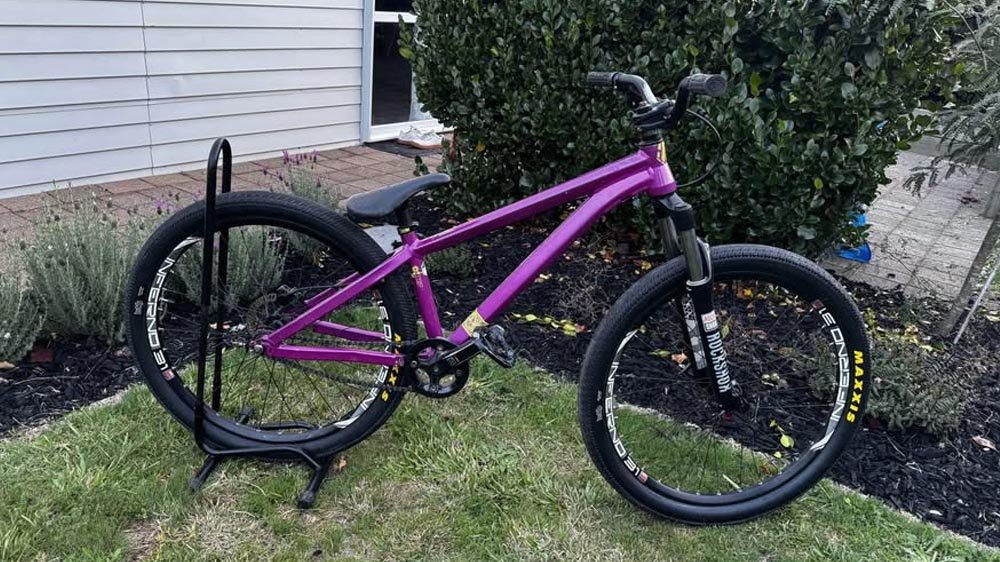
Are you ready to take your dirt jump bike to the next level? Upgrading your bike can boost your performance, make your rides smoother, and give you that edge on the track.
But where do you start? It can feel overwhelming with so many parts and options out there. Don’t worry—this guide will walk you through simple, effective upgrades that fit your style and budget. By the end, you’ll know exactly how to make your dirt jump bike faster, stronger, and more fun to ride.
Let’s dive in and transform your bike into the machine you’ve always wanted.
Choosing The Right Frame
Picking the right frame is key to upgrading your dirt jump bike. It affects how the bike feels and handles on jumps. This guide helps you find the best frame for your needs.
We will look at frame material, geometry, and size. Each part matters for performance and comfort.
Material Options
Frame material changes the bike’s weight and strength. Common materials include aluminum, steel, and carbon fiber.
- Aluminum:Light and stiff. Good for fast riding and easy control.
- Steel:Strong and durable. Offers a smooth ride but heavier than aluminum.
- Carbon Fiber:Very light and strong. Expensive but best for serious riders.
Frame Geometry
Geometry means the shape and angles of the frame. It changes how the bike handles jumps and landings.
| Feature | Effect |
| Head Tube Angle | Steeper angle gives quicker steering. Slacker angle offers stability. |
| Top Tube Length | Longer tube adds control. Shorter tube makes the bike nimble. |
| Bottom Bracket Height | Higher height helps clear obstacles. Lower height improves balance. |
Size And Fit
Size and fit make riding comfortable and safe. A wrong fit can cause pain or poor control.
- Stand over the frame. You need a few inches of clearance.
- Check reach to the handlebars. It should feel natural and relaxed.
- Look at seat height. Your leg should bend slightly when pedaling.

Credit: www.youtube.com
Upgrading The Suspension
Upgrading the suspension on your dirt jump bike can improve control and comfort. Good suspension helps absorb shocks from landings and rough terrain.
Choosing the right parts and tuning them correctly will make your rides smoother and safer. Focus on forks, shock absorbers, and suspension settings.
Fork Selection
Pick a fork designed for dirt jumping. Look for strong and lightweight forks that handle big impacts well.
Fork travel should be enough to absorb landings but not too soft. Around 80-100mm travel is common for dirt jump forks.
- Choose forks with sturdy construction
- Check travel length for your riding style
- Consider forks with adjustable damping
- Look for forks compatible with your bike frame
Shock Absorbers
Shock absorbers reduce the impact on your rear wheel. They help keep traction and improve ride comfort.
Select a shock that fits your bike and matches your weight. Coil shocks are durable, and air shocks offer easier tuning.
- Pick coil shocks for strength and simplicity
- Choose air shocks for lighter weight and adjustability
- Match shock size to your bike frame
- Check the shock’s spring rate for your weight
Tuning Suspension Settings
Adjust suspension settings to fit your riding style and terrain. Proper tuning improves control and comfort.
Start with sag, rebound, and compression settings. Sag is how much the suspension compresses under your weight.
- Set sag to about 25-30% of total travel
- Adjust rebound to control how fast suspension returns
- Use compression settings to manage how firm the suspension feels
- Test settings on your usual trails and make small changes
Enhancing The Drivetrain
Upgrading the drivetrain on your dirt jump bike can improve your riding experience. It helps you pedal smoother and shift faster. Focus on key parts like gears, chains, and cranksets.
This guide covers selecting gears and cassettes, upgrading the chain and crankset, and improving shifting performance.
Selecting Gears And Cassettes
Choosing the right gears and cassette affects how your bike handles climbs and jumps. A wider gear range helps with different terrains. Pick cassettes with durable materials to last longer.
- Choose a cassette with 7 to 10 speeds for versatility.
- Look for lightweight, strong materials like aluminum or steel.
- Match the cassette size to your riding style and terrain.
- Check compatibility with your current derailleur and shifters.
Upgrading The Chain And Crankset
Replacing your chain and crankset can boost power transfer and reduce wear. Use a chain that fits your cassette speed. A strong crankset improves pedaling efficiency and control.
| Component | Material | Benefit |
| Chain | Steel | Durable and good for high speeds |
| Crankset | Aluminum | Lightweight and strong |
| Crankset | Carbon Fiber | Very light, best for performance |
Improving Shifting Performance
Good shifting makes riding smoother and safer. Keep your drivetrain clean and lubricated. Upgrade to precise shifters and quality cables for better response.
- Clean the cassette and chain regularly.
- Use fresh, quality lubricant on the chain.
- Replace worn cables and housing.
- Adjust derailleur limit screws correctly.
Improving Wheels And Tires
Upgrading your dirt jump bike wheels and tires can improve performance and durability. Good wheels help you land safely and ride smoothly.
Choosing the right parts can make your bike stronger and better suited for dirt jumps.
Choosing Durable Rims
Durable rims resist damage from hard landings and rough terrain. Look for rims made of strong materials like aluminum or alloy. Wider rims give better tire support and stability.
Double-wall rims add extra strength. They have two layers of metal that help prevent bending or breaking. Choose rims with reinforced spoke holes to avoid cracks.
Tire Types And Tread Patterns
Different tires fit different riding styles. Softer tires offer better grip but wear out faster. Harder tires last longer but have less traction.
- Knobby tires:Best for loose dirt and rough trails.
- Slick tires:Work well on smooth surfaces and ramps.
- Hybrid tires:Combine some knobs with smoother tread for mixed terrain.
Choose tread patterns based on your common riding surface. Bigger knobs dig into dirt while smaller knobs roll faster.
Tubeless Setup Benefits
Tubeless tires do not use inner tubes. They seal directly onto the rim. This setup reduces flats and allows lower tire pressure.
| Benefit | Description |
| Less flats | Sealant inside stops small punctures fast |
| Better grip | Lower pressure improves traction on dirt |
| Lighter weight | No tube reduces overall wheel weight |
| Smoother ride | Improved shock absorption on landings |
Optimizing Braking System
Upgrading the braking system on your dirt jump bike improves safety and control. Good brakes help you stop faster and handle jumps better.
This guide covers brake types, rotor and pad upgrades, and lever adjustments. Each part plays a key role in braking power and feel.
Brake Types Comparison
| Brake Type | Description | Pros | Cons |
| Mechanical Disc | Uses a cable to move brake pads on rotors | Simple, low cost, easy to maintain | Less powerful, needs frequent adjustment |
| Hydraulic Disc | Uses fluid to transfer force to brake pads | Strong stopping power, smooth modulation | More expensive, complex maintenance |
| Rim Brakes | Pads press on wheel rims to stop | Lightweight, easy to fix | Less effective in mud or wet conditions |
For dirt jump bikes, hydraulic disc brakes are the best choice. They give strong, reliable braking in many conditions.
Upgrading Rotors And Pads
- Choose larger rotors for better heat dissipation and stopping power.
- Select pads designed for dirt jumping, usually with more grip and durability.
- Replace worn rotors to avoid brake fade and noise.
- Use resin pads for quieter braking or metallic pads for stronger bite.
Upgrading rotors and pads improves brake feel and performance on rough trails. Match parts to your riding style and conditions.
Brake Lever Adjustments
Adjusting brake levers helps you brake comfortably and efficiently. Proper lever position reduces hand fatigue and improves control.
- Set lever reach so fingers rest comfortably on the lever.
- Tighten or loosen the barrel adjuster for proper cable tension.
- Test lever pressure to avoid spongy or too hard braking.
- Check that levers return smoothly after release.
Upgrading Handlebars And Controls
Upgrading your dirt jump bike’s handlebars and controls can improve comfort and control. Choosing the right parts helps you ride better and safer.
This guide covers handlebar styles, grips and bar ends, and shifter and brake lever placement.
Handlebar Styles
Handlebars come in many shapes and sizes. Choose a style that fits your riding style and body size.
- Riser bars offer more control on jumps and tricks.
- Flat bars are lighter and better for speed.
- Wide bars give extra stability during landings.
- Carbon bars reduce weight but cost more.
Grips And Bar Ends
Grips affect how you hold the bike and absorb shock. Bar ends protect your hands and handlebar edges.
| Grip Type | Benefit |
|---|---|
| Rubber | Good grip and comfort |
| Foam | Lightweight and soft |
| Lock-on | Secure fit, no slipping |
Shifter And Brake Lever Placement
Place shifters and brake levers where you can reach them easily without moving your hands too much.
- Set brake levers at a comfortable angle for quick access.
- Keep shifters close to your thumbs or fingers.
- Adjust positions after a test ride to suit your reach.
- Make sure cables do not interfere with handlebar movement.
Selecting A Comfortable Saddle And Seatpost
Choosing the right saddle and seatpost makes your dirt jump bike more comfortable. A good fit helps you ride longer and prevents pain. This guide covers saddle shape, padding, dropper seatposts, and seat height adjustment.
Focus on parts that support your body well and fit your riding style. Proper adjustments improve control and riding experience.
Saddle Shape And Padding
Saddle shape affects comfort and bike handling. Dirt jump saddles are usually slim and firm. Padding should protect without adding too much bulk.
- Narrow saddles reduce chafing during jumps
- Medium padding offers support without softness that slows you down
- Flat saddles allow easy movement forward and backward
- Consider saddles with reinforced edges for durability
Dropper Seatpost Options
Dropper seatposts let you lower your saddle quickly for better control. They are popular on dirt jump bikes for technical trails.
| Type | Features | Best Use |
| Mechanical Dropper | Simple, cable operated | Budget-friendly, reliable |
| Hydraulic Dropper | Smooth, fluid action | Advanced riders, fast response |
| Internal Routing | Hidden cables | Clean look, less damage |
| External Routing | Easy maintenance | Quick repairs, rough use |
Adjusting Seat Height
Correct seat height improves pedaling efficiency and comfort. Adjust it so your leg is almost straight at the bottom of the pedal stroke.
- Sit on the bike with your heel on the pedal
- Pedal backward until your leg is fully extended
- Adjust the seatpost height until your leg is nearly straight
- Test by pedaling and fine-tune if needed
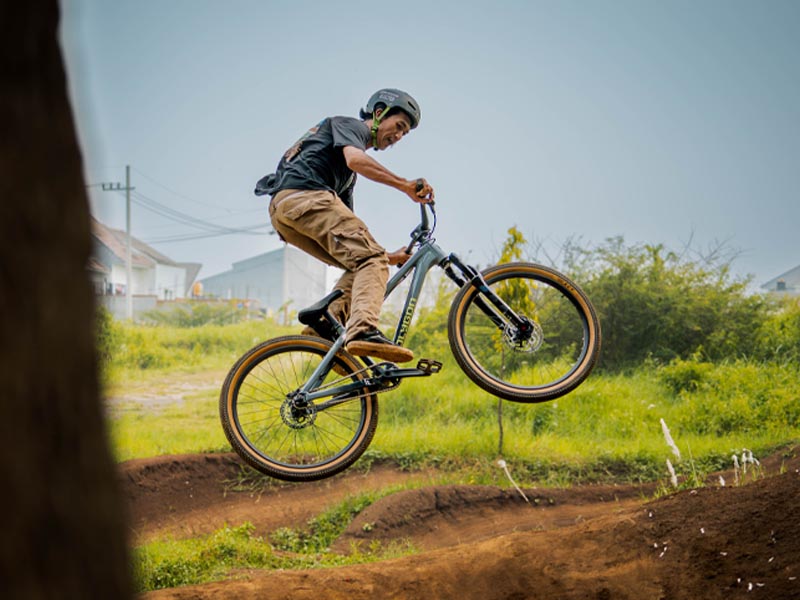
Credit: www.polygonbikes.com
Adding Performance Accessories
Upgrading your dirt jump bike with the right accessories can boost your riding experience. Accessories improve comfort, control, and safety on the trails.
Focus on parts that enhance your performance and protect you during jumps and tricks. The right gear helps you ride longer and safer.
Pedals And Footwear
Choose pedals that offer good grip and durability for better control. Flat pedals with pins or clipless pedals can both work well. Pair them with strong shoes that have stiff soles and good traction.
- Flat pedals with replaceable pins
- Clipless pedals for secure foot hold
- Stiff-soled shoes for better power transfer
- Durable footwear with good grip
Protective Gear
Protective gear keeps you safe during falls and crashes. Helmets, gloves, and pads reduce injury risks. Always wear gear that fits well and is designed for dirt jumping.
| Gear | Purpose |
| Helmet | Protects your head |
| Gloves | Improves grip and protects hands |
| Knee Pads | Shields knees from impacts |
| Elbow Pads | Protects elbows in falls |
Lighting And Safety Enhancements
Good lighting helps you see and be seen, especially in low light. Add front and rear lights to stay safe on trails and roads. Reflective stickers increase visibility.
- Use bright LED front lights
- Attach red rear lights
- Add reflective tape on your bike frame
- Wear reflective clothing
Maintenance Tips For Upgraded Bikes
Upgrading your dirt jump bike improves its performance and durability. Regular maintenance keeps your bike running smoothly and safe to ride.
Follow these simple tips to maintain your upgraded parts and enjoy a better riding experience.
Regular Cleaning
Keep your dirt jump bike clean by washing it after every ride. Dirt and grime can damage parts and cause wear. Use mild soap and water to clean the frame and components gently.
- Rinse off mud and dust with a hose
- Use a soft brush to remove stuck dirt
- Dry the bike with a clean cloth to prevent rust
- Avoid high-pressure water on bearings and seals
Lubrication Practices
Proper lubrication protects moving parts and reduces friction. Use bike-specific lubricants for best results. Apply lubricant regularly to chains, pivots, and cables.
| Part | Lubrication Frequency | Type of Lubricant |
| Chain | After every 2 rides or wet rides | Wet or dry chain lube |
| Brake and gear pivots | Monthly | Light oil |
| Cables | Every 3 months | Thin lubricant |
| Suspension pivots | Every 6 months | Grease |
Component Inspection
Check your upgraded bike parts often. Look for cracks, loose bolts, and worn components. Early detection helps avoid accidents and costly repairs.
- Inspect frame and forks for damage
- Tighten all bolts and screws
- Check tires for cuts and wear
- Ensure brakes respond quickly and smoothly
- Test suspension for proper function

Credit: alpkit.com
Frequently Asked Questions
What Are The Best Upgrades For A Dirt Jump Bike?
The best upgrades include suspension forks, stronger brakes, and lightweight wheels. These enhance control, safety, and performance on jumps and landings.
How Do I Choose The Right Suspension For Dirt Jumping?
Choose a suspension fork with around 80-120mm travel. It should be sturdy and responsive for absorbing impact during jumps.
Should I Upgrade The Tires For Dirt Jumping?
Yes, use tires with good grip and durability. Knobby tires improve traction on dirt tracks and help with control.
How Can I Improve My Dirt Jump Bike’s Braking System?
Upgrade to hydraulic disc brakes for better stopping power and modulation. This ensures safer, more precise braking on rough terrain.
Conclusion
Upgrading a dirt jump bike boosts performance and personal satisfaction. Start by identifying key areas for improvement. Tires, suspension, and handlebars often need attention. Choose quality components that fit your budget. Remember to maintain balance and safety. Tools and a bit of patience are essential.
Ensure each upgrade matches your riding style. Consult experts or online forums for advice. Practice and test your bike after changes. Enjoy the enhanced ride and new challenges. Keep learning and exploring new upgrades. Your bike will thank you. So will your riding experience.



