
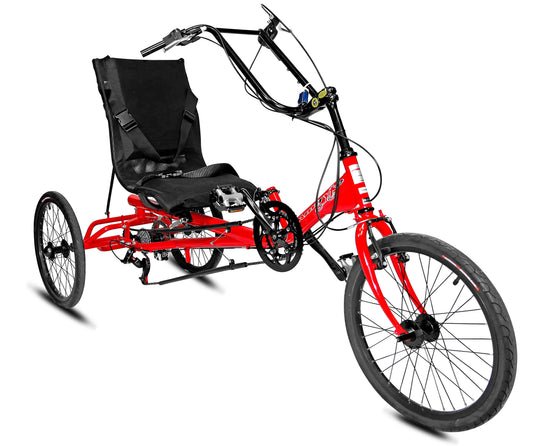
Are you wondering if an adaptive trike can be tailored just for you? Imagine having a trike that fits your body perfectly, matches your style, and meets your unique needs.
Customization isn’t just about looks—it’s about comfort, safety, and freedom. You’ll discover how adaptive trikes can be personalized to improve your riding experience like never before. Keep reading to find out how you can make your trike truly yours.
Adaptive Trikes Basics
Adaptive trikes are three-wheeled bikes designed for people with special needs. They help improve balance and provide a comfortable ride. Many people choose adaptive trikes for exercise, fun, or transportation.
These trikes come in different styles and can often be customized to fit the rider’s needs. Understanding their key features and types helps in choosing the right one.
Key Features
Adaptive trikes include many features that make riding easier and safer for users. These features can be changed or added based on personal needs.
- Stable three-wheel design for better balance
- Adjustable seats and handlebars for comfort
- Easy-to-use brakes and gears
- Wide tires for smooth rides on different surfaces
- Footrests or pedals designed for different abilities
- Some models have electric assist for easier pedaling
Types Of Adaptive Trikes
There are several types of adaptive trikes. Each type serves different needs and uses. Choosing the right type depends on the rider’s ability and purpose.
| Type | Description | Best For |
| Recumbent Trikes | Rider sits low with a backrest for support. | People with balance or back issues. |
| Upright Trikes | Traditional bike position with three wheels. | Riders who want a classic feel with extra stability. |
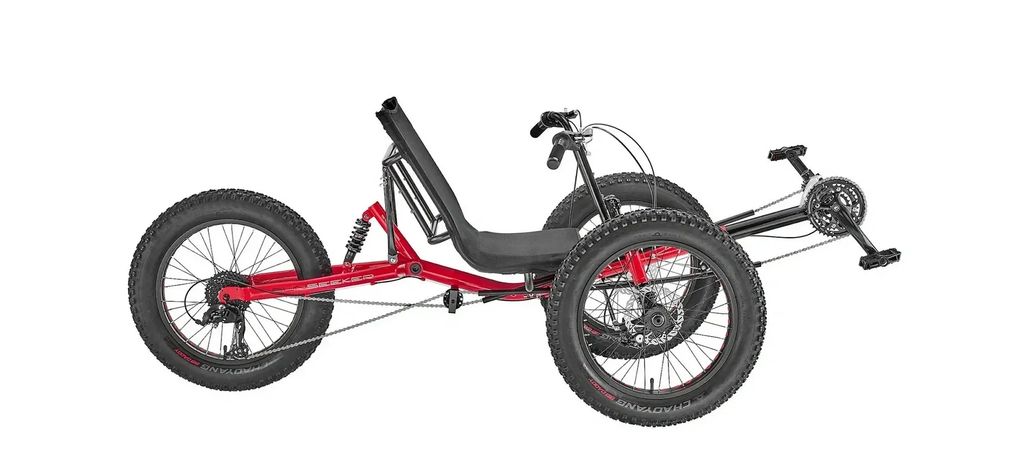
| Tadpole Trikes | Two front wheels and one rear wheel for speed and control. | Active riders who want better steering. |
| Hand Trikes | Pedaled by hand instead of feet. | People with lower limb disabilities. |
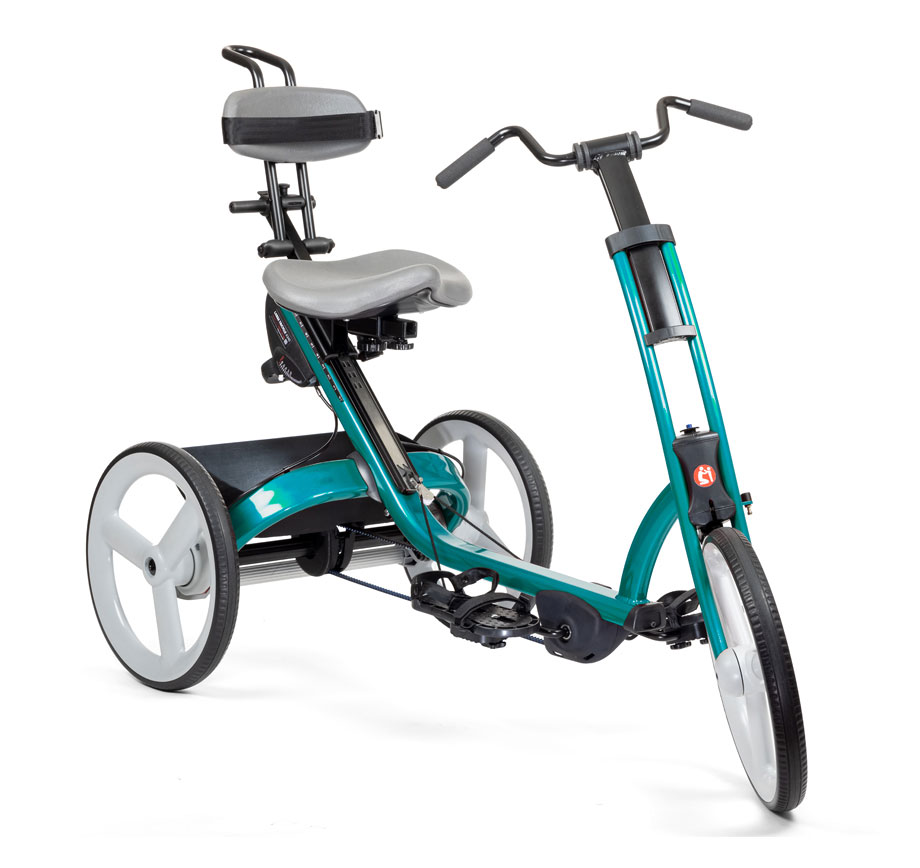
Credit: www.rifton.com
Customization Options
Adaptive trikes can be customized to fit different needs and preferences. Customization helps improve comfort and control.
Many parts of an adaptive trike can be adjusted or changed. This allows riders to enjoy a better riding experience.
Frame Adjustments
The frame of an adaptive trike can be modified to fit the rider’s size and strength. This makes pedaling easier and more comfortable.
- Adjustable frame length to match leg reach
- Lower or higher frame options for easier mounting
- Reinforced frames for extra strength and durability
Seating Modifications
Seating options can be changed to support different body types and medical needs. This helps with posture and reduces pressure points.
- Adjustable seat height and angle
- Custom cushions for extra comfort
- Backrests with varying support levels
Handlebar Variations
Handlebars come in different shapes and sizes to improve control and comfort. Riders can choose what fits their grip and reach best.
- Upright handlebars for relaxed riding
- Drop handlebars for a sporty feel
- Adjustable width and angle for better hand positioning
Wheel And Tire Choices
Wheels and tires can be selected based on the riding surface and style. This affects speed, stability, and comfort.
- Wide tires for better balance on rough roads
- Narrow tires for faster rides on smooth paths
- Different wheel sizes for easier handling or speed
Tech Add-ons
Adaptive trikes can be customized with many tech add-ons. These add-ons improve comfort and ease of use.
Tech features help riders enjoy their trikes safely and conveniently every day.
Electric Assist Systems
Electric assist systems give riders extra power when pedaling. This helps on hills and long rides.
Many adaptive trikes allow adding motors and batteries to support pedaling effort.
- Throttle or pedal assist options
- Different motor power levels
- Rechargeable batteries for long use
- Easy controls on handlebars
Safety Enhancements
Safety features keep riders protected on the road. Adaptive trikes can include many safety upgrades.
Tech add-ons improve visibility and stability for safer rides.
- LED lights for better night visibility
- Reflective strips on frame and wheels
- Turn signals and brake lights
- Anti-tip wheels for balance
Storage Solutions
Storage options help riders carry items easily. Adaptive trikes can be fitted with various carriers and bags.
Tech add-ons include smart storage designs that fit the rider’s needs.
- Lockable rear baskets or trunks
- Waterproof storage bags
- Mounts for phones and GPS devices
- Easy-access side pockets
Credit: accesstrikes.com
Personal Style Choices
Adaptive trikes can be customized to fit your personal style. You can choose different features to make your trike unique.
Customizing your trike helps you feel more comfortable and proud of your ride. Small changes can make a big difference.
Color And Finish
You can select colors that match your personality or preferences. Many adaptive trikes offer a range of color options.
The finish can be glossy or matte. This choice affects the look and feel of your trike’s surface.
- Bright colors for a bold statement
- Neutral tones for a classic look
- Matte finish for a modern style
- Glossy finish for a shiny appearance
Accessories And Gear
Accessories let you add extra features to your adaptive trike. They improve comfort and usability.
You can choose items like storage bags, cup holders, or lights. These help make your ride easier and safer.
- Storage bags for carrying personal items
- Cup holders for drinks on the go
- Lights for better visibility
- Custom seats for extra comfort
- Mirrors for improved safety
Fitting And Comfort
Adaptive trikes can be customized to fit each rider’s body. Proper fitting helps improve comfort and control.
Comfort is important for long rides and for preventing injuries. Custom features make the trike easier to use.
Custom Fit Techniques
Custom fit techniques adjust the trike to match the rider’s size and shape. This includes seat height and pedal position.
Adjustable parts allow for better leg reach and easier steering. Some trikes offer custom seats molded to the rider’s body.
- Adjust seat height and angle
- Change pedal distance and position
- Use custom molded seats for support
- Add adjustable handlebars
Ergonomic Considerations
Ergonomic design focuses on reducing strain and improving posture while riding. It helps prevent discomfort and fatigue.
Proper support for the back and arms improves control. Padding and breathable materials increase comfort during long rides.
- Support lower back with ergonomic seats
- Use padded grips on handlebars
- Choose breathable seat fabrics
- Ensure easy reach to brakes and controls
Working With Specialists
Adaptive trikes can be tailored to meet personal needs. Specialists help create the best fit and function. Their knowledge ensures comfort and safety.
Working closely with experts makes customization easier. They guide users through options and adjustments for a perfect ride.
Finding Experts
Locating the right specialist is the first step. Look for professionals with experience in adaptive trikes and mobility aids.
- Search for certified therapists or mobility consultants
- Check local clinics or rehabilitation centers
- Ask for referrals from support groups
- Review online profiles and customer feedback
Collaborating On Design
Collaboration with specialists involves sharing goals and preferences. They help choose the right parts and features for the trike.
| Design Aspect | Specialist Role | User Role |
|---|---|---|
| Seating | Recommend support and comfort options | Describe comfort needs and pain points |
| Steering | Adjust controls for ease of use | Test and give feedback on handling |
| Pedals and Drive | Select best mechanism for strength and reach | Practice and suggest changes |
| Safety Features | Ensure all safety standards are met | Observe and report any concerns |
Budgeting For Customization
Customizing adaptive trikes can improve comfort and usability. Planning your budget helps avoid overspending.
Knowing the costs involved lets you choose the best options for your needs and wallet.
Cost Factors
Several factors affect the price of customizing an adaptive trike. Parts, labor, and special features all add to the cost.
- Type of custom parts needed
- Complexity of the installation
- Materials used for upgrades
- Labor charges by specialists
- Shipping costs for custom items
Value Vs Expense
It is important to balance the cost with the benefits you get. Sometimes spending more improves comfort and safety.
| Expense | Potential Value |
| Basic seat adjustment | Better riding posture |
| Custom pedals | Improved pedaling efficiency |
| Advanced suspension | Smoother rides on rough roads |
| Special grips | More control and comfort |

Credit: ferlafamilybikes.com
User Stories
Many people use adaptive trikes for better mobility and fun. They often want to change parts to fit their needs. Customizing these trikes helps users feel more comfortable and enjoy riding more.
Each user has different goals when customizing their trike. Some want better seats, others want easier controls. These changes show how flexible adaptive trikes can be.
Customization Successes
Many users have made great changes to their adaptive trikes. They improved comfort and control by changing seats and handlebars. Some added baskets or special pedals to help with daily use.
- Adjusting seat height for better leg reach
- Adding hand pedals for users with limited leg movement
- Installing custom storage for carrying items
- Changing handlebar shape for easier grip
These changes helped users ride longer and feel safer. They showed that adaptive trikes can fit different body types and needs.
Common Challenges
Some users find it hard to customize their adaptive trikes. Parts may not fit well or cost too much. Finding the right tools and skills can also be tough for beginners.
- Limited availability of special parts
- High cost of custom components
- Difficulty in fitting new parts properly
- Need for professional help to make changes
Even with challenges, many users keep trying. They share ideas and tips to help others customize their trikes successfully.
Frequently Asked Questions
Can Adaptive Trikes Be Customized For Specific Needs?
Yes, adaptive trikes can be customized to fit individual physical needs, comfort, and riding style. Custom options include seat adjustments, pedal modifications, and specialized controls.
What Parts Of Adaptive Trikes Are Commonly Customized?
Common customizations include seating, handlebars, pedals, and braking systems. These changes improve accessibility, comfort, and control for different users.
How Does Customization Improve Adaptive Trike Usability?
Customization enhances comfort, safety, and riding efficiency. It allows users to tailor the trike to their body size and mobility requirements.
Are There Professional Services For Adaptive Trike Customization?
Yes, many manufacturers and specialized shops offer professional customization services. They ensure the trike meets the user’s unique physical and functional needs.
Conclusion
Adaptive trikes offer great customization options. They cater to individual needs and preferences. Users can choose colors, seating styles, and control features. This helps create a personalized riding experience. Safety features can be added for extra security. Customization enhances comfort and boosts confidence.
Every rider deserves a trike that fits perfectly. Consider personal needs and consult experts when customizing. This ensures the best fit and function. Adaptive trikes bring freedom and joy to many. Enjoy the ride tailored just for you.



