

Are you wondering if an adaptive tricycle can take you off the pavement and onto the trails? You might think these bikes are just for smooth sidewalks, but there’s more to them than meets the eye.
Imagine feeling the rush of fresh air, the crunch of leaves beneath your wheels, and the freedom to explore nature—all while riding a trike designed just for you. You’ll discover how adaptive tricycles perform on different trail surfaces, what features to look for, and tips to make your outdoor adventures safe and exciting.
Ready to find out if your adaptive tricycle is trail-ready? Keep reading.
Adaptive Tricycles And Trail Use
Adaptive tricycles help many people enjoy cycling. They offer stability and support for riders with different needs.
Using adaptive tricycles on trails can be fun. It depends on the type of tricycle and the trail conditions.
Types Of Adaptive Tricycles
There are several types of adaptive tricycles. Each type suits different riders and activities.
Some tricycles have hand pedals, while others use foot pedals. Some models offer extra support for balance.
- Recumbent tricycles: Riders sit low with back support.
- Upright tricycles: Similar to regular bikes with three wheels.
- Handcycles: Use hand pedals for those with limited leg use.
- Tilt tricycles: Provide extra balance with tilting features.
Trail Compatibility Factors
Not all trails are good for adaptive tricycles. Trail surface, width, and slope matter a lot.
Wide and smooth trails are best. Steep or rocky paths can be hard to ride safely.
- Trail surface: Smooth dirt or paved trails work well.
- Trail width: Wide paths allow safe turning and passing.
- Slope: Gentle slopes are easier to manage.
- Obstacles: Fewer rocks and roots mean safer rides.
- Trail length: Shorter trails help avoid fatigue.

Credit: www.superiorcolorado.gov
Trail Conditions And Adaptive Tricycles
Adaptive tricycles offer a great way for many riders to explore outdoor trails. Their design supports balance and comfort on various terrains. Understanding which trails suit these trikes helps riders have a safe experience.
Trail conditions can affect how well an adaptive trike performs. Factors like ground type and weather play key roles. Let’s look at the types of terrain and how weather impacts trail riding with adaptive tricycles.
Terrain Types Suitable For Adaptive Trikes
Adaptive tricycles work best on trails that are firm and even. Soft or loose surfaces can be hard to ride on. Trails with obstacles may need special trikes with good suspension and tires.
- Paved trails with smooth surfaces
- Hard-packed dirt paths
- Short grass fields without deep ruts
- Gravel trails with small stones
- Wide trails with few roots or rocks
Weather Impact On Trail Riding
Weather changes affect trail conditions for adaptive trikes. Wet trails become slippery and may cause wheels to sink. Dry, hot weather can make trails dusty and loose.
| Weather | Effect on Trail | Trike Riding Tips |
| Rainy | Slippery, muddy ground | Check tires, slow down |
| Sunny | Dry, dusty surface | Wear eye protection, stay hydrated |
| Snowy | Soft, icy patches | Avoid trails or use special tires |
| Windy | Loose debris on trail | Watch for obstacles, maintain control |
Features That Enhance Trail Riding
Adaptive tricycles can be a great choice for trail riding. They have special features that help riders handle rough paths safely and comfortably.
These features improve control, stability, and comfort. They let riders enjoy outdoor trails with less effort and more fun.
Suspension Systems
Suspension systems absorb shocks from bumps and uneven ground. This makes the ride smoother and reduces strain on the rider.
Good suspension helps keep the wheels in contact with the trail. This improves balance and control on rough terrain.
- Front suspension forks soften impacts on the front wheels
- Rear suspension supports the back and adds comfort
- Some tricycles have full suspension for better shock absorption
Tire Types And Traction
Trail riding needs tires that can grip loose dirt, rocks, and mud. Wide tires with deep tread patterns offer better traction.
Adaptive tricycles often use tires made for off-road use. These tires help prevent slipping and provide stability on tough trails.
- Knobby tires improve grip on soft and uneven surfaces
- Wide tires increase contact area for better balance
- Durable rubber resists punctures from sharp objects
Frame Durability
Trail riding puts stress on the tricycle frame. Strong frames resist bending or breaking on rough paths.
Frames made from aluminum or steel offer good strength. They also handle impacts and rough use well.
- Reinforced joints add extra strength at weak points
- Corrosion-resistant materials last longer outdoors
- Designs allow easy maintenance and part replacement
Safety Considerations
Adaptive tricycles offer great support for trail riding. Safety is very important to enjoy the experience. Riders should prepare well before hitting the trails.
This guide covers key safety areas: protective gear, trail etiquette, and emergency preparedness. Each helps keep riders safe and comfortable outdoors.
Protective Gear
Wearing the right gear reduces injury risks on trails. Helmets are a must for all riders. Gloves improve grip and protect hands. Knee and elbow pads add extra safety on rough paths.
- Wear a properly fitted helmet at all times.
- Use gloves to protect your hands and improve control.
- Wear knee and elbow pads to guard against scrapes and bruises.
- Choose bright or reflective clothing to increase visibility.
- Consider eye protection to keep dirt and bugs out.
Trail Etiquette
Respect for others keeps trails safe and enjoyable. Stay alert and control your speed. Yield to walkers and horses. Keep to the marked paths to avoid damage.
| Rule | Reason |
| Stay on designated trails | Protects nature and prevents erosion |
| Yield to pedestrians and horses | Avoids accidents and respects other users |
| Ride at safe speeds | Allows time to react to obstacles |
| Keep noise levels low | Preserves wildlife and other riders’ peace |
Emergency Preparedness
Be ready for unexpected situations on trails. Carry a first aid kit and a phone. Know your route and tell someone your plan. Check weather before you ride.
- First aid supplies (bandages, antiseptic wipes)
- Fully charged mobile phone
- Map or GPS device
- Water and snacks
- Emergency contact information
Modifications For Trail Performance
Adaptive tricycles can be used on trails with the right changes. These changes help riders handle rough paths better.
Improving trail performance means making the tricycle stronger and easier to control on uneven ground.
Customizing Adaptive Tricycles
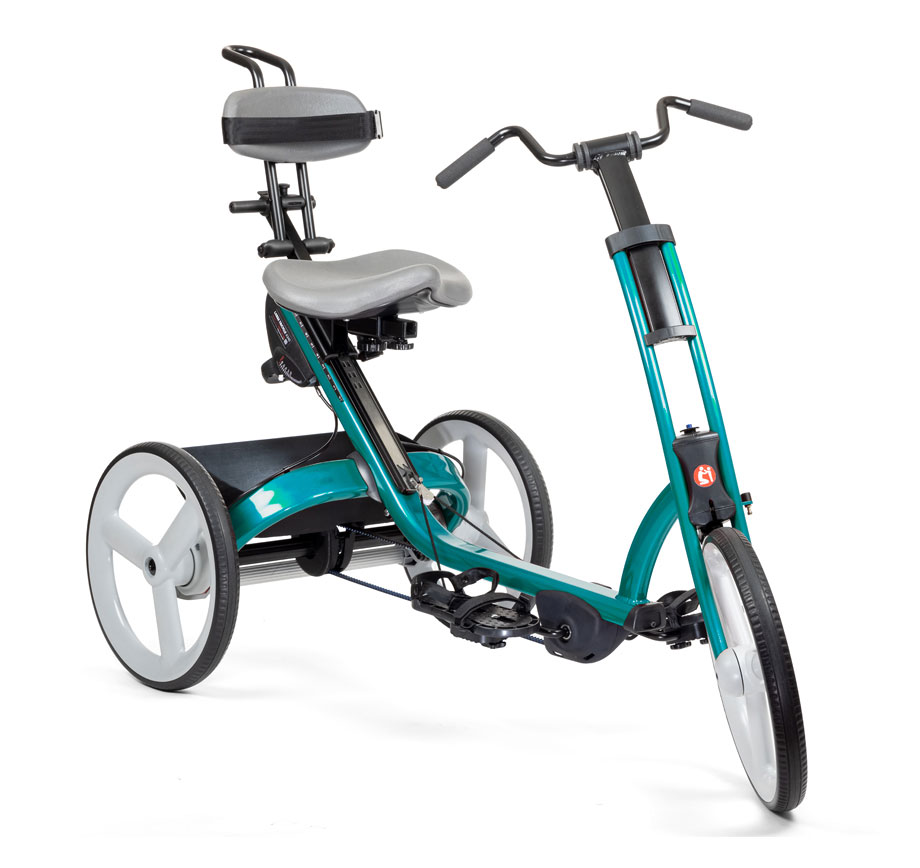
Customizing an adaptive tricycle makes it fit the rider’s needs on trails. Adjustments include stronger frames and better tires.
Tricycles can get wider tires for more grip. The seat can be changed for more comfort and stability during rides.
- Use durable, lightweight frames for rough terrain
- Install wide, knobby tires for better traction
- Adjust seat height and position for control
- Add shock absorbers to soften bumps
- Use hand pedals or foot pedals based on rider ability
Accessory Add-ons
Accessories improve safety and comfort on trails. They help riders handle different trail conditions more easily.
Common add-ons include lights, storage bags, and protective guards. These make trail riding safer and more fun.
- Lights for better visibility in low light
- Storage bags to carry tools and water
- Fenders to keep mud off the rider
- Handlebar grips for a firm hold
- Reflectors to increase visibility to others
Credit: www.rifton.com
Popular Trails For Adaptive Tricycles
Adaptive tricycles open new ways to enjoy nature for people with mobility challenges. Many trails suit these bikes, offering fun and safe rides. Knowing which trails work best helps riders plan their trips well.
This guide lists some popular trails that welcome adaptive tricycles. It also covers the features that make these trails accessible and enjoyable for everyone.
Local Trail Recommendations
Many local parks offer smooth and wide paths perfect for adaptive tricycles. These trails often have gentle slopes and firm surfaces. They provide a great outdoor experience without too many obstacles.
- Greenway Park Loop – Paved and flat, ideal for beginners.
- Riverbend Trail – Wide dirt path with minimal hills.
- Sunnyvale Park Trail – Asphalt surface with benches along the way.
- Maple Grove Path – Smooth gravel and shaded areas.
- Lakeview Trail – Scenic views with level ground.
Accessible Trail Features
Trails for adaptive tricycles include special features to ensure safety and ease of use. These features help riders enjoy their time outdoors without stress.
| Feature | Description | Benefit |
|---|---|---|
| Smooth Surfaces | Concrete, asphalt, or packed gravel paths | Easy to pedal and steer |
| Wide Trails | Paths at least 5 feet wide | Room for passing and turning |
| Gentle Slopes | Inclines less than 5% | Less effort needed to ride |
| Rest Areas | Benches and shaded spots along the trail | Chance to rest and enjoy nature |
| Clear Signage | Trail maps and markers | Helps with navigation and safety |
User Experiences And Tips
Adaptive tricycles offer a way for many riders to enjoy outdoor activities. Many wonder if these bikes work well on trails. Understanding user experiences can help new riders decide.
This guide shares real rider stories and practical advice for trail riding with adaptive trikes. It focuses on what to expect and how to care for your tricycle.
Rider Testimonials
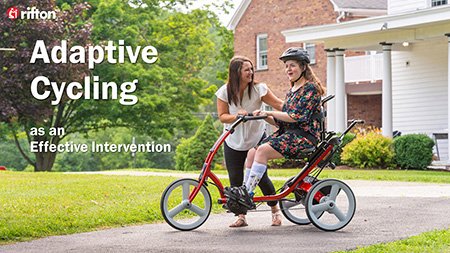
Many riders say adaptive tricycles can handle easy to moderate trails. The three wheels add stability, which helps on uneven ground. Some riders choose wide tires for better grip.
One rider said, “I enjoy quiet forest paths with my adaptive trike. It feels safe and steady.” Another mentioned, “The trike lets me explore areas I could not reach before.”
- Choose trails with firm, packed dirt for best results
- Start with short rides to build confidence
- Use tire pressure suitable for rough surfaces
- Bring tools for quick fixes on the trail
Maintenance Advice
Keeping an adaptive tricycle in good shape is key for trail riding. Dirt and small rocks can damage parts if not cleaned regularly. Check brakes and gears before each ride.
Lubricate the chain often to prevent rust. Inspect tires for cuts or worn tread. Tighten loose bolts and test steering for smooth turns. These steps make rides safer and more fun.
- Clean the trike after every trail ride
- Check tire pressure and tread condition
- Lubricate chain and moving parts regularly
- Tighten bolts and screws as needed
- Test brakes and steering before riding
Credit: www.rifton.com
Frequently Asked Questions
Can Adaptive Tricycles Handle Rough Trail Terrain?
Adaptive tricycles designed for trails feature sturdy frames and wide tires. These elements provide stability and grip on uneven surfaces. However, extreme off-road trails may require specialized models for better performance and safety.
Are Adaptive Tricycles Suitable For All Trail Types?
Adaptive tricycles work well on flat and moderately rugged trails. Steep, rocky, or highly technical trails may be challenging. Choosing the right tricycle depends on trail difficulty and user’s ability level for an enjoyable experience.
What Features Improve Trail Use Of Adaptive Tricycles?
Key features include durable tires, strong suspension, and adjustable seating. These enhance comfort, control, and safety on trails. Some models also offer additional support systems for users with mobility challenges.
Can Adaptive Tricycles Improve Trail Accessibility?
Yes, adaptive tricycles increase trail access for people with mobility issues. They provide balance and support, enabling users to enjoy outdoor activities. This promotes inclusivity and encourages active lifestyles in nature.
Conclusion
Adaptive tricycles offer new possibilities for trail exploration. They provide stability and control. Riders experience a unique way to enjoy nature. Trails become accessible for people with mobility challenges. These tricycles cater to diverse needs. Safety features ensure a comfortable ride on uneven paths.
Users can explore different terrains with ease. They promote independence and outdoor enjoyment. Adaptive tricycles open trails to more people. Their design supports varied trail adventures. Consider them for your next outdoor excursion. Enjoy nature’s beauty with confidence and comfort.
Embrace the freedom adaptive tricycles provide on trails.



