
Imagine you’re miles away from help, deep in the wilderness, and suddenly your bike breaks down. What will you do?
Having a well-prepared repair kit can turn a potential disaster into just a minor delay. You don’t want to be stuck, frustrated, or forced to abandon your adventure because of a simple fix you could have handled yourself. In this post, you’ll discover exactly what tools and supplies you need to pack, how to organize them efficiently, and tips to keep your kit lightweight yet effective.
Keep reading to ensure your bikepacking trip stays smooth, safe, and unforgettable.

Credit: bikepacking.com
Choosing The Right Repair Tools
Bikepacking trips take you far from help. Carrying the right repair tools keeps you safe. A good repair kit fixes common bike problems fast.
Pick tools that are light but strong. They should fit your bike and repair skills. Let’s look at key tools to carry.
Essential Multi-tools
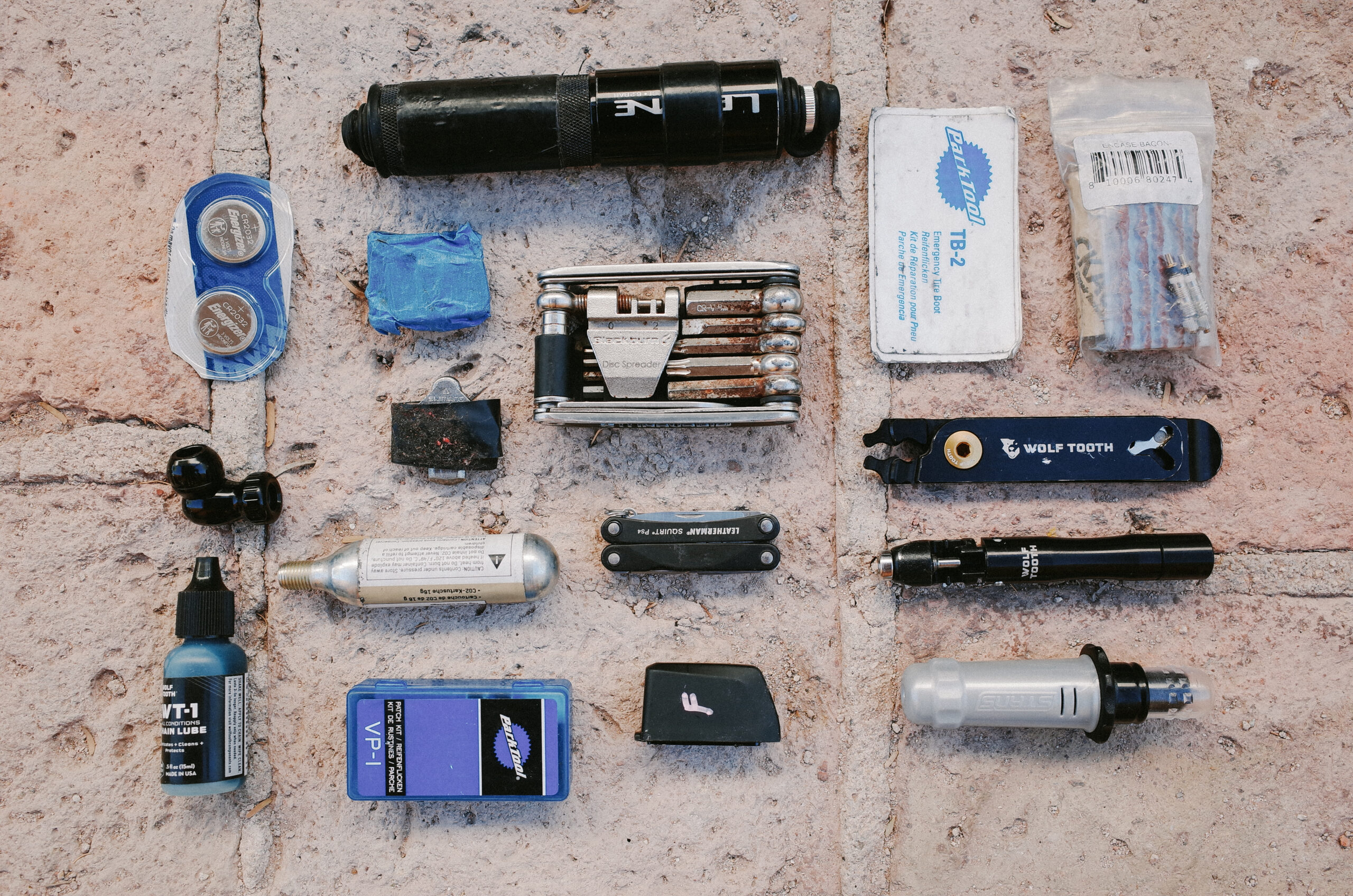
Multi-tools combine many tools in one small device. They save space and weight in your pack. Look for tools with bike-specific functions.
Good multi-tools include Allen wrenches, screwdrivers, and chain tools. They help fix brakes, gears, and chains on the trail.
- Allen wrenches in sizes 2mm to 8mm
- Flathead and Phillips screwdrivers
- Chain breaker tool
- Tire levers (sometimes included)
- Spoke wrench
Tire Repair Kits
Tire repair kits fix punctures quickly. They include tools to find and patch holes in tubes or tubeless tires. Choose a kit that is compact and complete.
Most kits contain patches, glue, and sandpaper. Some have tire plugs for tubeless tires. Test your kit before your trip to know how to use it.
- Rubber patches
- Vulcanizing glue or self-adhesive patches
- Sandpaper or metal rasp
- Tire plugs (for tubeless)
- Tire levers (if not in multi-tool)
Spare Tubes And Patch Options
Carry spare tubes for your bike’s tire size. Tubes replace damaged ones quickly. Patches are good backup if you run out of tubes.
Use high-quality tubes that match your valve type. Carry patches that fit your tube material. Keep everything dry in a sealed bag.
- Spare tubes matching tire size and valve
- Patch kits for quick tube repair
- Sealant for tubeless tires
- Plastic bag or container to keep parts dry

Credit: bikepacking.com
Selecting Durable Replacement Parts
Preparing a repair kit for bikepacking means choosing strong parts. Durable parts reduce the chance of failure on the trail.
Pick parts that fit your bike and can handle rough conditions. This guide covers chain links and pins, brake pads and cables, spokes and nuts.
Chain Links And Pins
Carry spare chain links and pins that match your bike’s chain type. Choose rust-resistant metals for longer life. Strong links help avoid chain breaks far from help.
Brake Pads And Cables
Bring brake pads made for your brake system and cables that resist corrosion. Durable brake parts keep stopping power reliable. Check sizes before packing.
- Choose pads with long wear life
- Pick stainless steel cables
- Carry quick-release pads if possible
- Keep spare cable ends and ferrules
Spokes And Nuts
Spokes and nuts must be strong and fit your wheel. Carry a few spokes and matching nuts. Use a simple table to track important details.
| Part | Material | Size | Quantity to Carry |
| Spokes | Stainless Steel | 14G or 15G | 4-6 |
| Nuts | Steel or Brass | Matching Spoke Thread | 6-8 |
Packing Efficiently For Accessibility
Carrying a repair kit on a bikepacking trip is essential. Packing it so you can reach items quickly saves time and stress.
Organize your tools and supplies to find what you need fast. Use smart storage to keep everything safe and light.
Organizing Tools For Quick Use
Keep your most used tools within easy reach. Use small pouches or tool rolls to separate items by type.
- Store tire levers, patch kits, and multi-tools together.
- Label pouches for easy identification.
- Use elastic bands or straps to hold tools in place.
- Place the kit in a top tube bag or handlebar bag.
Waterproof Storage Solutions
Keep your repair kit dry to avoid damage. Use waterproof bags or cases that seal tightly.
| Storage Type | Waterproof Level | Ideal Use |
|---|---|---|
| Dry Bags | High | Full kit protection |
| Waterproof Pouches | Medium | Small tools and patches |
| Ziplock Bags | Low | Short rides or extra layer |
Weight Management Tips
Keep your repair kit light to avoid extra effort. Choose multi-use tools and only pack essentials.
- Use a compact multi-tool instead of many single tools.
- Bring only necessary spare parts like patches and tubes.
- Replace heavy metal containers with plastic or silicone.
- Distribute weight evenly on your bike to keep balance.
Preparing For Common Repairs
Bikepacking trips take you far from help. Carrying tools and parts is important. This helps fix common problems on the trail.
Knowing how to use your repair kit keeps you moving. Focus on flat tires, brakes, gears, and chains. These issues happen most often.
Fixing Flat Tires
Flat tires stop your trip fast. Carry a patch kit, spare tubes, tire levers, and a pump. Check your tire size before packing.
- Remove the wheel from the bike
- Use tire levers to take off the tire
- Find the hole in the tube by inflating it
- Patch the hole or replace the tube
- Put the tire back on and pump it up
- Check for sharp objects inside the tire
Adjusting Brakes And Gears
Brakes and gears need fine tuning on the road. Carry a multi-tool with Allen keys and screwdrivers. Know how to adjust brake pads and derailleurs.
| Tool | Use |
| Allen Key | Tighten brake and gear bolts |
| Screwdriver | Adjust derailleur limit screws |
| Wrench | Adjust brake cable tension |
| Lubricant | Keep gears shifting smoothly |
Handling Chain Issues
Chains can break or jam. Carry a chain tool, spare links, and lubricant. Learn to fix a broken chain and clean it on the trail.
Chain Repair Checklist:
- Use chain tool to remove damaged link
- Insert a spare link or reconnect chain
- Lubricate chain for smooth movement
- Check chain tension and alignment
Safety And Maintenance Tips
Preparing a repair kit is key for safe bikepacking trips. It helps you fix problems on the road.
Knowing how to maintain your bike keeps you safe. It also makes your ride smooth and fun.
Regular Tool Checks
Check your tools before every trip. Make sure nothing is broken or missing.
Clean your tools and keep them dry. This stops rust and keeps them working well.
- Inspect tire levers for cracks
- Test the pump for air leaks
- Check multi-tool functions
- Replace worn patches or glue
Proper Use Of Repair Items
Use repair items as they are meant to be used. This avoids damage or injury.
Read instructions for patches and tools before your trip. Practice repairs at home if you can.
- Use tire levers gently to avoid tube damage
- Apply patch glue thinly and evenly
- Tighten bolts with the right tool size
- Keep chain lube clean and apply sparingly
Emergency Repair Strategies
Plan for quick fixes during emergencies. Carry items that fix common bike problems fast.
Know how to handle a flat tire or broken chain. Practice simple repairs so you feel confident.
- Use spare tube or patch kit for flats
- Carry a chain tool for quick chain fixes
- Keep zip ties to secure loose parts
- Have extra brake pads for worn brakes
Credit: blog.otsocycles.com
Frequently Asked Questions
What Essential Tools Should I Include In A Bikepacking Repair Kit?
Include tire levers, a multi-tool, spare tubes, patch kits, a mini pump, and chain links. These tools cover most common bike repairs on trails.
How Do I Choose The Right Patch Kit For Bikepacking?
Choose a patch kit compatible with your tire type, ideally lightweight and waterproof. It should be easy to use for quick fixes on the go.
How Many Spare Tubes Are Necessary For Bikepacking Trips?
Carry at least two spare tubes to prepare for multiple punctures. This ensures you won’t be stranded far from help or a bike shop.
Can I Include Any Bike-specific Tools In My Repair Kit?
Yes, add bike-specific tools like a chain breaker or disc brake pads if your bike requires them. This helps handle specialized repairs during your trip.
Conclusion
Preparing a bikepacking repair kit is essential for safe adventures. Pack basic tools like a multi-tool, tire levers, and a patch kit. Don’t forget spare tubes and a reliable pump. Consider carrying a small first-aid kit for emergencies. Keep items organized in a waterproof bag.
Regularly check and replace worn-out items. A well-prepared repair kit ensures peace of mind on the trail. Enjoy your bikepacking trips with confidence and less worry. Happy trails and safe travels!



