
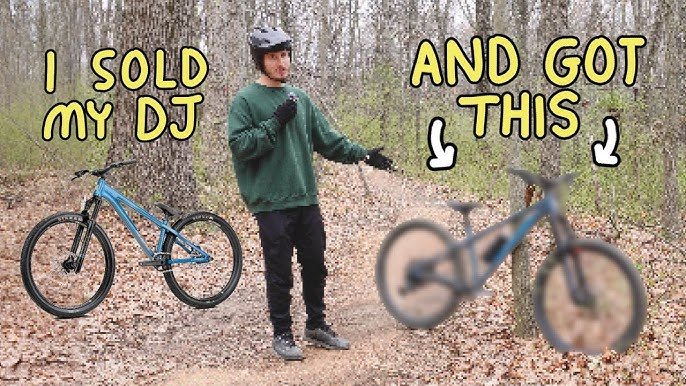
Are you ready to take your dirt jumping skills to the next level? Choosing the right dirt jump bike can make all the difference between landing smooth tricks and struggling on the track.
But with so many options out there, how do you find the perfect bike for your style and budget? This guide breaks down everything you need to know to pick the best dirt jump bike for you. By the end, you’ll feel confident and excited to hit those jumps like a pro.
Keep reading, and let’s get you set up for success!

Credit: www.reddit.com
Choosing The Right Dirt Jump Bike
Picking the right dirt jump bike is important for safety and fun. You need a bike that fits your style and skill level.
Look at the frame, suspension, and wheel size to find the best bike for you.
Bike Frame Materials
Bike frames come in different materials like aluminum, steel, and carbon fiber. Each has good and bad points.
Aluminum is light and strong. Steel is heavier but very durable. Carbon fiber is light but costly.
- Aluminum: Light, strong, affordable
- Steel: Heavy, tough, long-lasting
- Carbon Fiber: Very light, expensive
Suspension Types
Dirt jump bikes usually have hardtail or no suspension. Suspension helps absorb shocks from jumps and landings.
Hardtail bikes have front suspension only. Some bikes have no suspension for better control on smooth jumps.
- No suspension: Lighter bike, good for smooth tracks
- Front suspension: Absorbs bumps, better for rough landings
Wheel Size Options
Dirt jump bikes come with different wheel sizes. Common sizes are 26 inches and 24 inches.
Smaller wheels are easier to maneuver but slower. Larger wheels roll over obstacles better.
- 24-inch wheels: More control, good for small riders
- 26-inch wheels: Faster, better for bigger jumps
Essential Features To Look For
Dirt jump bikes need specific features for safety and performance. Picking the right bike helps you enjoy jumps and tricks safely.
Focus on braking systems, gearing, drivetrain, and tire choice. These parts affect control and ride quality on dirt tracks.
Braking Systems
Strong brakes help you stop quickly after a jump. Look for hydraulic disc brakes. They offer better control and power.
Good brakes reduce wear and work well in mud or rain. Make sure the brake levers are easy to reach and feel comfortable.
Gearing And Drivetrain
Dirt jump bikes usually have a simple drivetrain. One or two gears are enough for quick acceleration and easy maintenance.
- Single-speed setups are light and strong
- Two-speed systems add some flexibility
- Look for a strong chain and durable sprockets
- Check for smooth shifting if multiple gears are included
Tire Selection
| Type | Best For | Tread Pattern |
| Knobby Tires | Loose dirt, mud | Deep, spaced knobs |
| Slick Tires | Hard-packed dirt | Shallow, smooth surface |
| Hybrid Tires | Mixed terrain | Moderate knobs, close spacing |
Choose tires with good grip and durability. Wider tires give more stability for landings. Check tire pressure often to avoid flats.
Sizing And Fit Tips
Finding the right size and fit for your dirt jump bike is key. It helps you control the bike better and ride safely.
Use these tips to adjust your bike to your body. This guide covers frame size, handlebar and stem, and saddle position.
Frame Size Guide
The frame size affects your comfort and balance. Dirt jump bikes usually have smaller frames for better control.
| Rider Height | Recommended Frame Size |
| 4’10” – 5’4″ | Small (15″-16″) |
| 5’4″ – 5’9″ | Medium (17″-18″) |
| 5’9″ – 6’2″ | Large (19″-20″) |
| 6’2″ and above | Extra Large (21″+) |
Handlebar And Stem Adjustments
Adjusting your handlebar and stem helps improve your control and comfort on jumps.
- Raise or lower the handlebar for your riding style.
- Use a shorter stem for quick steering.
- Make sure the handlebar width fits your shoulder width.
- Tighten bolts securely to avoid slipping.
Saddle Positioning
Set your saddle to a height and angle that lets you move freely during jumps.
| Adjustment | Tip |
|---|---|
| Saddle Height | Lower than usual to keep balance and easy movement. |
| Saddle Angle | Keep it flat or slightly tilted down for better control. |
| Saddle Fore-Aft | Position so your pedals stay level and your weight is centered. |
Budgeting Your Purchase
Buying a dirt jump bike needs careful budgeting. Knowing your budget helps you pick the right bike and gear.
Think about all costs, not just the bike price. This guide helps you plan your spending wisely.
Entry-level Vs Premium Bikes
Entry-level bikes cost less and suit beginners. They have basic parts but work well for learning.
Premium bikes are more expensive. They have better parts and last longer. Ideal for serious riders.
- Entry-level bikes: $300 to $700
- Premium bikes: $800 to $2000+
- Consider how often you will ride
- Think about bike weight and parts quality
Used Vs New Bikes
Used bikes cost less but may need repairs. Check for damages and worn parts before buying.
New bikes come with a warranty and latest features. They cost more but need less work at first.
- Used bikes save money upfront
- New bikes offer better reliability
- Inspect used bikes carefully
- Factor in possible repair costs
Additional Gear Costs
Besides the bike, you need safety gear. Helmets, gloves, and pads protect you while riding.
Also consider maintenance tools and bike accessories. These add to your total cost but keep you safe.
- Helmet: $50 to $150
- Gloves and pads: $30 to $100
- Tools and spare parts: $40 to $100
- Bike lights and locks if needed
Where To Buy Dirt Jump Bikes
Finding the right place to buy a dirt jump bike can make a big difference. It helps you get the best bike for your needs and budget.
This guide covers three main places to buy dirt jump bikes. Each has its own benefits and things to watch for.
Local Bike Shops
Local bike shops offer a chance to see bikes in person. You can test ride and get advice from experts. They often help with repairs and fitting.
- Try the bike before buying
- Ask for fitting help
- Get local service and support
- Find bikes suited to your area
Online Retailers
Online stores have many options and brands. You can compare prices and read customer reviews. Delivery is usually quick, but you cannot test the bike first.
| Online Retailer | Pros | Cons |
| Example Store A | Wide selection, good prices | No test rides |
| Example Store B | Free shipping, easy returns | Assembly required |
| Example Store C | Customer reviews, detailed specs | Delivery times vary |
Secondhand Marketplaces
Buying used bikes can save money. Check for wear and damage carefully. Ask the seller questions and test the bike if possible.
- Inspect frame and tires closely
- Check suspension and brakes
- Meet seller in a safe place
- Compare prices with new bikes

Credit: alpkit.com
Maintenance Tips For Longevity
Taking care of your dirt jump bike helps it last longer. Regular maintenance keeps it safe and fun to ride.
Simple tasks done often prevent big problems. These tips focus on cleaning, tire and brake checks, and suspension care.
Regular Cleaning
Clean your bike after every ride to remove dirt and mud. Use a soft brush and mild soap with water.
Avoid high-pressure water near bearings and suspension parts. Dry the bike well to stop rust and damage.
Tire And Brake Checks
Check tire pressure before every ride. Proper pressure improves control and prevents flats.
Inspect brake pads for wear and replace if thin. Test brakes to ensure they stop the bike well.
- Look for cracks or cuts in tires
- Keep tire pressure within recommended range
- Replace brake pads if less than 3mm thick
- Test brakes by squeezing levers firmly
Suspension Maintenance
Keep suspension clean and free from dirt. Wipe stanchions after each ride to avoid scratches.
Check suspension settings regularly. Follow manufacturer advice for oil changes and seal replacements.
- Inspect suspension seals for leaks
- Lubricate suspension parts as needed
- Adjust compression and rebound settings
- Service suspension yearly or after heavy use
Safety Gear Essentials
Riding a dirt jump bike requires special safety gear. This gear protects you from injuries during jumps and falls. Wearing the right equipment helps you feel confident and safe.
In this guide, we cover the key safety items every dirt jump biker should have. These include helmets and pads, protective clothing, and bike lights with reflectors.
Helmets And Pads
A helmet is the most important safety gear for dirt jumping. It protects your head from serious injuries. Pads protect your knees, elbows, and sometimes your shins. Always choose gear that fits well and is made for biking.
- Full-face helmets offer the best protection for jumps.
- Knee and elbow pads cushion falls and reduce scrapes.
- Wrist guards help prevent wrist injuries during falls.
- Make sure all pads have good padding and stay in place.
Protective Clothing
Clothing designed for dirt jumping adds comfort and safety. It should be tough and allow easy movement. Long sleeves and pants protect your skin from scratches and cuts. Look for breathable fabrics to keep cool.
| Clothing Item | Purpose | Material |
| Jersey | Protects arms and upper body | Breathable polyester |
| Pants | Shields legs from scrapes | Durable nylon or denim |
| Gloves | Improves grip and protects hands | Reinforced synthetic fabric |
| Shoes | Provides foot support and grip | Sturdy rubber sole |
Bike Lights And Reflectors
Lights and reflectors help others see you in low light. They increase your safety when riding at dusk or dawn. Attach them to your bike and helmet to be visible from all sides.
- Front white light for seeing the path ahead.
- Red rear light to alert riders behind you.
- Reflective strips on the bike frame and pedals.
- Helmet lights add extra visibility.
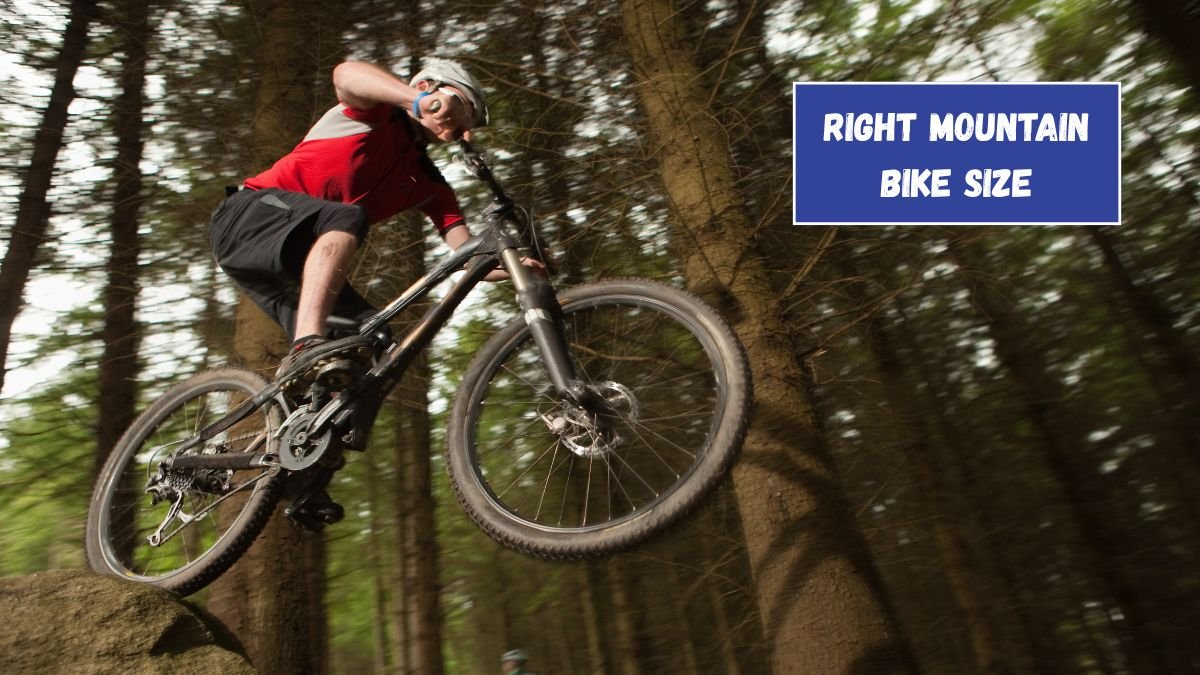
Credit: tablelandcyclesports.com
Frequently Asked Questions
What Features Should I Look For In A Dirt Jump Bike?
Look for a strong, lightweight frame, usually aluminum or chromoly. Suspension is minimal or rigid. Tires are thick and knobby for grip. A single-speed drivetrain and powerful brakes enhance control and durability for jumping.
How Much Does A Quality Dirt Jump Bike Cost?
Quality dirt jump bikes range from $700 to $2,500. Beginner models are affordable, while pro-level bikes cost more due to advanced materials and components. Budget accordingly based on skill level and riding frequency.
Should I Choose A Hardtail Or Full Suspension Bike?
Hardtail bikes are preferred for dirt jumping due to their stiffness and responsiveness. Full suspension adds weight and complexity, which can reduce jumping efficiency. Most riders opt for hardtails for better control on jumps.
What Bike Size Is Best For Dirt Jumping?
Dirt jump bikes usually come in one size with a compact frame. Choose a bike where you can easily reach the handlebars and pedals. Ensure the bike feels comfortable and allows agile maneuvering during jumps.
Conclusion
Choosing the right dirt jump bike matters. Think about your riding style. Consider your budget. Quality and durability are key. Test ride if possible. Check the frame material and size. Don’t forget safety gear. Invest in a good helmet and pads.
Research brands known for reliability. Read reviews from other riders. Stay within your comfort zone. Enjoy the thrill of dirt jumping. Keep learning and improving. Stay safe and have fun! Your perfect bike is out there. Happy riding!



