

Are you looking for the perfect adaptive cycle for your child? Finding the right bike can be a game-changer for your kid’s confidence and independence.
But with so many options out there, it’s easy to feel overwhelmed. You’ll discover simple steps to choose the best adaptive cycle that fits your child’s needs and makes riding fun and safe. Keep reading, because the right bike could open up a whole new world of adventure for your child.
Benefits Of Adaptive Cycles
Adaptive cycles help children with different abilities enjoy riding. These cycles are made to fit their needs. They support growth in many ways.
Using adaptive cycles can improve health and happiness. They give kids a chance to explore and play safely.
Physical Development
Riding adaptive cycles helps children build strength and balance. It improves coordination and muscle control. Kids get exercise that is fun and safe.
- Enhances leg and arm muscles
- Improves core stability
- Boosts cardiovascular health
- Develops motor skills
Emotional Growth
Adaptive cycles give children confidence. They feel proud when they learn to ride. This supports positive self-esteem and independence.
Children often show these emotional benefits:
- Increased happiness
- Reduced anxiety
- Sense of achievement
- Greater motivation
Social Interaction
Adaptive cycles help kids join group activities. They can play with friends and meet new people. This builds social skills and teamwork.
| Social Skill | How Adaptive Cycles Help |
| Communication | Encourages talking while riding in groups |
| Sharing | Learning to take turns with equipment |
| Cooperation | Working together during rides or races |
| Friendship | Making connections through shared activities |
Types Of Adaptive Cycles
Adaptive cycles help children with different needs enjoy riding safely. These cycles come in many styles. Each type supports various abilities and preferences.
Choosing the right adaptive cycle depends on the child’s balance, strength, and control. Understanding the types can guide parents and caregivers.
Tricycles
Tricycles have three wheels and offer good stability. They are easy to ride and help children build confidence. Many come with safety features like seat belts and hand brakes.
Recumbent Bikes
Recumbent bikes have a reclined seat and pedals in front. This design supports the back and reduces strain. They are good for kids who need extra comfort and support.
Handcycles
Handcycles use hand pedals instead of foot pedals. They are ideal for children with limited leg movement. Handcycles help improve upper body strength and coordination.
- Operate with hand cranks
- Available in different sizes
- Some models include adjustable seats
- Can be used indoors or outdoors
Tandem Cycles
| Type | Description | Best For |
| Tandem Tricycle | Two riders, one behind the other, with three wheels | Children needing extra support and an adult partner |
| Tandem Handcycle | Hand-powered cycle for two riders | Kids with limited leg use and a helper |
| Tandem Recumbent | Reclined seats for both riders, pedal power shared | Children requiring back support with a companion |
Key Features To Consider
Choosing the right adaptive cycle for kids needs careful thought. These cycles help children with different abilities enjoy riding safely and comfortably.
Look at important features that affect usability, safety, and comfort. These will make sure the cycle fits the child’s needs well.
Adjustability
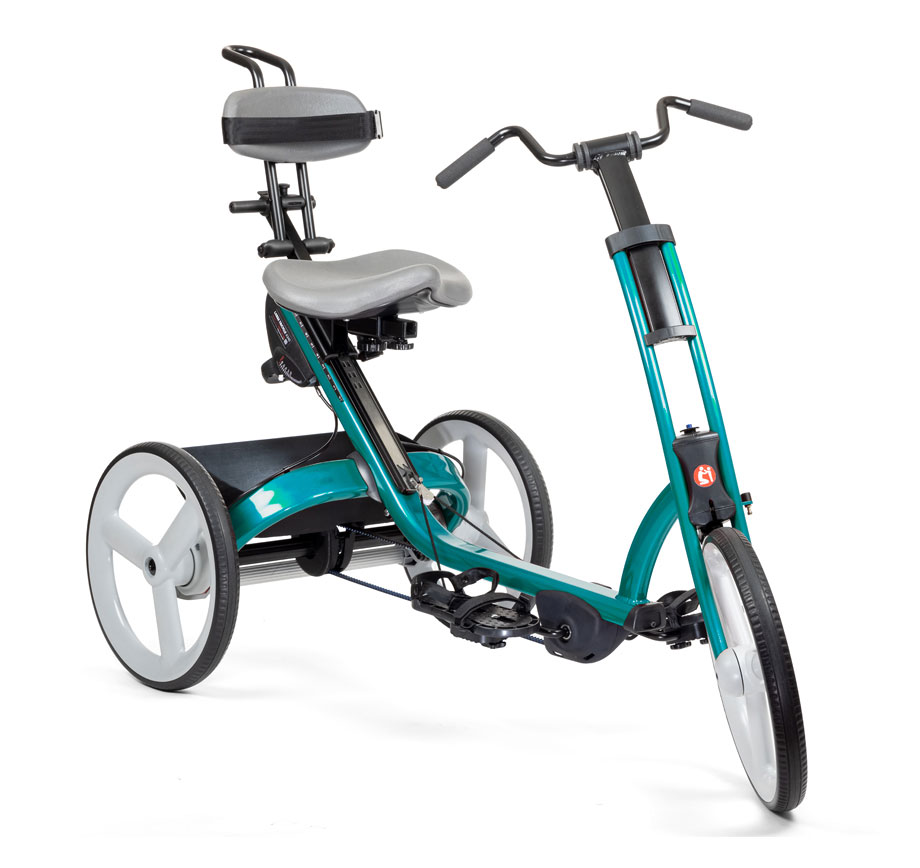
Adjustability lets the cycle grow with the child. Seats, handlebars, and pedals should move easily to fit different sizes. This helps the child ride longer and stay comfortable.
- Seat height and angle adjustment
- Handlebar reach and height changes
- Pedal position options
- Easy to adjust without tools
Safety Components
Safety is key for kids using adaptive cycles. Look for secure brakes, stable frames, and protective gear mounts. These parts help keep the child safe during rides.
| Feature | Description |
| Brakes | Easy to use and reliable stopping power |
| Frame | Strong and stable to prevent tipping |
| Harness or straps | Keep the child securely in place |
| Reflectors or lights | Improve visibility in low light |
Comfort And Support
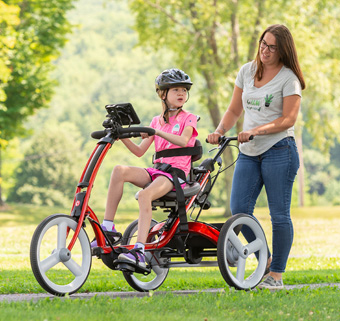
Comfort helps children enjoy riding longer. Look for padded seats and backrests. Supportive designs reduce strain and improve posture.
Adjustable cushions and soft grips add extra comfort. Proper support helps children feel safe and relaxed while cycling.
Weight And Durability
Lightweight cycles are easier for kids to handle and for parents to carry. Check the weight before buying. Strong materials make the cycle last longer.
- Look for aluminum or strong steel frames
- Check for rust-resistant finishes
- Choose lightweight parts without losing strength
- Easy to clean and maintain materials
Credit: www.rifton.com
Sizing And Fit
Choosing the right size adaptive cycle for your child is important. A good fit helps your child ride safely and comfortably.
This guide covers how to measure your child, plan for growth, and explore customization options for adaptive cycles.
Measuring Your Child
Measure your child’s height and inseam to find the right cycle size. These two numbers help match the bike frame and seat height.
- Have your child stand straight against a wall.
- Measure height from floor to the top of the head.
- Measure inseam from crotch to the floor.
- Use a tape measure for accuracy.
- Note these numbers for bike fitting charts.
Growth Accommodation
Kids grow fast, so choose an adaptive cycle that adjusts to their size. Adjustable seats and handlebars extend the bike’s use.
| Feature | Adjustment Range | Benefit |
| Seat Height | 12 to 18 inches | Fits different leg lengths |
| Handlebar Height | 15 to 20 inches | Supports comfort as child grows |
| Frame Size | Small to Medium | Accommodates body size changes |
Customization Options
Custom parts improve fit and comfort. Options include pedal types, seat styles, and support features.
- Pedals with straps for better foot hold
- Memory foam seats for extra comfort
- Supportive harnesses for stability
- Handlebar grips shaped for small hands
Budgeting For Adaptive Cycles
Adaptive cycles help children with special needs enjoy riding. They come in different styles and prices. Planning a budget is important to find the right one.
This guide explains how to budget for adaptive cycles. It covers price ranges, insurance options, and secondhand choices.
Price Ranges
Adaptive cycles vary in price based on features and size. Basic models cost less, while custom-made cycles are more expensive.
Prices usually range from a few hundred to several thousand dollars. It helps to set a clear budget before shopping.
- Basic adaptive cycles: $300 – $700
- Mid-range cycles with extra features: $700 – $1,500
- High-end or custom cycles: $1,500 – $5,000+
Insurance And Funding
Some insurance plans cover part or all of adaptive cycle costs. It depends on the child’s medical needs and policy details.
Funding may be available through grants, charities, or government programs. Families should check with local resources for help.
- Contact your insurance provider to ask about coverage
- Look for grants that support adaptive equipment
- Ask therapists or doctors about funding options
- Check local disability organizations for aid
Secondhand Options
Used adaptive cycles can lower costs. They may need repairs or adjustments before use.
Buying secondhand requires careful checking. Make sure the cycle fits the child and is in good condition.
- Search online marketplaces for used cycles
- Ask local therapy centers if they know sellers
- Inspect the cycle for safety and wear
- Confirm the cycle can be adjusted or repaired
Credit: www.rifton.com
Top Brands And Models In 2025
Adaptive cycles help kids with different needs enjoy biking. These bikes offer support and fun. Choosing the right brand and model matters a lot.
In 2025, many brands bring new designs and features. This guide shows popular choices, smart designs, and real customer feedback.
Popular Choices
Some brands stand out for quality and care. They make bikes that fit kids well and last long.
- Strider Adaptive Series – Known for balance and safety.
- Rifton Adaptive Tricycles – Offers stability and comfort.
- Specialized Hotrock Adaptive – Good for off-road fun.
- Huffy Kids Adaptive Bikes – Affordable and easy to use.
- Inspired Cycle Engineering (ICE) Trikes – Customizable options.
Innovative Designs
New models include features that help kids ride better. Adjustable seats and easy controls are common.
| Feature | Description | Example Model |
| Adjustable Frame | Fits kids as they grow | Strider Adaptive Series |
| Supportive Seating | Provides extra back and side support | Rifton Adaptive Tricycles |
| Easy Brakes | Simple hand or foot brakes for safety | Specialized Hotrock Adaptive |
| Lightweight Materials | Helps kids pedal with less effort | Huffy Kids Adaptive Bikes |
| Custom Accessories | Extra parts for specific needs | ICE Trikes |
Customer Reviews
Parents and kids share their thoughts on these cycles. Many say the right bike improves confidence and joy.
- “My son loves the Strider bike. It is easy to ride and very safe.”
- “The Rifton trike helped my daughter with balance. It is very sturdy.”
- “Specialized Hotrock works great on trails. My kid enjoys outdoor rides.”
- “Huffy bikes are budget-friendly and good for beginners.”
- “ICE trikes fit my child perfectly. The custom parts make a big difference.”
Where To Buy Adaptive Cycles
Adaptive cycles help kids with special needs enjoy riding safely. Finding the right place to buy these cycles is important. This guide covers places to find adaptive cycles for children.
There are several options available, including specialty stores, online retailers, and local therapy centers. Each option offers different benefits for choosing the best adaptive cycle.
Specialty Stores
Specialty stores focus on adaptive equipment and mobility aids. They offer expert advice and allow you to see the cycles in person. Staff can help match the cycle to your child’s needs.
- Try out different models before buying
- Get professional fitting and adjustments
- Find cycles designed for specific disabilities
- Access repair and maintenance services
Online Retailers
Online retailers offer a wide range of adaptive cycles. You can compare prices and read reviews from other buyers. Many websites provide detailed product descriptions and videos.
| Retailer | Features | Shipping |
| AdaptiveCycleShop.com | Custom options, expert support | Free over $100 |
| KidsMobilityGear.net | Wide selection, easy returns | Standard charges apply |
| SpecialNeedsBikes.org | Therapist recommended models | Fast shipping available |
Local Therapy Centers
Local therapy centers sometimes offer adaptive cycles for sale or rent. Therapists can help select the best cycle for your child’s therapy goals. These centers may also have demo cycles for trial use.
Benefits of buying from therapy centers:
- Personalized advice from therapists
- Access to trials before purchase
- Possible rental options for short term use
- Connections to support groups and resources
Maintenance And Safety Tips
Adaptive cycles for kids need regular care to stay safe and fun. Proper maintenance helps avoid accidents and keeps the cycle working well.
Following simple safety tips protects your child while they enjoy riding their adaptive cycle.
Regular Inspections
Check the cycle before every ride. Look for loose bolts, worn tires, and brake function. Make sure the seat and handlebars are tight and adjusted for your child.
- Test the brakes to ensure they stop the cycle smoothly.
- Look for cracks or damage on the frame and wheels.
- Check tire pressure and inflate if needed.
- Make sure pedals spin freely without noise.
Cleaning And Upkeep
Keep the adaptive cycle clean to prevent rust and wear. Dirt can block moving parts and cause damage over time.
| Task | Frequency |
| Wipe down frame and seat | After every ride |
| Lubricate chain and pedals | Every 2 weeks |
| Check tire pressure | Weekly |
| Inspect brakes | Weekly |
Safe Riding Practices
Teach your child safe habits to avoid injuries. Always use a helmet and bright clothing. Ride in safe areas away from traffic.
- Wear a properly fitted helmet every time.
- Use knee and elbow pads for extra protection.
- Ride with adult supervision at all times.
- Stay on designated paths or bike lanes.
- Practice stopping and turning in a safe spot.
Credit: www.rifton.com
Frequently Asked Questions
What Are Adaptive Cycles For Kids?
Adaptive cycles are specially designed bikes that help children with mobility challenges. They offer stability and support for safe riding. These cycles improve balance and build confidence, allowing kids to enjoy outdoor activities independently.
Where Can I Buy Adaptive Cycles For Children?
Adaptive cycles can be purchased at specialized bike shops, online stores, and therapy centers. Look for brands offering customizable options and proper sizing. Always check for reviews and consult with experts to find the best fit for your child.
How Do Adaptive Cycles Benefit Kids With Disabilities?
Adaptive cycles enhance physical strength, coordination, and social interaction. They provide therapeutic benefits and encourage active play. Riding these cycles promotes independence and boosts self-esteem in children with special needs.
What Features Should I Look For In Adaptive Cycles?
Key features include adjustable seats, sturdy frames, safety harnesses, and easy-to-use brakes. Look for cycles that accommodate your child’s specific needs and growth. Comfort and durability are essential for long-term use.
Conclusion
Adaptive cycles bring joy to children with special needs. They offer independence. Choosing the right cycle can transform a child’s experience. Make sure to consult professionals for the best advice. Take your time exploring available options. Safety features should be a top priority.
Test rides help in making better decisions. Involve your child in the selection process. This ensures the cycle suits their needs. Investing in an adaptive cycle enhances their life quality. It also encourages physical activity and social interaction. These small steps lead to a happier, more active child.
Let them enjoy the thrill of cycling!



