
Getting ready for a dirt jump bike session at a dirt park is more than just showing up with your bike. If you want to jump higher, land smoother, and stay safe, preparing your bike and yourself is key.
In this guide, you’ll discover simple steps to make sure your bike is in top shape and your body is ready to tackle those jumps. Whether you’re new or experienced, these tips will help you boost your confidence and enjoy every moment at the park.
Keep reading, and get ready to take your dirt jump skills to the next level!
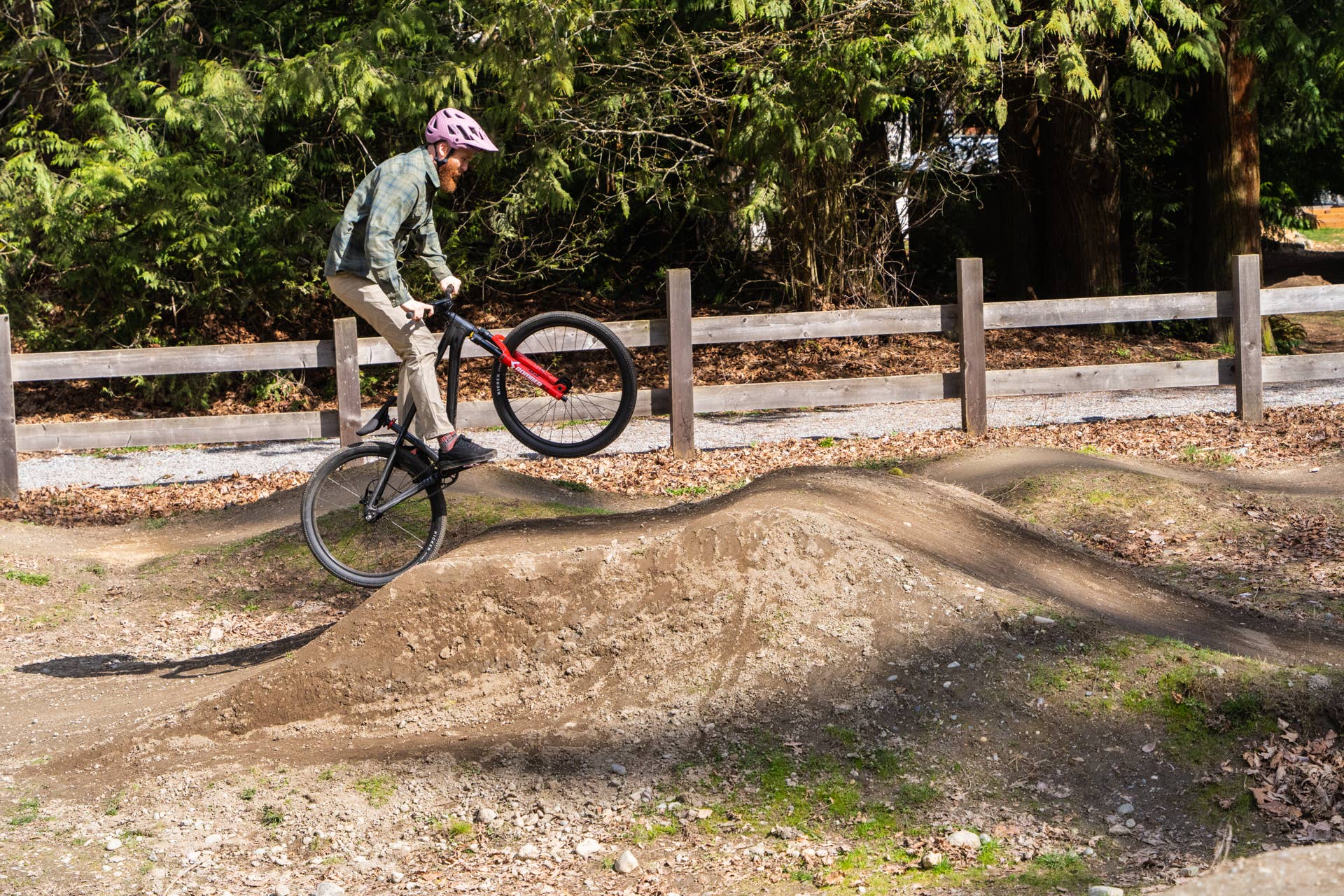
Credit: www.bikemag.com
Choosing The Right Dirt Jump Bike
Picking the right dirt jump bike is key for riding safely and having fun. The right bike fits your style and the dirt park’s challenges.
Understanding bike parts helps you make a good choice. This guide covers important features to check before buying.
Frame Types And Materials
Dirt jump bike frames come in different materials. Each material changes how the bike feels and lasts.
Steel frames are strong and affordable. Aluminum frames are light and stiff. Carbon frames are very light but cost more.
- Steel: Durable and absorbs shocks well
- Aluminum: Lightweight and stiff for better control
- Carbon: Lightest but expensive and less common
Suspension Options
Many dirt jump bikes use no suspension or just front suspension. This keeps the bike light and easy to control.
Full suspension bikes are rare in dirt jumping. They add weight and can reduce the feel needed for tricks.
- No suspension: Simple and light, best for smooth dirt parks
- Front suspension: Helps absorb small bumps and drops
- Full suspension: Usually not needed for dirt jumping
Wheel Size Considerations
Wheel size affects how the bike handles jumps and landings. Common sizes are 26, 27.5, and 29 inches.
Smaller wheels are easier to maneuver. Larger wheels roll better over obstacles but can be less nimble.
- 26-inch wheels: Quick and agile, good for tight parks
- 27.5-inch wheels: Balance between speed and control
- 29-inch wheels: Smooth ride but harder to turn fast
Brake Systems
Strong brakes are important for control and safety. Most dirt jump bikes use disc brakes for better stopping power.
Disc brakes work well in mud and dirt. Rim brakes are lighter but less reliable in tough conditions.
- Hydraulic disc brakes: Powerful and easy to modulate
- Mechanical disc brakes: Less expensive but still strong
- Rim brakes: Light but less effective in dirt and wet conditions
Essential Safety Gear
Dirt jumping is an exciting bike sport. Using the right safety gear keeps you safe. Gear protects your body during falls and crashes.
Prepare your gear before riding. Wearing proper safety equipment lowers injury risks.
Helmet Selection
Choose a helmet made for dirt jumping or mountain biking. It should fit snugly and cover your head well. A good helmet protects your skull and face.
Look for helmets with full-face protection for extra safety. Check if the helmet meets safety standards like CPSC or ASTM.
Protective Pads And Gloves
Wear knee pads and elbow pads to protect joints from impact. Choose pads with hard shells and soft padding inside. They absorb shocks during falls.
Gloves improve grip and protect hands from scrapes. Pick gloves with padding on the palms and breathable fabric.
- Knee pads with adjustable straps
- Elbow pads with flexible protection
- Full-finger gloves with padded palms
Clothing For Comfort And Protection
Wear clothes that cover your arms and legs. Long sleeves and pants reduce skin cuts and scratches. Use breathable fabrics to stay cool.
Choose clothes that fit well but allow movement. Avoid loose items that can catch on bike parts or branches.
Footwear Tips
Wear sturdy shoes with good grip. Flat soles help keep your feet on the pedals. Avoid slippery or soft-soled shoes.
Choose shoes that protect your toes and offer ankle support. This lowers the chance of foot injuries.
Preparing The Dirt Jump Park
Preparing a dirt jump park takes careful planning and work. The right setup makes riding safer and more fun. This guide covers key steps for park preparation.
Focus on the terrain, jumps, landing zones, and clear trail markings. Each part needs attention to keep the park in good shape.
Assessing The Terrain
Start by checking the land where you want to build. Look for flat areas and natural slopes. Avoid places that flood or erode easily. Make sure the ground is firm and stable.
Clear rocks, roots, and debris. This helps prevent accidents and keeps the park safe for all riders.
Building And Maintaining Jumps
Good jumps have smooth shapes and solid bases. Use dirt that packs well and shape each jump carefully. Keep the takeoff and landing smooth to avoid crashes.
- Use a shovel and rake to shape the jump
- Pack the dirt tightly after each build
- Check jumps regularly for cracks or loose dirt
- Fix any damage quickly to keep jumps safe
Creating Safe Landing Zones
Landing zones must be soft but firm. Remove rocks and roots from these areas. Make the landing slopes smooth and angled to absorb impact. Avoid hard or uneven surfaces.
| Landing Zone Aspect | Description |
| Surface | Firm dirt, no rocks or roots |
| Slope | Gentle, smooth angle to reduce impact |
| Size | Large enough for safe landing |
| Drainage | Good drainage to avoid mud |
Trail Marking And Signage
Mark trails clearly so riders know the path and jumps ahead. Use bright signs or paint on trees and posts. Signage helps prevent confusion and accidents.
- Place signs at trail starts and junctions
- Use arrows to show jump directions
- Include warnings for difficult sections
- Check signs often and replace damaged ones

Credit: alpkit.com
Bike Maintenance Before Riding
Preparing your dirt jump bike before hitting the dirt park is important. Proper maintenance keeps you safe and your bike working well.
Check key parts of your bike before every ride. This helps avoid problems while riding and improves your performance.
Checking Tire Pressure
Make sure your tires have the right pressure before you ride. Too much or too little air can cause poor handling or damage.
Use a tire pressure gauge to check. Inflate or deflate tires to the recommended pressure on the sidewall.
- Check tire pressure when tires are cold
- Adjust pressure based on dirt and weather
- Use a reliable air pump or compressor
Inspecting Brakes And Cables
Brakes must work well to stop safely. Look at brake pads, cables, and levers before riding.
Check if brake pads are worn down. Make sure cables are not frayed or loose. Test brake levers for smooth action.
- Replace worn brake pads promptly
- Tighten or replace damaged cables
- Ensure brakes stop the bike firmly
Lubricating Chains
A clean and lubricated chain helps your bike run smoothly. It also prevents rust and wear.
Clean the chain with a brush or cloth. Apply bike chain lubricant evenly and wipe off extra oil.
- Use lubricant made for bike chains
- Lubricate after cleaning the chain
- Do this regularly for longer chain life
Tightening Bolts And Components
Loose bolts can cause parts to move or fall off. Check all bolts and parts before riding.
Use the right tools to tighten bolts on the handlebars, seat, wheels, and brakes. Do not overtighten.
- Check bolts on stem, handlebars, and seat post
- Inspect wheel axle nuts and brake mounts
- Tighten bolts to the recommended torque
Pre-ride Warm-up And Stretching
Warming up before dirt jumping helps your body get ready. It reduces injury risk and improves your ride.
Stretching keeps your muscles flexible. It makes jumping and landing smoother and safer.
Dynamic Stretching Exercises
Dynamic stretches move your muscles gently. They raise blood flow and loosen tight areas before riding.
- Leg swings front to back and side to side
- Arm circles to warm shoulder joints
- Walking lunges to stretch hips and legs
- High knees to activate your core and legs
Joint Mobility Drills
Joint drills help move your bike-related joints fully. They prepare your knees, ankles, hips, and wrists for the ride.
- Circle your ankles clockwise and counterclockwise
- Rotate your knees by bending and straightening
- Do hip circles to loosen your hips
- Twist your wrists gently in both directions
Mental Preparation Techniques
Getting ready mentally helps you focus and stay calm on the dirt jumps. It builds confidence and sharpens your mind.
- Take deep, slow breaths to relax your body
- Visualize your jumps and smooth landings
- Set small goals for each run
- Use positive self-talk to boost confidence
Riding Techniques For Safety
Dirt jumping requires skill and control to stay safe. Good riding techniques help you avoid accidents. Focus on your body and bike handling to enjoy the park safely.
Learn how to position your body, control your speed, land correctly, and handle obstacles. These tips reduce injury risks and improve your riding experience.
Body Positioning On Jumps
Keep your body loose but balanced while jumping. Bend your knees and elbows to absorb shocks. Stay centered over the bike to maintain control in the air.
Look ahead, not down, to prepare for the landing. Use your arms and legs as natural shock absorbers to reduce impact on your body.
Speed Control Tips
- Approach jumps at a steady, comfortable speed.
- Use your brakes gently to adjust speed before takeoff.
- Avoid sudden braking, which can cause loss of control.
- Practice smooth acceleration after landing to stay balanced.
Landing Strategies
| Landing Tip | Reason |
| Land with both wheels at the same time | Keeps bike stable and reduces bounce |
| Keep knees bent | Absorbs shock and protects joints |
| Lean slightly back | Prevents going over the handlebars |
| Look forward after landing | Prepares you for the next move |
Handling Common Obstacles
Obstacles like rocks, roots, and uneven ground require careful navigation. Slow down before reaching the obstacle. Keep your eyes on the path to choose the best line.
- Lift your front wheel to clear small obstacles
- Shift your weight back slightly on drops
- Use your legs as suspension to absorb bumps
- Practice riding over small obstacles before bigger ones
Emergency Preparedness
Dirt jumping can be risky. Preparing for emergencies helps keep you safe. Knowing what to do in a crisis is important.
This guide covers key steps to be ready in a dirt park. Focus on first aid, contact plans, and injury signs.
First Aid Essentials
Carry a basic first aid kit when you dirt jump. It should have supplies for cuts, scrapes, and bruises.
Include bandages, antiseptic wipes, pain relievers, and gloves. Know how to use each item safely.
- Adhesive bandages in various sizes
- Antiseptic wipes or cream
- Gauze pads and medical tape
- Disposable gloves
- Pain relief medication
- Small scissors and tweezers
Emergency Contact Plan
Always have a plan to contact help quickly. Share your location with a friend or family member.
Keep phone numbers of emergency services and close contacts saved. Know the nearest hospital or clinic.
- Save emergency numbers on your phone
- Tell someone your riding location
- Use a GPS app for exact location
- Know the fastest route to medical help
Recognizing Injury Signs
Learn to spot signs of injury early. This helps you act fast and avoid worse problems.
Watch for pain, swelling, bleeding, or dizziness. Get help if someone feels confused or cannot move.
- Severe pain or swelling
- Heavy bleeding that won’t stop
- Loss of feeling or movement
- Dizziness or fainting
- Confusion or trouble speaking
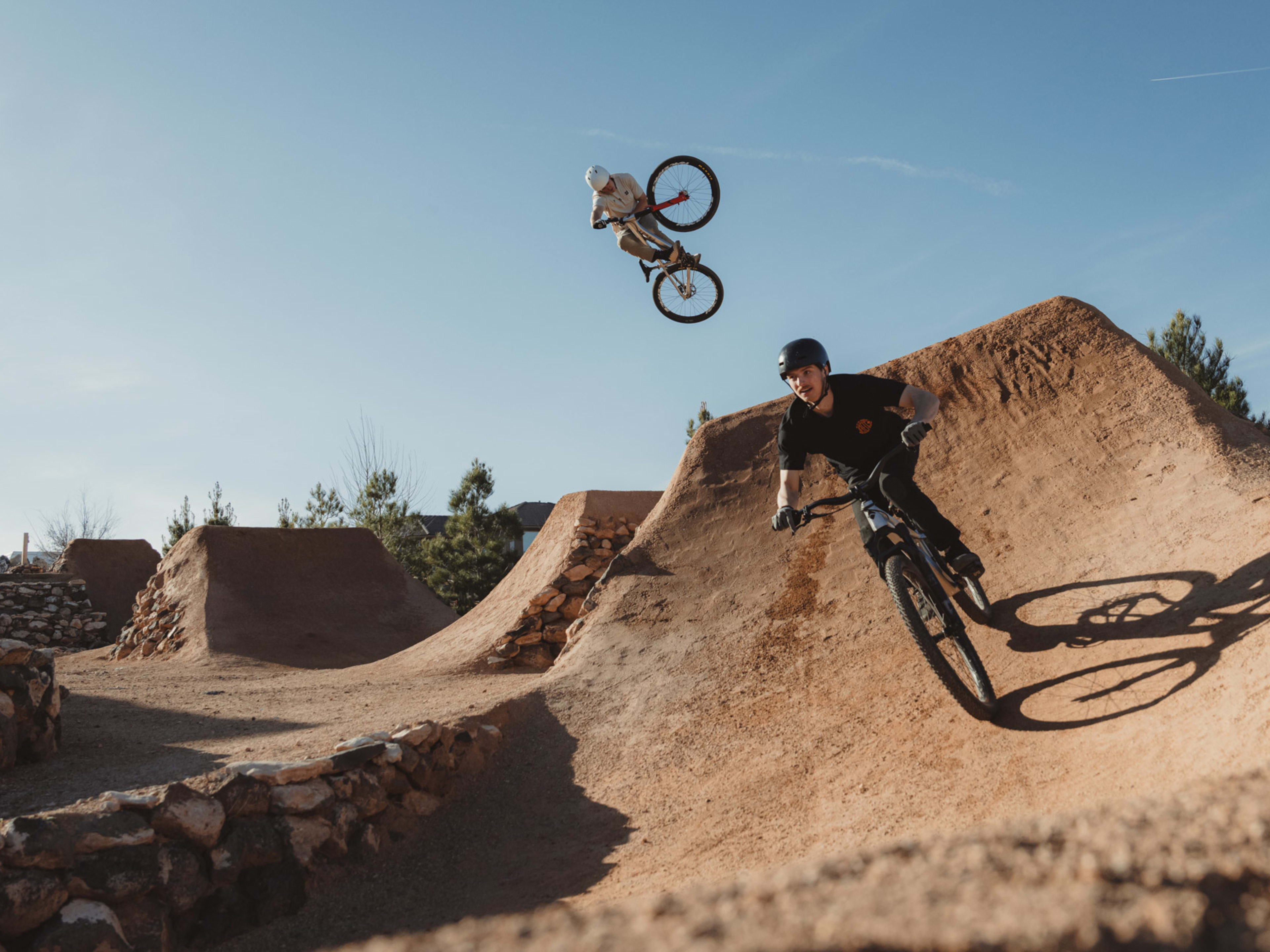
Credit: www.bikemag.com
Community And Park Etiquette
When preparing for dirt jump bike sessions at a dirt park, knowing how to act in the community is very important. Following good manners helps keep the park safe and fun for everyone.
Respecting the space and other riders creates a positive environment. This guide covers key points about sharing trails, park rules, and talking with others.
Sharing The Trails
Always be aware of others on the trails. Wait your turn if someone is using a jump or trail. Do not block paths or jumps for long times.
Ride at a safe speed and watch for riders coming from behind. Give space to slower or less experienced riders.
- Wait before entering a jump line
- Pass only when it is safe
- Keep a safe distance from others
- Be patient and polite
Respecting Park Rules
Every dirt park has specific rules. Follow them to protect the trails and the riders. Rules often include where to ride and how to maintain jumps.
Do not damage trails or build unauthorized jumps. Clean up trash and report any problems to park staff or community leaders.
- Follow posted park rules
- Use trails and jumps as designed
- Do not make new trails without permission
- Keep the park clean
Communicating With Other Riders
Talking clearly and kindly helps avoid accidents. Use hand signals or call out before starting a jump. Let others know your intentions.
Be friendly and share tips if asked. Listen to others and respect different skill levels. Good communication builds a strong riding community.
- Call out before jumping or passing
- Use hand signals when needed
- Be polite and listen
- Help new riders with advice
Frequently Asked Questions
What Equipment Is Essential For Dirt Jump Bike Park Preparation?
Essential equipment includes a well-maintained dirt jump bike, helmet, gloves, knee pads, and a pump. Also, bring tools for bike adjustments and safety gear. Proper protective gear ensures safety during jumps and landings in the dirt park.
How To Choose The Best Dirt For Bike Park Jumps?
Choose compact, well-draining dirt with some clay content. Avoid loose sand or overly wet soil. Proper dirt ensures stable jumps and reduces risk of crashes and trail erosion.
What Steps Ensure Safe Dirt Jump Park Setup?
Clear debris, shape jumps with smooth takeoffs and landings, and compact dirt firmly. Regularly inspect jumps for wear or damage. Safety ensures a fun and injury-free riding experience.
How Often Should Dirt Jumps Be Maintained?
Maintain jumps weekly or after heavy use and rain. Regular maintenance includes reshaping, compacting, and repairing. This keeps jumps safe and rideable.
Conclusion
Preparing for dirt jumping is both exciting and essential. Proper preparation ensures a safe and fun experience. Start with the right gear and maintain your bike well. Practice regularly to build confidence. Pay attention to weather and dirt conditions for optimal performance.
Always warm up before hitting the park. Keep safety gear handy. Listen to your body and rest when needed. Enjoy the thrill of dirt jumping while staying cautious. Happy riding, and remember: safety first!



