
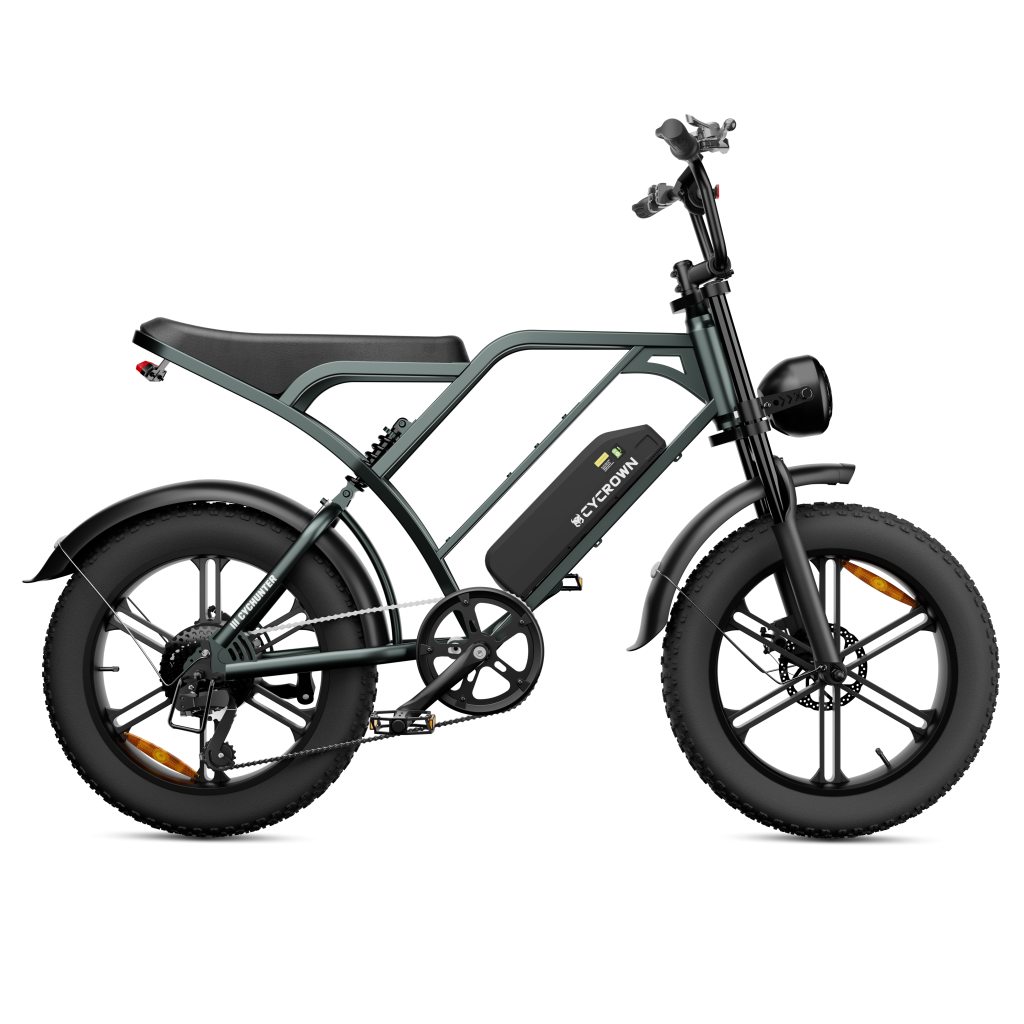
Choosing the right bike for your next bikepacking trip can make all the difference in how much you enjoy the ride. You might be wondering whether to go with an e-bike or stick to a manual bike.
Each has its own perks and challenges, and the choice affects everything from your speed and effort to how far you can travel. You’ll discover the key factors to consider so you can pick the bike that fits your style, goals, and adventure plans perfectly.
Keep reading to find out which option will make your bikepacking experience smoother and more exciting.
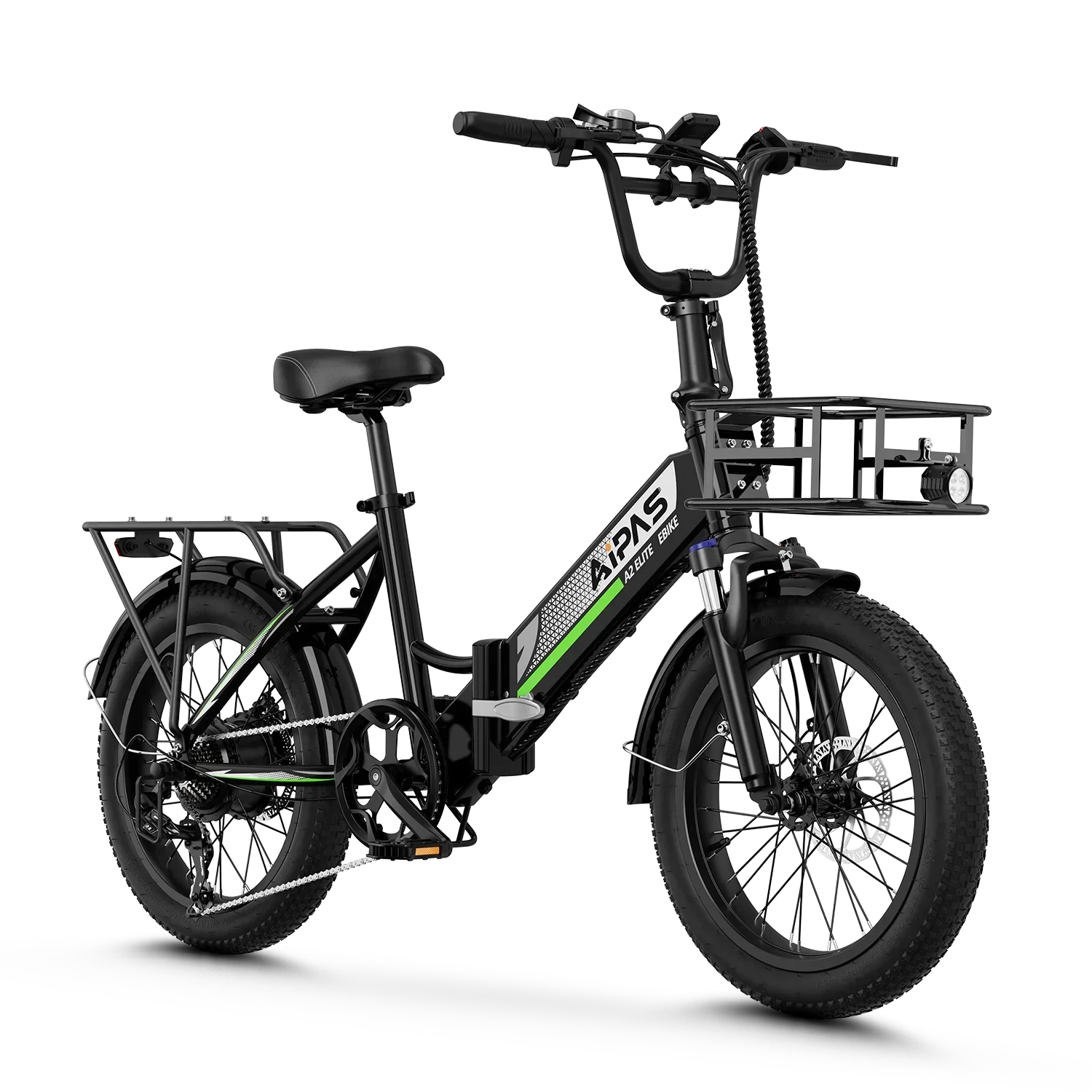
Credit: aipasbike.com
E-bikes Vs Manual Bikes
Choosing the right bike for bikepacking is important. You can pick either an e-bike or a manual bike. Both have their own features and benefits.
This guide will help you understand the differences and decide which bike fits your needs best.
Key Differences
| Feature | E-Bikes | Manual Bikes |
|---|---|---|
| Power Source | Electric motor with battery | Human pedaling only |
| Weight | Heavier due to motor and battery | Lighter and easier to carry |
| Range | Limited by battery life | Depends on rider stamina |
| Speed | Can go faster with less effort | Speed depends on rider’s power |
| Cost | More expensive upfront and to maintain | Generally cheaper to buy and fix |
Pros Of E-bikes
- Make pedaling easier on hills and long rides
- Allow you to carry heavier loads with less effort
- Help riders with less fitness enjoy bikepacking
- Can cover longer distances faster
- Reduce fatigue on tough trails
E-bikes are good if you want help with tough terrain or if you carry a lot of gear. They can keep your energy up during long trips.
Pros Of Manual Bikes
- Lighter weight makes them easy to carry or push
- Less expensive to buy and repair
- Require no charging or batteries
- Offer full control over your speed and effort
- Better for fitness and endurance building
Manual bikes are simple and reliable. They work well in remote places with no power sources. They also help build strength and stamina.
Factors To Consider
Choosing between e-bikes and manual bikes for bikepacking depends on many factors. These factors help you pick the best bike for your trip.
Think about where you will ride, how far you will go, your fitness, and your budget. These points can guide your decision.
Terrain And Route
The type of terrain affects your bike choice. E-bikes work well on hilly or rough paths. They give extra power to climb and ride easily.
Manual bikes suit flat or smooth routes. They are lighter and easier to fix if something breaks.
Distance And Duration
Longer rides or multi-day trips can be tough on a manual bike. E-bikes help cover more distance with less effort.
- Short trips: manual bikes save weight and cost.
- Long trips: e-bikes reduce fatigue and increase range.
- Multi-day rides: e-bikes help carry heavier loads with ease.
Physical Fitness
Your fitness level matters. If you are fit, a manual bike can give good exercise. E-bikes assist when strength is low or stamina is limited.
Some riders choose e-bikes to enjoy longer rides without overexertion. Others prefer manual bikes for the workout and challenge.
Budget Constraints
| Bike Type | Average Cost | Maintenance Cost |
| Manual Bike | $300 – $1500 | Low |
| E-Bike | $1500 – $5000+ | Moderate to High |
Manual bikes cost less to buy and maintain. E-bikes are pricier but offer motor assistance.
Think about your budget for buying and maintaining the bike before choosing.
Performance And Range
Choosing between e-bikes and manual bikes for bikepacking depends on performance and range. Both have strengths that suit different riders and trips.
Understanding battery life, speed, and weight will help you pick the right bike for your adventure.
Battery Life And Charging
E-bikes run on batteries that need charging. Battery life affects how far you can ride on electric power alone.
Manual bikes do not need charging, but e-bikes require planning for battery use and recharging stops.
- E-bike batteries last 30 to 70 miles per charge
- Charging time ranges from 3 to 6 hours
- Carrying extra batteries can extend your range
- Manual bikes can keep going as long as you have energy
Speed And Assistance Levels
E-bikes provide pedal assistance that makes riding easier and faster. You can adjust the help level to save energy or go faster.
Manual bikes rely on your pedaling power. Speed depends on your fitness and terrain.
- E-bikes offer multiple assistance levels
- Higher assistance means less effort and more speed
- Manual bikes require full effort for speed
- Both types can reach similar top speeds on flat roads
Weight And Handling
E-bikes are heavier due to batteries and motors. This weight affects how easy they are to carry and control on rough trails.
Manual bikes are lighter and easier to handle, especially on steep or technical terrain.
- E-bikes weigh 40 to 70 pounds
- Manual bikes weigh 20 to 30 pounds
- Heavier bikes can be harder to lift or fix on the trail
- Lighter bikes offer better maneuverability

Credit: ride1up.com
Bikepacking Gear Compatibility
Choosing between e-bikes and manual bikes for bikepacking depends on gear compatibility. Your bike must fit your gear needs to have a good trip.
Different bikes handle gear in different ways. This guide helps you compare e-bikes and manual bikes for carrying your bikepacking gear.
Carrying Capacity
Manual bikes often have simpler frames that allow many types of bags. They can carry large loads if you use the right racks and bags.
E-bikes have batteries and motors that take space. This can limit how much gear you can carry on the frame.
- Manual bikes usually support heavier loads on racks.
- E-bikes need careful packing to avoid blocking the battery or motor.
- Check weight limits on both bike types to avoid damage.
Mounting Options
Manual bikes have many mounting points for racks, bags, and cages. This makes it easy to attach gear where you want.
E-bikes sometimes have fewer mounting points. The battery and wiring can block spots where you normally mount gear.
- Manual bikes offer more places to attach frame bags and racks.
- E-bikes may require special mounts or smaller bags.
- Look for e-bike models with bikepacking-friendly designs.
Durability And Maintenance
Manual bikes have fewer parts to maintain. Their simple design means less can go wrong on long trips.
E-bikes need battery and motor care. This adds maintenance tasks and possible repair issues during bikepacking.
- Manual bikes are easier to fix with basic tools.
- E-bikes need special tools and knowledge for electric parts.
- Plan for battery charging options if you choose an e-bike.
Legal And Environmental Aspects
Choosing between e-bikes and manual bikes for bikepacking involves more than just comfort. You need to understand the legal rules and environmental effects of each type.
Knowing these details helps you respect nature and follow local laws while enjoying your adventure.
Trail Access Rules
Many places have special rules about which trails e-bikes can use. Some trails allow only manual bikes to protect the environment.
Check local trail signs or websites before you ride. Using an e-bike on restricted trails can lead to fines or being asked to leave.
- E-bikes may be banned on certain singletrack trails
- Manual bikes usually have fewer restrictions
- Some parks require special permits for e-bikes
- Rules can vary by state, park, or country
Environmental Impact
Manual bikes have a low impact on nature because they use human power only. They cause less soil damage and noise.
E-bikes use batteries and motors. They can cause more wear on trails if riders go faster or ride more often.
- Manual bikes do not need electricity or batteries
- E-bike batteries need proper recycling
- E-bikes might encourage longer rides, affecting trails
- Riding gently helps protect plants and animals
Safety Considerations
E-bikes can reach higher speeds with less effort. This may increase the risk of accidents on narrow or crowded trails.
Manual bikes allow riders to control speed easily. This can make riding safer on rough or steep paths.
- Wear helmets and protective gear on all bikes
- Adjust speed to trail conditions and your skill level
- Be aware of other trail users, like hikers and horses
- Practice braking and handling before long rides
Personal Preferences
Choosing between e-bikes and manual bikes for bikepacking depends on what you like. Your personal taste helps pick the right bike.
Think about how you ride, your skill level, and what you want to do on your trips.
Riding Experience
Your past bike trips shape what bike fits you best. If you enjoy easy rides, an e-bike can help.
If you like the challenge of pedaling hard, a manual bike suits you more.
- E-bikes reduce effort on tough paths
- Manual bikes offer pure riding feel
- Experience with long rides favors manual bikes
Skill Level
Your riding skill affects which bike you choose. Beginners may find e-bikes easier to handle.
Experienced riders often prefer manual bikes for full control and exercise.
- New riders get help from pedal assist on e-bikes
- Manual bikes require more strength and balance
- Skill growth is faster on manual bikes
Adventure Goals
Your trip plans matter. If you want to cover long distances, an e-bike can save energy.
For slow, nature-focused trips, manual bikes help you connect with your surroundings.
- E-bikes suit long or hilly routes
- Manual bikes work well on rough or simple trails
- Choose based on how fast and far you want to go
Making The Right Choice
Choosing between an e-bike and a manual bike for bikepacking can be tricky. Both have good points and challenges. Your decision affects your comfort and trip enjoyment.
Consider how you will ride, your fitness, and the trip length. Think about the terrain and how much gear you will carry. These details help you pick the right bike.
Testing Both Options
Try riding both an e-bike and a manual bike before your trip. This helps you feel the difference in effort and speed. Test on different surfaces if possible.
Notice how each bike handles weight and hills. Pay attention to how long you can ride without getting tired. Testing shows what fits your style best.
Budgeting For The Trip
Plan your budget carefully. E-bikes often cost more upfront and need battery charging gear. Manual bikes have fewer parts but may need more maintenance.
Consider costs for repairs, accessories, and transport. Keep some money for unexpected needs. Budgeting well avoids stress during your trip.
- Price of bike and gear
- Maintenance and repairs
- Battery charging needs (for e-bikes)
- Transport and storage costs
Planning Your Route
Choose a route that matches your bike choice. E-bikes help on long or steep routes. Manual bikes work well on flatter or shorter paths.
Check the terrain type and distance. Think about stops for rest and charging if using an e-bike. Planning helps avoid surprises and keeps you safe.
- Map out distance and elevation
- Locate charging stations for e-bikes
- Plan rest stops and overnight spots
- Consider weather and trail conditions

Credit: fucarebike.com
Frequently Asked Questions
What Are The Main Benefits Of E-bikes For Bikepacking?
E-bikes offer motor assistance, making long rides easier and less tiring. They help tackle hills and rough terrain efficiently. E-bikes can increase travel distance and reduce physical strain, ideal for extended bikepacking trips.
How Do Manual Bikes Compare To E-bikes In Durability?
Manual bikes are generally simpler and have fewer electronic parts. This makes them easier to maintain and repair on the trail. They tend to be lighter and more durable in rough conditions compared to e-bikes.
Are E-bikes More Expensive Than Manual Bikes For Bikepacking?
Yes, e-bikes usually cost more upfront due to motors and batteries. Maintenance and repairs can also be pricier. Manual bikes offer a budget-friendly option without compromising on adventure quality.
Can Battery Life Limit E-bike Bikepacking Trips?
Battery life is a key consideration for e-bike trips. Most batteries last 40-70 miles per charge depending on usage. Planning routes with charging options is essential for longer bikepacking adventures.
Conclusion
Choosing between e-bikes and manual bikes depends on your preferences. E-bikes offer ease on long journeys and hilly terrains. They can help you cover more ground with less effort. Manual bikes, on the other hand, provide a traditional and more physically engaging experience.
They are perfect for those who enjoy the challenge of pedaling. Consider distance, terrain, and personal fitness when deciding. Both options have their unique benefits for bikepacking adventures. Balance your needs with the bike’s features. Make your choice and enjoy the ride!



