
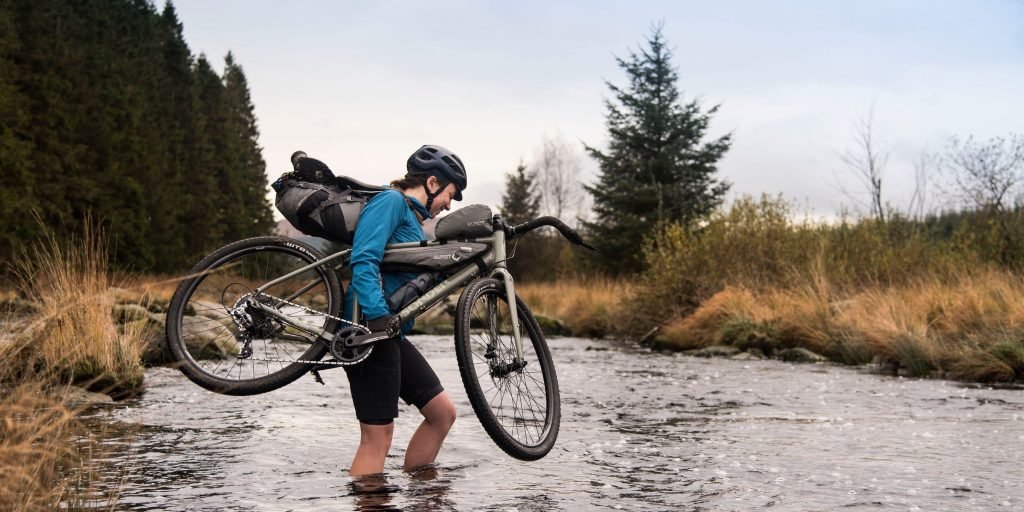
Are you ready to take your bikepacking adventures to the next level? Riding gravel trails can open up new paths and hidden gems that paved roads simply can’t offer.
But it’s not just about hopping on your bike and hitting the dirt. You need the right skills, gear, and mindset to tackle these rugged trails with confidence. In this guide, you’ll discover practical tips that make riding gravel easier and more fun, so you can focus on the thrill of the ride and the beauty around you.
Keep reading, and soon you’ll be mastering those gravel trails like a pro.

Credit: obedbikes.com
Choosing The Right Gravel Bike
Picking the right gravel bike makes bikepacking trips easier and more fun. A good bike fits the terrain and your riding style. It must be strong and comfortable for long rides on rough paths.
This guide explains key parts of gravel bikes. You will learn about frame materials, tire choices, and useful accessories for bikepacking.
Frame Materials And Geometry
Gravel bike frames come in different materials like aluminum, steel, and carbon. Each material affects bike weight, comfort, and durability.
Geometry means the shape and angles of the bike frame. It changes how the bike handles on gravel trails. A relaxed geometry offers more comfort and stability for long trips.
- Aluminum:Light and stiff, good for speed but less comfort.
- Steel:Heavy but strong and absorbs bumps well.
- Carbon:Very light and smooth ride but can be expensive.
- Geometry:Choose a frame with a slacker head angle for control on rough paths.
Tire Selection And Pressure
Tires must fit the trail type and your riding style. Wider tires give more grip and comfort on loose gravel. Narrow tires are faster on hard surfaces.
| Tire Width | Best For | Recommended Pressure |
| 35-40 mm | Mixed terrain, fast rides | 40-50 psi |
| 41-45 mm | Loose gravel, soft ground | 30-40 psi |
| 46 mm and above | Rough trails, extra comfort | 25-35 psi |
Lower tire pressure helps absorb bumps but watch for flats. Use tubeless tires if possible to reduce punctures.
Essential Bikepacking Accessories
Bikepacking needs special gear to carry supplies safely and keep you ready for the trail.
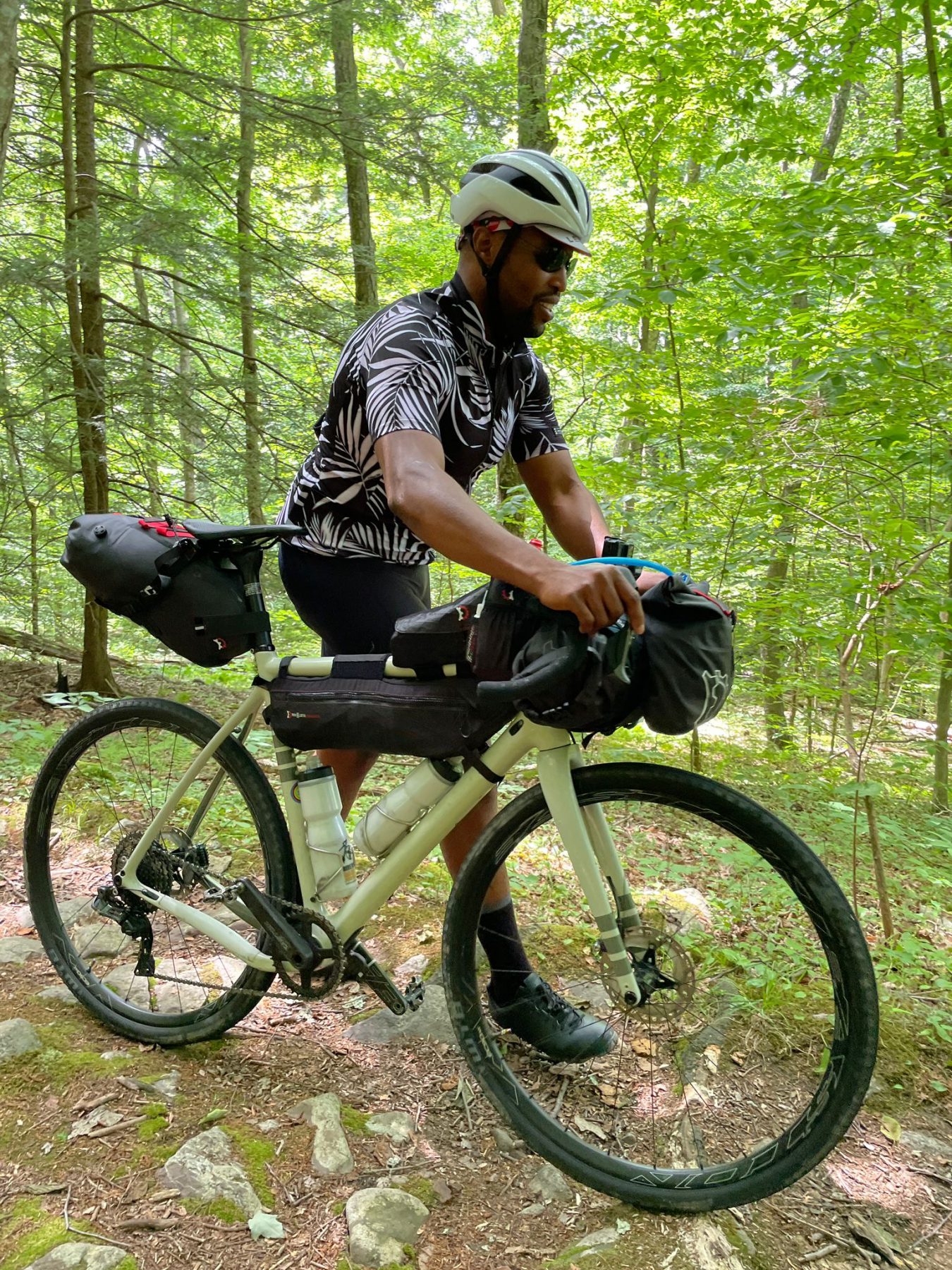
- Frame Bags:Fit inside the bike frame to hold tools and food.
- Handlebar Bags:Good for light gear and easy access.
- Seat Packs:Carry clothes and sleeping gear behind the saddle.
- Lights and GPS:Important for safety and navigation.
- Water Bottle Holders:Carry enough water for long rides.
Packing Smart For Gravel Trails
Riding gravel trails during bikepacking trips needs smart packing. You must carry the right gear without extra weight.
Good packing helps you stay safe, comfortable, and ready for long rides on rough paths.
Lightweight Gear Essentials
Choose gear that is light but strong. Heavy items slow you down and use more energy.
Focus on tools, clothes, and camping gear that serve many purposes to save space and weight.
- Compact multi-tool with bike repair parts
- Lightweight sleeping bag and tent
- Breathable, quick-dry clothing
- Small first aid kit
- Efficient bike lights with extra batteries
Balancing Weight And Comfort
Distribute weight evenly on your bike. This keeps the bike stable on gravel.
Pack heavier items low and near the center of the bike to improve balance.
- Put water and food in frame bags
- Keep tools close to the bike frame
- Place sleeping gear in rear bags
- Adjust straps to avoid shifting gear
Water And Food Storage Tips
Bring enough water to stay hydrated on long rides. Plan refills at known spots.
Store food in easy-to-reach places. Choose snacks that give energy and don’t spoil quickly.
- Use insulated water bottles or hydration packs
- Keep snacks like nuts, bars, and dried fruit handy
- Pack meals in resealable bags to save space
- Carry a small stove or fuel for hot meals if needed
Mastering Gravel Riding Techniques
Riding on gravel trails during bikepacking trips can be challenging. You need specific skills to handle different surfaces safely.
This guide covers key techniques for riding on loose surfaces, climbing and descending efficiently, and managing corners and brakes well.
Handling Loose Surfaces
Loose gravel can cause your bike to slip or slide unexpectedly. Keep your weight balanced and your eyes focused ahead. Use a relaxed grip on the handlebars to absorb shocks.
- Lower your tire pressure slightly for better traction.
- Keep your pedals level to avoid hitting rocks.
- Use a steady cadence to maintain momentum.
- Look where you want to go, not at obstacles.
Efficient Climbing And Descending
Climbing on gravel requires smooth power delivery and good balance. On descents, control is key to avoid crashes on loose surfaces.
| Technique | Climbing | Descending |
| Body Position | Lean forward, low center of gravity | Lean back slightly, keep weight over rear wheel |
| Gear Choice | Use easier gears to keep cadence steady | Use appropriate gears to control speed |
| Braking | Avoid sudden braking | Use both brakes gently and evenly |
Cornering And Braking Tips
Taking corners well on gravel means adjusting your speed and bike angle. Braking must be smooth to prevent skidding.
- Slow down before the turn, not during it.
- Look through the corner to where you want to go.
- Lean your bike, not your body.
- Apply brakes gently to avoid locking wheels.
- Use rear brake slightly more on loose surfaces.
- Release brakes if you feel a skid starting.
Credit: bikepacking.com
Planning Your Gravel Routes
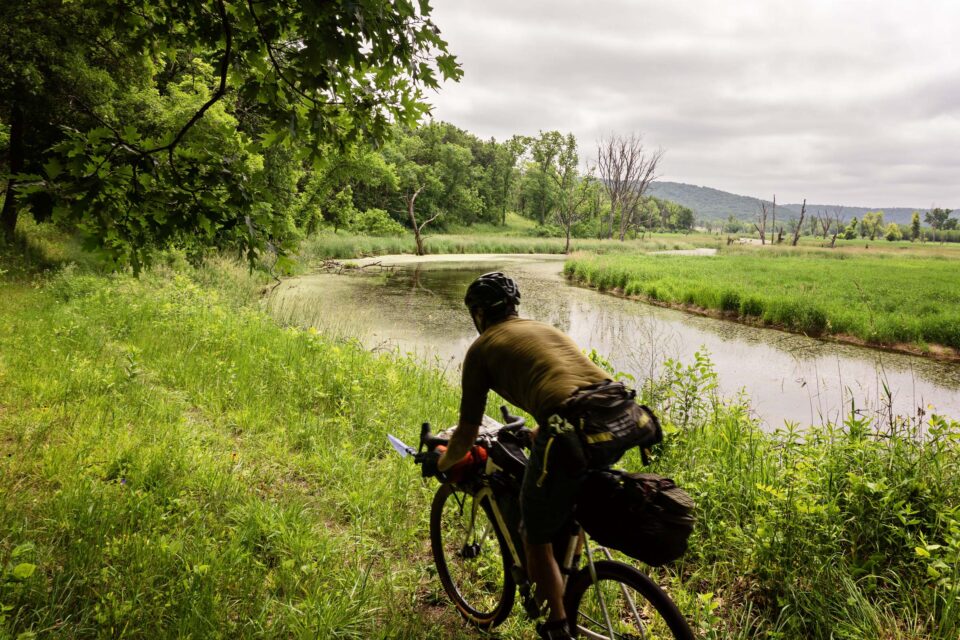
Planning your gravel routes is key to a successful bikepacking trip. Good plans help you enjoy the ride and stay safe.
Knowing where you will go lets you prepare for the trail and the conditions you might face.
Using Gps And Mapping Tools
GPS and digital maps help you find and follow gravel routes easily. Use apps or devices that show trails and road types.
Download maps for offline use. This way, you can navigate even without internet or phone signal.
- Choose a GPS app with gravel trail options
- Mark your start, end, and rest points
- Check the route distance and elevation
- Save maps for offline access
Finding Scenic And Safe Trails
Pick trails that offer nice views and are safe to ride. Look for paths with good gravel surfaces and low traffic.
Read reviews or ask fellow bikepackers about trail conditions. Choose routes that match your skill level and gear.
- Search for trails with natural sights like forests or rivers
- Avoid busy roads or dangerous sections
- Check trail difficulty before riding
- Look for places to stop or camp safely
Considering Weather And Terrain
Weather affects your ride and the trail surface. Plan routes with weather conditions in mind to stay comfortable and safe.
Know the terrain type, like rocky or muddy gravel. This helps you choose the right tires and gear for your trip.
- Check weather forecasts before you start
- Avoid routes prone to flooding or mud
- Prepare for changes in temperature or rain
- Choose tires suited for the terrain type
Maintaining Your Bike On The Trail
Keeping your bike in good shape is key during bikepacking trips. You need to fix small problems fast to keep riding.
Good maintenance helps avoid big repairs and keeps you safe on gravel trails.
Basic Repairs And Tools To Carry
Carry simple tools to fix common bike problems on the trail. Knowing how to use them saves time.
Basic repairs include fixing a flat tire, adjusting brakes, and tightening loose bolts.
- Multi-tool with Allen keys and screwdrivers
- Spare inner tubes or patch kit
- Tire levers
- Mini pump or CO2 inflator
- Chain quick link or chain tool
- Small adjustable wrench
Tire Care And Puncture Prevention
Check your tires before and during rides. Proper tire care reduces the chance of flats.
Use tires designed for gravel with good tread and puncture protection layers.
- Keep tire pressure within recommended range
- Avoid sharp rocks and debris on the trail
- Inspect tires for cuts or worn spots
- Replace tires that are too damaged
Cleaning And Lubrication Tips
Clean your bike regularly to remove dirt and grit. This helps parts last longer.
Lubricate the chain and moving parts to keep them running smoothly and prevent rust.
- Wipe off mud and dust after each ride
- Use a bike-specific lubricant for the chain
- Do not over-lubricate to avoid attracting dirt
- Check brakes and cables for dirt buildup
Staying Safe And Comfortable
Riding gravel trails on bikepacking trips needs care. Safety and comfort help you enjoy the ride more. Being ready with the right gear and knowledge can keep you safe.
In this guide, learn what to wear, how to eat and drink, and what to do in emergencies. These tips help you stay safe and feel good on the trail.
Protective Gear And Clothing
Wear clothes that protect you from dirt, weather, and falls. Good gear makes long rides easier and safer. Always choose items that fit well and allow movement.
- Helmet to protect your head
- Gloves for grip and hand safety
- Long sleeves and pants for skin protection
- Breathable layers for temperature control
- Sturdy shoes with good grip
- Eye protection against dust and bugs
Hydration And Nutrition Strategies
Drink water often to avoid dehydration. Eat foods that give energy without feeling heavy. Plan your meals and snacks before your trip.
| Type | Examples | Why |
| Hydration | Water, electrolyte drinks | Keep body fluids balanced |
| Carbs | Energy bars, fruits | Provide quick energy |
| Proteins | Nuts, jerky | Help muscle repair |
| Fats | Seeds, cheese | Supply long-lasting energy |
Dealing With Emergencies
Emergencies can happen anytime. Be ready with a plan and tools. Stay calm and act carefully to handle problems on the trail.
- Carry a first aid kit
- Have a phone or GPS device
- Know basic first aid skills
- Inform someone about your route
- Bring tools to fix your bike
- Wear bright clothing for visibility
Credit: revelatedesigns.com
Frequently Asked Questions
What Type Of Bike Is Best For Gravel Trails?
A gravel bike with wider tires and durable frames works best. It offers better stability and comfort on rough terrain. These bikes handle dirt, rocks, and loose surfaces effectively, making them ideal for bikepacking trips on gravel trails.
How To Prepare For Gravel Trail Bikepacking Trips?
Check your bike’s condition, pack essential tools, and carry hydration. Plan your route and inform someone about your trip. Wear proper gear and bring navigation aids to ensure a safe and enjoyable ride on gravel trails.
What Are The Best Tires For Gravel Riding?
Tires between 35mm to 45mm with tread patterns suit gravel trails. They provide grip and absorb shocks from uneven surfaces. Tubeless tires are preferred for fewer punctures and better performance during long bikepacking trips.
How To Maintain Balance On Rough Gravel Paths?
Keep a relaxed grip, lower your center of gravity, and pedal smoothly. Use your body to absorb shocks and avoid sudden movements. This technique helps maintain control and balance on uneven gravel trails during bikepacking.
Conclusion
Riding gravel trails during bikepacking trips is truly rewarding. Embrace the challenge and enjoy the journey. Remember to pack wisely and keep your bike maintained. Stay alert and be mindful of your surroundings. Gravel trails offer unique views and experiences.
Connect with nature and savor the peace. Plan your route and know your limits. Safety should always be your priority. Share the experience with friends for more fun. With preparation and care, your bikepacking adventure will be memorable. Enjoy the ride and the beauty around you.
Happy trails!



