
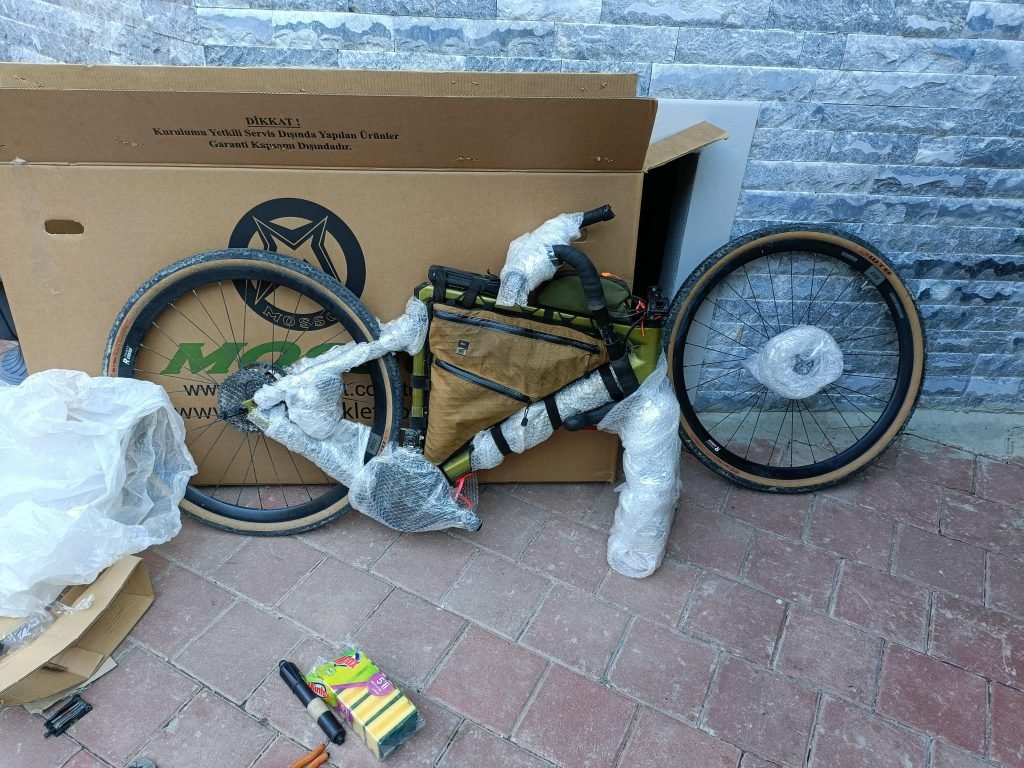
Planning to take your bikepacking bike overseas? Shipping it might seem tricky, but with the right steps, it can be smooth and stress-free.
You want your bike to arrive safe, ready to hit the trails without any damage or delays. This guide will walk you through everything you need to know—from packing tips to choosing the best shipping method—so you can focus on the adventure ahead.
Keep reading to learn how to ship your bikepacking bike overseas like a pro.
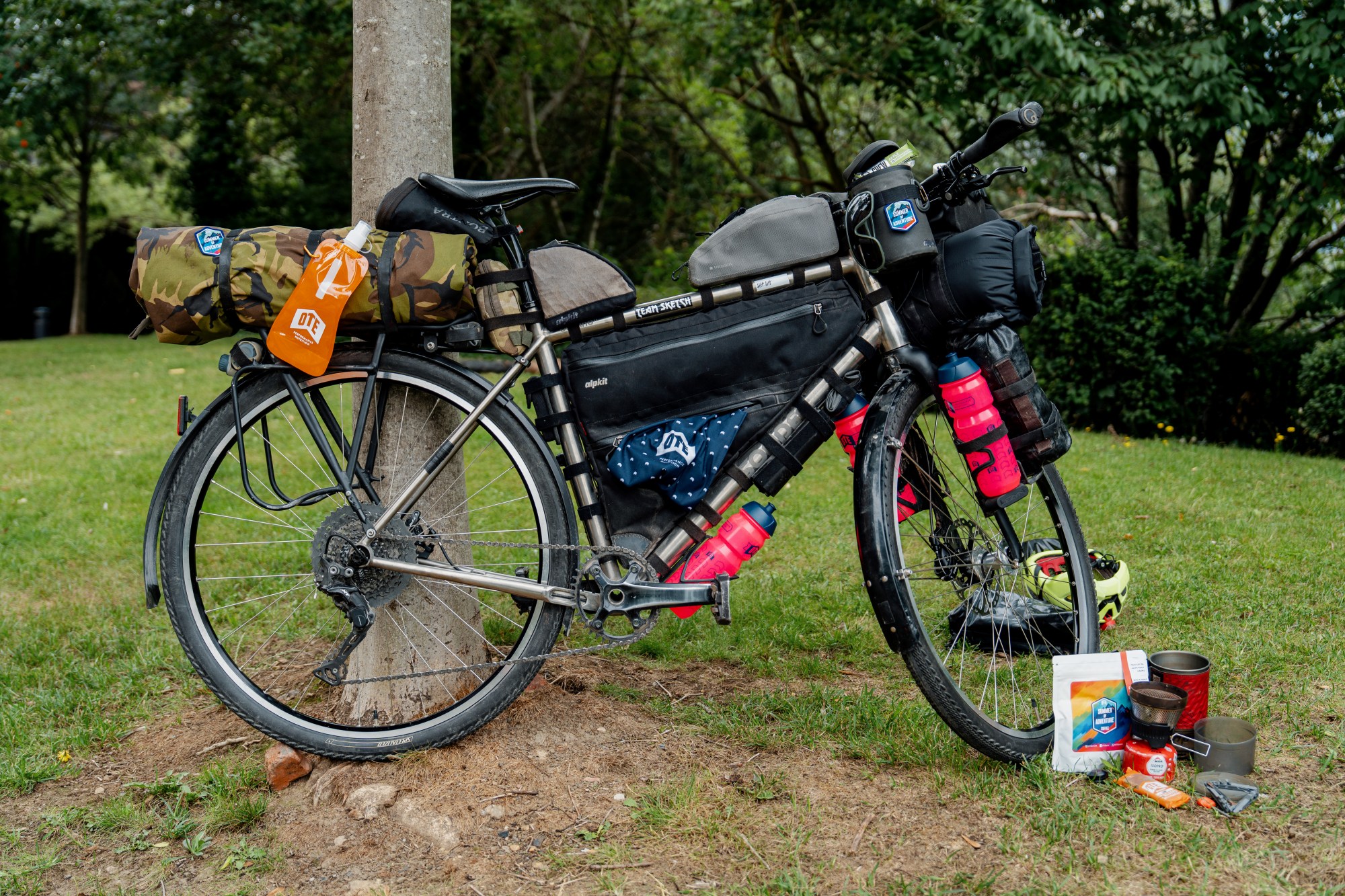
Credit: www.otesports.co.uk
Preparing Your Bike
Shipping your bike overseas needs good preparation. Proper steps help avoid damage during transit.
Start by cleaning and checking your bike. Then, take apart some parts carefully. Lastly, protect fragile areas well.
Cleaning And Inspecting
Wash your bike to remove dirt and grease. Clean parts help you see damage or wear clearly.
Look closely for scratches, cracks, or rust. Check tires, brakes, and gears for problems.
- Use mild soap and water for cleaning
- Dry the bike fully to avoid rust
- Inspect frame and components carefully
- Note any damage before packing
Disassembling Components
Remove parts that stick out or can break. This makes the bike fit better in the box.
Take off pedals, handlebars, and wheels. Keep small parts like screws in a labeled bag.
- Use proper tools to avoid damage
- Keep parts organized and labeled
- Don’t force parts when removing
- Note how parts fit back together
Protecting Fragile Parts
Wrap delicate parts with bubble wrap or foam. This prevents scratches and breaks during shipping.
Pay special attention to the frame, derailleur, and brake levers. Use extra padding around these areas.
- Use foam tubes or pipe insulation for the frame
- Cover the derailleur with a protective guard
- Wrap brake levers and shifters securely
- Fill empty spaces in the box with padding
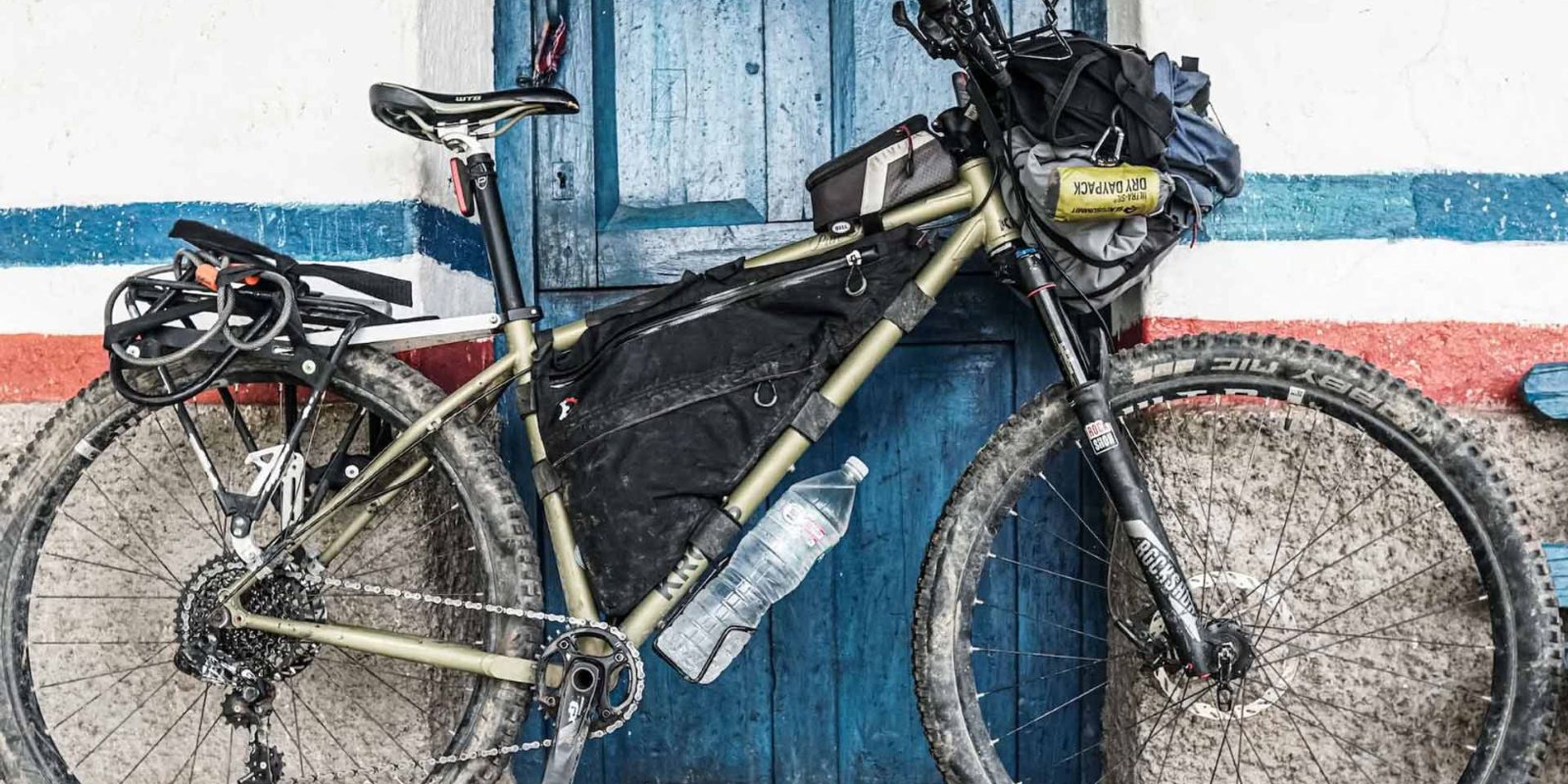
Credit: www.calltoadventure.uk
Choosing Packaging Materials
Shipping your bikepacking bike overseas needs the right packaging. Good materials keep your bike safe during long trips.
Choosing the right packaging helps avoid damage and extra costs. Let’s look at the best options for packing your bike.
Bike Boxes Vs. Hard Cases
Bike boxes are lightweight and affordable. They are made from cardboard and can be recycled after use. Hard cases offer more protection. They are made from tough plastic or metal.
| Packaging Type | Weight | Protection Level | Cost | Reusability |
| Bike Box | Light | Medium | Low | Usually Single Use |
| Hard Case | Heavy | High | High | Multiple Uses |
Padding Options
Padding protects your bike parts from scratches and shocks. Use foam, bubble wrap, or clothes to cover delicate areas. Wrap the frame and wheels carefully.
- Foam sleeves fit around tubes
- Bubble wrap cushions fragile parts
- Old clothes can fill empty spaces
- Use tape to secure padding in place
Securing Loose Items
Loose items can move and break during shipping. Keep parts like pedals, handlebars, and quick-release skewers tight or packed separately.
- Remove pedals and pack them in a padded bag
- Turn handlebars sideways and secure with straps
- Place small parts in labeled bags
- Use zip ties or tape to hold cables in place
Packing Your Bike
Packing your bike well helps it stay safe during overseas shipping. You need to protect all parts from damage.
This guide covers how to pack your bike step-by-step, balance the weight, and label it correctly.
Step-by-step Packing Process
Start by cleaning your bike and removing accessories. This makes packing easier and prevents damage.
Next, take off the pedals, wheels, and handlebars. Wrap each part with bubble wrap or foam.
- Deflate the tires slightly to reduce pressure
- Protect the frame with foam tubing or padding
- Use zip ties or tape to keep parts secure
- Place small parts in labeled bags
- Put the bike and parts into a sturdy bike box or case
Tips For Weight Distribution
Keep the bike’s weight balanced inside the box. This helps prevent the box from tipping or breaking.
Place heavier parts near the bottom and center. Lighter parts go on top or to the sides.
- Put the frame flat at the bottom
- Stack wheels beside or on top of the frame
- Distribute small parts evenly to avoid shifting
- Fill empty spaces with foam or bubble wrap
- Ensure the box feels stable before sealing
Labeling And Documentation
Label the box clearly with your name, address, and contact details. This helps with delivery and returns.
Include documentation inside the box. Add a packing list and any required customs forms.
- Write “Fragile” and “This Side Up” on the box
- Attach a copy of your shipping invoice
- Use waterproof labels or cover labels with tape
- Keep copies of all documents for your records
Selecting A Shipping Method
Shipping your bikepacking bike overseas requires choosing the right method. Each option fits different budgets and timeframes.
Consider cost, speed, and bike safety before making a decision.
Air Freight
Air freight is the fastest way to ship your bike. It offers quick delivery but usually costs more than other methods.
This option suits riders who need their bike at the destination quickly. Airlines often require special packaging and documentation.
Sea Freight
Sea freight is slower but more affordable for heavy or bulky shipments. It suits riders who are not in a rush.
- Can take several weeks
- Lower cost than air freight
- May require crate or box packaging
- Good for long-distance shipping
Courier Services
Courier services provide door-to-door delivery with tracking. They handle all paperwork and packaging for you.
| Service Type | Cost | Delivery Time | Packaging Needed |
| Standard Courier | Moderate | 5-10 days | Bike box or bag |
| Express Courier | High | 2-4 days | Bike box or bag |
| Economy Courier | Low | 10-20 days | Bike box or bag |
Handling Customs And Regulations
Shipping your bikepacking bike overseas requires careful attention to customs and regulations. Different countries have rules that you must follow to avoid delays or fines.
Understanding these rules helps make the shipping process smoother. You need to prepare paperwork, know about duties and taxes, and be aware of restricted items.
Required Paperwork
Customs officials need certain documents to clear your bike through. These papers prove ownership and describe the shipment.
Common documents include a commercial invoice, packing list, and a bill of lading or air waybill. You may also need a certificate of origin.
- Commercial Invoice:Details the bike and its value.
- Packing List:Shows what is inside the shipment.
- Bill of Lading/Air Waybill:Proof of shipment contract.
- Certificate of Origin:States where the bike was made.
Duties And Taxes
Most countries charge duties or taxes on imported goods. These fees depend on the bike’s value and the country’s rules.
You should check the destination country’s customs website to estimate fees. Sometimes the shipping company can help with this process.
- Duties are taxes on imported items.
- Taxes vary by country and product type.
- Paying these fees is required to clear customs.
- Keep receipts for your records.
Restricted Items
Some parts of your bike or accessories may be restricted or banned in certain countries. This can cause your shipment to be delayed or refused.
Common restricted items include batteries, sharp tools, and certain chemicals. Check with customs to see what is allowed before shipping.
- Lithium batteries may need special handling or are banned.
- Sharp objects like knives or multi-tools can be restricted.
- Flammable or hazardous chemicals are often banned.
- Always declare all items honestly to customs.
Insurance And Tracking
Shipping your bikepacking bike overseas needs careful planning. Insurance and tracking help protect your bike during transit.
These tools give you peace of mind and help you handle issues if they arise.
Choosing Insurance Coverage
Insurance covers damage or loss while your bike is shipped. Not all policies are the same.
- Check if the policy covers accidental damage and theft.
- Look for coverage during all shipping stages, including customs.
- Verify if the policy offers full or partial value reimbursement.
- Confirm if you need to declare the bike’s value when buying insurance.
- Keep receipts and photos of your bike for claims.
Tracking Your Shipment
Tracking lets you know where your bike is at all times. It helps reduce stress during shipping.
| Tracking Method | Details |
| Courier Tracking Number | Use to check status online on the courier’s website. |
| GPS Tracker | Attach a GPS device to your bike for real-time location updates. |
| Mobile App | Some shipping services offer apps with push notifications. |
Dealing With Delays Or Damage
Delays and damage can happen. Act fast to solve these problems.
- Contact the shipping company immediately to report issues.
- Document any damage with photos as soon as you receive the bike.
- Use your insurance to file a claim if needed.
- Keep all shipping and insurance documents handy for communication.
- Be patient but follow up regularly until the issue is resolved.
Receiving And Reassembling
Shipping your bikepacking bike overseas requires care after arrival. You must check for damage and put the bike back together safely.
This guide helps you inspect the bike, reassemble it, and test ride before your trip.
Inspecting Upon Arrival
Open the bike box carefully. Look for dents, cracks, or scratches on the frame and components. Check if all parts are inside the box.
- Check the frame for any visible damage.
- Inspect wheels for dents or bent spokes.
- Look at the handlebars and brakes for cracks.
- Ensure small parts like pedals and screws are included.
- Take photos of any damage for claims or repairs.
Reassembling Your Bike
Use your bike manual to guide the reassembly. Start by mounting the wheels and attaching the handlebars. Check that cables and brakes are connected correctly.
| Part | What to Check |
| Wheels | Properly secured and aligned |
| Handlebars | Tightened and straight |
| Brakes | Connected and working smoothly |
| Gears | Shift correctly without skipping |
| Pedals | Firmly attached |
Test Riding Tips
Before a long ride, test your bike in a safe area. Check steering, braking, and gear shifting.
- Ride slowly and listen for unusual sounds.
- Test brakes by stopping smoothly and quickly.
- Shift through all gears to ensure smooth changes.
- Check that wheels spin freely without wobbling.
- Adjust seat and handlebars for comfort.
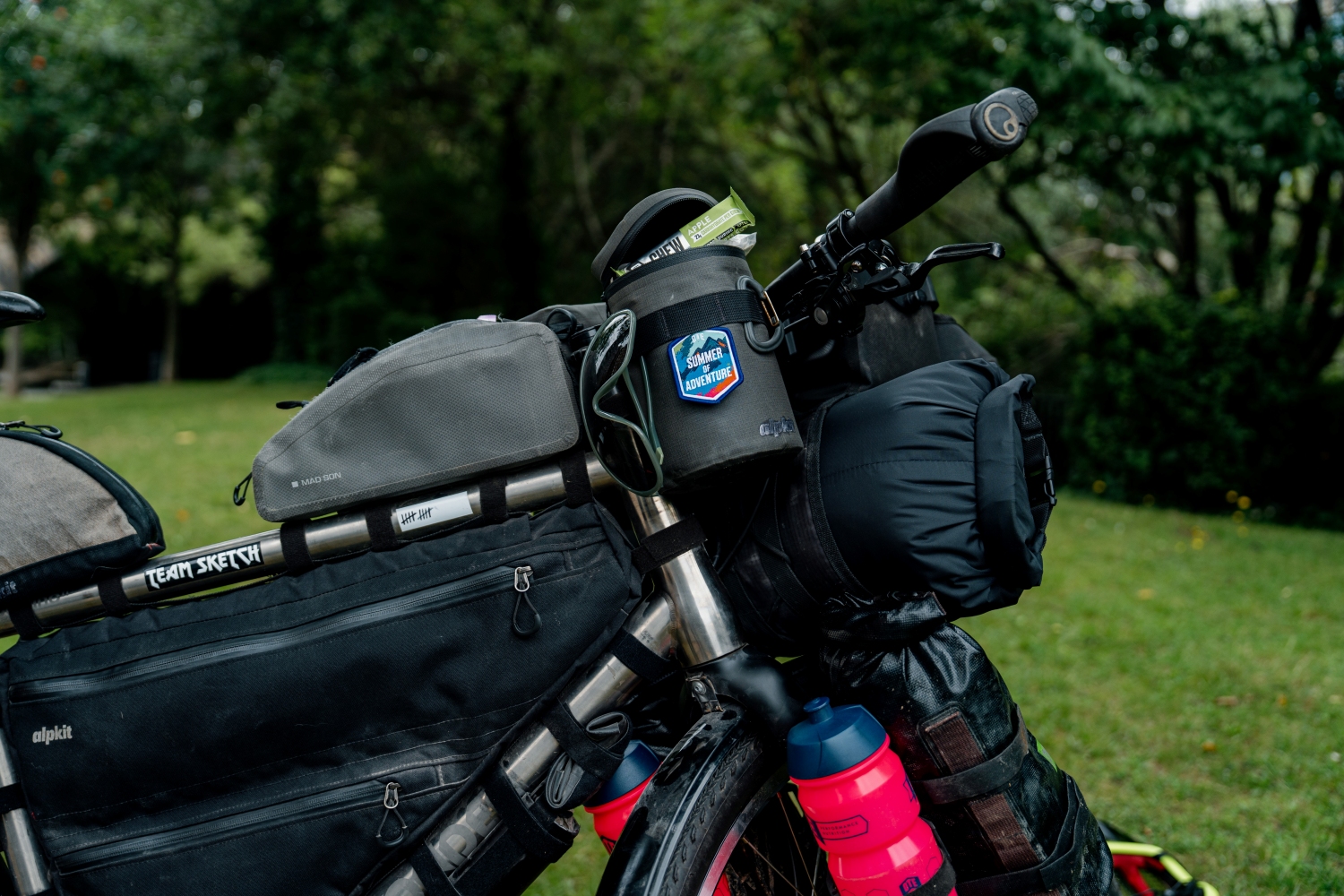
Credit: www.otesports.co.uk
Frequently Asked Questions
How Do I Prepare My Bikepacking Bike For Overseas Shipping?
Disassemble key parts like pedals and handlebars for safe packing. Clean the bike to prevent rust. Use a sturdy bike box and secure padding for protection during transit.
What Are The Best Shipping Options For Bikepacking Bikes Abroad?
Air freight is fast but costly. Sea freight is cheaper but slower. Courier services offer door-to-door convenience. Choose based on budget and timing needs.
Do I Need Insurance For Shipping My Bike Overseas?
Yes, insurance protects against damage or loss during transit. Check if the carrier offers coverage or buy third-party insurance for peace of mind.
How Can I Avoid Customs Issues When Shipping A Bike?
Declare your bike accurately and include all required documents. Research import rules of the destination country to ensure smooth customs clearance.
Conclusion
Shipping your bikepacking bike overseas doesn’t have to be hard. With careful preparation, your bike will travel safely. First, choose a sturdy box or case. Next, dismantle your bike and protect each part. Label everything clearly. Always check airline or shipping rules before you start.
Consider insurance for extra peace of mind. Remember, planning ahead saves time and stress. Your bike deserves careful handling. Follow these steps, and your bike will arrive ready for new adventures. Happy travels and safe cycling!



