
You know how important your gadgets are when you’re out on a rugged bikepacking trip. Your phone, GPS, camera, and other electronics keep you connected, safe, and ready to capture every moment.
But packing them the wrong way can lead to damage, lost data, or even a dead battery when you need them most. What if you could pack your electronics so they stay safe, dry, and fully charged no matter how rough the trail gets?
Keep reading, because this guide will show you exactly how to protect your gear and enjoy your adventure without worrying about your devices.
Choosing The Right Electronics
Picking the right electronics is important for bikepacking trips. Your gear must be easy to carry and strong enough for rough rides.
Good electronics help you stay connected and safe on the trail. Think about what devices you really need before packing.
Essential Gear For Bikepacking
Choose electronics that support navigation and communication. A GPS device or smartphone with offline maps is helpful.
Other useful gear includes a compact power bank and a reliable headlamp. These keep you powered and visible at night.
- GPS device or smartphone with maps
- Power bank for charging devices
- Headlamp or bike light
- Portable camera or action cam (optional)
- Compact Bluetooth speaker (optional)
Durability And Portability Factors
Electronics must be tough to handle bumps and weather. Look for water-resistant and shockproof items.
Lightweight and small electronics save space and reduce weight. This makes your bike easier to ride on rough terrain.
- Water-resistant or waterproof rating
- Shockproof or impact-resistant build
- Compact size for easy packing
- Lightweight materials
- Long battery life for extended use
Protective Cases And Bags
Packing electronics for rugged bikepacking needs careful protection. Good cases and bags keep devices safe from bumps and weather.
Choosing the right type helps prevent damage and keeps your gear ready to use.
Hard Vs Soft Cases
Hard cases have a solid shell that stops impacts well. They protect against crushing and sharp objects.
Soft cases are lighter and easier to pack. They offer some cushion but less impact resistance than hard cases.
- Hard cases provide strong protection but add weight.
- Soft cases are flexible and lighter but less protective.
- Choose hard cases for fragile electronics and rough rides.
- Soft cases work for less fragile gear and lighter loads.
Waterproof And Shockproof Options
Waterproof cases keep electronics dry in rain or river crossings. Look for sealed zippers or hard shells with rubber seals.
Shockproof cases absorb bumps and drops. They have padding or special materials that reduce impact forces.
- Waterproof cases protect against water and dust.
- Shockproof cases protect against drops and vibrations.
- Some cases combine waterproof and shockproof features.
- Pick cases based on your route and expected weather.
Organizing Your Electronics
Packing electronics for rugged bikepacking needs care. Keeping them safe and easy to find is important.
Good organization helps protect your devices from damage. It also makes using them on the trail simpler.
Cable Management Tips
Keep cables tidy to stop tangles and damage. Wrap cables loosely to avoid bending or breaking wires.
Use cable ties or velcro straps to bundle cables. Label cables to find them quickly when needed.
- Wrap cables in loops, not tight coils
- Use reusable straps to hold cables together
- Label cables with tape or tags
- Store cables separately from devices
Using Compartments And Pouches
Use small pouches or compartments for different electronics. This stops items from rubbing or hitting each other.
Choose padded pouches to protect fragile devices. Keep chargers, batteries, and cables in separate sections.
- Pack devices in padded or hard-shell pouches
- Use clear compartments for easy visibility
- Separate power banks from other items
- Keep small accessories in zipped pouches
Credit: www.iamtedking.com
Layering For Extra Protection
Packing electronics for rugged bikepacking needs extra care. Layering helps protect your gear from shocks and bumps.
Using several layers of protection keeps your devices safe on rough trails. This guide explains how to layer well.
Padding Materials To Use
Select padding materials that absorb shock and prevent scratches. Use soft but firm layers around your electronics.
Common padding materials work well for bikepacking and are easy to find or carry.
- Foam sheets or foam padding
- Bubble wrap for extra cushioning
- Neoprene sleeves or cases
- Clothing like fleece or soft jackets
- Microfiber cloth to avoid scratches
Strategic Placement In Your Pack
Put your electronics in the center of your pack. This spot is safer from outside impacts and pressure.
Surround your devices with soft items and avoid placing heavy gear on top. This reduces risk of damage.
- Place electronics away from hard walls of the bag
- Use soft clothes as extra padding around devices
- Keep heavy tools or items in separate compartments
- Secure cables and accessories to avoid tangling
- Check pack balance to prevent shifting during rides
Securing Electronics On The Bike
Keeping your electronics safe while bikepacking is important. You need to secure them well on your bike.
Good mounting methods and protection from vibration help your devices last the whole trip.
Mounting Solutions
Choose mounts that hold devices tightly and stay stable on rough terrain. Use mounts made for bikes or waterproof cases with mounts.
- Handlebar mounts keep GPS and phones easy to reach.
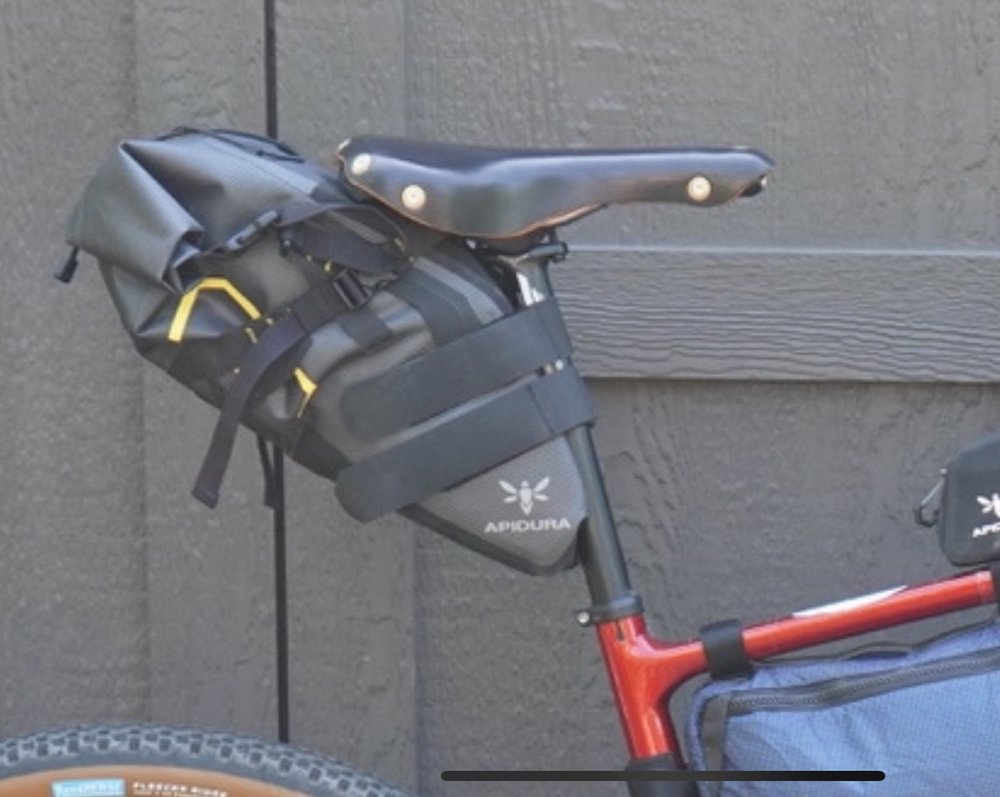
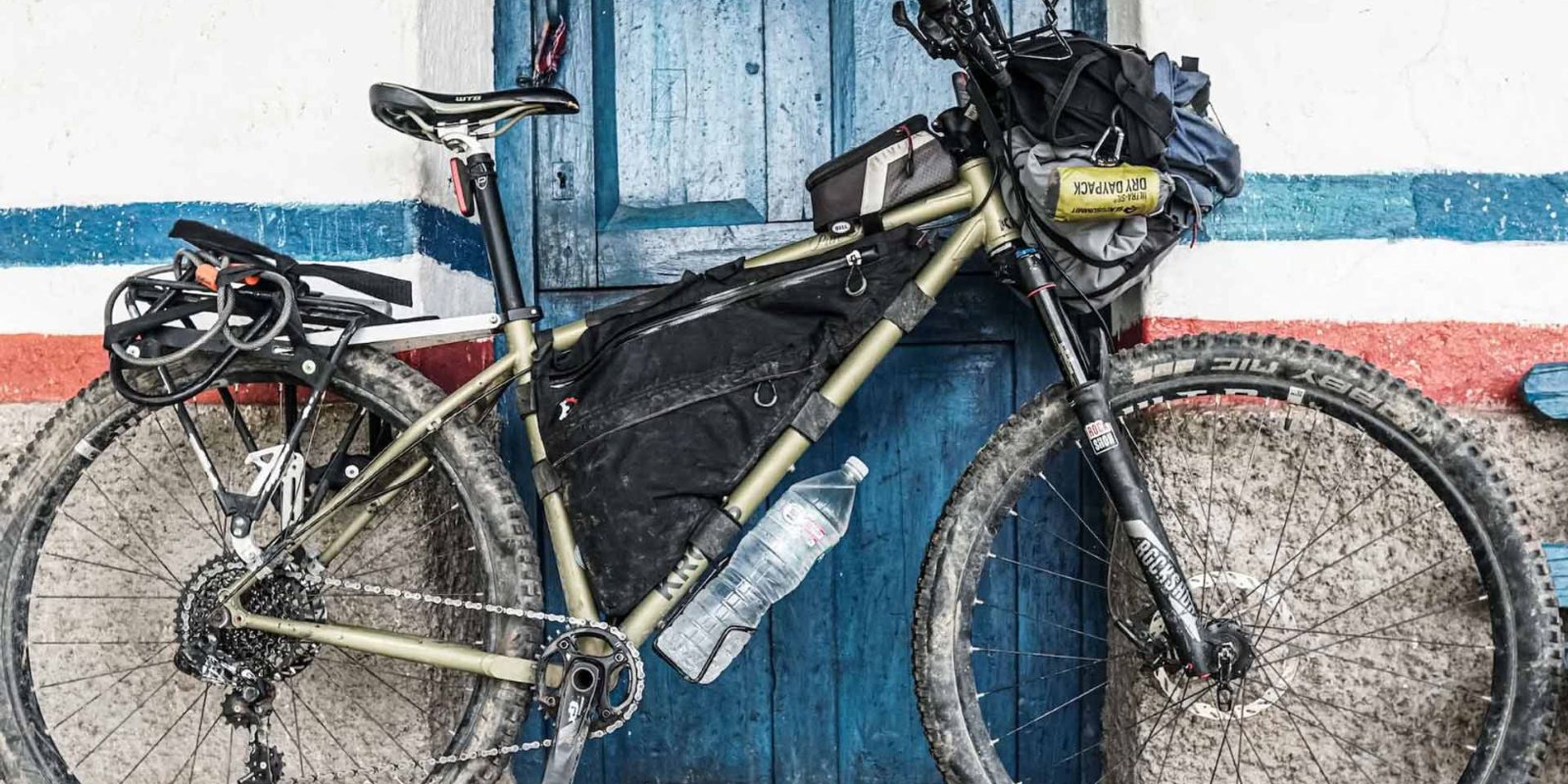
- Frame bags with special pockets protect devices inside.
- Top tube mounts hold cameras or small gadgets securely.
- Use Velcro straps or adjustable clamps for extra grip.
- Waterproof or shockproof cases fit many mounting styles.
Avoiding Vibration Damage
Vibrations can harm electronic parts and shorten device life. Reduce this risk with padding and careful placement.
| Method | How It Helps |
| Foam padding | Absorbs shocks and reduces vibration |
| Silicone mounts | Soft material cushions devices |
| Rubber bands | Adds flexible support to mounts |
| Place on frame | Choose spots with less direct vibration |
| Wrap cables | Stops wires from shaking loose |
Charging And Power Management
Keeping your electronics charged is key for any bikepacking trip. You need a plan to manage power well.
Charging options must be light, reliable, and easy to use while on the trail.
Portable Chargers And Power Banks
Portable chargers and power banks store energy for your devices. They let you charge without outlets.
Choose power banks with enough capacity to last several days. Look for fast charging and multiple ports.
- Pick power banks with at least 10,000mAh capacity
- Choose lightweight and compact models
- Look for water-resistant or rugged designs
- Carry cables that fit all your devices
- Charge power banks fully before your trip
Solar Charging Options
Solar chargers use sunlight to power your electronics. They are good for long trips away from power sources.
Look for foldable, lightweight solar panels that can attach to your bike or backpack.
- Choose panels with high efficiency for quick charging
- Use solar chargers with USB ports for easy device connection
- Store solar energy in a power bank for use at night
- Keep solar panels clean and angled toward the sun
- Test solar chargers before your trip to know their speed
Maintenance And Emergency Repairs
Keeping your electronics safe during rugged bikepacking is important. Proper packing helps prevent damage and keeps devices working.
Knowing how to clean and fix your gear on the trail can save your trip. Carry the right tools and supplies for quick repairs.
Cleaning Electronics On The Trail
Dirt and moisture can harm electronics fast. Clean your devices carefully to avoid damage.
Use soft cloths and gentle cleaning methods. Avoid harsh chemicals or soaking your devices.
- Wipe screens with a microfiber cloth
- Use compressed air to remove dust from ports
- Dry devices with a clean, dry cloth
- Keep devices in waterproof bags when not in use
Basic Repair Kits To Carry
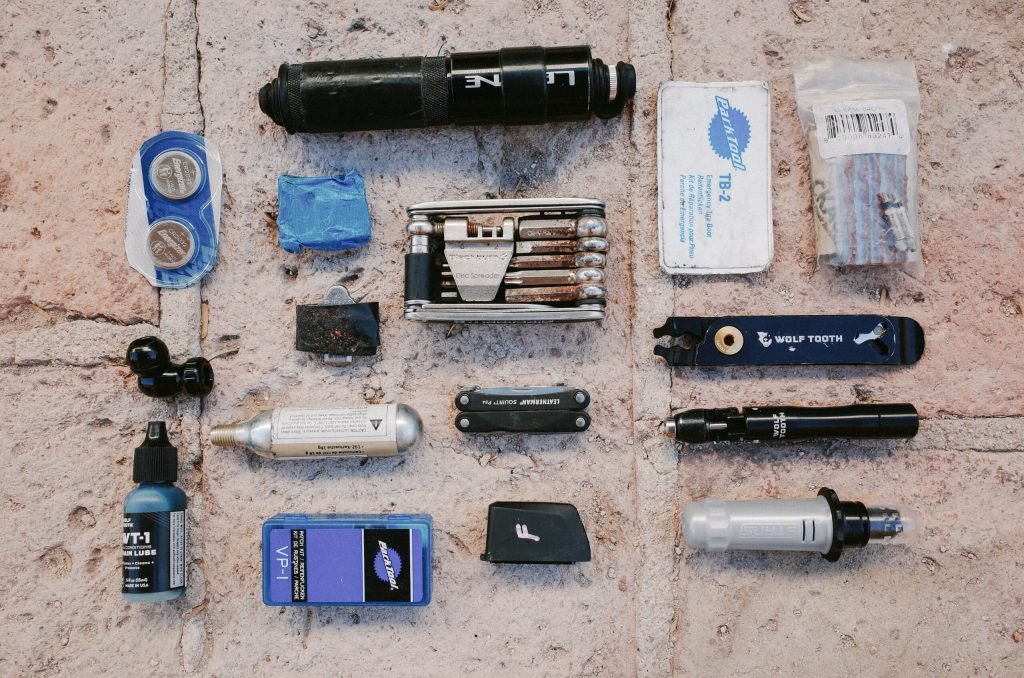
Bring a small repair kit for quick fixes on the trail. This helps keep your electronics working longer.
Choose tools that fit your devices and are easy to carry.
- Small screwdriver set (Phillips and flathead)
- Electrical tape for wire fixes
- Spare charging cables and connectors
- Zip ties to secure loose parts
- Silica gel packs to absorb moisture
- Contact cleaner wipes for dirty connections
Credit: www.calltoadventure.uk

Credit: www.reddit.com
Frequently Asked Questions
How Do I Protect Electronics From Water On Bike Trips?
Use waterproof cases or dry bags to shield devices from moisture. Wrap items in plastic or ziplock bags for extra protection. Avoid exposing electronics directly to rain or puddles during your ride.
What’s The Best Way To Organize Electronics For Bikepacking?
Group similar devices and accessories in separate padded compartments. Use cable organizers or small pouches to prevent tangling. Keep essentials easily accessible while packing heavier gear closer to your bike frame.
How Can I Prevent Damage From Shocks And Vibrations?
Use padded cases, foam inserts, or bubble wrap around electronics. Secure devices tightly inside your pack to reduce movement. Choose rugged or shock-resistant gear designed for outdoor adventures.
Should I Carry Extra Batteries Or Power Banks?
Yes, bring fully charged power banks and spare batteries. They ensure your devices stay powered during long trips. Opt for lightweight, high-capacity options to save space and weight.
Conclusion
Packing electronics for bikepacking requires care and attention. Use protective cases. Secure items tightly to avoid damage. Choose waterproof bags for unexpected weather. Plan your packing layout for easy access. Keep essential devices charged and ready. Test your setup before the trip.
Prioritize safety and functionality over convenience. Lightweight gear helps maintain balance while riding. With these tips, you’ll enjoy a stress-free adventure. Your electronics will stay safe and functional. Happy bikepacking!



