
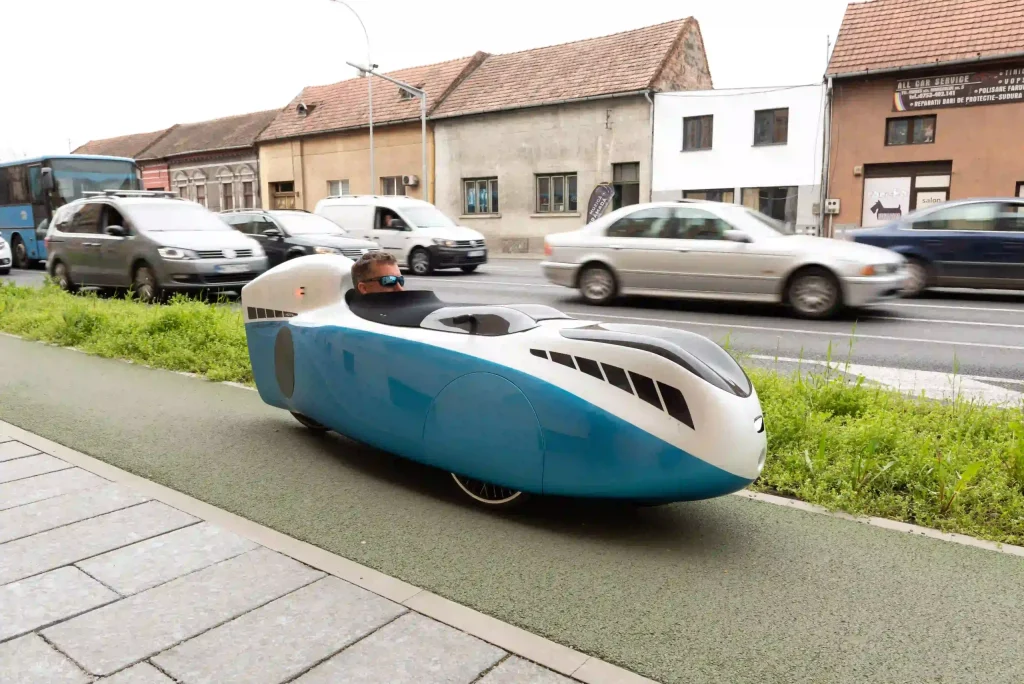
Are you curious whether velomobiles can share the bike lanes you use every day? If you’ve seen these sleek, three-wheeled vehicles and wondered if they belong on the same paths as regular bikes, you’re not alone.
Understanding where velomobiles fit in can make your rides safer and more enjoyable. You’ll discover the key facts about velomobiles and bike lanes—so you can confidently navigate the road ahead. Keep reading to find out what rules apply and how velomobiles impact your cycling experience.

Credit: www.velomobileworld.com
Velomobiles And Bike Lanes
Velomobiles are a type of human-powered vehicle. They look like enclosed bicycles. Many people wonder if velomobiles can use bike lanes.
This article explains what velomobiles are. It also shows how they differ from regular bicycles in design.
What Are Velomobiles
Velomobiles are bicycles with a full or partial shell. This shell protects the rider from weather and wind. They have three or four wheels for stability.
- They are powered by pedaling.
- The shell helps reduce air resistance.
- They can reach higher speeds than normal bikes.
- Velomobiles are often used for commuting and racing.
Design Differences From Bicycles
| Feature | Bicycle | Velomobile |
|---|---|---|
| Wheels | 2 | 3 or 4 |
| Body | Open frame | Enclosed shell |
| Protection | None | Weather and wind protection |
| Speed | Moderate | Higher due to aerodynamics |
| Width | Narrow | Wider, may affect lane use |

Credit: www.reddit.com
Legal Status In Bike Lanes
Velomobiles are human-powered vehicles with a shell. They look like enclosed bikes. Many riders want to use bike lanes for safety and speed.
The laws about velomobiles in bike lanes differ by place. Knowing these rules helps avoid fines and accidents.
Laws By Region
In the United States, the rules vary by state. Some states allow velomobiles in bike lanes if they meet size limits. Others treat them like bicycles or motor vehicles.
In Europe, countries often classify velomobiles as bicycles. This usually means they can use bike lanes. Some countries require lights and reflectors for safety.
| Region | Legal Status | Notes |
|---|---|---|
| USA | Varies by state | Check local laws; some states limit size and speed |
| Netherlands | Allowed in bike lanes | Classified as bicycles; must have lights |
| Germany | Allowed with restrictions | Speed limits and size rules apply |
| UK | Generally allowed | Must follow bicycle regulations |
Common Restrictions
Even where allowed, velomobiles face some limits. These rules keep bike lanes safe for all users.
- Maximum width and height to fit in bike lanes
- Speed limits within bike lanes
- Use of lights and reflectors at night
- Weight limits in some regions
- Prohibition on motorized assistance in some areas
Riders should check local laws before using bike lanes. Following rules helps protect everyone on the road.
Safety Considerations
Velomobiles are different from regular bikes. They are enclosed and wider. This affects how they fit and move in bike lanes.
Riders need to think about safety before using bike lanes with velomobiles. This includes visibility and control on the road.
Visibility Challenges
Velomobiles can be harder for others to see. Their low profile and enclosed design reduce visibility. This can increase the risk of accidents.
- Velomobiles are lower than most bikes and cars.
- They may blend into the road or surroundings.
- Drivers might not expect a velomobile in a bike lane.
- Adding lights and bright colors can help improve visibility.
- Reflective materials on the vehicle increase safety at night.
Speed And Maneuverability
Velomobiles often move faster than regular bikes. Their size also makes quick turns harder. This affects their use in bike lanes.
| Aspect | Impact on Bike Lane Use |
| Speed | Can be faster than other cyclists, causing overtaking issues |
| Maneuverability | Wider body limits sharp turns and quick lane changes |
| Lane Width | May not fit comfortably in narrow lanes |
| Reaction Time | Requires more space to stop or avoid obstacles |

Credit: www.velomobileworld.com
Riding Tips For Velomobiles
Velomobiles are unique bikes with a shell for speed and protection. Riding them in bike lanes takes care and knowledge. This guide helps you ride safely and smoothly.
Learn about the best lane positions and how to communicate with others on the road. These tips will help you share space with cars and cyclists.
Lane Positioning
Velomobiles are wider and lower than regular bikes. This affects your space in the bike lane and on the road. Stay visible and keep a safe distance from obstacles.
- Ride near the center or slightly to the left of the bike lane for visibility.
- Check the lane width before entering; avoid narrow lanes that don’t fit your velomobile.
- Use the full lane if the bike lane is too narrow or blocked.
- Be ready to move out of the bike lane when turning or avoiding hazards.
- Watch for parked cars and open doors on your right side.
Signaling And Communication
Clear signals help other road users know your next move. Use hand signals and lights to communicate your intentions.
| Signal | How to Do It | When to Use |
| Left Turn | Extend left arm straight out | Before turning left or changing lanes left |
| Right Turn | Extend right arm straight out or left arm bent up | Before turning right or changing lanes right |
| Stop or Slow | Extend left arm bent down | Before stopping or slowing down |
| Warning | Use bell or voice | To alert pedestrians or cyclists |
Interactions With Other Road Users
Velomobiles are a unique type of vehicle used on bike lanes. They look different from normal bikes. This can change how they interact with others on the road.
Understanding these interactions helps keep all road users safe. It also makes sharing the road smoother for everyone.
Sharing Space With Cyclists
Velomobiles are wider and heavier than regular bikes. This means cyclists need to give them more room. Velomobile riders should also be careful not to block bike lanes.
Good communication is key. Using hand signals and eye contact helps both velomobile and bike riders understand each other’s actions.
- Keep a safe distance to avoid collisions
- Pass only when there is enough space
- Use signals to show turns or stops
- Be patient in narrow or busy lanes
Dealing With Motor Vehicles
Motor vehicles often move faster than velomobiles. Drivers might not expect a velomobile in bike lanes or on the road. Velomobile riders need extra caution when near cars.
Clear visibility helps prevent accidents. Velomobiles should use lights and reflective materials. Riders should watch for vehicles turning or changing lanes nearby.
- Stay visible with lights and bright colors
- Follow traffic signals and rules carefully
- Watch for cars turning or opening doors
- Use mirrors to check blind spots
Adapting To Different Bike Lanes
Velomobiles are unique vehicles that use bike lanes but need special care. Different bike lanes have features that affect how velomobiles move safely.
Knowing how to adapt to narrow or wide lanes and handling different surfaces helps velomobile riders stay safe and comfortable.
Narrow Vs Wide Lanes
Narrow bike lanes can be tight for velomobiles due to their width. Wide lanes offer more space but may have other challenges like debris.
- In narrow lanes, ride slowly and watch for obstacles closely.
- Use signals early to alert other riders and drivers.
- Wide lanes allow easier passing and smoother rides.
- Stay centered in wide lanes to avoid edge hazards.
Surface And Terrain
Bike lane surfaces vary from smooth asphalt to rough concrete or gravel. Terrain may include slopes or bumps that affect velomobile handling.
| Surface Type | Effect on Velomobile | Rider Tips |
|---|---|---|
| Smooth Asphalt | Easy to ride, stable | Maintain normal speed, watch for wet spots |
| Rough Concrete | More vibration, slower speed needed | Reduce speed, check tire pressure |
| Gravel or Loose Dirt | Less traction, risk of slipping | Slow down, avoid sharp turns |
| Hilly Terrain | Extra effort to climb, careful braking downhill | Use lower gears, brake gently |
Future Of Velomobiles In Urban Cycling
Velomobiles are small, enclosed bikes that offer comfort and speed. Cities are starting to see them as a new way to travel.
Using bike lanes is a key question for velomobile riders. The future depends on how cities plan for these vehicles.
Infrastructure Developments
Bike lanes now fit regular bikes well but may be tight for velomobiles. Roads and lanes need changes to fit wider vehicles.
Some cities plan wider lanes and smoother surfaces. These changes help velomobiles move safely and easily.
- Wider bike lanes to fit velomobiles
- Better lane markings for mixed use
- Smoother road surfaces to improve comfort
- Separate paths for slower and faster vehicles
Advocacy And Awareness
People need to learn about velomobiles and their benefits. Awareness helps reduce confusion on bike lanes.
Groups work to change rules so velomobiles can use bike lanes. They also teach riders and drivers to share space safely.
- Campaigns to explain velomobiles to the public
- Lobbying for clear rules on lane use
- Training programs for safe riding
- Community events to show velomobiles in action
Frequently Asked Questions
Can Velomobiles Legally Use Bike Lanes?
Yes, velomobiles can use bike lanes where local laws allow. They are considered human-powered vehicles. Check regional regulations for specific rules.
Are Bike Lanes Safe For Velomobile Riders?
Bike lanes offer a safer route than roads for velomobiles. However, their width and surface quality affect safety. Riders should stay alert.
Do Velomobiles Fit In Standard Bike Lanes?
Most velomobiles fit within bike lane widths. Some wider models may require sharing the lane or using adjacent road space.
Should Velomobiles Share Lanes With Bicycles?
Velomobiles usually share lanes with bicycles as similar vehicles. Courtesy and awareness help ensure smooth coexistence and safety in bike lanes.
Conclusion
Velomobiles in bike lanes spark debate. Safety and space are key concerns. Cities must evaluate their infrastructure. Regulations could clarify lane use. Cyclists often face challenges with larger vehicles. Velomobiles offer eco-friendly travel options. They blend cycling with comfort. Proper rules ensure harmony on the road.
Awareness campaigns can improve understanding. Community input is vital for effective policies. Balancing needs of all road users is crucial. By doing so, we create safer, shared spaces. A thoughtful approach benefits everyone. Let’s embrace sustainable transport solutions together.



